Cyprus: The Life You Buy — Legal Checks to Make First
How Cyprus’s daily life — villages, coasts and city quarters — shapes legal needs; current tax and title checks buyers must prioritise before committing.
 Villa Curated
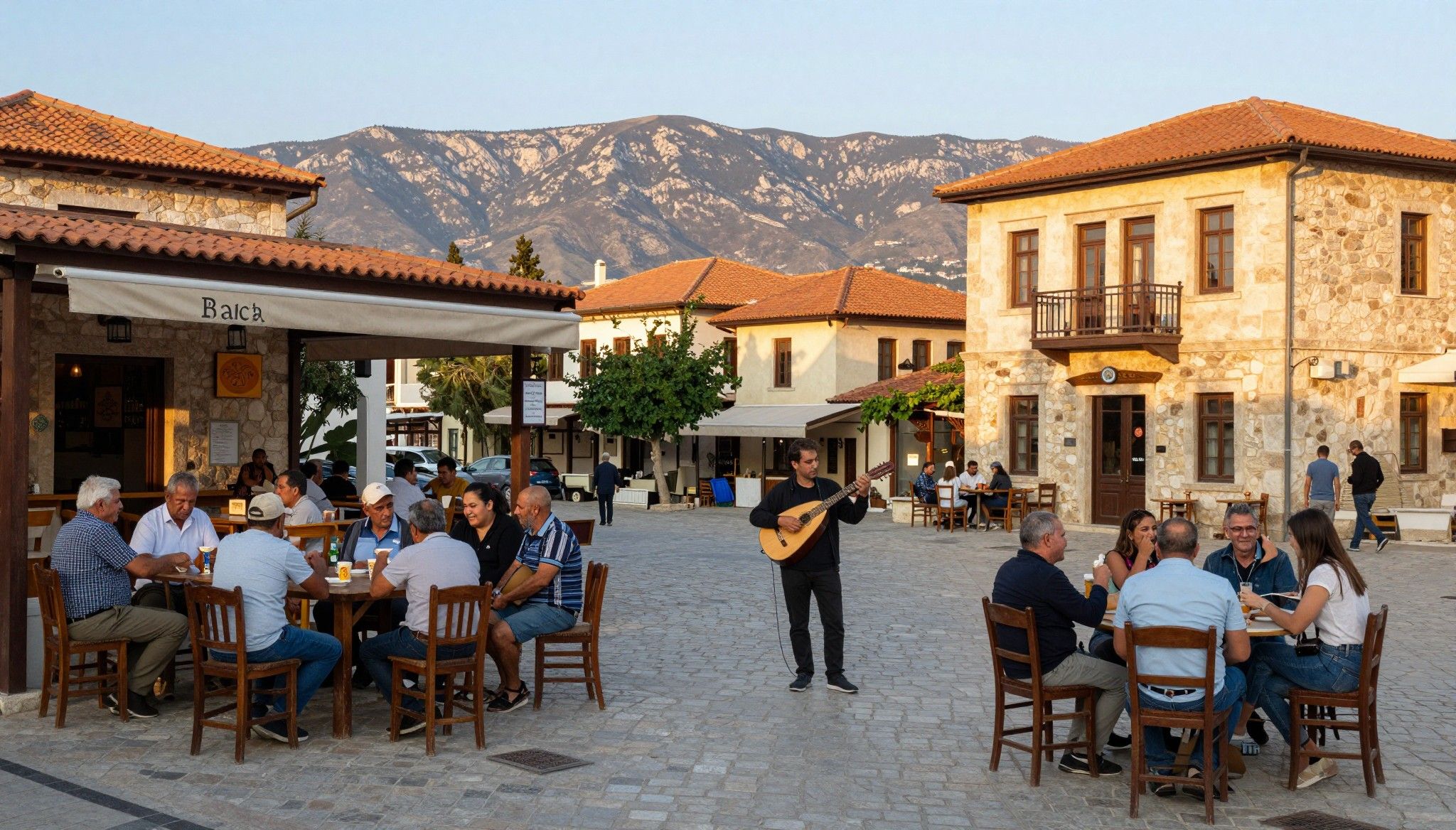
Imagine walking the shaded promenade of Limassol at dawn, the sea soft and slow, a baker arranging koulouri in a doorway while a neighbour waters geraniums from a brass watering can. This is the cadence many buyers seek in Cyprus: a life where stone, sea and sun shape daily ritual. Yet the path from enchantment to ownership has particulars — legal contours, tax changes and local customs that reward close attention. We begin with the life you will buy, then stitch in the legal truths that preserve it.
Living Cyprus: rhythm, neighbourhoods and small pleasures
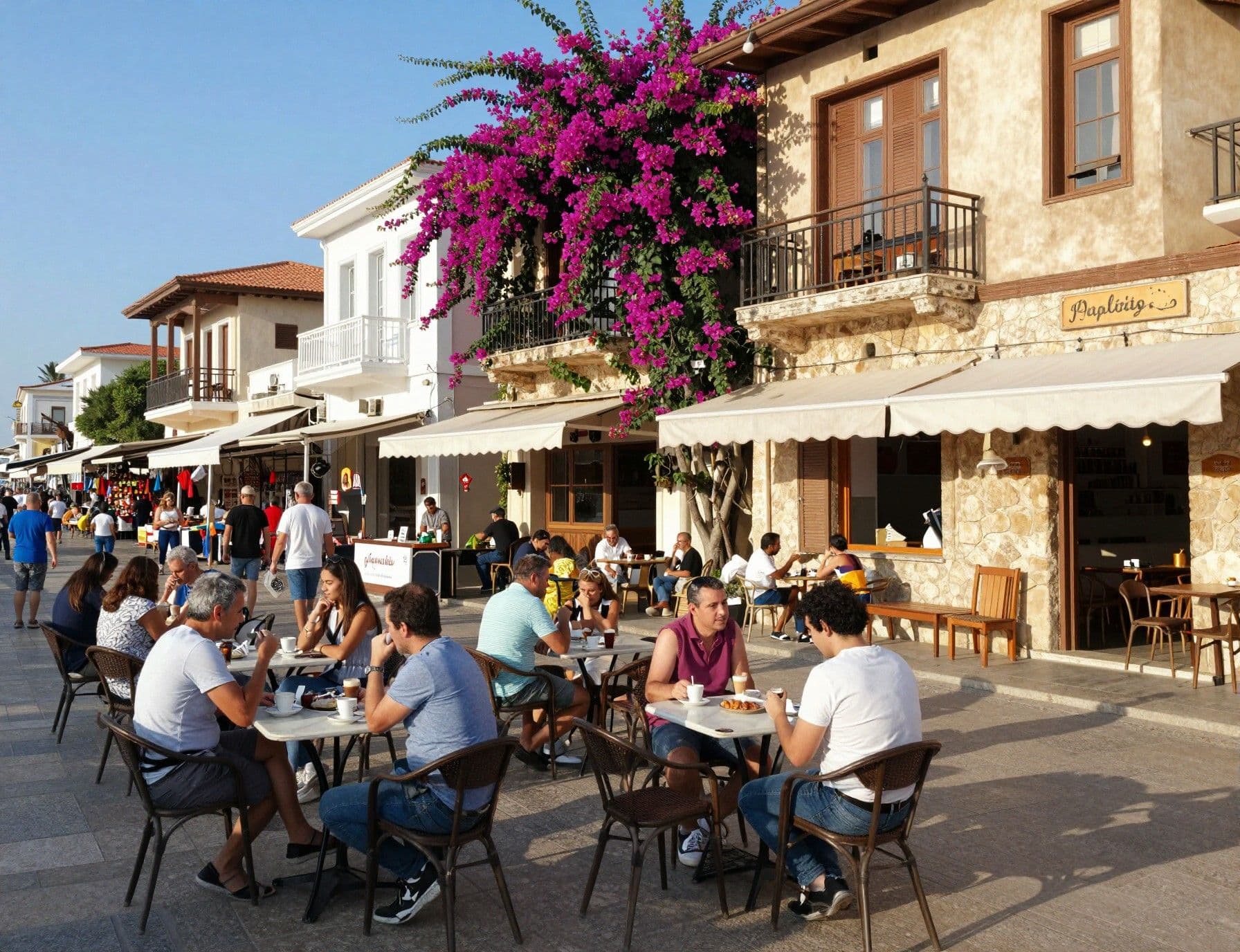
Cyprus feels familiar to many international buyers: Mediterranean light, tavernas that open late, a convivial coffee culture and neighbourhoods with distinct personalities. In Nicosia’s old quarter, stone alleys hold ateliers and quiet courtyards; in Paphos, archaeological remains meet shorefront promenades; Ayia Napa and Protaras pulse with summer life while villages such as Omodos and Kakopetria offer a quieter, seasonal rhythm. Choosing well means matching these rhythms to how you will live — year‑round, seasonally, as an investment or a retirement retreat.
Limassol’s layered character: old port to contemporary living
Limassol rewards curiosity: morning espresso near Molos, afternoons at boutique galleries on Gladstonos, evenings in the old port among lanterns and timber tables. For buyers who appreciate both cosmopolitan services and village intimacy, the Molos–Old Port axis and the quieter residential streets of Germasogeia provide a refined balance. Properties here range from restored colonial stone houses to contemporary apartments with sea terraces; each requires different legal checks — title clarity, planning permits and, for new build purchases, VAT considerations.
Village life: Omodos and the wine route
If you imagine Sunday markets beneath plane trees, Omodos offers that domestic poetry: cobbled lanes, monasteries and family-run tavernas pouring zivania. Mountain properties here are quieter to maintain and can require special attention to utilities, access rights and preservation rules. For buyers intent on an artisanal life — vineyards, olive presses, local festivals — legal due diligence should include rights of way, water licences and any listed-building restrictions.
- Lifestyle highlights (places to test life before you buy)
- An early coffee at To Café con Leche on Gladstonos, Limassol
- Sunday market and wine tasting in Omodos village
- Sea swim and seafood lunch at Pissouri Bay
- Stroll through Nicosia’s Ledra Street and weekday galleries
Making the move: practicalities that protect the life you want
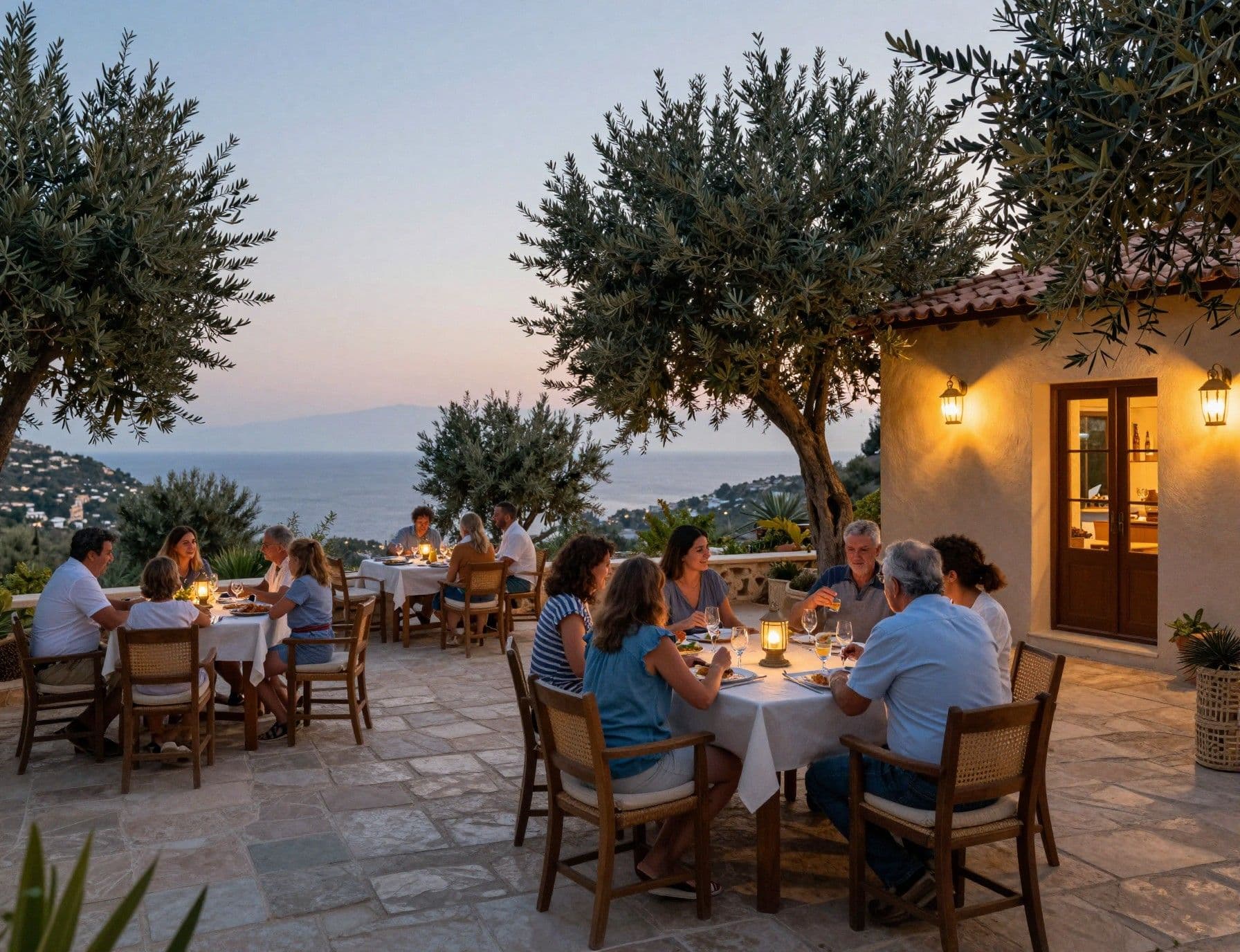
The legal and tax landscape has shifted in recent years; buyers who pair imagination with up‑to‑date counsel avoid surprises. Key changes — such as evolving stamp duty and transfer fee practices and the application of VAT to new developments — alter transaction economics. Reliable, current figures are available from specialist guides and major professional firms; consult these early in your process so lifestyle decisions are grounded in precise cost expectations.
Property styles and what they mean for daily life
From fortified stone village houses to minimal coastal apartments and contemporary gated villas, the style of property determines upkeep, insurance and local permissions. A restored stone house in the Troodos will demand different structural surveys and conservation considerations than a seafront apartment with communal services. Align your desired daily rituals — terrace breakfasts, garden tending, al fresco dinners — with a property’s practical requirements: accessibility in winter, cooling in summer, and reliable service providers.
Working with local experts who know the life you want
An independent Cyprus lawyer and a locally experienced agent are not optional: they translate local practice into enforceable protections. Your lawyer confirms title deeds at the Department of Lands, checks for encumbrances, ensures planning permission and verifies vendor identity. Your agent should be fluent in local neighbourhood life, able to arrange property visits at times that reflect true living patterns (weekday mornings, market days) rather than staged showings.
- Steps to align lifestyle with legal certainty
- Commission an independent legal title search and verify the Land Registry entry (1)
- Request certified as‑built plans and all planning permissions; match them to the physical property (2)
- Confirm whether VAT applies (new builds) and model transfer‑fee impact on your budget (3)
- Arrange structural and utilities surveys tailored to climate and terrain (4)
Insider knowledge: expat realities, myths and red flags
A common misconception is that Cyprus allows effortless title transfers everywhere on the island. In practice, parcels in disputed or northern areas carry legal risk; avoid anything lacking clear Land Registry entries or with ambiguous vendor claims. Another frequent surprise is the difference between advertised and landed costs — VAT on new builds or transfer fees on resales can materially change the budget. Recent guides and professional summaries provide current figures and procedural updates that should be consulted before an offer.
Cultural cues that affect buying and living
Cypriot social life values reciprocity and long-term relationships. Neighbour introductions, local bakery owners and the parish priest may all become part of your practical life. Respect for municipal times, market days and local festivals will ease integration. Learning a few phrases in Greek, attending a village festival and using local craftsmen for repairs are small efforts that yield durable community trust — and sometimes easier access to off‑market opportunities.
Red flags to avoid
- Properties marketed without Land Registry entries or with unclear vendor history.
- Sellers asking for large informal deposits before contracts are drafted.
- Promises of citizenship or residency tied to non-transparent schemes.
When these red flags appear, pause. Good advisors will prefer a slightly slower, documented path to a property that fits your life over a rapid but fragile transaction.
Looking ahead: stewardship, taxes and the life you preserve
Owning in Cyprus invites stewardship: maintaining masonry, choosing appropriate plantings for dry summers and budgeting for local insurance and municipal rates. Tax regimes such as non‑dom status can enhance after‑tax returns for new residents, but require timely registration and professional advice. Use established accounting and legal firms for a forward plan that aligns residency intentions, rental potential and intergenerational transfer.
A simple stewardship checklist
- Annual review of insurance cover for climate and location risks.
- Periodic re-survey of boundaries and easements every 10–15 years.
- Tax residency status review with a Cyprus accountant before any move.
These modest practices preserve capital and the rhythms of life that first drew you to Cyprus.
If Cyprus has charmed you, proceed with curiosity and discipline. Begin by spending time in the neighbourhoods you imagine living in, appoint an independent local lawyer and request up‑to‑date tax and transfer projections before you make an offer. The island rewards those who build relationships with local craftsmen, agents and officials; thoughtful stewardship returns both tranquillity and value. When you are ready, a focused agency can help translate the life you seek into a property that will endure.
Villa CuratedDutch former researcher who moved to Lisbon, specialising in investment strategy, heritage preservation, and cross-border portfolio stewardship.
Related Articles
More insights that might interest you
 Villa Curated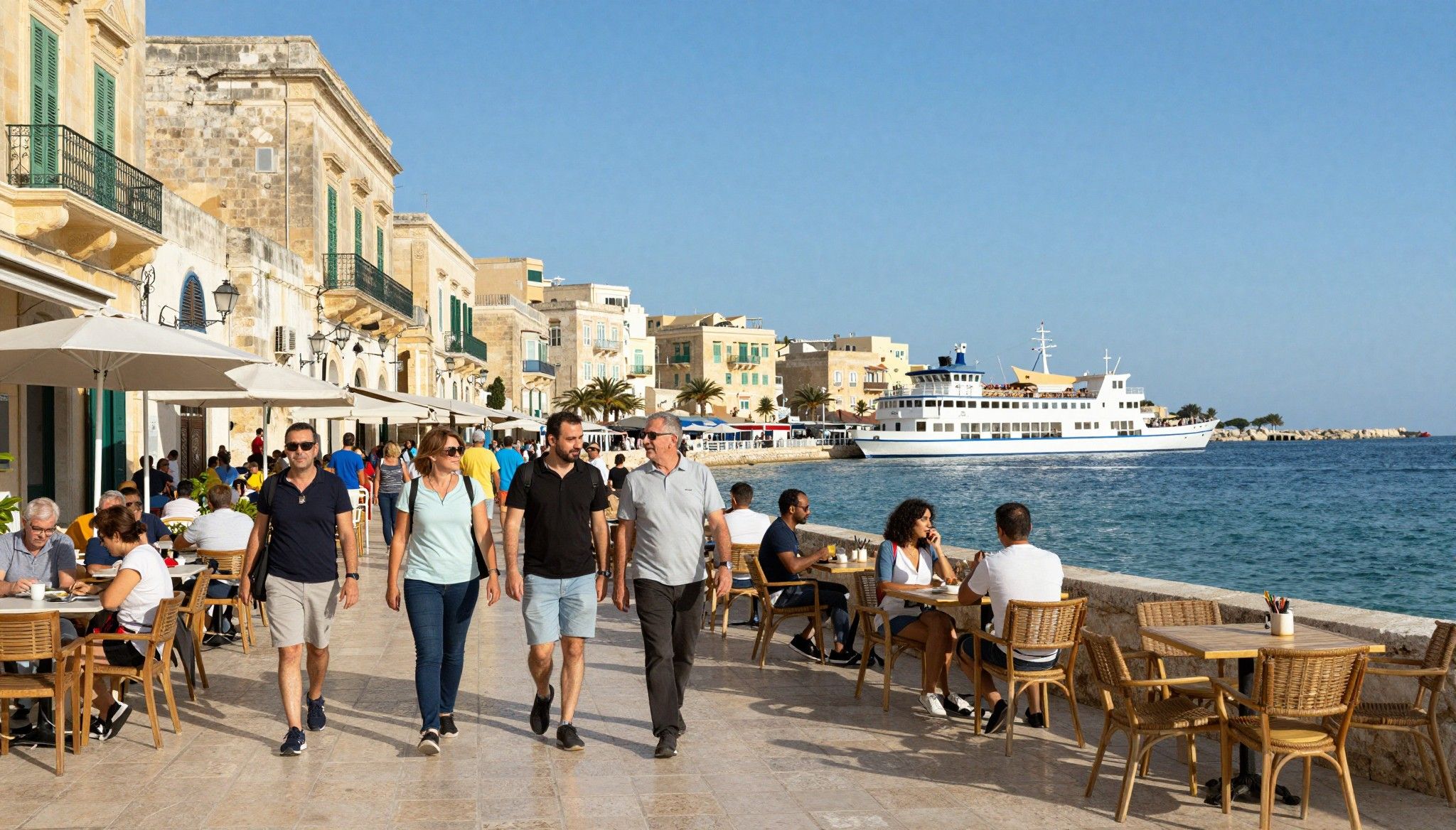
 The Yieldist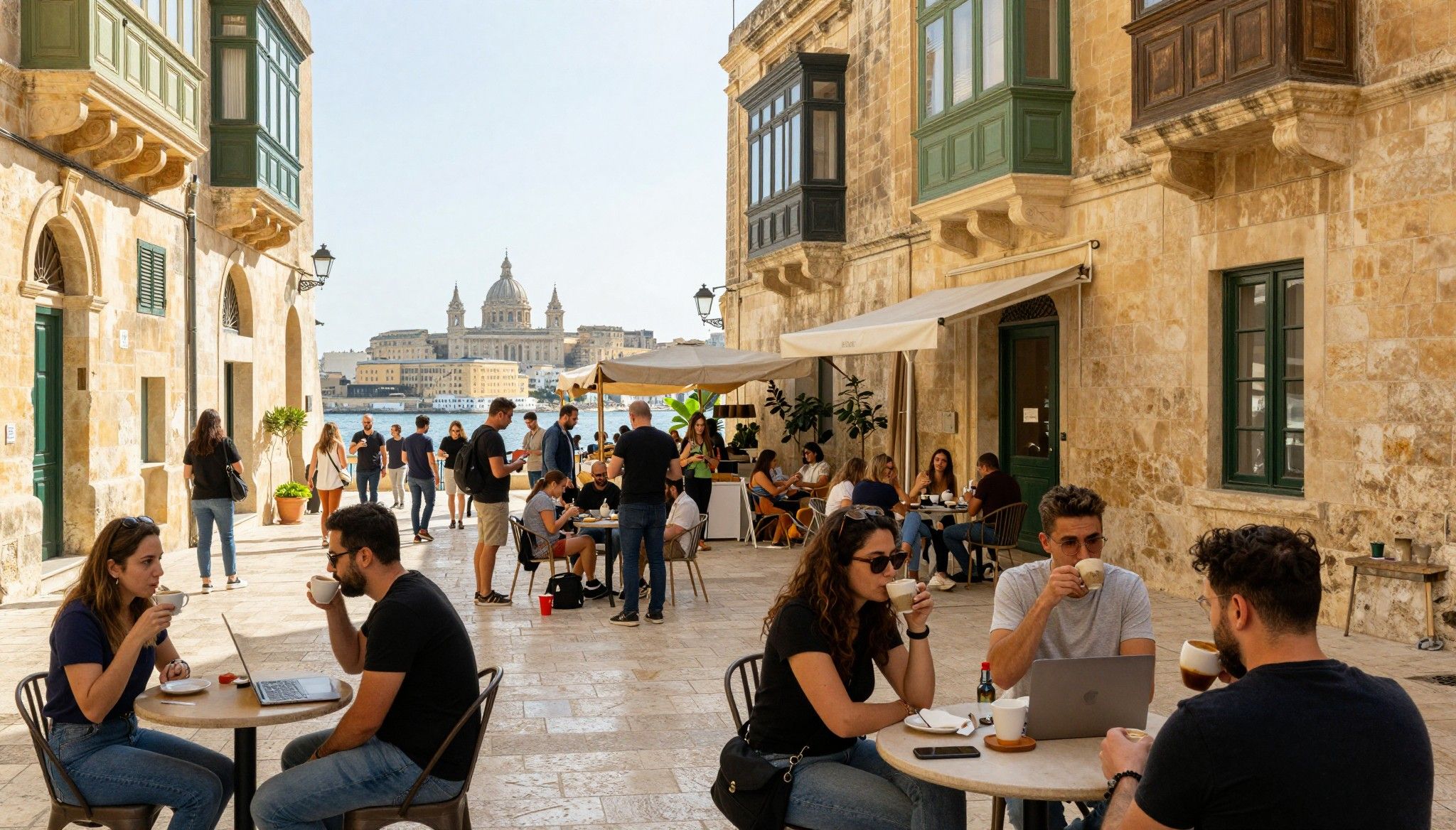
 MoveSettleGo

