When Cyprus’ Rules Reprice Returns
Cyprus’ sun and cafés mask regulatory shifts (2024–25) that change who can buy and what yields look like; marry lifestyle taste tests with updated legal checks to preserve returns.
 The Yieldist
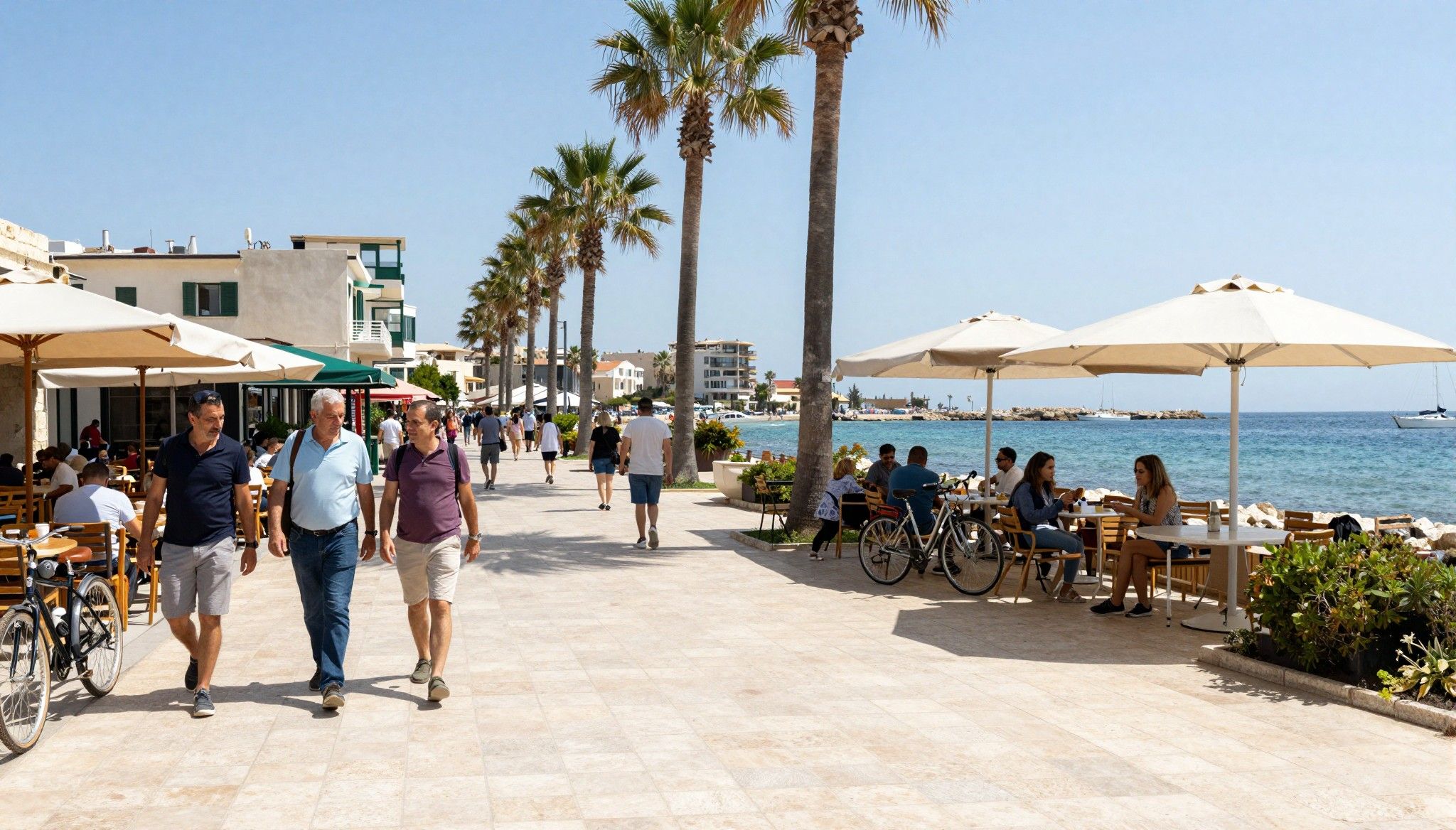
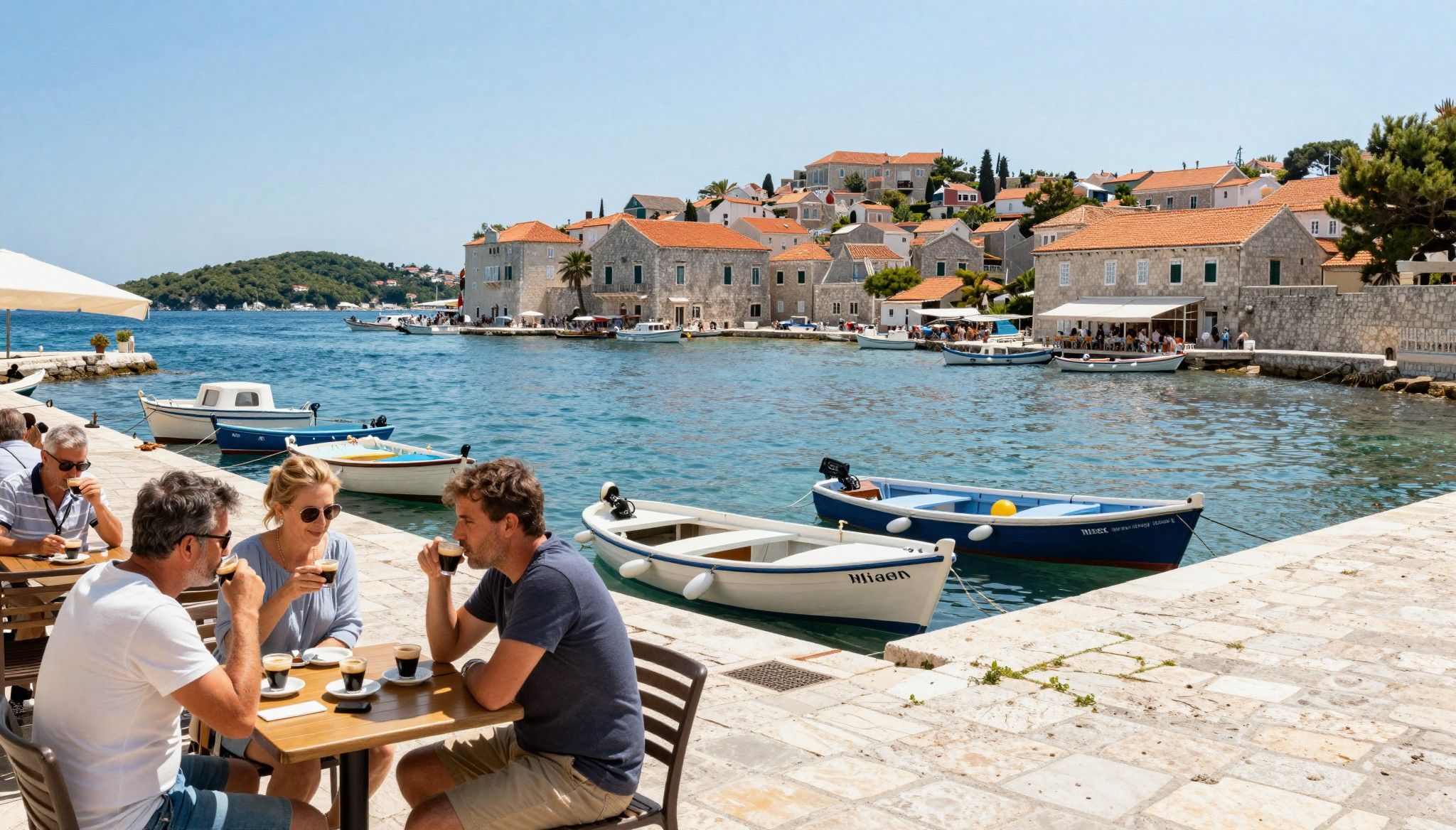
Imagine sipping espresso at To Kazani in Limassol’s old port, the sea breeze mingling with chatter in Greek and English — and knowing, in hard numbers, whether that apartment will produce a 4% net yield next year. Cyprus is at once a sun-soaked lifestyle market and a jurisdiction where regulatory shifts — from immigration rules to the 2025 amendments to the Immovable Property Acquisition law — materially change investor returns. This guide blends the sensory side of Cypriot life with the precise regulatory changes that reprice ownership and cash flow for international buyers.
Living the Cyprus lifestyle (and what it costs you)
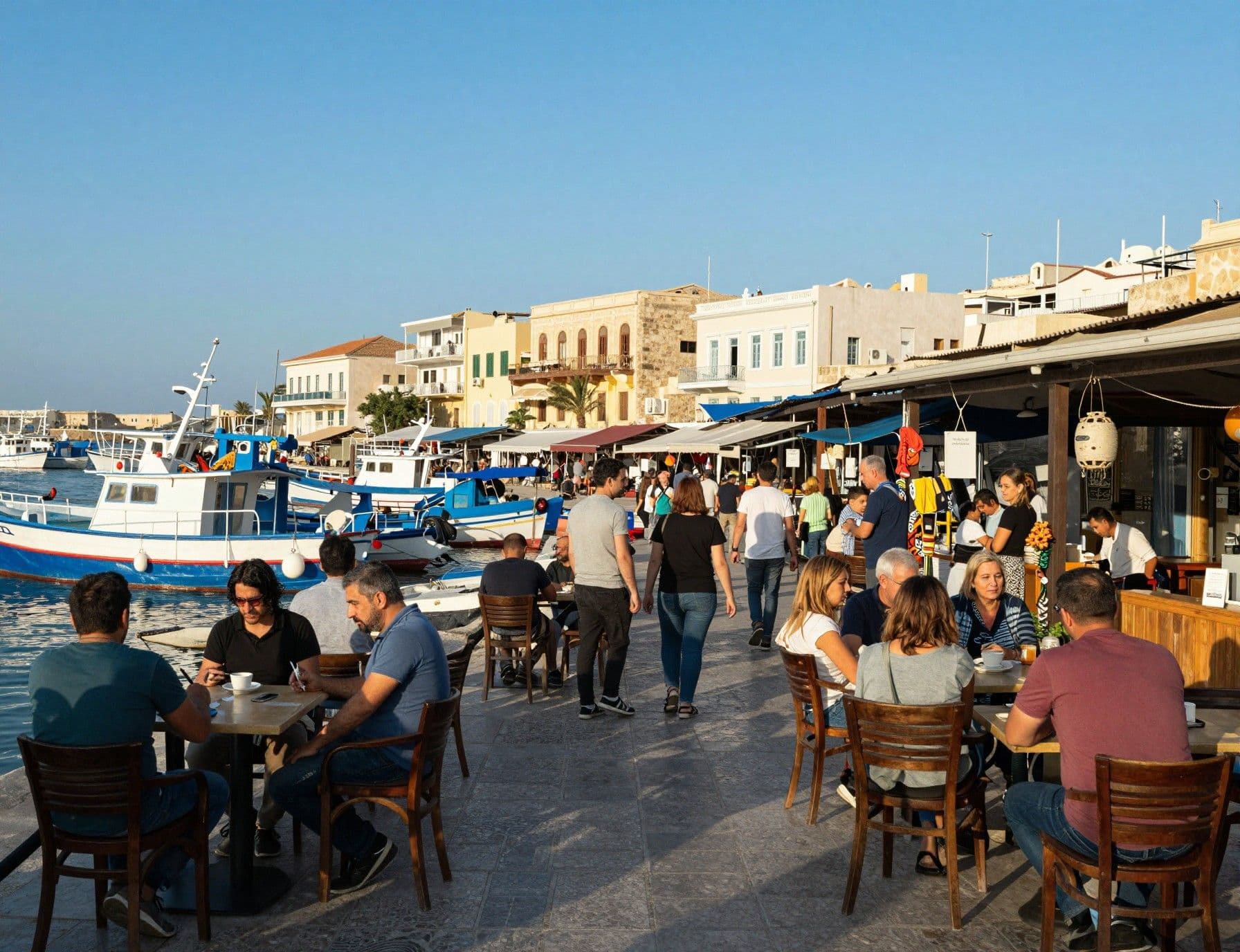
Cyprus feels like a string of approachable neighbourhoods rather than one homogenous destination: Limassol hums with waterfront cafés and corporate expatriates, Paphos trades tourist bustle for quieter historic streets, Larnaca offers a compact city life with a long seafront promenade, and the Troodos foothills deliver slow‑paced village routines. Daily life is outdoors: morning markets (laiki) for halloumi and citrus, seaside meze at midday, and late strolls through old-town lanes. Those rhythms matter for property choice because tenant demand, vacancy rates and seasonal rental patterns follow the local social calendar — not just headline tourist arrivals.
Limassol old port, Neapolis and Molos: compact luxury meets worker demand
In Limassol’s Molos and Old Port you’ll find short-stay demand, international restaurants and new high-spec apartments aimed at corporate tenants. Prices per square metre here are among the highest on the island, buoyed by proximity to international schools and business hubs; that translates to lower gross yields but stronger capital‑value resilience. For investors targeting steady rental income, look for smaller apartments near transport links whose rental price elasticity outperforms prime sea‑view units in downturns.
Paphos, Larnaca & mountain villages: tradeoffs between yield and lifestyle
Paphos and Larnaca often offer better gross yields than Limassol because average purchase prices are lower while tourist and local rental demand remains steady. Mountain villages around Troodos appeal to buyers after a quieter life and lower prices per square metre, but seasonal rental demand and service costs (heating, road maintenance) change net returns. Lifestyle preference and yield appetite must be reconciled: if you want year‑round tenants, favour city or coastal locations; if you want a weekend retreat with occasional income, village properties can be financially sensible but operationally heavier.
- Limassol old port cafés, Paphos harbour restaurants, Larnaca Finikoudes promenade, Troodos village tavernas, Nicosia neighbourhood coffee shops, Ayia Napa evening scene
Making the move: practical considerations where regulation rewrites returns

The lifestyle appeal is only half the story; recent regulatory changes alter the math behind a purchase. Central Bank data show continued price growth in 2024–2025, but simultaneous legal changes — notably revisions to the Immovable Property Acquisition law and tightened criteria for non‑EU buyers introduced in 2025 — change who can buy what and how holdings must be structured. For buyers, that means financing, legal structuring and exit scenarios now must be modelled against updated ownership limits and permit conditions.
What changed: headline regulatory shifts that matter to buyers
Recent reforms limit acquisition of multiple apartments by non‑EU nationals, tighten rules on corporate vehicles used to buy land, and prohibit purchase of agricultural/forest land by third‑country buyers in many cases. Immigration-linked residency routes were also clarified in 2023–2024, changing the ’soft’ premium international buyers previously paid for residency access. These rules compress some previously attractive yield arbitrages — for example, the ability to buy multiple units on one plot or use layered corporate ownership to improve tax outcomes is now more restricted.
- Practical steps to protect returns under the new rules
1) Verify buyer status and permitted acquisitions before negotiations (obtain ministry pre-clearance when dealing with non‑EU nationals). 2) Insist on full title opinion and chain-of-title searches to avoid the contested-north risk that has led to litigation. 3) Re-run yield models including any new permit fees, transfer restrictions and likely capex for compliance. 4) Use Cyprus‑licensed legal counsel to advise on corporate ownership limits and stamp duty timing. 5) Stress-test exit scenarios where resale to non‑EU buyers may be more constrained.
Insider knowledge: what expats wish they'd known before buying
Expats often speak of three surprises: local bureaucracy timing, the difference between tourist-season and year‑round rental demand, and legal pitfalls around properties in the divided north. Buyers who purchased without rigorous title checks have faced court proceedings and long delays. Practical local knowledge — which streets in Paphos attract long-term tenants, which Limassol complexes are landlord-friendly, which Larnaca blocks offer commuter convenience — is the difference between owning a home and owning a cash‑flow asset.
Cultural and operational realities that affect returns
Language is not a barrier — English is widely used in business and legal contexts — but local administrative customs and seasonal contractor availability impact renovation timelines and costs. Festivals like Kataklysmos and Easter shift short‑term rental demand and local labour availability; plan renovations for late autumn or early spring to avoid price spikes. Property management quality varies sharply — a local manager who understands tenant onboarding and municipal permitting will materially reduce vacancy and maintenance surprises.
- Local red flags to watch
• Properties advertised in the north without clear Republic of Cyprus title documentation. • Deals structured through opaque offshore companies without Cyprus legal presence. • Sellers promising residency as part of the sale without formal Ministry approvals. • Listings that omit municipal tax or utility arrears — these transfer to the buyer. • Units on single plots where legislation now limits multiple non‑EU acquisitions.
- 1) Get a clear title opinion and Ministry permit confirmation. 2) Model net yields including revised permit fees and potential restrictions on resale. 3) Choose local agents with proven investor clients and a track record of handling cross‑border transactions. 4) Arrange for accredited property management before completion. 5) Keep 6–12 months of operating cash to cover seasonal vacancy and unexpected levies.
Longer term, Cyprus remains attractive: steady tourism, improving infrastructure and consistent price growth in recent Central Bank data support capital preservation narratives. But regulatory tightening in 2024–2025 narrows some arbitrage opportunities and increases compliance costs for non‑EU buyers. Treat purchases as investments first: prioritise legal certainty, transparent ownership, and realistic yield projections over postcard charm.
Where lifestyle meets the lawyer’s checklist
If you dream of morning markets in Nicosia and beach dinners in Limassol, pair that picture with a legal checklist: confirm buyer permit eligibility, insist on full municipal searches, and add a clause for transfer of utilities and clear common costs. Work with a local law firm and an English‑speaking accountant who can quantify tax implications and model net yields after all fees — only then will the dream produce predictable cash flow.
Conclusion: Cyprus can be both a life‑changing place and a disciplined investment — provided you start with the right questions. Taste the halloumi, walk the promenades, but run the numbers against the new regulatory reality, confirm title certainty and plan exits before you sign. When lifestyle and legal certainty align, Cyprus offers a durable addition to a diversified international property portfolio.
The YieldistBritish expat who moved to the Algarve in 2014. Specializes in portfolio-focused analysis, yields, and tax planning for UK buyers investing abroad.
Related Articles
More insights that might interest you

 Villa Curated
 The Yieldist
 MoveSettleGo

