
Why Hunting French Homes in Autumn Protects Returns
Why autumn house‑hunting in France reduces seasonal risk and protects net yield—use 12‑month cashflows, syndic checks and STR compliance to stress‑test returns.
 The Yieldist
Imagine walking from a sunlit boulangerie on rue des Martyrs to a quiet courtyard apartment where the calendar is set by markets, not meetings; that dual rhythm — slow mornings, efficient services — is what makes France feel like a place to live, not just invest. Yet beneath the croissant-and-coffee charm lies a market shaped by strong seasonality, short-term rentals and sharply local micro-markets. Understanding how those forces amplify risk — and when they relent — is how international buyers protect yield.
Living the French Life: textured, local, seasonal
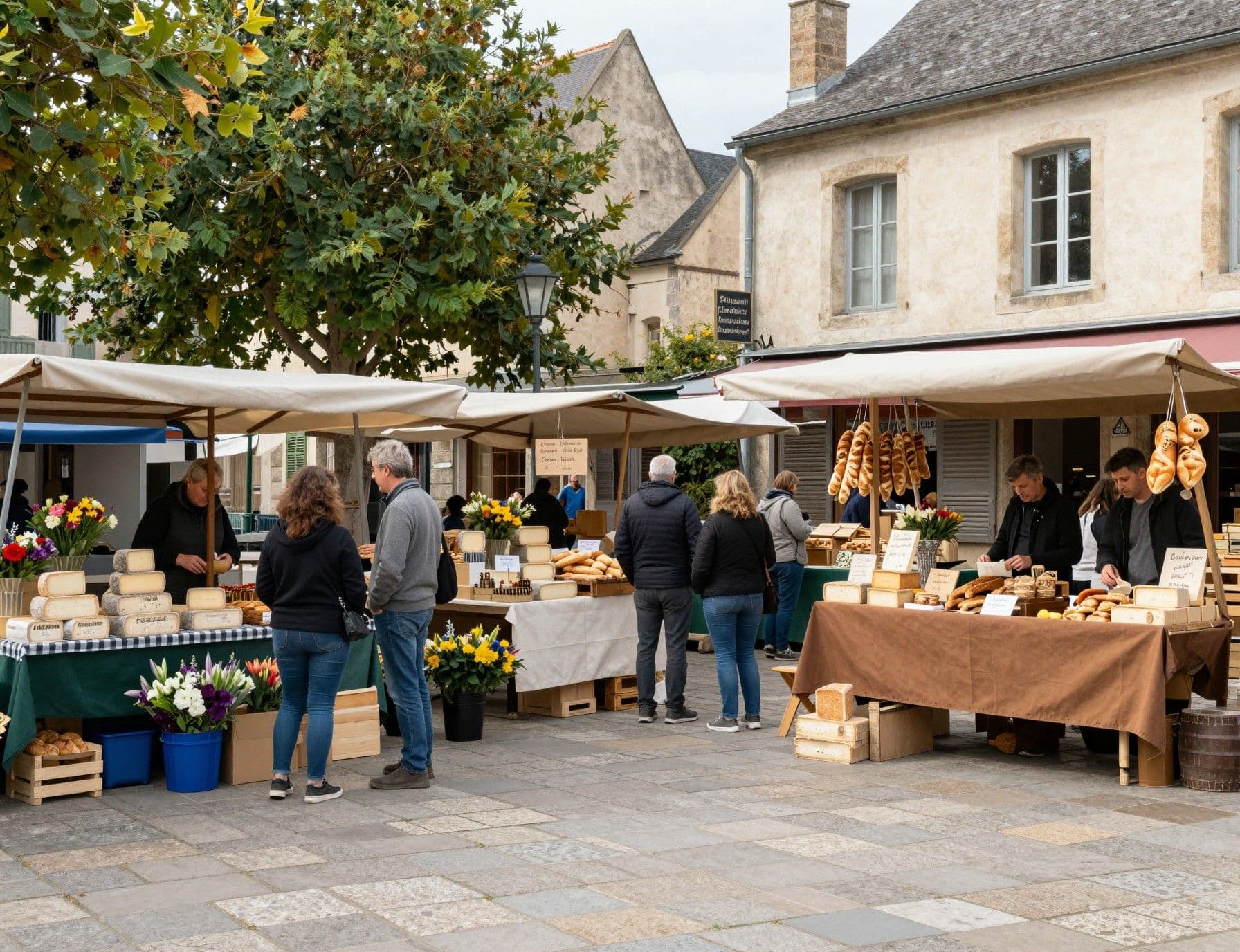
France is both village and global city. In Paris you hear scooters and late-night bistros; in Provence morning markets spill citrus and thyme onto pavés. Seasonality is baked into daily life — beach towns empty in autumn, ski resorts swell in winter. These rhythms matter for investors because occupancy, rental rates and transaction volumes shift with the calendar, not just with long-term fundamentals. Recent national data show modest price recovery after multi-quarter softness, but patterns vary sharply by region and season (see INSEE).
Neighborhood spotlight: Le Marais, Lyon’s Croix-Rousse, Biarritz’s Anglet edge
Le Marais pulses with galleries and short-let demand; Croix-Rousse trades quieter residential streets for strong local rentals to students and creatives; Biarritz’s Anglet offers surf-adjacent housing with steadier year-round occupancy than the flashier seafront. Those contrasts turn macro trends into micro outcomes: a national price uptick can mean Paris plateaus while a Toulouse district grows 5–8% year-on-year in response to local employment gains.
Food, markets and weekdays that shape property desirability
Saturday markets, corner cafés and midweek neighbourhood life are the daily amenities that tenants — locals and long‑stay internationals — pay for. Properties within a three-minute walk of a covered market or a well-rated patisserie consistently command higher net rents and lower vacancy. That premium is less visible on national indices but shows up in local advertised yields.
Making the move: risk factors that erode returns

If lifestyle draws you in, risk analysis keeps you solvent. Key threats to yield in France: concentrated short‑term rental competition in core tourist spots, pronounced summer occupancy spikes that hide off-season vacancy, and localized regulatory pushes against STRs in major cities. National press and industry reports document both price heterogeneity and rising STR supply — both of which amplify downside if you buy the postcard rather than the micro-market.
Property types and how they mediate risk
A compact Paris studio offers headline yields on paper but higher management and compliance costs; a three‑bed in Nantes may give steadier long‑let cashflow with lower landlord churn. Stone-built village houses need renovation budgets and energy upgrades that alter net yield calculations. Understand typical tenant profiles (students, corporate assignees, retirees) for each property type and price the cost of managing seasonality into your expected net yield.
How local experts reduce sensitivity to shocks
Local agents and property managers translate lifestyle appeal into reliable metrics: seasonal occupancy curves, historic short‑let vs long‑let splits, and renovation cost benchmarks. They also flag impending regulatory moves — municipal restrictions on tourist lets or energy‑efficiency codes — which materially reprice returns. Engage advisers who can produce 12‑month cashflow models and scenario stress‑tests, not just glossy brochures.
Insider knowledge: contrarian timing and sensitivity tactics
Conventional wisdom says spring and summer are best for viewings; the counter-intuitive play is to hunt in autumn. Off-season viewings filter out tourism noise, reveal year-round neighbour behaviour and often expose maintenance issues masked by summer turnover. From a sensitivity perspective, buying when transaction volumes cool reduces competition and gives leverage on price and contingency terms — evidence from recent quarterly cycles shows softer volumes correlate with better buyer negotiation outcomes.
Practical steps: season-aware due diligence
1. Request a 12‑month occupancy and rent ledger from the seller or manager; compare summer peaks with winter lows. 2. Commission a thermal audit and obtain recent syndic (co‑ownership) minutes for Parisian apartments. 3. Stress‑test net yield under a 15–25% off-season occupancy drop and rising energy costs. 4. Check local STR registration rules and historic enforcement actions with the mairie (city hall).
Red flags that should stop you cold
1) Missing multi‑month occupancy records; 2) Syndic disputes or surprise levy proposals; 3) Large proportion of short‑let listings without proof of legal registration; 4) Recent, unexplained price jumps in the immediate micro‑market.
What expats wish they'd known — soft realities that move returns
Expats often romanticise location and underprice recurring frictions: slower bureaucracy, language gaps on contracts, and seasonal tenant turnover. Those frictions increase transaction costs and vacancy risk. Agents who proactively translate local tenant expectations — how lease terms are negotiated, what document sets are standard — will materially reduce legal and operating sensitivity.
Cultural nuances that affect tenancy and maintenance
In many French buildings, co‑ownership rules dictate renovation timetables and cost shares; skipping syndic engagement is a common mistake. Similarly, local expectations around heating, insulation and window closures affect tenant behaviour and energy bills — and therefore net yield. Factor cultural norms into operating expenditure forecasts.
France offers a lifestyle you can fall for and a market that rewards local, season‑aware analysis. Start with off‑season viewings, demand full 12‑month operating histories, and stress‑test yields for seasonal shocks and regulatory moves. Work with advisers who deliver scenario models and local market intelligence — then let the boulangerie keep the charm while your numbers keep the investment disciplined.
The YieldistDutch investment strategist who built a practice assisting 200+ Dutch clients find Spanish assets, with emphasis on cap rates and due diligence.
Related Articles
More insights that might interest you

 Villa Curated
 The Yieldist
 The Yieldist


