
Greece: Seasonality, Regulation and the Yield Truths
Greece’s high-season glamour hides predictable yield patterns: islands offer peak short‑term returns, Athens delivers steadier long‑term cashflow — regulation and seasonality are the real variables.
 The Yieldist
Imagine waking to the smell of espresso and salt air, then walking a cobbled lane to a sunlit kafeneio where pensioners argue politics and remote workers tap keyboards — that tension between island leisure and urban grit is Greece’s daily rhythm, and it shapes where rents perform and yields emerge.
Living the Greece lifestyle — why it matters to investors
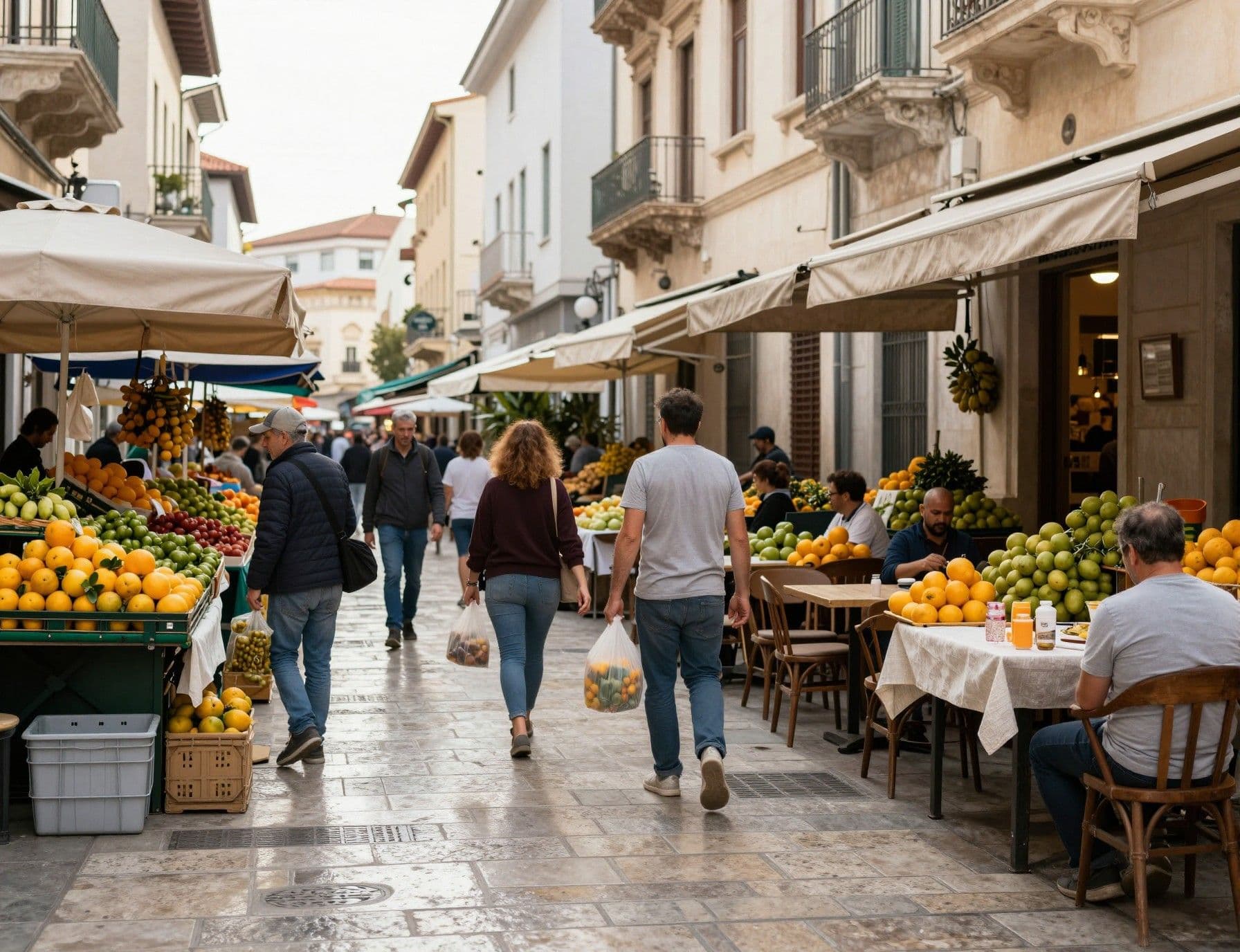
Greece’s lifestyle is also an economic engine: tourist arrivals and year-round leisure demand lift island incomes and create seasonal rental spikes, while Athens’ cafe-lined neighborhoods sustain steady long-term tenancy. Recent Bank of Greece reports show visitor volumes and tourism receipts underpinning short-term rental demand across key islands and city quarters.
Athenian neighborhoods: urban pulse and rental resilience
Streets like Koukaki, Pangrati and Exarchia combine walkable daily life with strong rental fundamentals: proximity to universities and offices keeps long-term occupancy high, while short-term listings (now subject to tighter registration rules) provided outsized summer income in prior seasons. For investors this produces lower vacancy risk but rising regulatory attention in core districts.
Islands: seasonal highs, concentrated cashflows
The Cyclades and South Aegean deliver peak summer yields — small footfall changes shift occupancy dramatically. Think Mykonos and Santorini where gross short-term yields historically hit higher levels but carry concentrated seasonality and rising local restrictions that can compress future returns.
- Lifestyle highlights that drive demand:
- Koukaki’s street coffee culture and short walk to the Acropolis — steady student and tourist flow
- Plaka & Anafiotika’s historic lanes — premium nightly rates but strict preservation rules
- Mykonos harbourside terraces — summer occupancy peaks and luxury short-let premiums
Making the move: practical, place-aware considerations

Lifestyle sells the dream; micro-market fundamentals determine returns. Athens price growth and island rent peaks both matter, but so do regulation, seasonality and maintenance realities. Use recent macro data to set realistic yield expectations before falling for postcard premium.
Property types and how they map to incomes
Studio and one-bedroom flats in central Athens target long-term tenants and short-stay tourists interchangeably, typically producing mid-single-digit gross yields. Larger villas on islands can deliver double-digit gross yields at peak season but suffer off-season vacancy; factor net yield adjustments for property management and tax.
Working with agencies who understand lifestyle-driven returns
Choose agencies that combine local marketing reach with operational capacity (property managers, accountants, legal partners). They translate a lifestyle brief — “terrace for morning coffee, walk-to-market” — into an investment brief that models occupancy, seasonal ADR (average daily rate), and realistic net yield.
- Action steps blending lifestyle and practical checks:
- 1. Model seasonal occupancy for island properties (use past 3–5 years’ data).
- 2. Require registered short-term rental AMA number or confirm eligibility under new rules before purchase.
- 3. Build a 20–30% off-season revenue buffer into net yield calculations for tourist markets.
Insider knowledge: regulation, culture and the long view
Policy changes — recent freezes on new short-term registrations in parts of Athens and tightened rules for holiday lets — materially change the supply side of short-term rentals. That can protect long-term rental stock but also lower future short-let capacity, altering yield math for island and central-city buys.
Cultural nuances that affect tenancy and maintenance
Greek tenancy expectations include durability over styling: tenants expect cooling systems, balconies for drying clothes, and proximity to markets. Buildings on islands may have seasonal utility idiosyncrasies (water pressure, waste collection rhythms) that increase operational costs and should be inspected before purchase.
What expats wish they’d known
Many buyers overestimate year-round demand. Owners who priced with only peak-season figures faced cold winter bookings. Savvy expats build a mixed-use strategy: combine long-term leases (off-season security) with curated short-term marketing (summer upside) and clear contingency for regulatory change.
- Red flags to watch for before you sign:
- Unregistered short-let units (no AMA) — regulatory risk and potential fines
- Properties lacking winter-proofing (insulation, heating) that erode off-season occupancy
Long-term outlook: demand, affordability and yields
Housing supply constraints in preferred islands and historic Athens quarters, combined with sustained tourism volumes, support steady price growth — but yields depend on how you structure occupancy and account for regulation. Use BoG and OECD projections to stress-test cashflow scenarios across 3–7 year horizons.
- Checklist before you buy in Greece:
- 1. Verify AMA registration or eligibility for short-term lets and check local municipality freezes.
- 2. Obtain 12–24 months of occupancy and ADR data from the listing history or local manager.
- 3. Build renovation and seasonal operating costs into net yield (aim for a minimum 3–4% net target after costs).
Conclusion: Greece sells a lifestyle that supports real returns — but returns are conditional. Match a clear lifestyle brief to a disciplined financial model, insist on verified occupancy data, and work with a local agency that models seasonal risk and regulatory change. Do that, and the sun, sea and espresso become predictable cashflow, not just a postcard.
The YieldistDutch investment strategist who built a practice assisting 200+ Dutch clients find Spanish assets, with emphasis on cap rates and due diligence.
Related Articles
More insights that might interest you
 Villa Curated
 MoveSettleGo
 Moss & Hearth
