
France: Legal Essentials for Living the Life
Fall in love with France’s life‑rhythms, then buy with clarity: practical legal essentials, recent tax changes and seasonal stewardship for international buyers.
 Villa Curated
Imagine the low hum of a boulangerie oven at dawn, the measured clack of shutters in an ancien quartier, and a weekend market bright with heirloom tomatoes and local cheeses. This is France lived slowly but fully: provincial lanes where neighbours exchange recipes, coastal promenades where coffee is sipped in deliberate silence, and Parisian arrondissements where history is a layer beneath everyday life. For an international buyer the romance is immediate; the legal and financial terrain that follows need not be daunting if understood with care. This guide blends sensory detail with clear, research-backed legal requirements to help you arrive prepared and confident.
Living the French Life: a practical opening scene
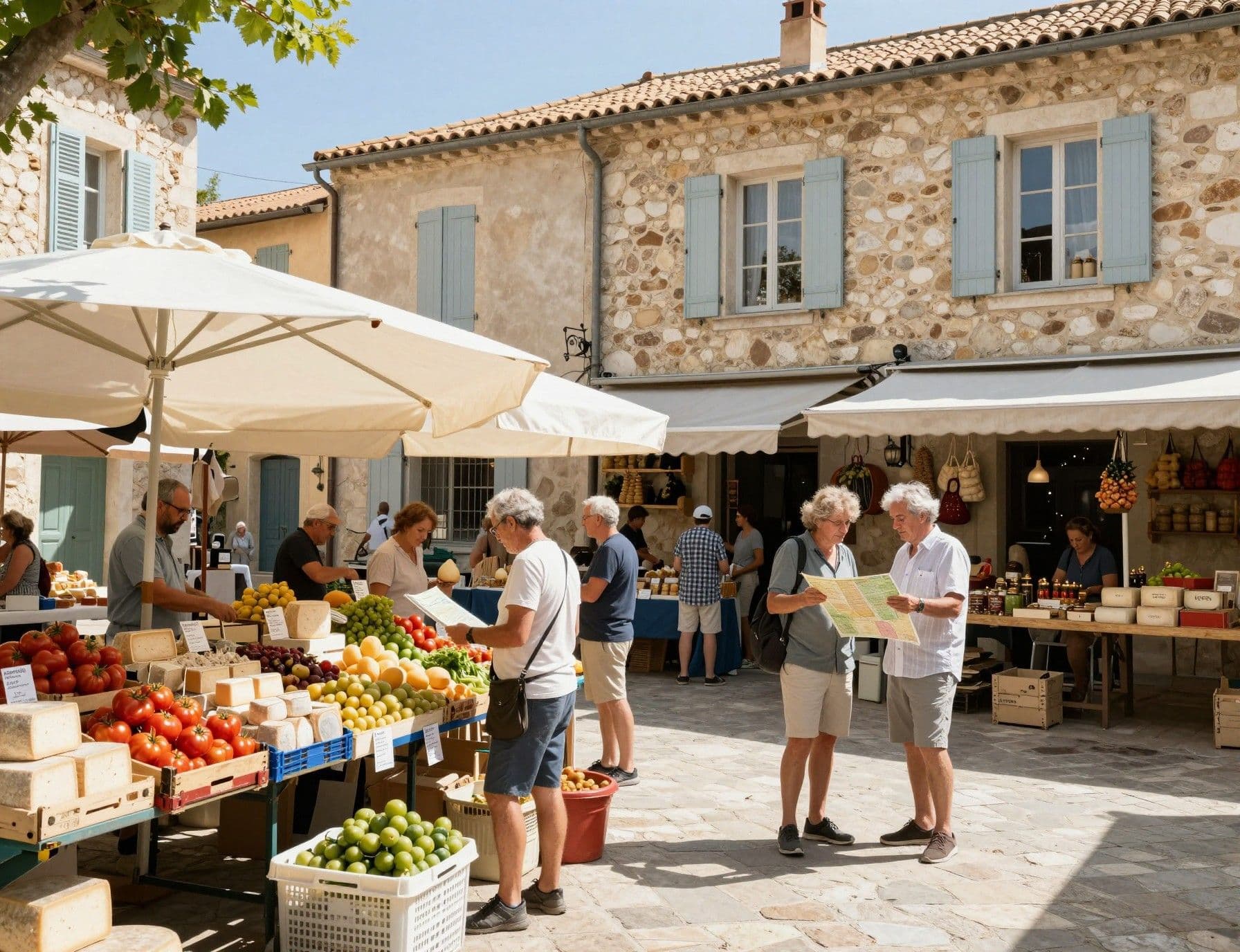
Walk a morning in Lyon’s Croix‑Rousse and you feel the city’s silk‑weaving past in shuttered façades and iron balconies; spend an afternoon on the Côte d’Azur and light changes the stone of villas to honey. These contrasts matter for buyers: lifestyle choices influence not only which street you choose but also the type of legal structure, taxation profile and restoration responsibilities that follow. Knowing where you want to live—arrondissement, village or coastal commune—shortens the path from dreaming to owning. The practical steps that follow are easiest when rooted in a clear picture of daily life.
Neighborhood notes: Paris, Provence, Riviera, and the Loire
Paris offers urban provenance: Haussmannian apartments with high moulded ceilings, discreet concierge services and immediate cultural life. Provence trades proximity to markets and olive groves for stone mas with thick walls and summer‑long light; the maintenance and heritage rules here often differ from coastal communes. The Riviera—Antibes to Menton—means an outdoor life with strict coastal planning rules and heightened demand from international buyers. The Loire and Loire‑Valley châteaux present opportunities for stewardship and larger restoration projects, with corresponding permits and heritage oversight.
Lifestyle features that shape legal choices
Do you choose a terraced apartment for a Parisian rhythm or a country mas with a vineyard plot and outbuildings? Each choice brings specific legal questions: copropriété rules and syndic obligations in apartments, rural building rights and servitudes for country homes, and coastline protections for seaside properties. Seasonal use versus year‑round residency alters tax positions, eligibility for certain transfer tax reliefs and practical considerations such as utility set‑up and insurance. Match the life you want with the appropriate legal vehicle from the outset.
Making the move: legal essentials that respect the lifestyle
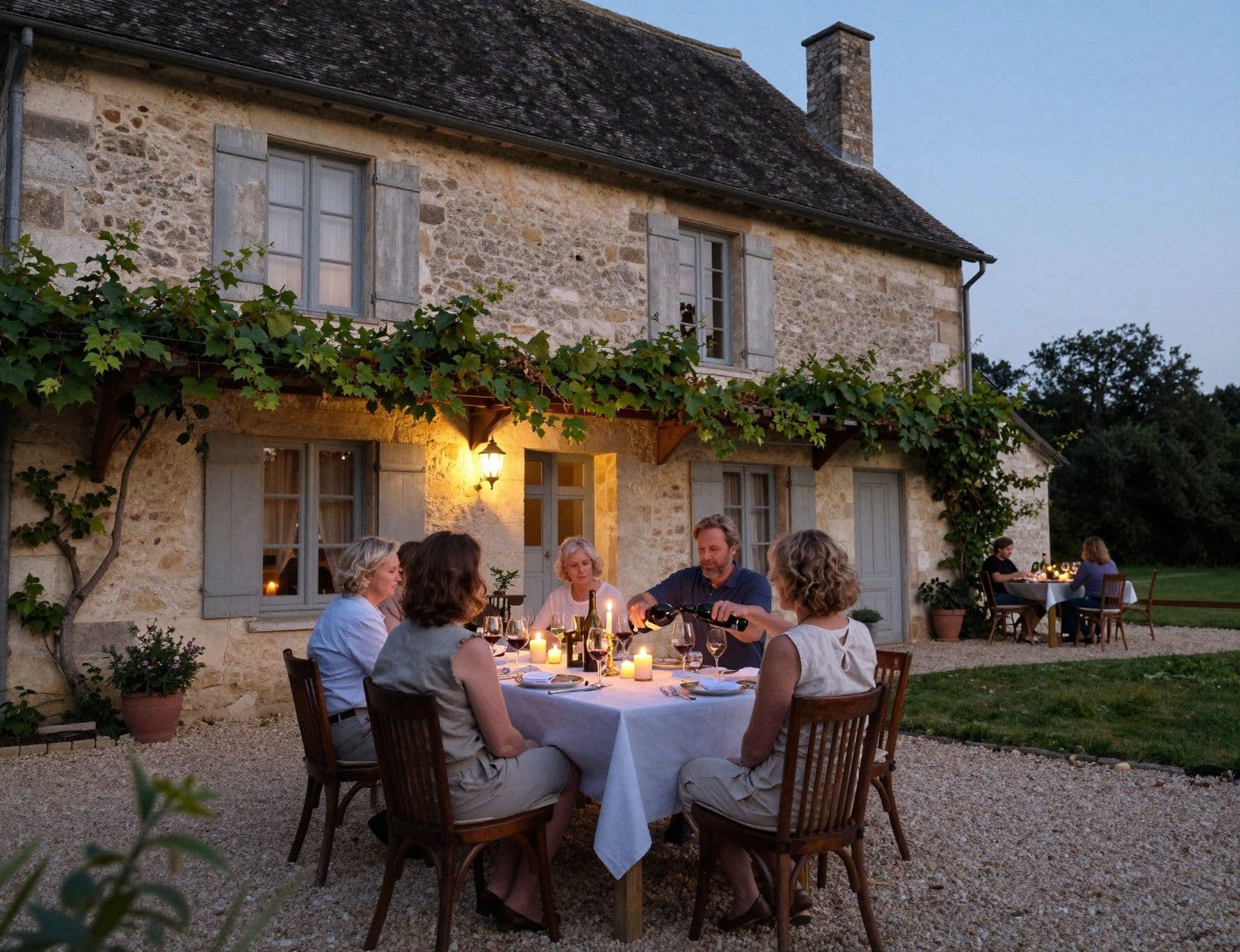
France imposes no blanket restriction on foreigners buying property: non‑residents buy with the same access to titles as residents, and the notaire (notary) plays the central role in guaranteeing title and transferring ownership. The notaire’s duties include conducting searches, ensuring a clear title, and lodging the acte authentique; their office is also the point where state transfer taxes are collected. For international buyers, a notaire experienced with cross‑border transactions is indispensable; they translate local encumbrances, servitudes and customary obligations into a language you can act on. The practical rhythm of purchase is as much about paperwork choreography as it is about place.
Transfer taxes and frais de notaire — what changed recently
From April 1, 2025 many departments were authorised to increase the DMTO (droits de mutation) portion of notaire fees by up to 0.5 percentage points, which raises the total fees paid on existing property purchases. The phrase frais de notaire remains misleading for many buyers because approximately 80% of the amount pays taxes and duties rather than the notary’s regulated fee. Practically, expect acquisition costs on older properties to commonly sit around 7–8% of the purchase price, and lower on new build where rates are typically nearer 2–3%. Confirm the current departmental rate for the commune you are buying in early in negotiations.
- Steps your local team will take (practical, sequential)
1. Preliminary offer and compromis: your agent prepares a written offer; if accepted, a compromis de vente sets conditions including deposit and suspensive clauses. 2. Notary searches and diagnostics: the notaire orders title checks, town‑planning documents and energy diagnostics; these protect you and flag future obligations. 3. Mortgage and funds: if financing, a French lender issues an offer; the notaire will coordinate payment and the formal signature (acte authentique). 4. Final signing and registration: the acte is signed before the notaire, funds are transferred and the deed is registered with the service de publicité foncière. Use online calculators to model frais de notaire early in the process to avoid surprises.
Insider knowledge: practical cautions expats often learn too late
Some buy for romance and discover maintenance, taxes and local rules demand stewardship. Recent market signals show price stabilisation and, in some cities, renewed upward movement; this influences both when to buy and the likely holding costs. Seasonal illusions are common: a summer visit to a coastal town shows fullness and charm, while winters reveal quieter services and different maintenance needs. Engage local owners, restaurateurs and council contacts to understand a place across seasons before committing.
Cultural and administrative realities worth knowing
French bureaucracy rewards patience and precision: documents must be authenticated, and timelines are often measured in weeks not days. Learning a handful of legal terms—copropriété, servitude, bornage, cadastre—helps when reading the compromis or discussing works with a notaire. Social customs also affect daily life; small acts of courtesy with neighbours and a willingness to join local associations ease integration. For older properties, expect limits on structural changes in listed zones and the potential need for architect approval in protected sectors.
Red flags and questions to ask before you sign
- • Is the seller the registered owner and are there any mortgages or attachments? • Has a recent diagnostic (DPE) been completed and what are the results? • Are there servitudes or right‑of‑way affecting access or development? • Which departmental DMTO rate applies and how will that alter acquisition costs? • What are monthly copropriété charges and have any special travaux been voted? • Are there planning restrictions (PLU/monuments historiques) that constrain renovation?
From dreaming to stewardship: long‑term points of view
Owning in France is often a long conversation rather than a short transaction: it includes maintenance plans, heritage sensitivity and the pleasure of belonging to a place. Consider whether you buy as an investment with rental management, as a seasonal pied‑à‑terre, or as a future principal residence—each choice implies different tax filings, local governance involvement and insurance needs. Working with an agency that understands architectural provenance, seasonal rhythms and local legal practice preserves both the soul of the home and its market value. Stewardship ensures that the house remains an asset and a place of life.
Six practical next steps to begin with confidence
- 1. Visit across seasons to test services and atmosphere. 2. Engage a bilingual notaire familiar with non‑resident purchases to run searches early. 3. Request detailed copro or cadastral documents before exchange. 4. Model acquisition costs including the current departmental DMTO rate and likely renovation budgets. 5. Arrange conditional mortgage offers if financing; allow time for French underwriting. 6. Build a local advisory team: architect, conservateur for heritage properties, and a trusted property manager.
Parisian mornings, Provençal markets and Riviera light are reasons to buy; the legal architecture that supports ownership is what keeps the dream intact. With clear local advice, patience for the process, and an eye for provenance, international buyers can acquire properties that reward both the senses and the balance sheet. If you would like, our team can introduce you to notaires and local experts who specialise in the neighbourhoods you love and translate these requirements into a precise acquisition plan.
Villa CuratedRelocating from London to Mallorca in 2014, I guide UK buyers through cross-border investment and tax considerations. I specialise in provenance, design integrity, and long-term value.
Related Articles
More insights that might interest you
 Villa Curated
 Villa Curated
 The Yieldist


