Bet on Everyday France: Offer & Close Where Locals Live
Fall for France’s daily rhythms — then convert that feeling into smart offers: off-season checks, DPEs, and negotiation trades that win keys without overpaying.
 MoveSettleGo
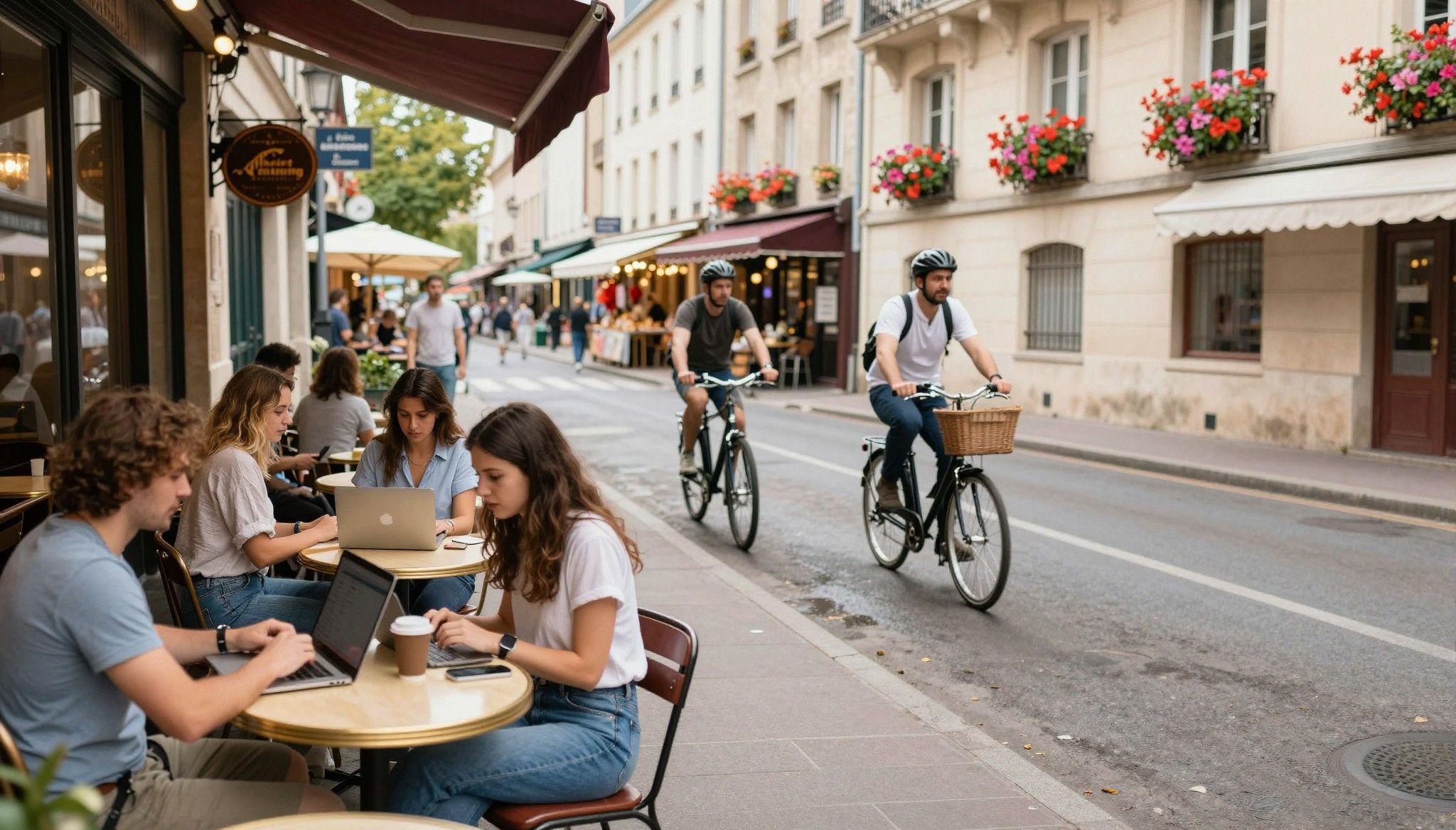
Imagine stepping out for a morning espresso on rue des Martyrs in Paris, or cycling past fig trees on a sun-warmed lane in Provence — and knowing the home you place your laptop in is both a daily joy and a sound purchase. In France that tension — between irresistible lifestyle and careful paperwork — is what makes the offer and closing stage strangely romantic and surprisingly tactical. This guide treats both halves: the smells, streets and social rhythms that make you fall in love, and the concrete offer tactics that help you actually get the keys.
Living the French Life: scenes that shape sensible offers
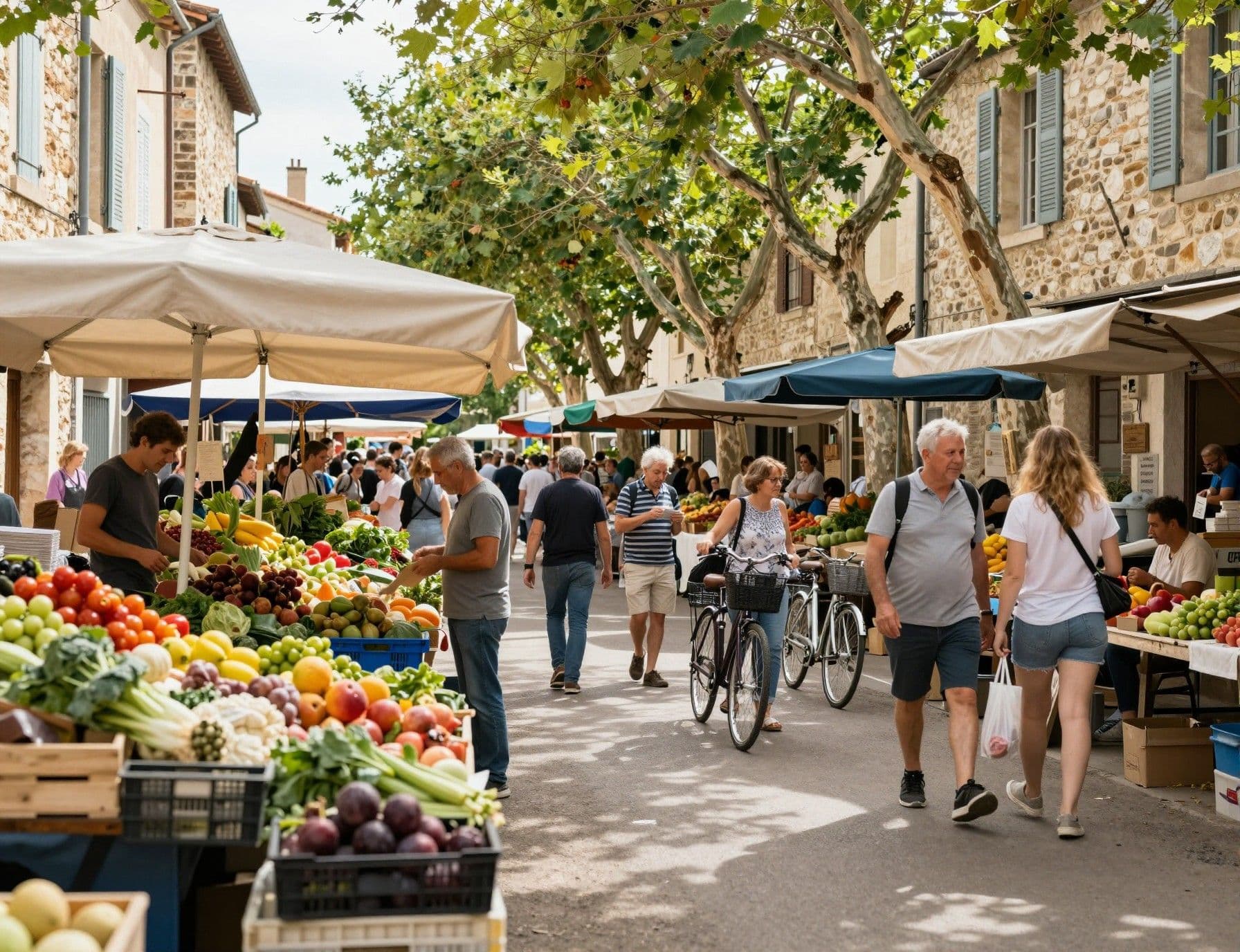
France is a mosaic: the slow-cafe mornings of Lyon’s Croix-Rousse, the market brass and scent of basil in Nice’s Cours Saleya, the rustle of plane trees in Bordeaux. Those rhythms change what buyers value. A compact apartment in Paris should prioritize quiet windows and coworking access. A stone farmhouse in Dordogne demands weather-proofing and insulation details. Let the life you want point the offer you make — not the glossy listing photo.
Neighbourhood spotlight: Paris 10th vs. Marseille Le Panier
Walk the 10th arrondissement at 8am and you’ll meet baristas, co-founders, and parents with scooters. It’s lively and great for remote work meetups — but noise and temporary lettings can affect resale and rental reliability. Cross to Marseille’s Le Panier and you find narrow streets, sea-salted air and artisans — glorious lifestyle, but watch structural reports and damp-proofing before you offer aggressively. Different life, different red flags.
Food, markets and seasonal life: why timing matters
House-hunting during a local fête or market week gives you a real feel for daily life — but it also masks longer-term issues like winter heating or summer humidity. For example, Riviera towns bloom in summer; visit in October to test year-round streets. Use festivals (truffle season, harvests) to assess neighbourhood energy, then base bids on off-season realities.
- Lifestyle highlights to look for in listings
- Neighbourhood cafés that double as coworking hubs (e.g., Le Comptoir Général, Paris 10th)
- Morning markets (Cours Saleya, Nice) — test weekly rhythms and produce access
- Local transport nodes and bike lanes — vital for daily mobility in Lyon and Nantes
- Energy performance (DPE) rating — affects rental legality and future renovation costs
Making the move: practical offer & closing tactics that fit French life

The French market is stabilising after recent fluctuations — INSEE and notaires data show modest price increases and a cautious recovery. That means well-priced, well-timed offers win. Below are offer strategies married to lifestyle thinking: defend your dream while avoiding emotional overbidding.
Property types and what to offer for each
Apartments in city cores: prioritize soundproofing and DPE. Offer close to asking if inspection shows recent works and a clean syndic. Country homes: telltale extra costs (roof, insulation, drainage) should lower your offer by a buffer — typically 8–12% unless pre-inspected. New-builds: fewer surprises but expect higher VAT and notaire fees integrated into pricing.
Working with local experts who know the life you want
Engage a notaire early and hire an independent diagnostics inspector (DPE, termites, lead, asbestos). Use a bilingual agent who truly understands seasonal rental nuances if you plan to let. Agencies that know where locals actually live will steer you away from tourist-heavy pockets that look great in July but are sleepy — and harder to resell — in January.
- Offer step-by-step: lifestyle-aware bidding (4 steps)
- Visit off-season to check real-life daily rhythm; take note of noise, shops and transport.
- Order full diagnostics before submitting a final offer; use findings to set a renovation buffer.
- Make an offer that includes a realistic financing timeline and a modest earnest deposit; sellers like certainty as much as price.
- Negotiate by trading contract terms (closing timeline, included fixtures) rather than continually raising price.
Insider knowledge: expat mistakes, seasonal traps and little-known rules
Expat buyers often love the parade of pretty things and skip the small print. In France, small print becomes big money: syndic charges, co-ownership minutes, and DPE obligations can be decisive. Also, summer visits and festival weeks create false confidence. Two concrete rules: always secure a binding timeline in the compromis de vente, and never ignore energy certificates — they influence both legality of rental and future resale value.
Cultural quirks that change how deals close
Sellers in France expect polite formality: a measured offer letter with clear financing proof goes further than aggressive haggling. Locals often accept a slightly lower price for a smoother, faster sale. Also, timing (les délais) matters — French sellers prefer predictable closing dates aligned with notaire availability, so line up your notaire and mortgage pre-approval to avoid losing a property.
Long-term lifestyle checks before signing
Think five years ahead: will the neighbourhood retain cafés and shops? Are upcoming regulations (energy performance/DPE) likely to force expensive retrofits? Check local council plans and recent sales to judge whether you’re buying a lasting lifestyle or a temporary postcard. If you plan to rent, verify short-term rental rules — many cities have tightened rules since 2024.
- Red flags to pause and investigate before your final offer
- Incomplete copropriété minutes or unresolved syndic disputes
- DPE rating of G (or pending restrictions) — affects rental and resale
- Evidence of recurring damp or settlement — common in older stone houses
- Ambiguous boundaries, shared access lanes, or unclear easements
Conclusion: live the life, close the deal with quiet confidence. Fall in love with the croissant shops and the coastline, but bring facts to the table. Use off-season visits to test the rhythm, order diagnostics to price risk, and work with local notaires and bilingual agents who value the life you want. When you pair sensory judgment with paperwork, your offer becomes both heartfelt and unshakeable — and you move in knowing you chose well.
MoveSettleGoDutch investment strategist guiding buyers to Greece and Spain; practical financing, tax, and portfolio diversification.
Related Articles
More insights that might interest you
 Villa Curated
 Villa Curated
 The Yieldist

