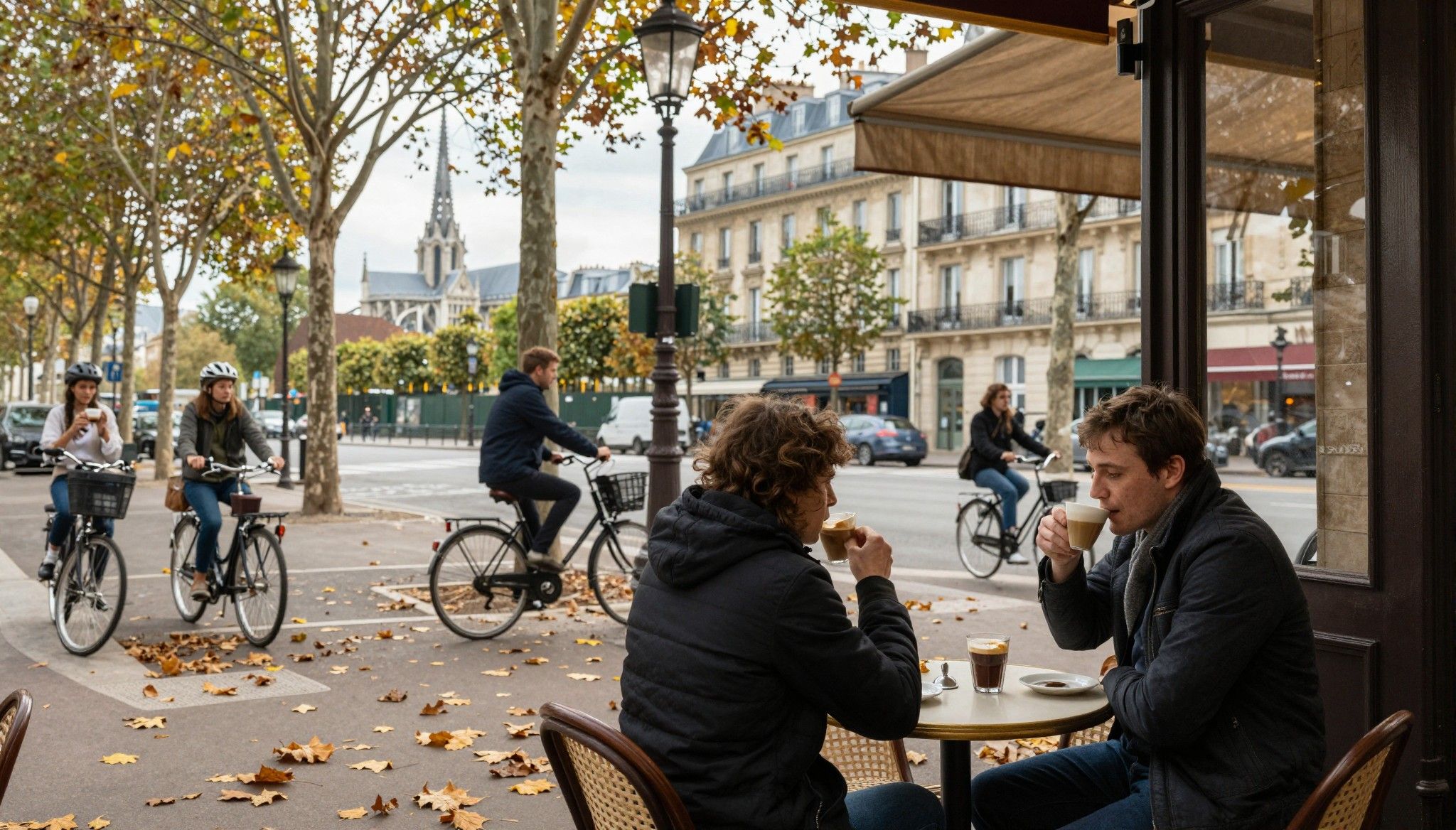
Close in Autumn: A Greener, Smarter Way to Buy in France
Why autumn closings in France give eco-minded buyers better negotiation leverage, clearer neighbourhood truth and a practical window for green retrofits.
 Moss & Hearth
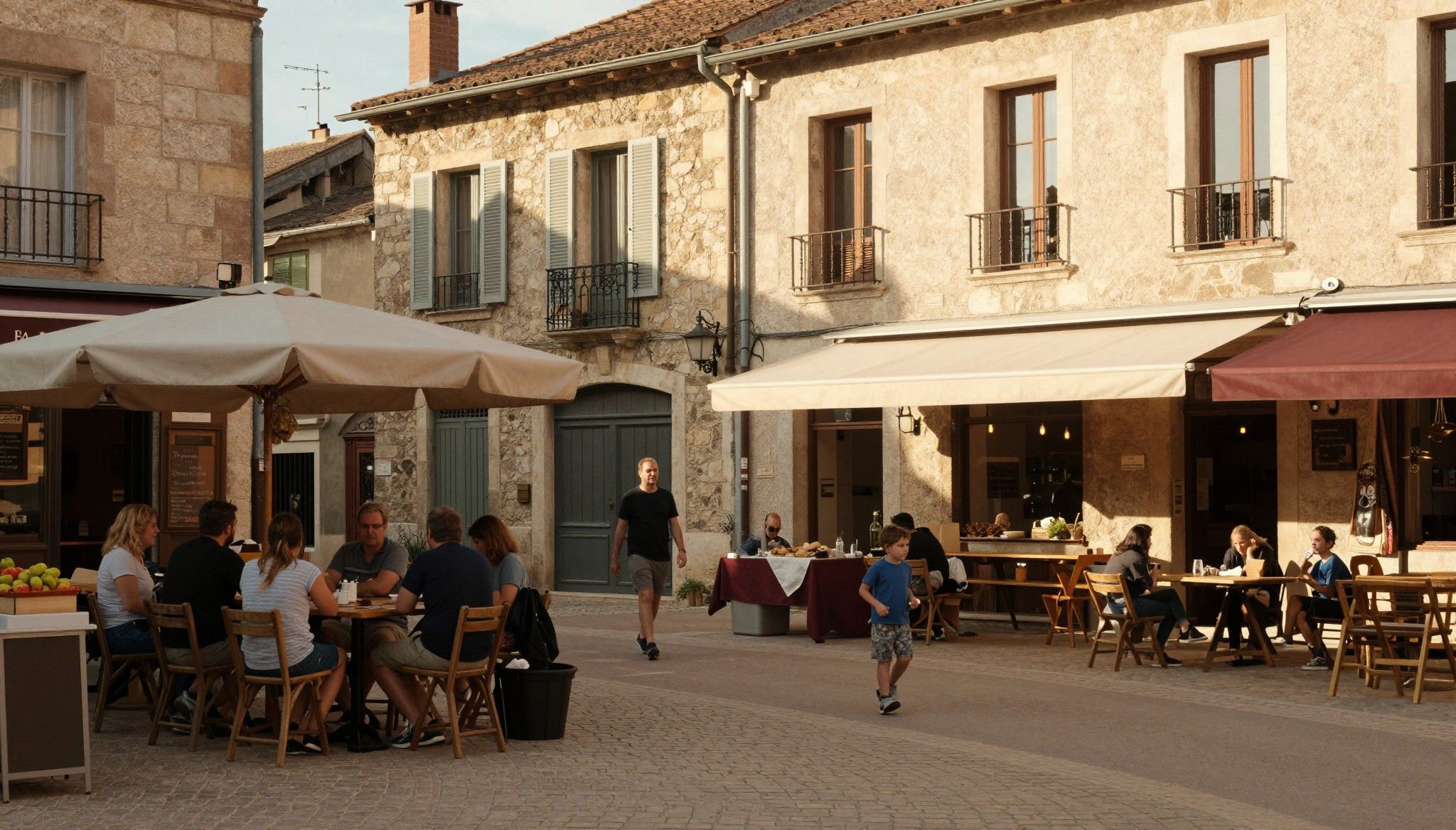
Imagine a cool October morning in Provence: market stalls steaming with chestnuts, a stone terrace still warm from yesterday’s sun, and the kind of quiet streets that let you hear church bells and the neighbour’s radio. This is the moment many buyers miss when they chase sun-soaked, tourists-filled showings in July. Recent Notaires analysis and INSEE data show France’s market stabilising after 2024–25 shifts — and for stewardship-minded buyers, closing in autumn often aligns better with sustainable living, negotiation leverage and realistic stewardship planning.
Living the French Rhythm
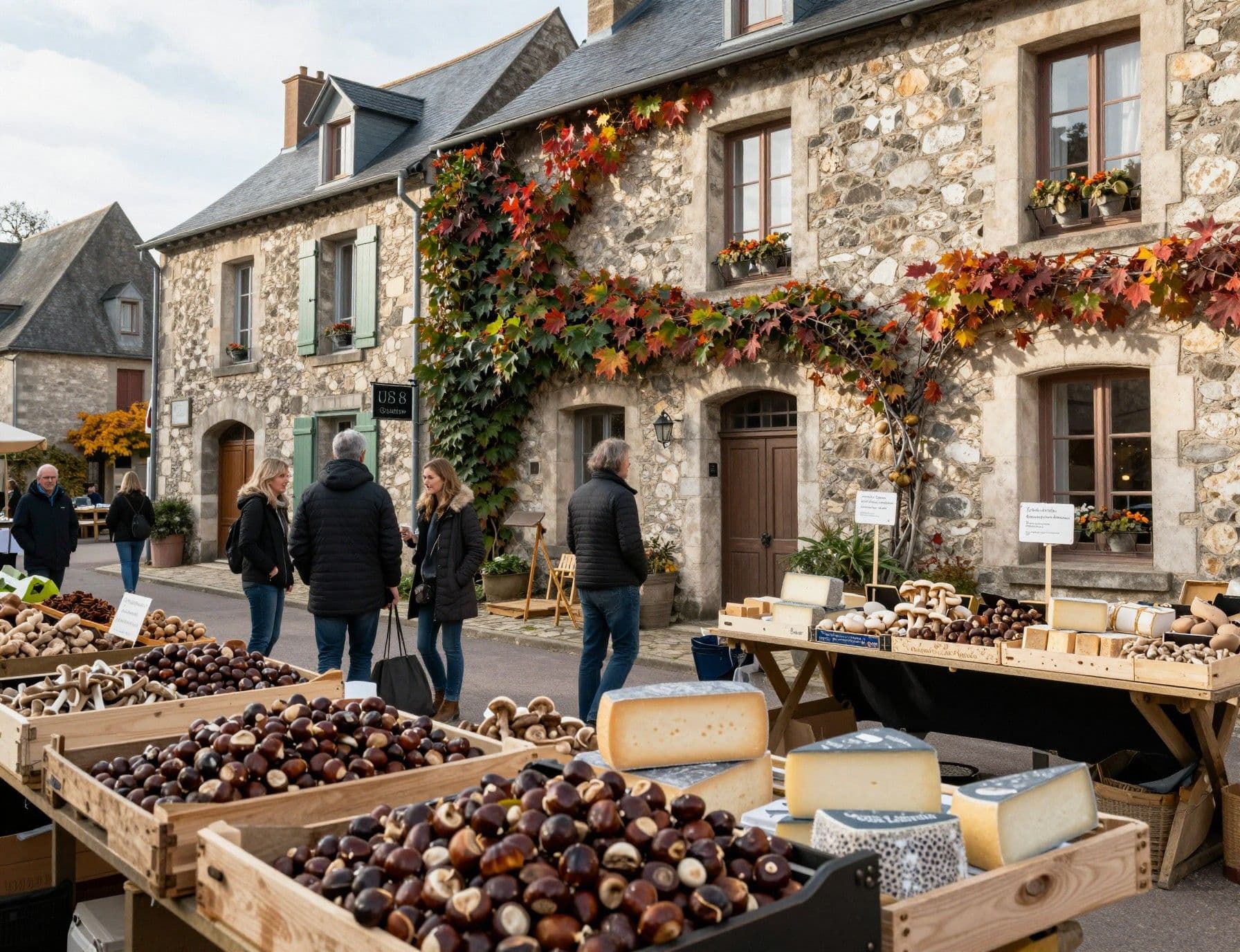
France is a mosaic of daily rhythms: espresso in narrow Parisian alleys, market bargaining in Toulouse, slow lunches in Dordogne villages, and surf-and-sardine life along the Atlantic coast. Each region writes its own season — and these seasonal moods shape not only how life feels but how houses are used, repaired and stewarded over time.
Neighbourhoods that sing in autumn
In Bordeaux’s Chartrons, leaf-strewn quays and empty galleries reveal local life; in Aix‑en‑Provence, olive harvests scent the air and local builders schedule work without summer delays. Even Paris changes — the Marais cools into a quieter rhythm, and small artisans reopen after August, giving you a clearer picture of everyday life beyond holiday façades.
Food, market life and the stewardship lens
Autumn markets let you test the local larder and imagine a home’s pantry life; they reveal whether a property can support seasonal cooking, composting, or a small kitchen garden. Look for morning markets on Rue Cler (Paris), Place du Marché (Arles) or Cours Saleya (Nice) to sense how a neighbourhood feeds itself year-round.
- Lifestyle highlights to scout in autumn: morning markets, local boulangeries’ weekday rhythms, community repair cafés, nearby chestnut and mushroom foraging spots, quieter coastal walks for winter-readiness, and municipal waste/compost facilities.
Making the Move: Practical Considerations
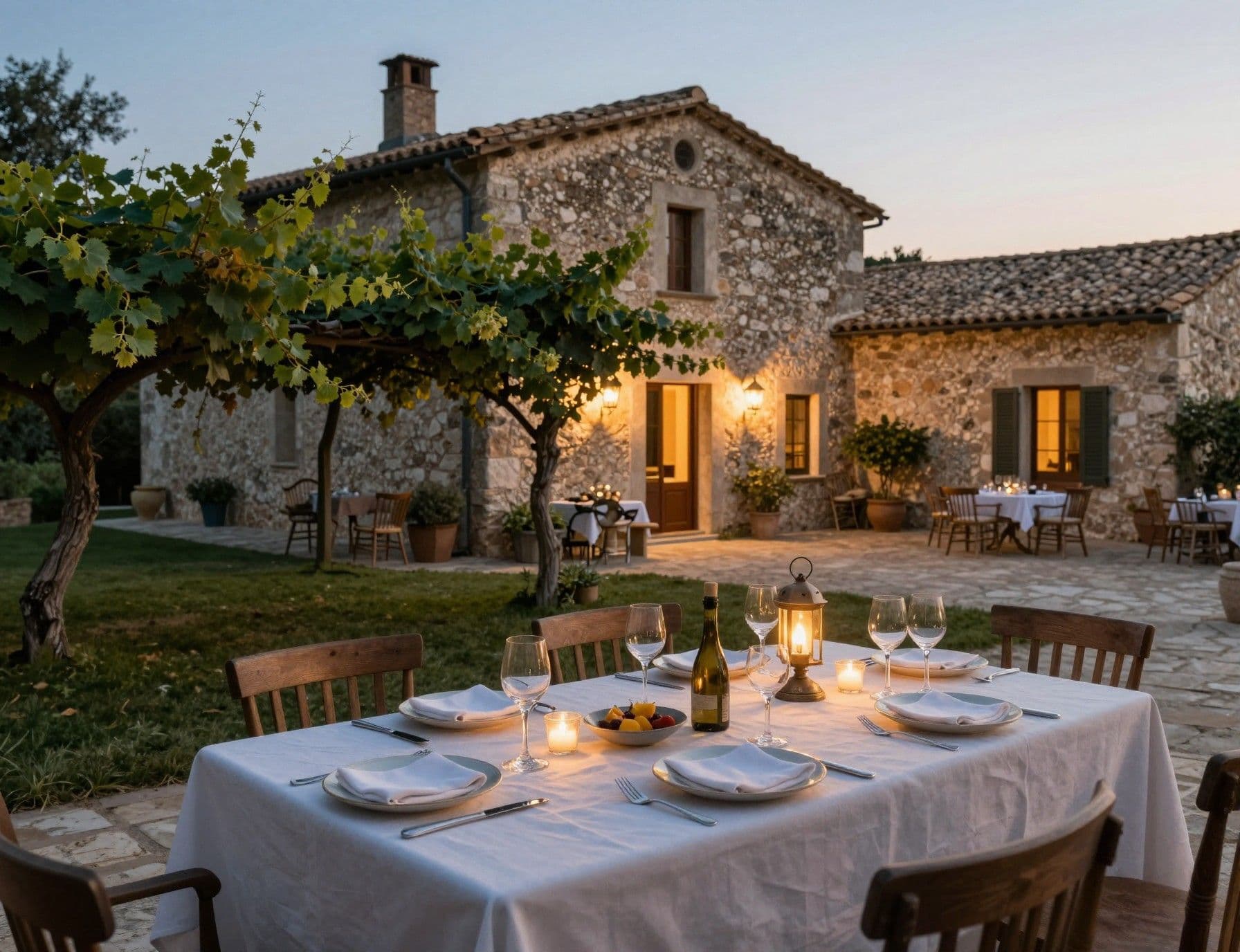
Dreams meet contracts at the notary’s desk. France’s transaction volumes and price patterns have been quietly normalising since late 2024 — the Notaires review describes a fragile recovery with higher activity in many regional markets. That matters for timing offers and negotiating repairs, especially if you care about sustainable retrofits (solar, insulation, rainwater capture) that need clear planning before closing.
Property styles and stewardship tradeoffs
Stone farmhouses in Dordogne offer thick walls and passive thermal mass but often need upgraded plumbing and insulation. Parisian apartments mean compact living and easier access to services, yet retrofitting solar is limited. The INSEE housing indexes show modest regional price recovery in 2025, giving buyers negotiating space to request green upgrades or price adjustments as part of closing discussions.
Working with local experts who know climate and craft
- Steps to close with stewardship in mind: 1. Commission an energy audit and structural inspection before final offers; use findings to negotiate scope and cost-sharing. 2. Ask the notaire to document any seller repairs, timelines and guarantees for eco-upgrades. 3. Secure a local project manager or builder familiar with regional materials (stone, lime mortar, chestnut timber). 4. Build contingency funds for seasonal issues (roofing before winter, insulation works to start in autumn). 5. Register with municipal utilities early to assess waste, composting and local renewable incentives.
Insider Knowledge: What Expats Wish They’d Known
Expat buyers often recall two surprises: the reality of off-season living (calm, local, cheaper maintenance slots) and the paperwork patience needed for renovations. Buying in autumn exposes you to real neighbourhood life, winter readiness issues, and contractors scheduling availability — all of which help you steward the property sensibly from day one.
Cultural notes that change how you live
French social rhythms value holidays and local festivals; August can be deceptive with many businesses closed, while autumn reveals true service levels. Learn the local rubbish-collection cadence, market days, and neighbourhood associations (associations de copropriété) — they will shape day-to-day stewardship.
Long-term living: stewardship beyond the sale
Think of a French home as a cultivated landscape: stone, hedgerows, beehives, vines, or an apartment courtyard. Closing in autumn gives you months to plan green retrofits so works can begin before the next summer — reducing inconvenience and often lowering costs by avoiding high-season builders’ premiums.
- Red flags to spot at viewing (season-sensitive): missing attic insulation, water-stained rafters, poor drainage visible after rain, lack of double glazing on north façades, and evidence of deferred garden maintenance that hides biodiversity potential.
Closing in autumn is as much an aesthetic choice as a smart one: you’ll see leaves, fires, and winter light — and you’ll be better informed about heating needs, insulation, and realistic garden plans. Use the quieter months to build relationships with neighbours, local artisans and your notaire so the first winter in your French home feels like stewardship, not scramble.
Final invitation
If you crave a life rooted in seasonal richness and long-term care, consider the calendar as your ally. Autumn closings in France often deliver clearer neighbourhood truth, negotiation room, and a sensible window for green upgrades. When you’re ready, choose an agent who knows orchards, not just price-per-square-metre.
Moss & HearthSwedish advisor who left Stockholm for the Costa Brava in 2019. Specializes in sustainable, sea‑view homes for Scandinavian buyers and green finance insights.
Related Articles
More insights that might interest you
 Villa Curated
 Villa Curated
 The Yieldist

