The French Season That Reprices Property Returns
France’s seasonal rhythms, transport links and new short‑let rules reprice where yields live; match lifestyle choices to tenant demand to protect returns.
 The Yieldist
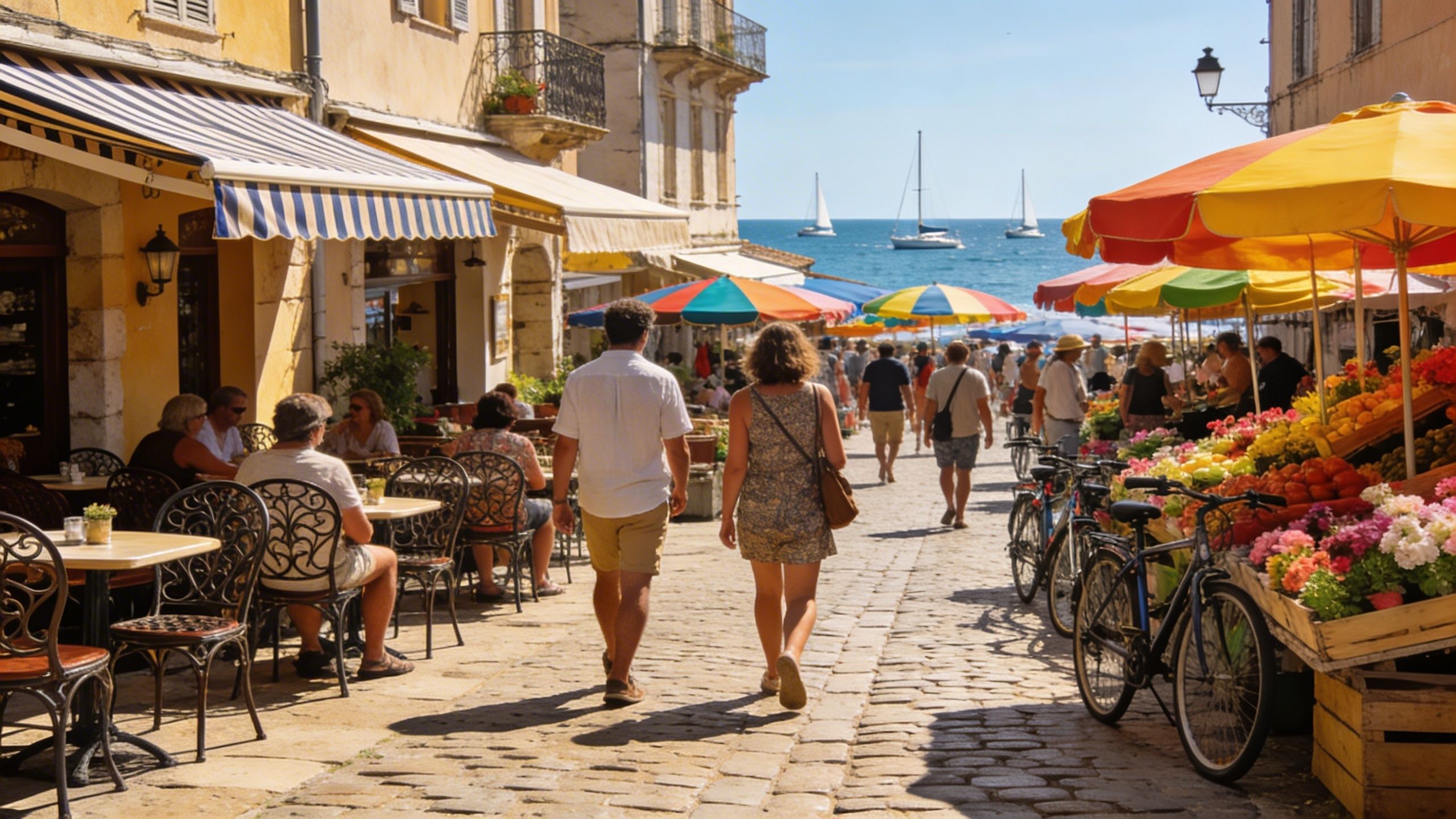
Imagine waking on a crisp morning in Lyon, picking up warm bread from a rue-side boulangerie, then stepping onto a TER train that drops you in a seaside market at Étaples by noon. France is less a single market than a choreography of seasons, transport links and local economies: Paris hums with corporate demand, the Riviera peaks on summer short-lets, while medium-sized regional cities see steady family rental cashflows. That seasonal rhythm—and recent policy shifts—actively reprice yield expectations across regions. Understanding these rhythms is the difference between a sentimental buy and an investment that actually hits your return targets.
Living the French rhythm: how place shapes daily life

France’s daily life is tactile: morning markets (marchés) set the day, cafés act as informal town halls, and weekly rhythms—market day, school pickup, aperitif hour—structure demand for housing differently than a 9–5 city. Coastal towns such as Nice or Biarritz swell with seasonal workers and tourists in summer, compressing short-let availability and pushing serviced-apartment returns; inland university towns like Grenoble and Montpellier generate stable student demand and predictable annual cashflows. For buyers, lifestyle must map to demand: seek properties where the lived reality of the street aligns with the tenant profile you target.
Paris & inner suburbs: density, corporate renters and price resilience
Paris remains the benchmark for headline price-per-square-metre metrics, with central arrondissements showing the highest scarcity premium and steady demand from corporate relocations and long-term renters. Notaires data shows Paris apartment prices stabilising after a multi-year adjustment, which matters because headline stability in the capital pulls buyer attention—and price distortion—away from more efficient regional yields. For investors, Paris can be a store of capital; for yield, the operational and legislative friction (see short‑let rules) often reduces net returns compared with regional alternatives.
Regional cities & towns: yield where connectivity meets affordability
Medium-sized cities—Lille, Nantes, Rennes, Dijon—combine lower price-per-m² and strong commuter or university demand, producing reliable rental occupancy and lower downside risk. INSEE reported a return to modest national price growth in early 2025, but with notable regional dispersion; this divergence creates pockets where gross yields and capital appreciation align. If you want rent every month rather than only in July and August, target places with year-round employment or education anchors rather than pure tourist towns.
Making the move: practical considerations that preserve lifestyle and returns

Once the lifestyle picture is clear, translate it into metrics: price per square metre, achievable rent, vacancy risk, and regulatory headwinds. Policy changes in 2024–2025 tightened tax and energy rules for short‑lets and furnished rentals, shifting operating assumptions for owners who relied on summer peaks. Treat local agency expertise as a hedge: agents who understand municipal short‑let registration, energy performance obligations and seasonal tenant pools save you both time and yield erosion.
Property types & how they map to tenants
Historic appartements haussmanniens appeal to long‑term corporate tenants but command high entry prices and renovation costs. Modern 2–3 bed apartments near universities or transport hubs suit family or student lets and often hit stronger net yields after lower acquisition costs. Renovation projects in smaller towns can unlock value, but factor in energy‑performance upgrades: new national rules link rental eligibility to EPC ratings and can materially affect net income.
Working with agencies that straddle lifestyle and compliance reduces execution risk: they source off‑market stock, advise on energy retrofits, and structure furnished vs unfurnished rent strategies. The law tightening micro‑BIC allowances and introducing mandatory energy-performance measures for tourist rentals changes after‑tax returns for casual short‑let owners and elevates the importance of professional property management. Always run net yield scenarios after tax, compliance costs and seasonal vacancy are modelled.
Lifestyle-driven checklist for choosing a French property:
- Proximity to a reliable train link (TER/TGV) — improves off‑season rental occupancy and capital appreciation.
- Local employment or education anchors — stabilise annual rental demand beyond tourism.
- Energy Performance Certificate (DPE) rating — determines future rental eligibility and retrofit costs.
- Municipal short‑let registration and local holiday‑rental rules — noncompliance risks heavy fines and forced conversion to long‑lets.
Insider knowledge: what expats wish they'd known before buying
Expats often assume language is the main barrier; the bigger misstep is misreading local rhythms. Neighbourhood markets, school term dates and local fêtes directly affect short‑term demand and the practical livability of a property. A villa that looks perfect in August can sit empty nine months of the year without local events or transport connectivity to sustain demand. Practical integration—finding a local mairie contact, a reliable notaire, and a bilingual property manager—makes the difference between a cherished holiday home and an underperforming asset.
Cultural integration and community cues
French communities value local rituals: market days, neighborhood fêtes and sports clubs; these create informal networks that sustain longer tenancies and good tenants. Learning basic French etiquette and attending local meetings speeds acceptance and reduces turnover risk for landlords. For investors, social capital converts into lower maintenance costs, better tenant screening via word‑of‑mouth, and improved local intelligence on changing demand.
Long‑term lifestyle: how places evolve and what to expect
Regions that look quiet today can be revalued by a new TER line, a university campus expansion, or regional job growth; conversely, overreliance on tourism exposes owners to abrupt regulatory changes. Recent 2024–25 data show regional dispersion in price movement—meaning selective regional purchases often outperform blanket capital allocations to Paris. Expect an active monitoring strategy: quarterly check‑ins on local employment, transport projects and municipal short‑let enforcement are part of a disciplined ownership plan.
Practical next steps for the investor who loves France:
- Define your target tenant profile (corporate, student, family, short‑let) and model gross and net yields under seasonal vacancy assumptions.
- Hire a local notaire and an agency with proven off‑market sourcing; require detailed past‑rent rolls and energy‑audit estimates.
- Stress‑test returns for policy scenarios: tighter short‑let rules, EPC upgrade timelines, and changes in micro‑BIC allowances.
- Allocate a contingency for retrofits (thermal insulation, double glazing) and confirm local subsidy eligibility to improve post‑tax yields.
France gives you a catalogue of lifestyles—riverfront village tranquillity, university vibrancy, or coastal bustle—but each comes with specific market mechanics. Start with the life you want to lead, then build a data-driven acquisition plan that translates sensory appeal into yield, compliance and resilience. A measured local partner turns the dream into a repeatable, discipline-based investment. If you love the boulangerie and the market, make sure your numbers love them too.
The YieldistDanish relocation specialist who moved to Cyprus in 2018, helping Nordic clients diversify with rental yields and residency considerations.
Related Articles
More insights that might interest you
 Villa Curated
 Villa Curated
 The Yieldist


