Where Locals Buy: Italy’s Undervalued Districts
Look beyond Italy’s postcard centres: choose neighbourhoods where daily rituals, market life and local services underpin both lifestyle and long‑term value.
 Villa Curated
Imagine stepping out at dawn onto Via dei Coronari in Rome, coffee steam rising as a bicycle courier threads the cobbled lane, the church bells folding into conversation. That quiet choreography — neighbourhood cafés, municipal markets, the ritual of aperitivo — is what many international buyers imagine when they think of Italy. But the work of finding the right quarter, one that offers both the lived experience and sound long‑term value, requires a different kind of intimacy: attention to streets, seasons and the tastes of locals rather than headlines.
Living the Italy lifestyle: rhythm before real estate
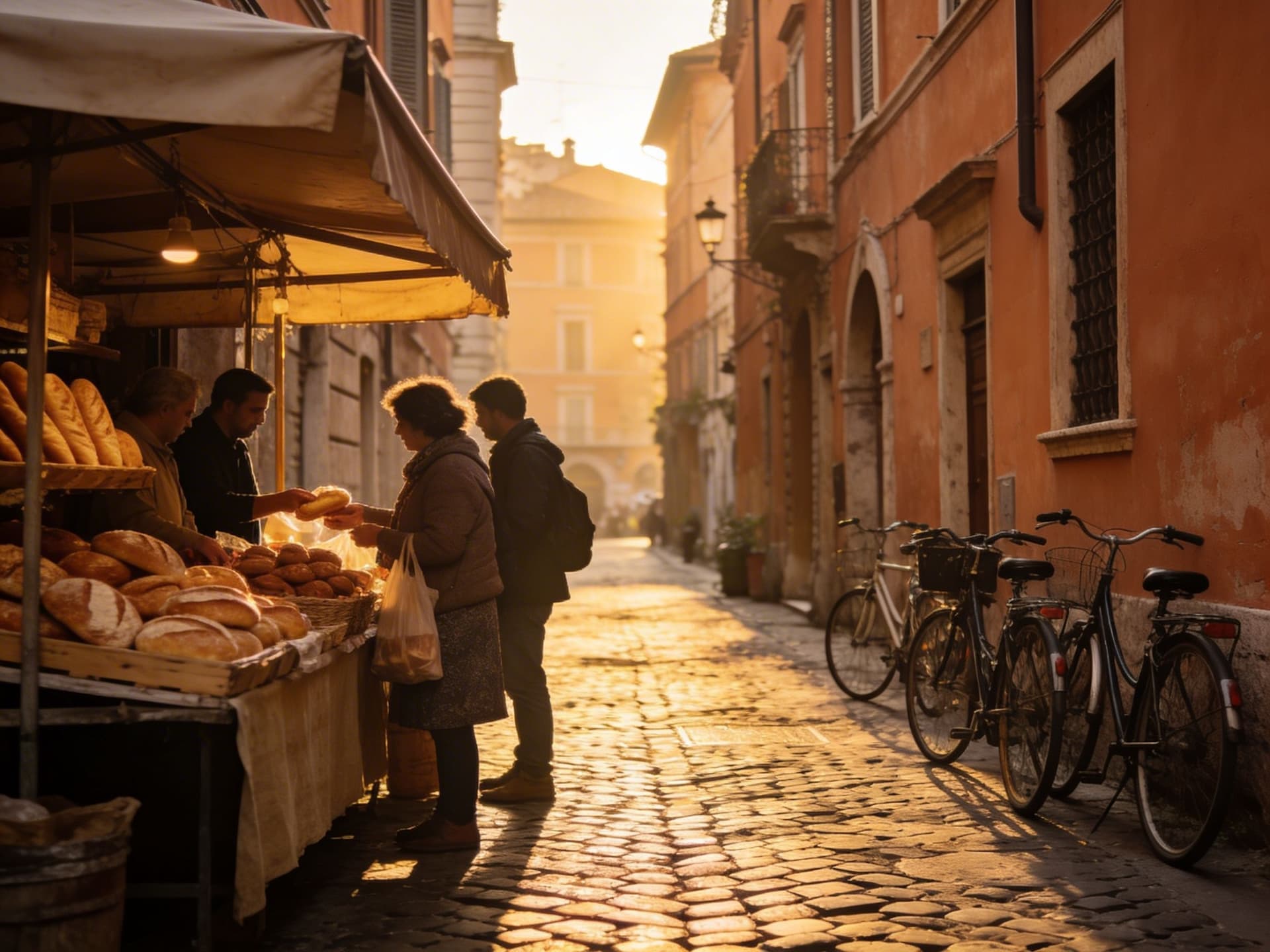
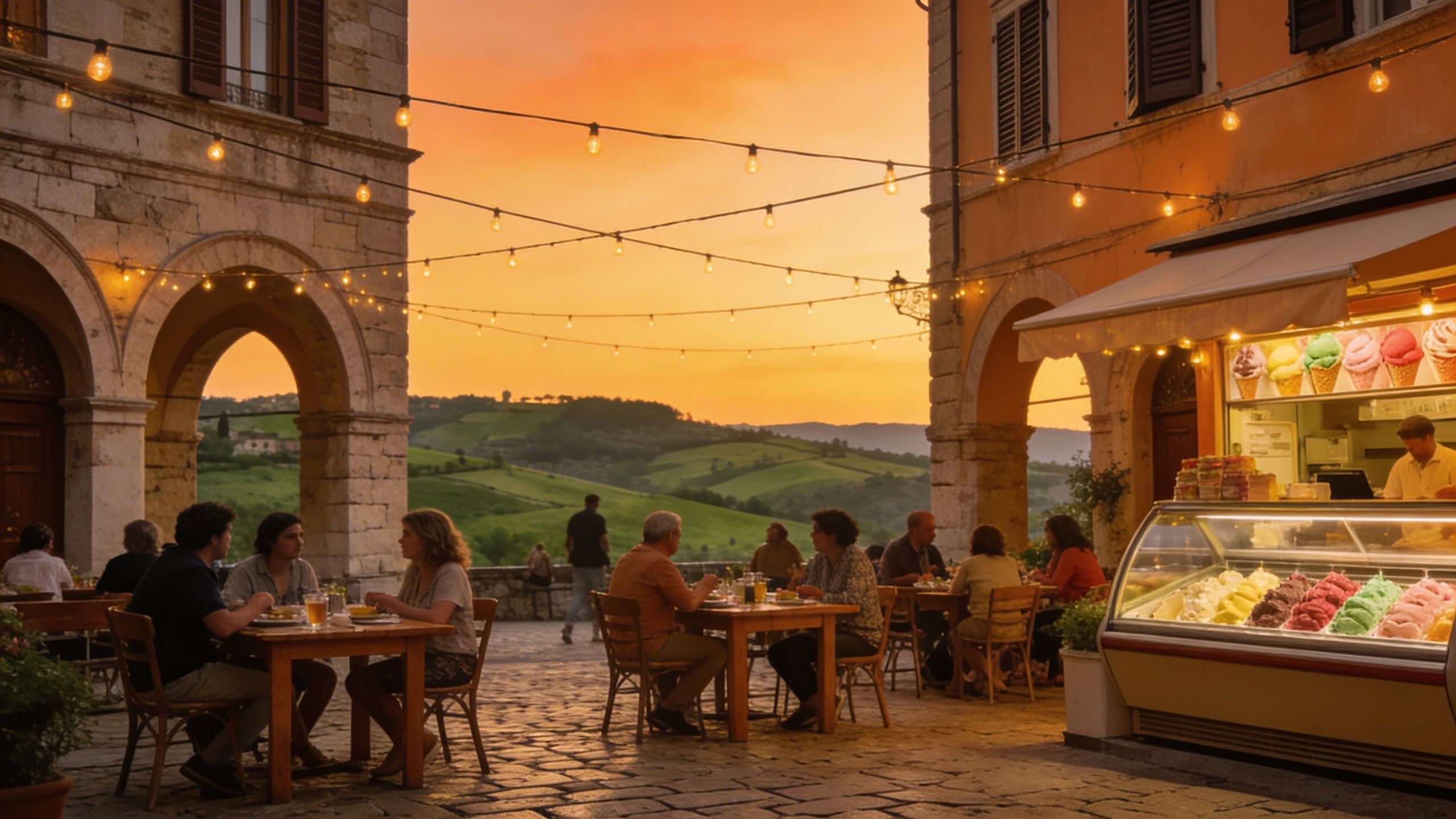
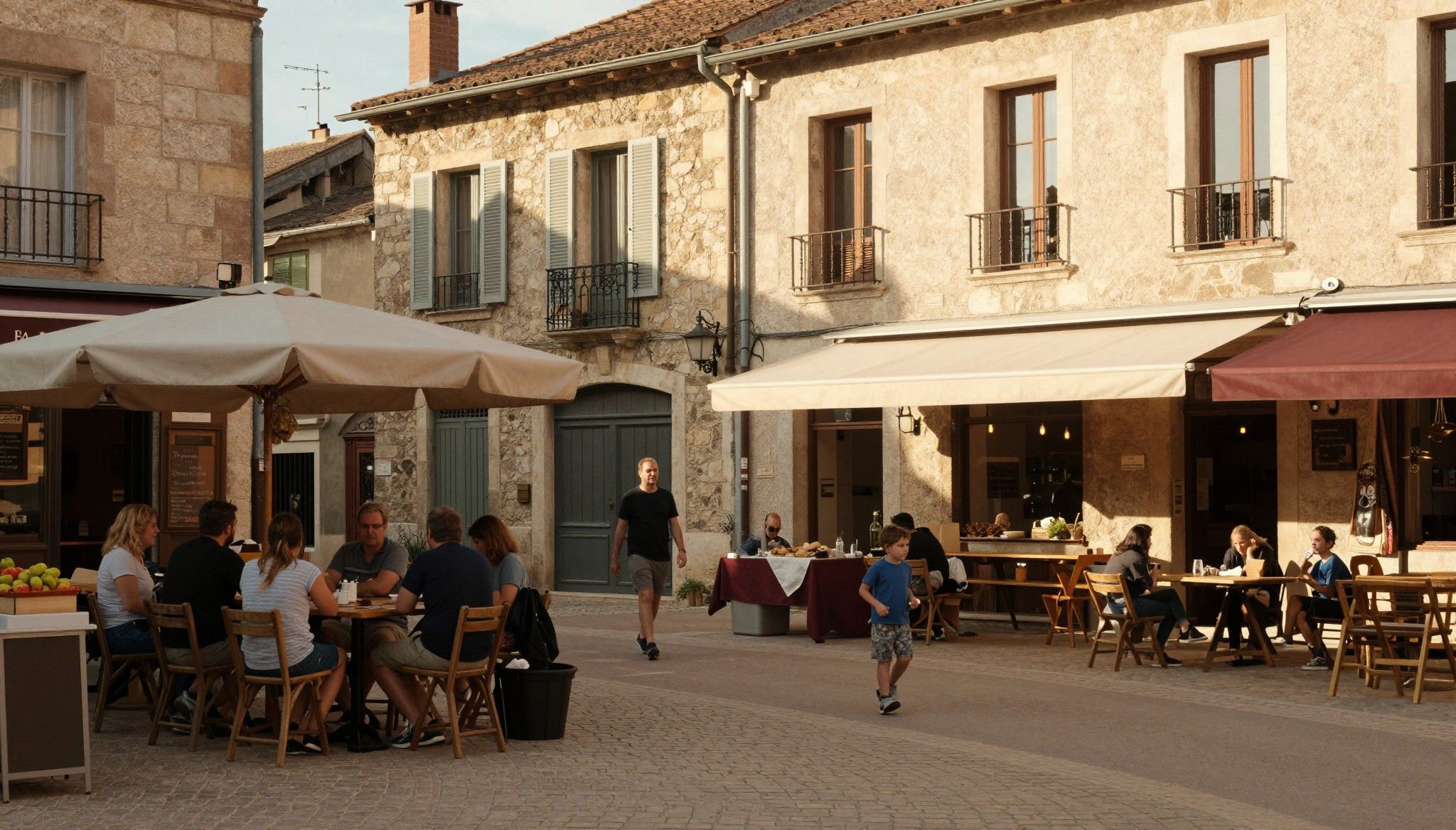
Life in Italy is arranged around small, repeatedly enjoyed rituals: a morning espresso at the bar, a midweek market visit, an evening passeggiata. These rituals shape which streets feel alive and which remain picturesque but empty. For a property buyer this means choosing a neighbourhood with daily life in its DNA — local bakeries that open at dawn, a gelateria that still sells pistachio by the cone, and a piazza where neighbours sit at the same bench year after year.
Rome: beyond Centro Storico — where locals quietly gather
Centro Storico has postcards; Trastevere has worn stone and a lived-in calm; Monteverde and Prati offer tree-lined residential streets where families linger. Walk Via dei Settebagni or the lanes around Piazza San Cosimato and you will see how ordinary life makes a neighbourhood resilient: corner shops that have lasted decades, small osterie with neighbourhood tables, and community festivals that stitch social capital into the fabric of place.
Tuscany & Umbria: farmsteads, hill towns and slow economies
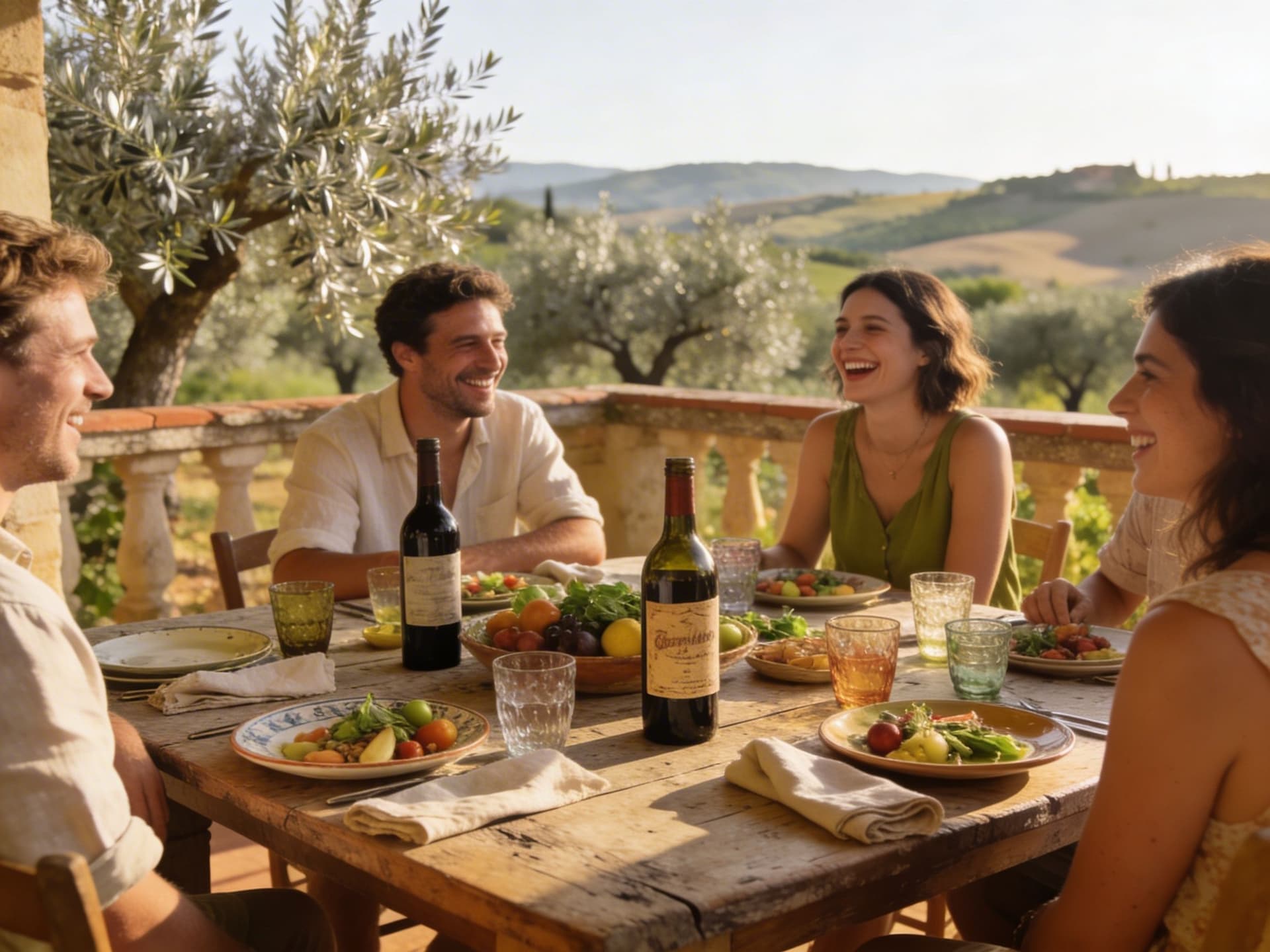
In central Italy, towns such as Lucca, Siena and Perugia balance heritage architecture with daily market life. International buyers often arrive seeking the cinematic Tuscan farmhouse, yet the best long‑term value can be found one village in from the tourist loop: restored casali that prioritise good light, stonework integrity and access to local markets and artisans, not just views.
- Lifestyle highlights to seek when you visit a neighbourhood
- A daily market stall that reappears year after year — evidence of local supply chains
- A neighbourhood bar with regulars who know one another — a measure of social cohesion
- Public green spaces maintained by the municipality rather than temporary landscaping
Making the move: practical considerations that preserve lifestyle
Romance meets paperwork. Recent national data show modest upward pressure on prices in many regions, while transaction volumes can lag, especially outside major cities. That means the apartment with the neighbourly café below and the correct sunlight exposure can also be the asset that retains tenant demand or resale appeal. Use market data to confirm impressions from walking a street: local price trajectories matter as much as charm.
Property types: how architecture shapes everyday life
A 17th‑century palazzo flat offers scale and volume — high ceilings and deep windows — but often comes with conservation constraints and higher running costs. A restored casale in Tuscany offers land and privacy but demands agricultural knowledge and seasonal upkeep. Newer conversions in former industrial quarters give bright plans and modern systems but sometimes lack the neighbourhood rituals that sustain daily life. Choose the property that supports the life you want to live, not the one that looks best in isolation.
Working with local experts who curate lifestyle outcomes
An agent who knows a neighbourhood’s daily pattern — when the market opens, which streets are quiet after 8pm, the quality of local services — is an indispensable ally. Look for advisors who show you exact streets, not just aspirational zones, and who can introduce you to a baker, a notary familiar with foreign buyers, and a local architect experienced in sympathetic restorations.
- Six practical steps to align lifestyle with a sound purchase
- Walk the street at three times of day before making an offer.
- Ask an agent for comparable sales on the same street, not the wider neighbourhood.
- Commission a concise building survey focused on thermal comfort, damp and roof condition.
- Confirm daily services (garbage collection, post office hours, market days).
Insider knowledge: what expats wish they’d known
Many buyers are surprised by the disparities between tourist impressions and neighbourhood realities. Venice or central Florence can feel lively in high season but become quieter and less service-rich in winter. Conversely, districts on the periphery may feel anonymous at first glance yet host robust local life and better value. Foreign buyers who prioritize everyday routines — school routes, food shopping, shorter commutes — tend to adapt more quickly and keep properties longer.
Integration: language, social rituals and civic life
Learning a portion of Italian unlocks markets and makes daily life accessible; it is also a gesture that locals respect. Attend a market, join a civic festival, patronise the same trattoria twice a week — these small acts are the social currency that turns a postcode into a community. For buyers intent on long‑term living, neighbourhood committees and parish activities are often where real belonging forms.
Longer view: stewardship, occupancy and rental realities
Property in Italy is often a programme of stewardship: maintenance, sensitive restoration and attention to seasonal occupancy. Short‑term rental can enhance yield in tourist towns, but long‑term value is most often preserved where a property is cared for year‑round, connected to local services and embedded in a real neighbourhood that functions outside the tourist calendar.
- Red flags local agents will help you spot
- Empty blocks of apartments marketed as ‘investment’ with no evidence of local tenant demand
- A notary who cannot produce recent comparable sales — a sign they are not immersed in the local market
- Properties with recent, large cosmetic fixes but no structural surveys — cosmetic risk masking underlying cost
Rome, Milan and Florence will continue to attract international interest, but the quiet opportunities lie where local life is intact: provincial hill towns with functioning markets, coastal villages with year‑round fishing harbours, and peripheral districts of major cities where municipal investment has begun to repair public spaces. Use national data, like ISTAT’s house price index, to confirm trends and rely on agents who can guide you to the streets where life actually happens.
If you are imagining life in Italy, picture small rituals informing each day: the baker who knows your name, the piazza where Sunday’s children play, the librarian who will reserve a book in your second language. Those are the markers of a neighbourhood worth investing in — and they are the same markers a careful agent will help you find.
Villa CuratedNorwegian with years in Florence guiding clients across borders. I bridge Oslo and Tuscany, focusing on legal navigation, cultural context, and enduring craftsmanship.
Related Articles
More insights that might interest you
 Villa Curated
 Villa Curated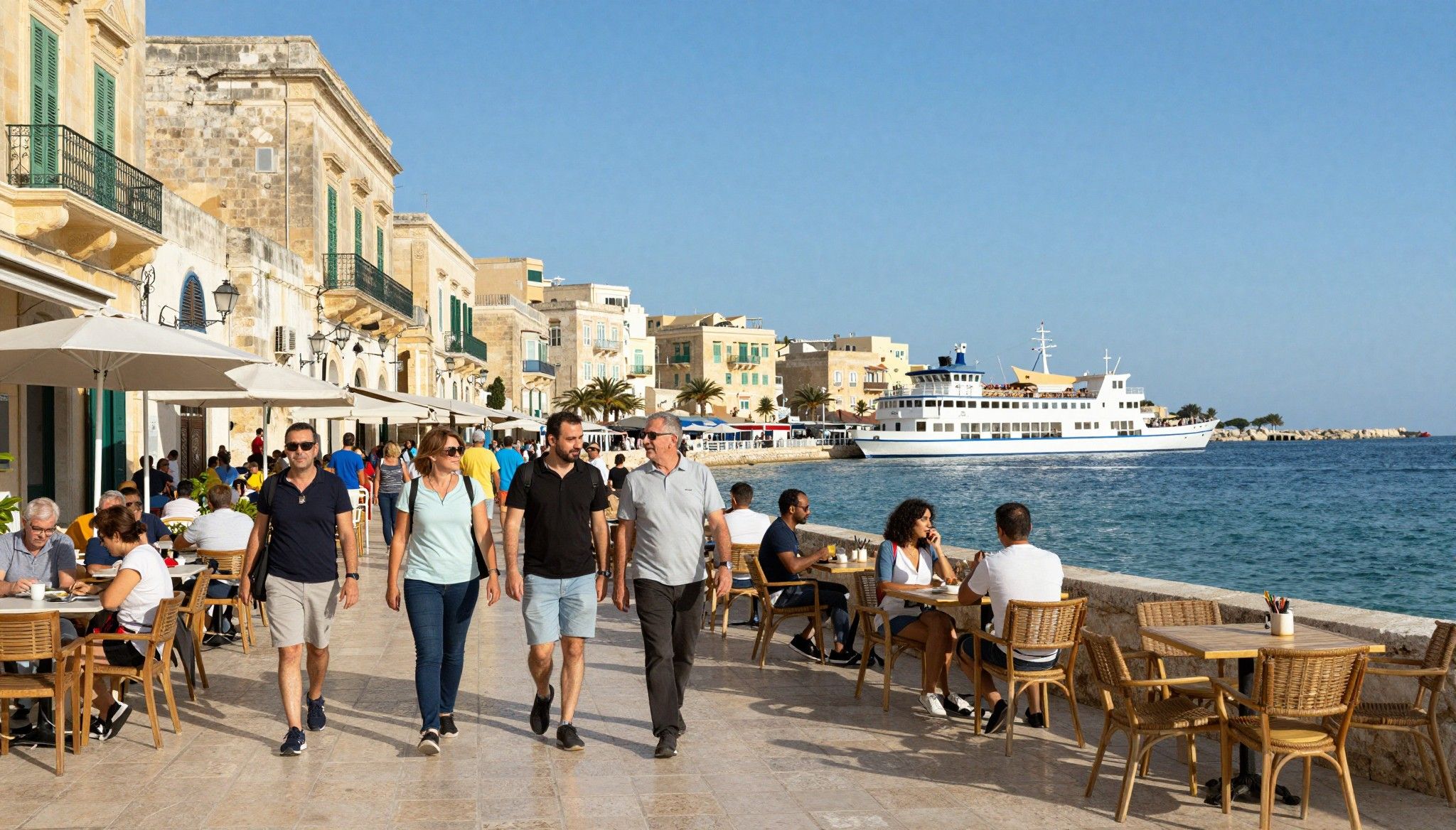
 The Yieldist


