Stewardship and Style: France’s Lifestyle Costs Explained
Poetic, practical counsel for buying in France: pair the market’s rhythms with department‑level costs and notarial clarity to protect your lifestyle and investment.
 Villa Curated
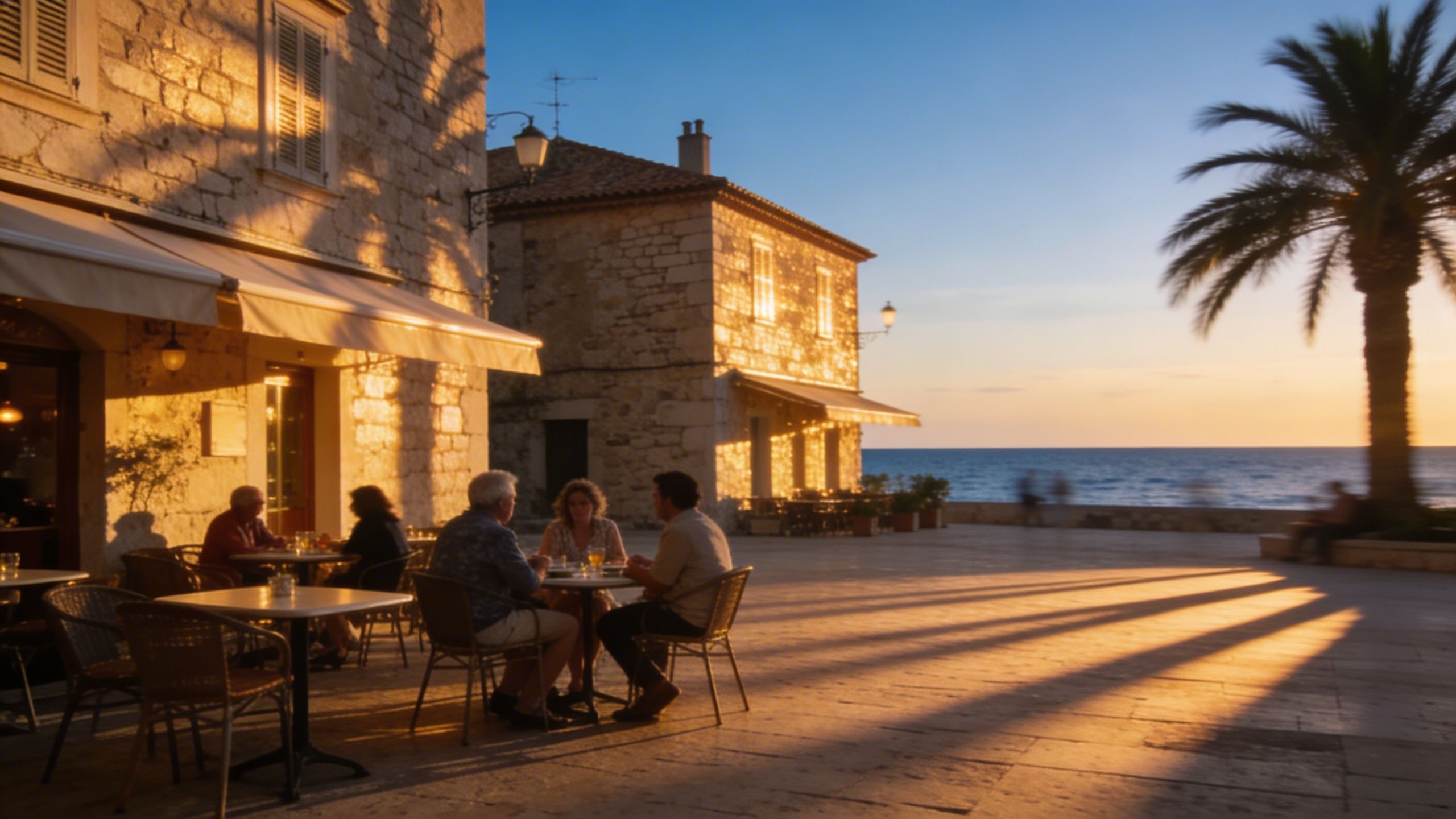
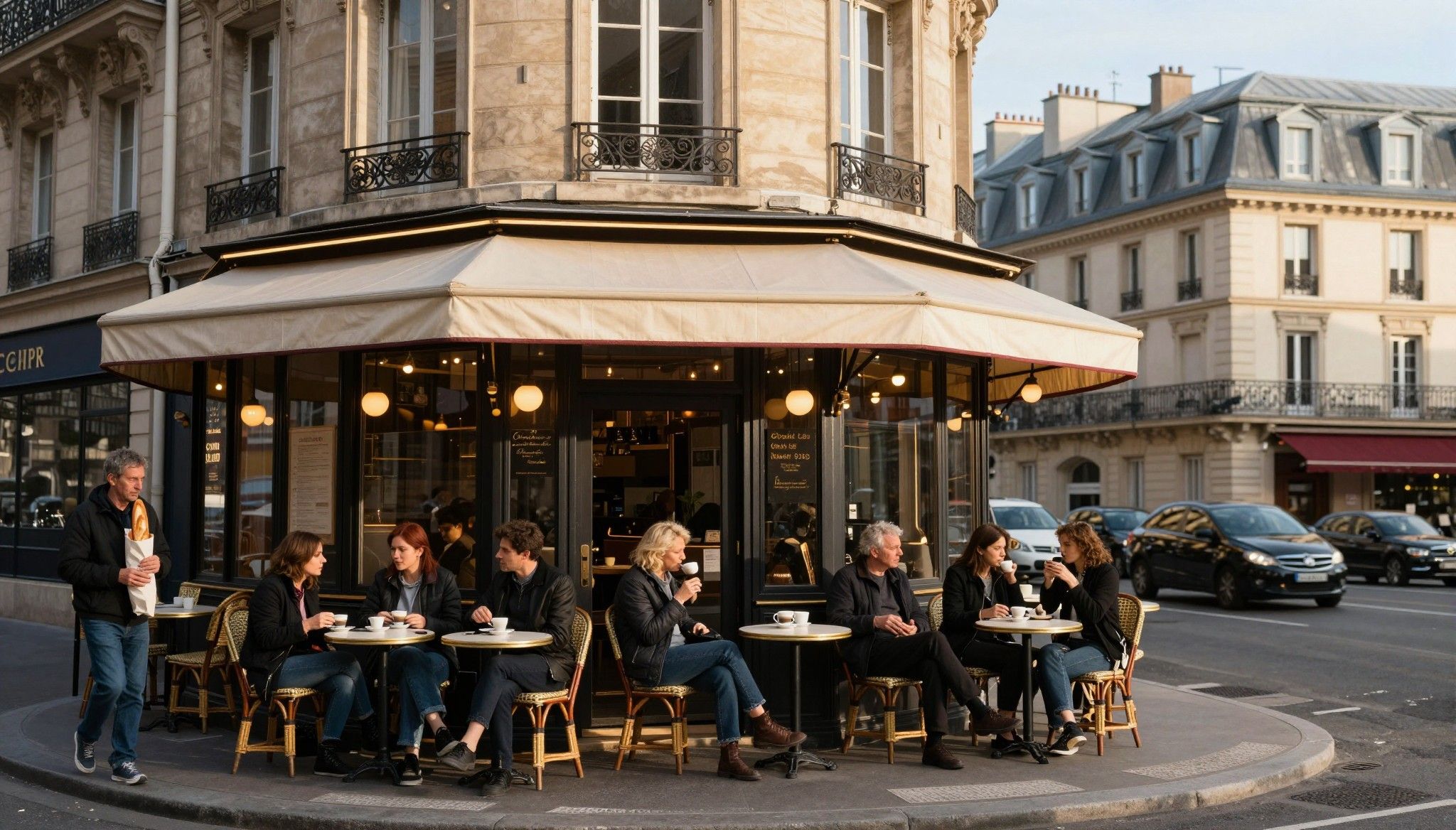
Imagine a late morning in Aix‑en‑Provence: a boulangerie’s yeast-sweet smell, a terrace where neighbours exchange news, and a limestone façade that glows in filtered sunlight. That ease — local markets, measured rhythms, afternoons at a café — is what draws many of us to France. Yet beneath that gentle surface sit precise legal frameworks and fiscal rhythms that shape what you can buy, how you own it and how much that dream will ultimately cost. This guide pairs the day‑to‑day pleasures of French life with the exacting practicalities international buyers must respect, with sources from French notaries and tax experts to support each major point.
Living the French Life: What you’ll actually wake up to
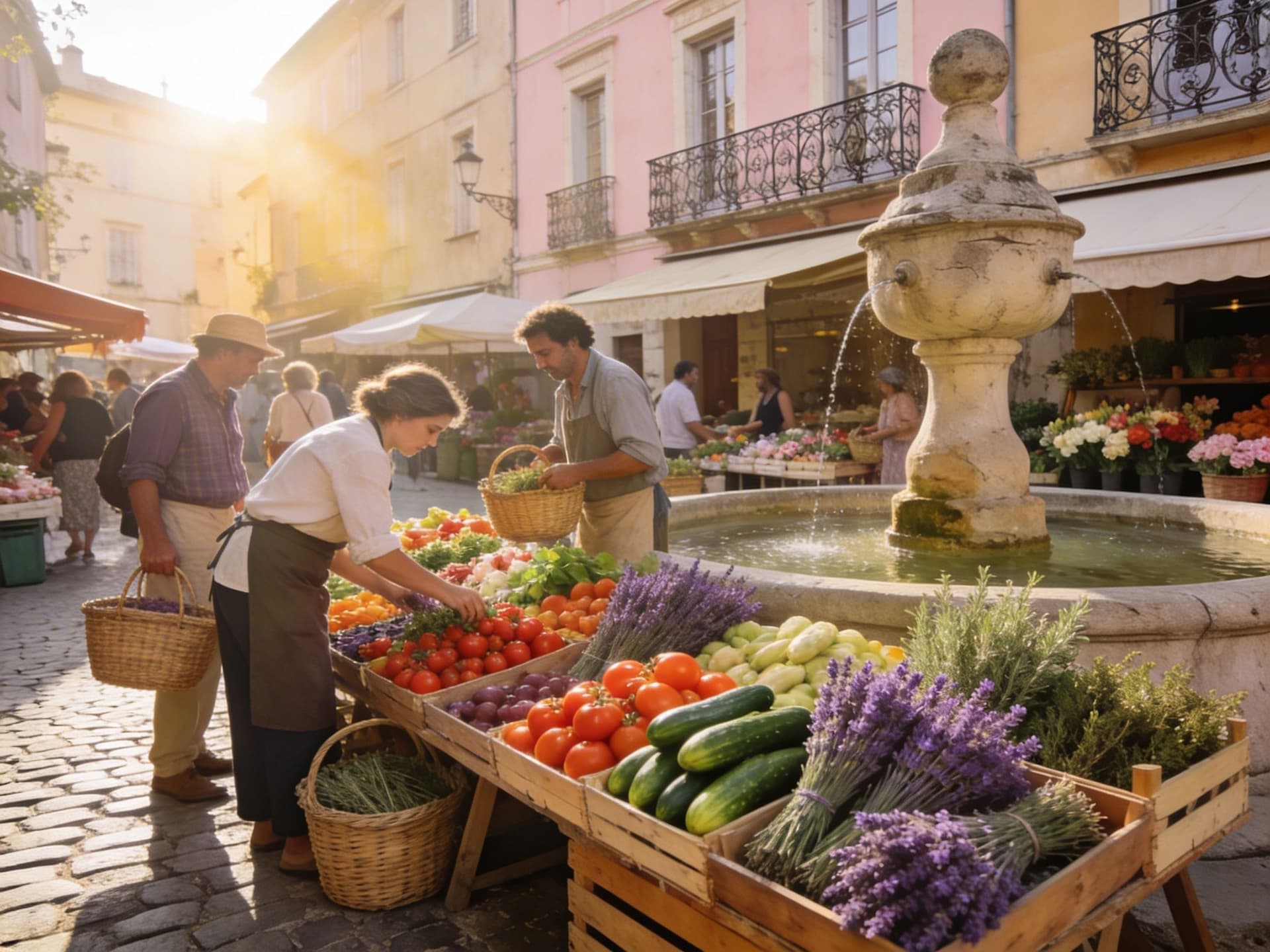
Living in France is often less about a single view and more about a sequence of small, persistent pleasures. In Paris you feel the architecture as choreography — Haussmannian cornices, iron balconies and the hush of an early Sunday marché on rue Cler. On the Côte d’Azur mornings mean shoreline light and Provençal markets; in Dordogne, mornings begin with the clack of shutters and the smell of wood smoke. For buyers, lifestyle choice must map to property type: an apartment on rue Saint‑Honoré offers culture and service, while a stone farmhouse outside Sarlat offers land, quiet and hands‑on stewardship.
Neighbourhoods that matter — from Marais lanes to Provençal villages
Each neighbourhood in France carries a distinct social choreography. In Le Marais, narrow streets conceal private courtyards and discreet ateliers; in Vieux‑Nice, morning markets and pastel façades set a lived‑in, communal tempo. In Bordeaux’s Chartrons, antique dealers, brace of wine shops and restored warehouses create an urban fabric prized by collectors. When you walk a street, note not only beauty but services: where the boulangerie opens at 6:30, which pharmacies close for long Augusts and whether the weekly market sells enough for a household — these quotidian details determine whether a house will feel like home.
Food, ritual and season — how markets and festivals shape where you live
Weekends in France are often organised around markets, fêtes and seasonal produce: truffle season in Périgord alters travel patterns, while grape harvests in Burgundy mean convivial daytime tastings and a different kind of neighbourhood life. These cycles affect demand: properties near celebrated markets or festival centres can command a premium in short‑term rentals and long‑term desirability. As you consider location, imagine a year of life there — not only a photograph of summer, but the rhythm of winter light, market closures and the cadence of local events that make a place sing.
- Streets, rituals and small pleasures to look for: • Morning market that runs year‑round (e.g. Marché des Enfants Rouges, Paris) • A dependable neighbourhood boulangerie within five minutes’ walk • A weekday café where locals read and exchange news • Proximity to a regional train station for effortless travel • A seasonal event (harvest, fête votive, Christmas marché) that animates the year
Making the move: legal and financial realities that shape the dream

The romance of a Provençal villa must be reconciled with regulated costs and recent local changes to transfer taxes. Most resale purchases in France carry acquisition costs commonly called “frais de notaire,” which are largely taxes paid to the public treasury rather than pure notarial fees. Recent departmental decisions allowed some regions to raise transfer tax elements, meaning budgeting must be department‑specific. Understanding these elements early preserves your lifestyle plans from unwelcome fiscal surprises.
Property types and their fiscal footprints
A newly built apartment sold by a developer typically carries far lower transfer taxes than an older maison de village; in practical terms, expect roughly 2–3% acquisition costs on new build and about 7–8% on resale in most departments. That difference is not academic: it changes renovation budgets, the feasibility of furnishing a second home and how quickly a property might yield rental income. Match dwelling type to intended use — full‑time residence, seasonal home or let‑to‑let — and account for these different fiscal footprints when you calculate returns and lifestyle spending.
Working with local experts who preserve both lifestyle and legal safety
A notary (notaire) is the public official who prepares and archives the final deed; their role is regulatory and protective rather than transactional. A local bilingual solicitor or tax adviser adds value by modelling net carrying costs, pointing out department‑specific transfer tax rates and advising on inheritance law (important for long‑term stewardship). Carefully chosen estate agents augment this by selecting properties that align with how you want to live — for example, locating a house within a 10‑minute walk of the market rather than merely near a scenic view.
- Practical steps to keep the lifestyle dream intact (and legal): 1. Request a department‑level estimate of transfer taxes and notaire costs before offering; departments may apply different DMTO rates. 2. Ask a notaire to produce a detailed pro forma for acquisition costs (emoluments, CSI and disbursements). 3. Commission a local survey and environmental check to avoid surprise restoration costs that erode lifestyle budgets. 4. If planning rental use, model seasonality and local permit requirements before purchase. 5. Retain a tax adviser to project long‑term liabilities including wealth tax and local residence taxes.
Insider knowledge: what expats wish they’d known sooner
The small practicalities — language nuance at the mairie, the rhythm of rentiers collecting indemnités, or the fact that some villages close for all of August — alter day‑to‑day life more than headline market figures. Many buyers report underestimating how quickly local community life influences their choice: a friendly mairie and an active association of owners make maintenance and planning permissions far easier. Conversely, properties without clear title history or with informal extensions can erode pleasure and value in equal measure.
Cultural integration, language and daily living
Speaking modest French unlocks far more than administrative efficiency; it opens personal networks that often determine whether a renovation smooths through or stalls. Local customs matter: a respectful approach to shared staircases, punctuality for syndic meetings and attention to agricultural seasons (if you own land) all ease the process of becoming local. Expat groups and cultural associations provide introductions, but the residents who matter are often the people who run the market, the school and the mairie.
Long‑term stewardship: inheritance and permanence
French inheritance law and taxation can be quite different from common‑law systems: forced heirship rules and successive generations’ obligations may affect estate planning and the property’s use. Many international buyers use trusts or dual wills to harmonise home jurisdiction with French law; this is an area where early legal clarity preserves both family intent and the property’s aesthetic integrity. Consider stewardship as part of the purchase: the best houses require a plan for maintenance, local engagement and a clear legal structure for future transfer.
- Red flags and quick checks before committing: • Unclear cadastral boundaries or divergent floor area figures • Missing planning permissions for extensions or pools • Long, unexplained gaps in a seller’s ownership history • Syndic accounts showing deferred maintenance in co‑owned buildings • Unexpected departmental DMTO increases announced locally
A French home is both a daily pleasure and an enduring obligation. Let the sensory pleasures guide where you look — sit at that café, buy from that market, listen for the church bells — and let the legal and fiscal clarity determine how you buy. Begin with a local notaire’s pro forma, meet a bilingual tax adviser and choose an agent who knows the neighbourhood as well as the market. With the right team, the limestone façade will be as permanent in your life as the light that first drew you there.
Villa CuratedFormer Copenhagen architect who relocated to Provence, offering relocation services, market analysis, and a curator’s eye for authentic regional design.
Related Articles
More insights that might interest you
 Villa Curated
 Villa Curated
 Blueprintera