
Why Malta’s Nomad Permit Outshines the Golden-Passport Myth
Malta sells seaside days and festival nights — use the Nomad Residence Permit to live local first, then buy smart as prices rise and community matters more than status.
 MoveSettleGo
Imagine sipping a late-morning espresso on Triq il-Merkanti in Valletta, laptop open, the harbour glittering below and Maltese limestone warming under your palms. Malta feels compact — every neighbourhood has a pulse: cafes on ground floors, festas in summer, and old men repairing fishing nets by the sea. For nomads and buyers, that warmth is the point: life here is walkable, social, and easy to fall for. But behind the postcard is a market changing fast; the dream and the paperwork meet sooner than you think, and that matters when you plan to buy or settle.
Living the Malta lifestyle
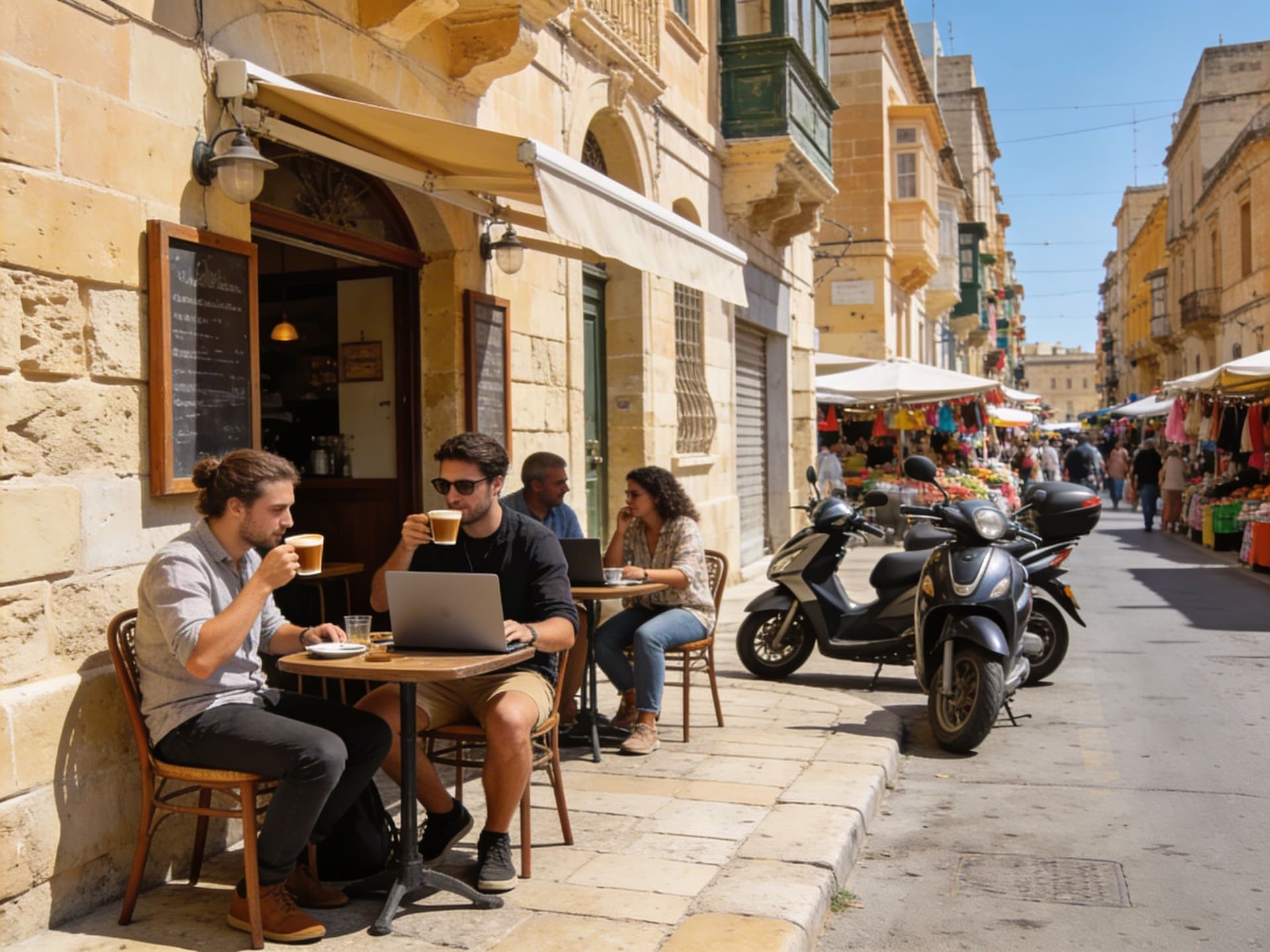
Daily life in Malta is a choreography of small rituals. Mornings begin with espresso in Sliema or a stroll across the Upper Barrakka Gardens, afternoons drift into siesta-like lullabies on quiet bays, and evenings erupt in platefuls of lampuki or pastizzi and loud, friendly conversation. The island’s compact size means you can finish work with a beach swim or a rooftop aperitivo in under an hour — a lifestyle that remote workers treasure because time matters as much as space. The reality: the neighbourhood you pick determines everything from internet reliability to where your friends live and which weekend habits you inherit.
Neighbourhood spotlight: Valletta & Marsaxlokk
Valletta is theatrical — Baroque facades, narrow lanes, and a caffeine scene that wakes early. It’s perfect if you want museums, waterfront restaurants, and compact apartments with character. Marsaxlokk, by contrast, is a fishing village where mornings smell of sea and fish markets; it’s slower, suited to people craving coastal rhythms and larger terraces. Choosing between a Valletta pied-à-terre and a Marsaxlokk townhouse is a lifestyle choice: culture and buzzing cafes versus space, quiet, and sea-scented mornings.
Food, social life and seasonality
Food scenes matter more than square metres here. Try brunch at Caffe Berry in Sliema, weekend fish at Marsaxlokk market, and a glass of local Ġellewża at a small bistro in Mdina. Summers are festival-dense — festas, open-air concerts and late-night passeggiata — while winter strips things down to locals-only rhythms that many buyers prefer for house-hunting. If you crave year-round coworking meetups, plan for Sliema and St. Julian’s hubs; if you want solitude after hours, Gozo-adjacent towns and southern villages deliver calm.
Making the move: practical considerations
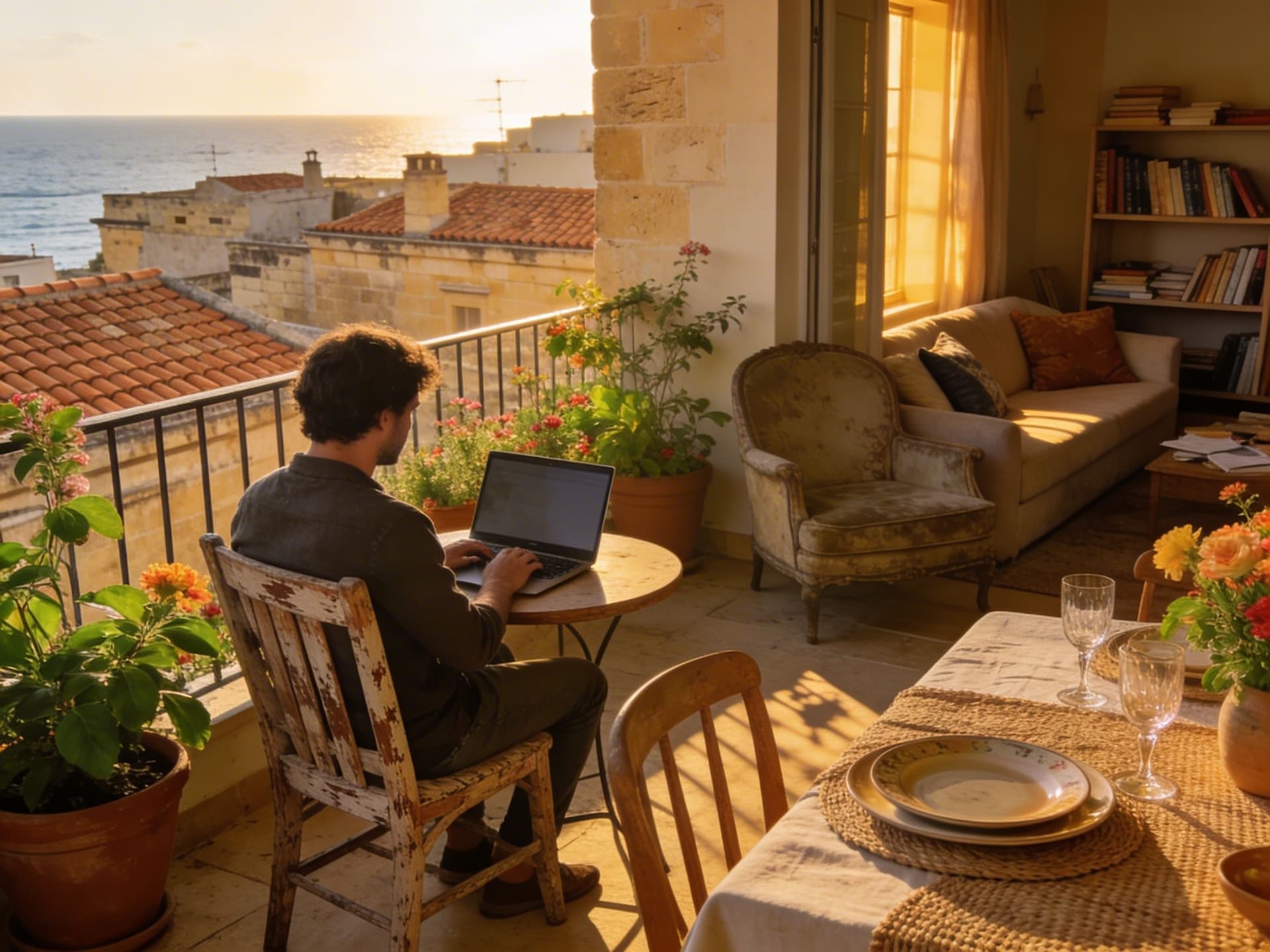
The lifestyle sells itself, but the logistics seal the deal. Malta now leans into residency pathways built for remote workers — the Nomad Residence Permit is a practical entry route that lets you live on the island while keeping foreign employment. At the same time property prices have been trending upward: official indexes show steady yearly gains, which affects timing and negotiation strategy. The smart play is to match a lifestyle shortlist with a realistic property plan: where you want to be, what space you need for work, and how much you’ll pay for it.
Property styles: apartment, maisonette, townhouse
Most buyers choose apartments in Sliema or Swieqi for convenience, while maisonettes and traditional townhouses in Mdina or Rabat give you terraces and character. New developments near St. Julian’s offer modern amenities but often trade authentic streetscape for gated convenience. Think about workspace: a quiet study or a terrace with shade, fiber broadband access, and backup power for storms. Prices are rising — Malta’s official Property Price Index recorded year‑on‑year increases — so being decisive and pre-approved helps your offer stand out.
How local experts make lifestyle buys smoother
Work with an agency that knows the rhythm of Maltese life: they’ll tell you if a terrace faces late-afternoon sun, whether a lane turns lively during festas, and how reliable the fibre is on a particular street. Expect this help to include arranging viewings that fit your schedule, advising on seasonal price cycles, and connecting you with local contractors for modest renovations. An agent who spends weekends in Valletta cafes will find different homes than one who markets to short-term rentals — so choose someone who aligns with your long-term vision.
Insider knowledge: what expats wish they'd known
Expat residents often say: beware of narratives that promise fast EU access or instant price bargains. The controversial citizenship-by-investment era is closing after EU rulings, shifting the conversation toward genuine residency and long-term community building. That’s good news for people who want to live like locals — it reduces transactional buyers and nudges the market toward sustainable demand. On the ground, integration means learning a few Maltese phrases, joining a gym in St. Julian’s, and studying local waste collection days (they matter more than you’d think).
Cultural integration & everyday tips
Language is easier here — English is an official language — but cultural cues still matter: family-first weekends, slow bureaucratic days, and festas that close roads without much warning. Make local friends at a neighbourhood bakery, a dive bar in Gżira, or a co‑working hub in Valletta; they’ll save you time and help with small but crucial things like trusted plumbers or where to buy quality linen. Plan visits in shoulder seasons to see how life breathes across months: winter shows day-to-day reality; summer sells the hype.
Long-term lifestyle factors to weigh
Property prices can rise quickly — budget for negotiation and realistic renovation costs. Fibre and mobile coverage vary — test speeds at the exact time you’ll work. Parking and storage are premium extras in older towns — factor them into your offer. Community matters: local neighbours decide if a festa is friendly or disruptive. Resale and rental demand are concentrated in Sliema/St. Julian’s for short-term stays, while quieter towns rent to long-term expats.
A quick step-by-step for nomad buyers who might buy later
1) Visit for 10–14 days in shoulder season to test neighbourhoods and internet. 2) Apply for the Nomad Residence Permit once you decide where you’ll base yourself; ensure you meet income and documentation rules. 3) Line up a local agency that prioritises long-term living over short-term rental upside. 4) Get pre-approval for financing (if needed), then move fast: on-island buyers compete with increasing demand and a rising Property Price Index. 5) After purchase, register local utilities, join a community hub, and schedule minor upgrades that make your space nomad-ready.
Malta seduces with lifestyle but rewards preparation. The island’s tiny geography concentrates pros and cons: short commutes, a vivid social life, and a market that moves. Use the Nomad Residence Permit to buy time and live like a local before committing to a permanent investment, and pick an agent who knows the street-level realities you can’t Google. If you want a Mediterranean life usable for work and play, Malta can deliver — but do it with curiosity, local help, and the humility to learn how the island actually lives.
MoveSettleGoSwedish, relocated to Marbella in 2018 to chase sun and property freedom. Focus on legal navigation and tax for Nordic buyers.
Related Articles
More insights that might interest you
 Villa Curated
 Villa Curated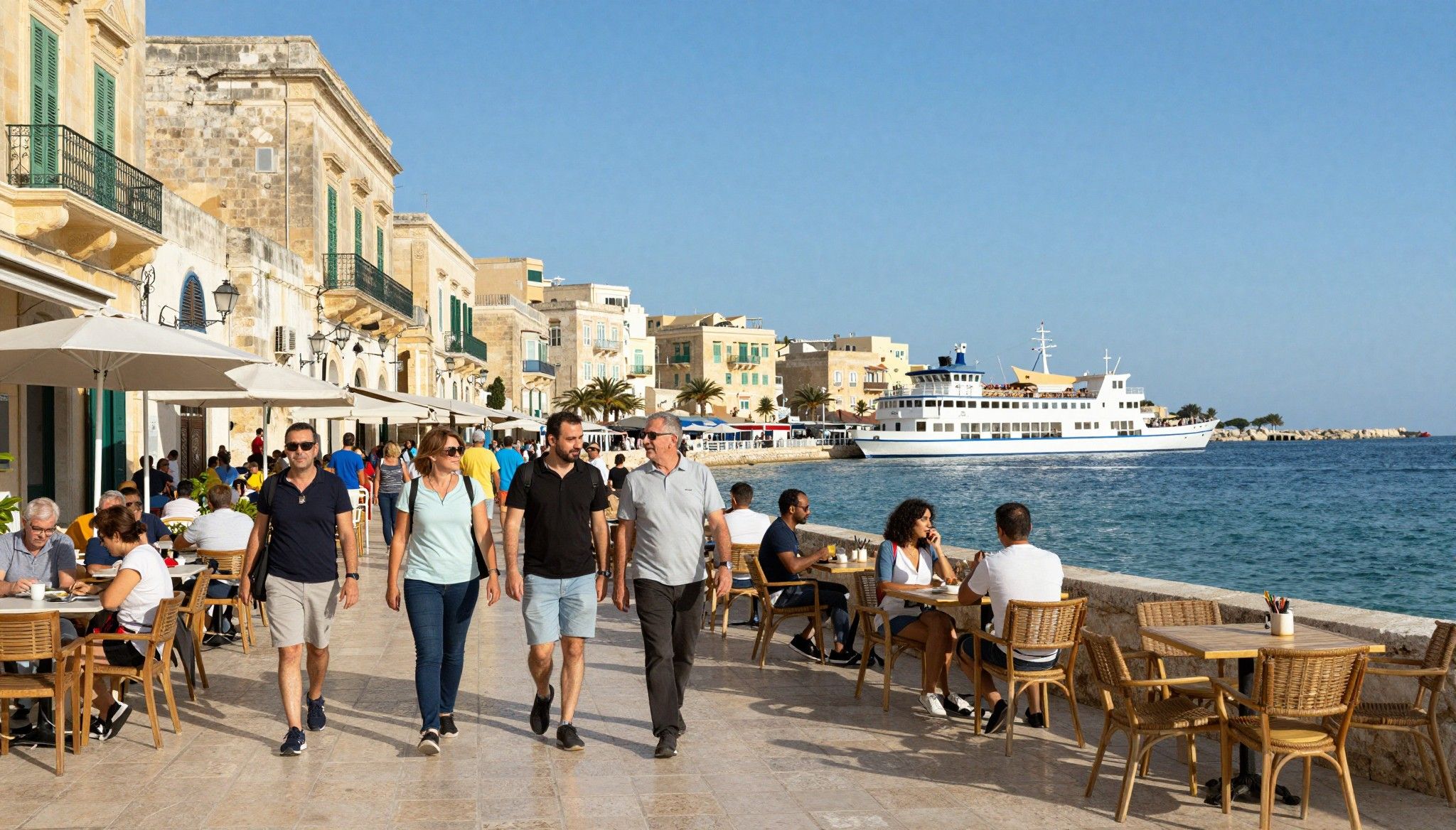
 The Yieldist

