Where France’s price myths actually break
France’s property market is many markets. Look past Paris headlines: regional rhythms, seasonal demand, and off‑market neighbourhoods reveal value and lifestyle that indices miss.
 Ashworth & Drake
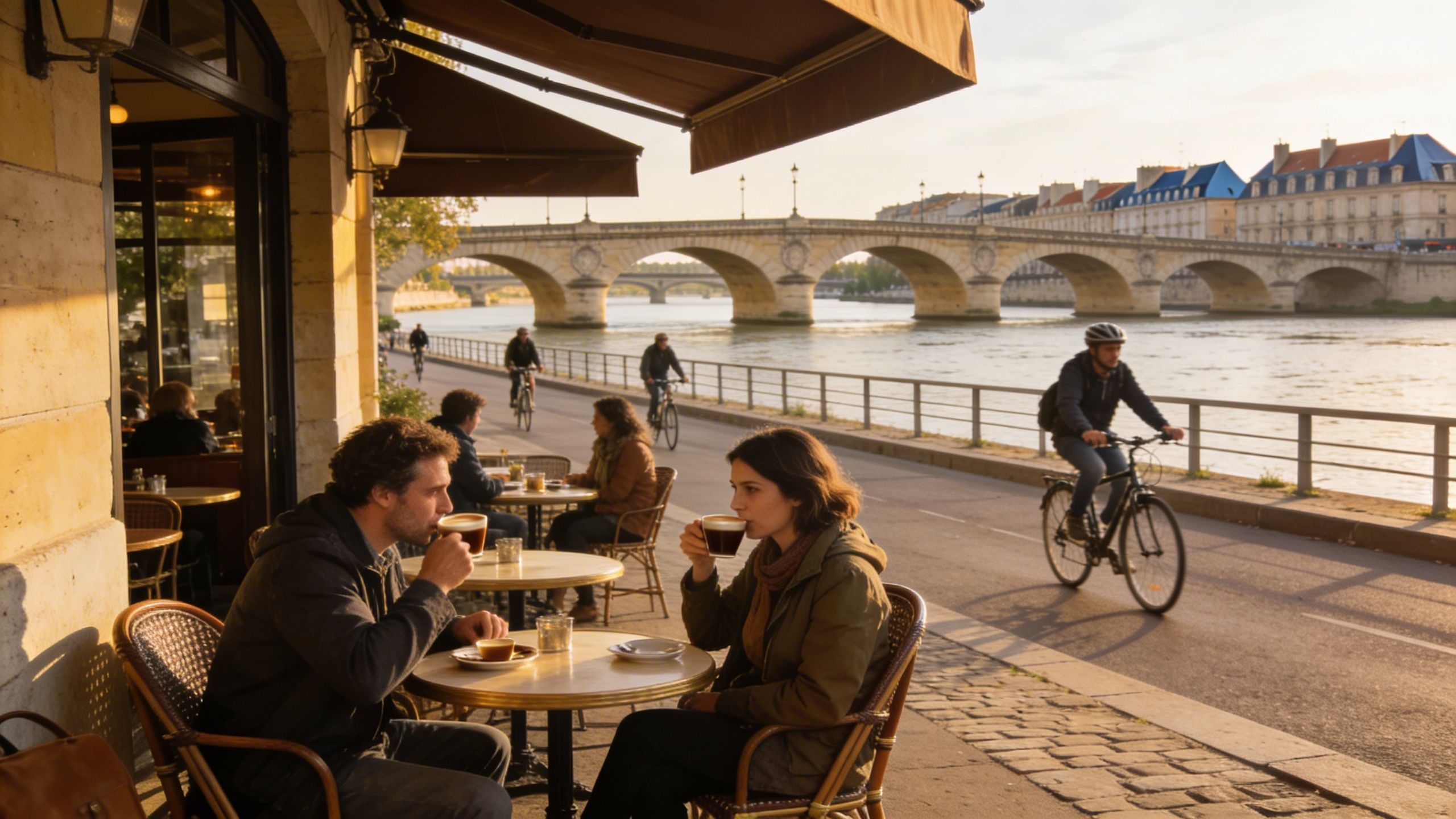
Imagine stepping out at 9 a.m. in Bordeaux’s Chartrons to buy bread, passing a wine shop where the owner remembers your name, then walking five minutes to a riverfront terrace that looks like a postcard. That everyday ease — markets that still open, neighbourhood cafés, village fêtes — is what makes France feel livable. But the story people tell about French property is often a single number: “expensive.” That number hides regional rhythms, seasonal bargains, and neighbourhood quirks that savvy buyers use to their advantage.
Living the French life (beyond Paris postcards)
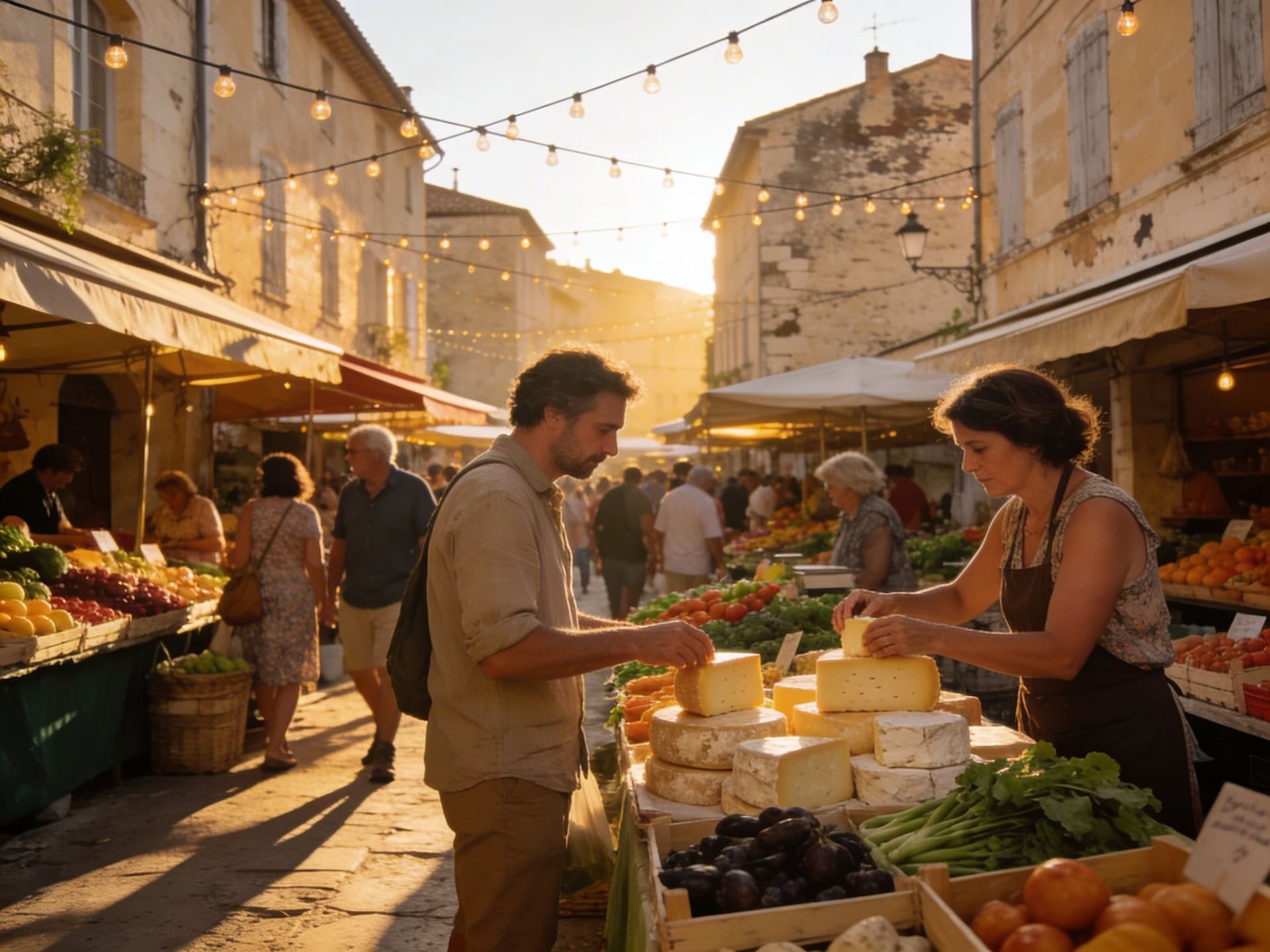
France is not one market but dozens. Morning routines change by region: in Lyon’s Croix‑Rousse you’ll buy pastries from a pagination‑worn boulangerie; in Biarritz surfers haul boards before breakfast; in Provence markets set the rhythm of the week. These cultural details shape demand — students, weekenders, retirees and remote workers each hunt different property types and push prices in different places. Understanding the lived reality of a neighbourhood matters as much as a headline price per square metre.
City pocket spotlight: Where locals choose to live
In Marseille, the Cours Julien and Le Panier neighborhoods hum with creative energy and relatively lower prices than postcard Vieux‑Port addresses. In Toulouse you’ll find families clustering around Saint‑Cyprien for canal walks and a quieter street life while students cluster near Capitole. These micro‑choices — a street with a market, a short tram ride to the university, a café that stays open — are exactly where value often sits and where price per square metre doesn’t tell the whole story.
Food, festivals and seasons: lifestyle that shifts demand
Seasonal life matters in France. Coastal towns pulse in summer but quiet in winter; ski villages invert that rhythm. Festivals — Fête de la Musique, Christmas markets, grape harvests — create bursts of short‑term demand and can influence local rental yields. For international buyers, timing a search around these rhythms reveals quieter moments to view properties with less competition and more room to negotiate.
- Lifestyle highlights you can buy into:
- Chartrons (Bordeaux): riverside cafés, antique shops, strong long‑term resale appeal.
- Saint‑Cyprien (Toulouse): canal walks, student rental demand, good value for families.
- Le Panier (Marseille): artist studios, street life, pockets of renovation opportunity.
Making the move: data that changes where you look

Lifestyle seduction is necessary but not sufficient. You need hard signals: transaction volumes, regional price indices, mortgage conditions, and time‑on‑market. National indices (Notaires de France, INSEE) and central bank commentary (Banque de France) show 2024–2025 as a period of regional divergence — Paris and some prestige coastal areas behaved differently from university cities and secondary towns. We always cross‑check headline price moves with local sales counts and rental demand to avoid buying where liquidity is thin.
Property types that fit how you want to live
Apartments in city centres offer convenience and steady rental interest; houses outside city cores buy you garden life and often better value per square metre. In student cities (Montpellier, Rennes) small flats near transport offer predictable cashflow. In seasonal markets (Arcachon Bay, Provence) consider dual‑use strategies: live there part of the year and rent short‑term in high season, but be realistic about management and vacancy in off‑season months.
Work with experts who read lifestyle as data
- How local agents and notaires help bridge dream and data:
- They supply recent comparable sales and explain anomalies (e.g., a single high‑value sale that skews averages).
- They know local rental rules, energy‑efficiency obligations and likely renovation permissions that affect net returns.
- They can show you off‑market options where owners prefer a discreet sale over public listings — often where value hides.
Insider knowledge: myths, red flags and contrarian plays
Here’s the real talk we give clients: Paris matters, but it’s not the only story. Price declines in 2024 were uneven; 2025 saw early stabilisation as mortgage conditions eased and buyer confidence returned. That produces windows — places where local demand outpaces supply and where you can buy lifestyle for less than you think. Conversely, beware places that look cheap on lists but have weak local economies or falling populations; low price isn’t always opportunity.
Common red flags we watch for
- High vacancy rates on agents’ books (not just a few months of slow interest).
- Properties repeatedly discounted — often a sign of underlying defects or legal encumbrances.
- Areas with shrinking local services (schools, post office, trains) — lifestyle degrades faster than prices adjust.
Contrarian plays: where myths create opportunity
- University suburbs that feel ordinary but rent like clockwork during term time.
- Former industrial streets becoming creative quarters before prices fully reflect the change.
Data matters: use the Notaires price indices to find where the market is truly moving, and cross‑check with local rental platforms for yield expectations. If a city shows price growth but transaction volumes are tiny, dig deeper — momentum built on a few trophy purchases is fragile. We pair national indices with street‑level checks: visit markets, speak to café owners, ask how many flats are long‑term rentals versus tourist lets.
- A 5‑step practical checklist before making an offer:
- 1) Cross‑reference Notaires/INSEE regional indices with advertised price; check transaction counts for the last 12 months.
- 2) Visit the street at three times (morning, late afternoon, weekend) to sense everyday life and confirm amenities.
- 3) Ask the selling agent for comparable sales (actes de vente) and note any atypical concessions or repeated price cuts.
- 4) Run a simple yield test: conservative rent estimate less 20% for management and seasonality, then compare to financing costs.
- 5) Reserve a local notaire and legal counsel early — paperwork timing and permit conditions vary by département and can reshape a deal.
What expats often wish they’d known
Expat buyers tell us they underestimated the rhythm of paperwork and local negotiation culture. In many towns the best properties sell through relationships, not portals. Learning a few phrases of French and building rapport with a local agent opens doors to off‑market opportunities. Also, seasonal life matters: a coastal property viewed in August feels fantastic; viewed in November it tells a different story. Factor both moods into your assessment.
In short: fall in love with the life, then verify with the data. Use national indices (Notaires, INSEE), local transaction counts, and a checklist that blends lifestyle and numbers. Work with agents who live the neighbourhood, not those who sell the idea of France from a brochure. If you do that, you’ll find the places where price myths break and real value — both emotional and financial — waits.
Next step: shortlist two contrasting places (one city centre, one emerging suburb) and run the five‑step checklist above with a local notaire copied in. We can help introduce agents who do street‑level data and off‑market sourcing — because loving the life and securing the right paperwork should happen together.
Ashworth & DrakeSwedish expat who moved from Stockholm to Marbella in 2018. Specializes in cross-border legal navigation and residency considerations for Scandinavian buyers.
Related Articles
More insights that might interest you
 Villa Curated
 Villa Curated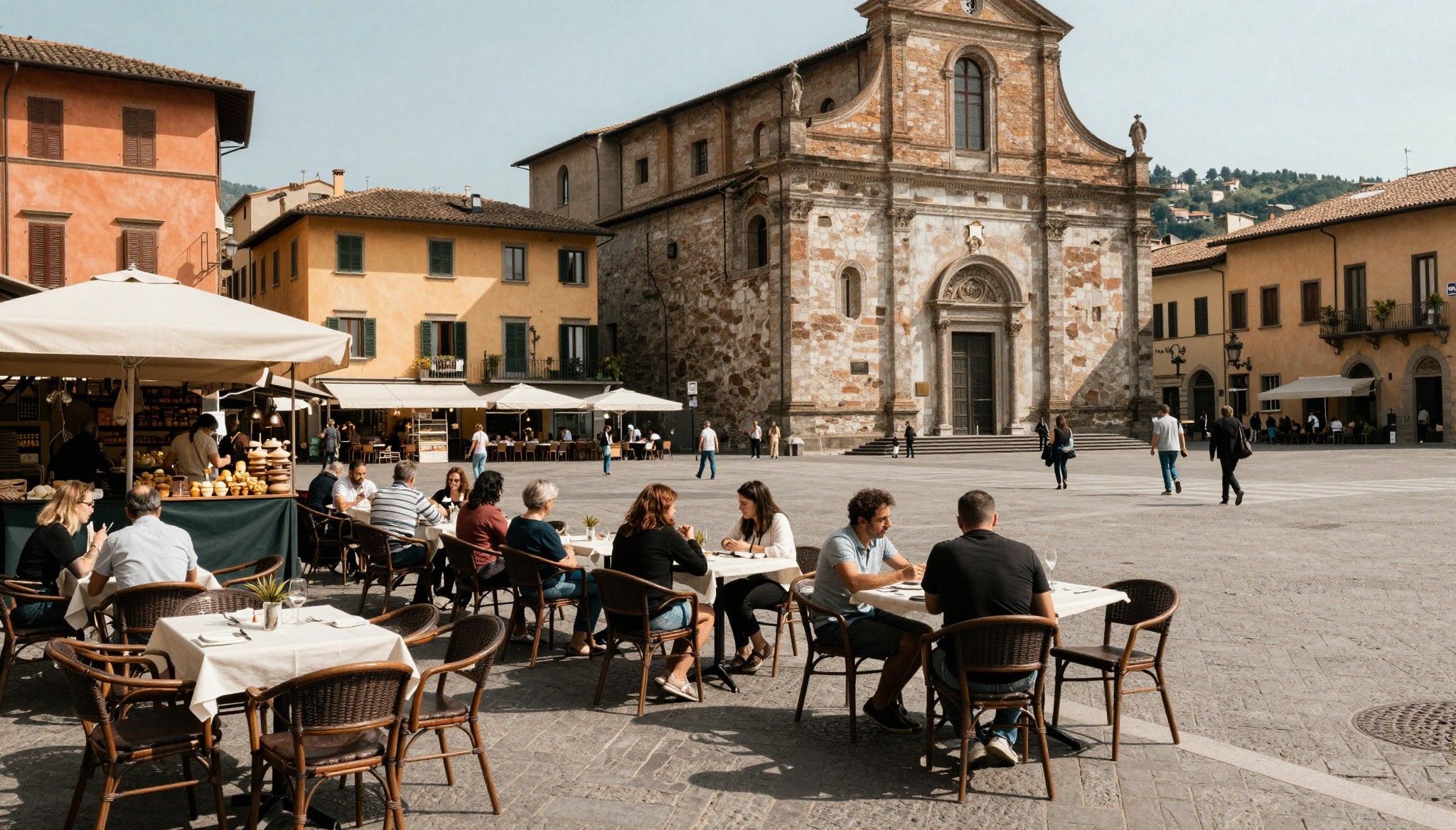
 The Yieldist

