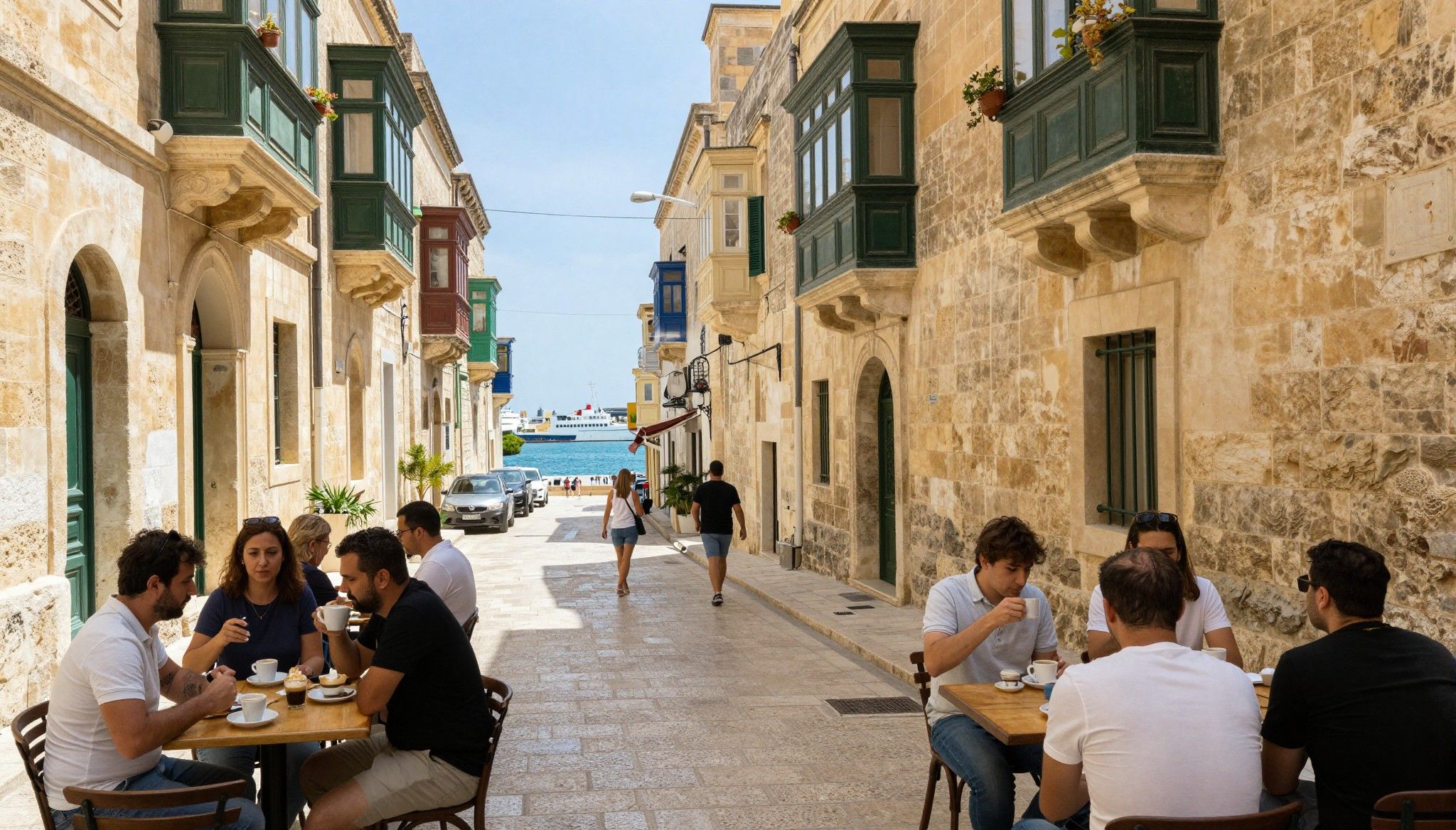
Why Malta’s Compact Size Is a Green Advantage
Malta’s compact scale and rising renewable momentum make small, well‑sited homes perfect for sustainable living — retrofit potential often beats more square metres.
 Moss & Hearth
Imagine waking to trampling gulls, the smell of sea salt and oven-warm ftira from a bakery on Triq il-Marsa. In three streets you can move from a sun-bleached baroque square to a terrace with morning light ideal for rooftop panels. That compactness — stone, sea and a human scale — is Malta’s unexpected green advantage: smaller distances, abundant solar hours and a tradition of thick-walled homes that stay cool without air conditioning. For international buyers dreaming of a life that’s both Mediterranean and low-impact, Malta’s scale turns constraints into everyday sustainability.
Living the Malta lifestyle
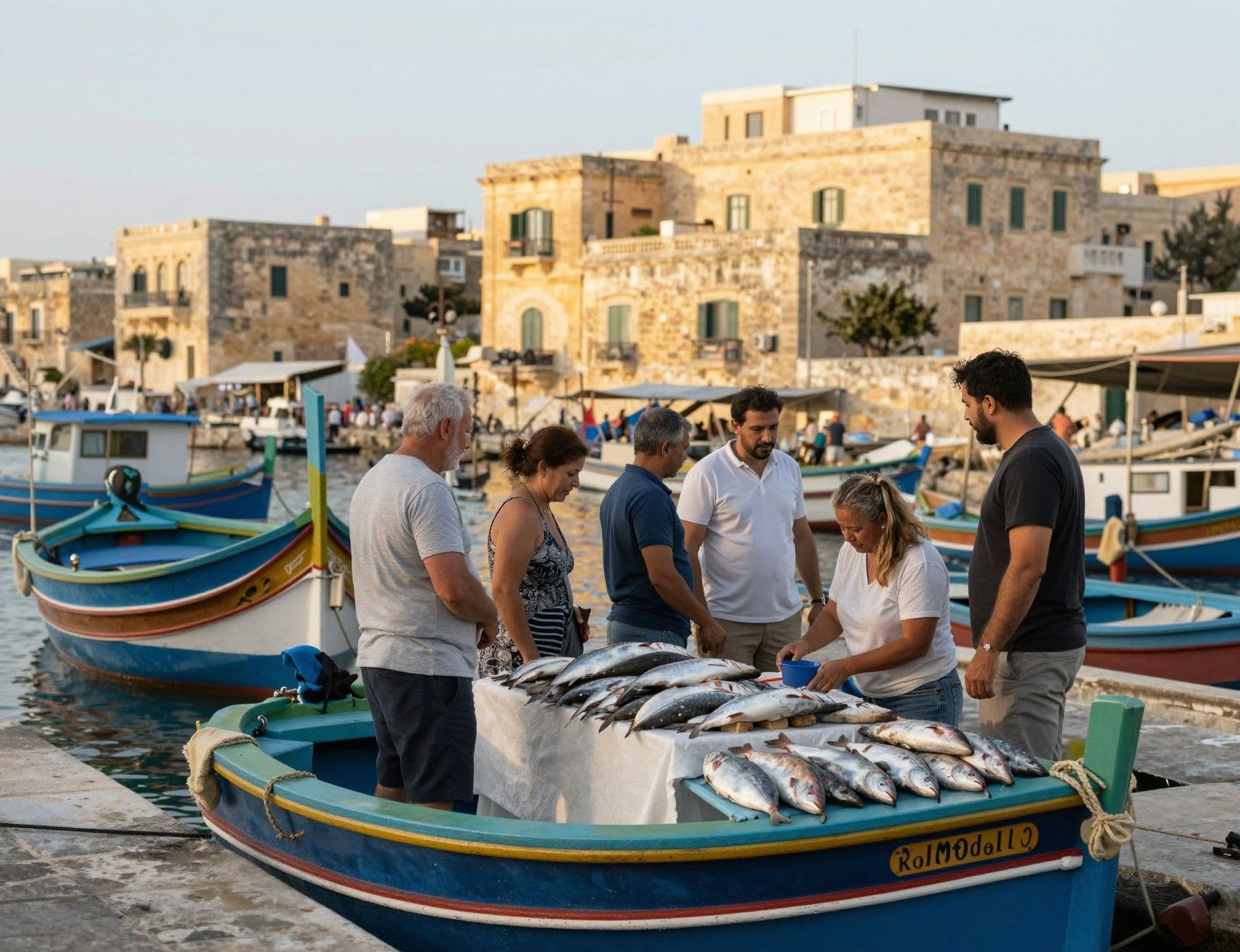
Days here move with sun and sea. Morning espressos at Caffe Berry in Sliema, market chatter at Marsaxlokk on Sundays, and late walks through Valletta’s silent bastions after a short ferry ride to the Three Cities — that is daily life. The island’s neighborhoods are intimate: streets where you know the baker and the café owner, small squares that host band marches in summer, and rocky coves where families have swum for generations. For buyers who prize community and seasonal rhythm, Malta offers a lived-in, place-based life few mainland cities can match.
Valletta to Vittoriosa: historic bones, modern green tweaks
Valletta’s honeyed limestone façades and sash windows are centuries old, but inside you can find apartments retrofitted with insulation, double glazing and compact heat-pump systems. In Vittoriosa (Birgu) the fishing quay hums while carved balconies shade homes; residents often fit photovoltaic arrays on flat roofs tucked behind parapets. These neighbourhoods blend history with discreet sustainable upgrades — perfect for buyers who want authentic places that already lend themselves to low-energy living.
Coastal towns: sun, sea and solar potential
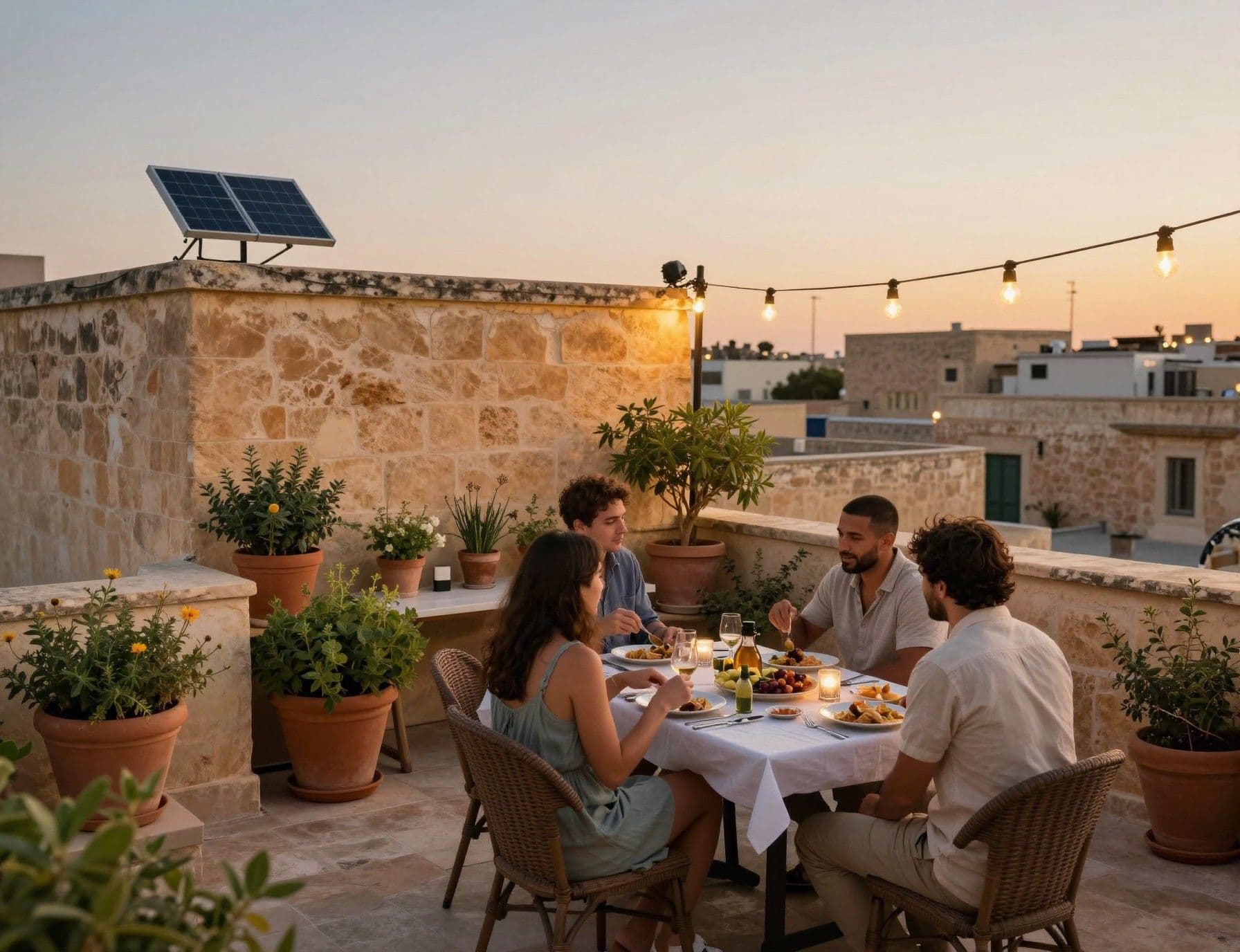
Coastal pockets from Sliema to Mellieħa are where life centers on terraces, sea breezes and open windows — and where solar and battery installations make real economic sense. With long hours of sunshine and a growing national push for rooftop PV, these towns are ideal for owners who want to pair sea views with energy independence. Expect mornings spent at waterfront cafés and afternoons tinkering with a small terrace garden of tomatoes and caper bushes.
- Lifestyle highlights to seek when house‑hunting in Malta: Valletta’s Upper Barrakka Gardens for sunset views; Marsaxlokk’s Sunday fish market; Sliema promenade for morning runs; Mdina’s silent alleys for restorative weekends; Għajn Tuffieħa for cliffside swims; local band marches and festa nights for cultural immersion.
Making the move: practical considerations with a green lens
Dreams meet paperwork quickly on an island this compact. Planning rules for rooftop and façade works are specific and, increasingly, aligned with national renewable targets: the Energy and Water Agency reports a fast rise in renewables and supportive grant schemes for PV and heat pumps. At the same time, property prices have continued to climb — the Residential Property Price Index rose steadily through recent years — so a green retrofit often makes more sense than buying larger square footage. Think of buying as buying potential: a stone home that’s well-sited for solar can become your low-energy sanctuary.
Property styles and how they shape sustainable living
Maltese maisonettes, townhouses and terraced homes each offer different green opportunities. Maisonettes with roof access are the easiest to equip with PV and a rooftop garden; houses of character prize thermal mass and can be nudged toward efficiency with internal insulation and shading; newer blocks may already include cavity insulation and modern glazing. Match the property form to the life you want: if you crave outdoor cooking and plants, prioritize a terraced house with a roof terrace; if you want low-maintenance city living, a central apartment near transit will keep car use low.
Working with local experts who know both stone and solar
- 1. Hire an agent versed in Maltese conservation rules and renewable grants so they can spot roof access and parapet rights. 2. Arrange a local energy audit before bidding — it reveals insulation gaps and PV potential. 3. Speak to MEP-registered installers or the Energy and Water Agency for incentives and grid-connection guidance. 4. Factor in seasonal use: summer cooling and winter rainproofing matter for long-term comfort and costs.
Insider knowledge: what expats wish they’d known
Expat buyers often expect beaches and sunshine, then discover the rhythms of festa season, neighbourly bargaining over curtains, and the delight of a neighbourhood fishmonger. They also wish they’d known that modest, well-located homes with roof potential often deliver better lifestyle returns than larger, distant villas — both for community and for energy efficiency. Recent market data show steady price rises, so buying with a retrofit plan (solar, insulation, water-saving systems) often stretches value further than chasing square metres alone.
Cultural integration, language and everyday life
English is widely used and services cater to internationals, yet local rhythms — Sunday markets, late-night passeggiata, communal festa preparations — define where friends are made. Join a voluntary band club, a diving group or a community garden and you’ll learn Maltese hospitality faster than through any official channel. These social anchors also guide where you buy: a neighbourhood with active local clubs usually means better informal maintenance of public spaces and a stronger sense of stewardship.
How life and property evolve over five years
Within five years a small Maltese home with thoughtful upgrades becomes markedly greener: lower bills, a small rooftop array, planted terraces and water-wise gardens. National targets and grid interconnector projects are improving energy security, while local grants continue to reduce retrofit costs — so early adopters often see both lifestyle and financial returns. For buyers wanting stewardship, this horizon matters: plan for incremental upgrades rather than a single, costly overhaul.
- Red flags and quick checks before bidding: Roof access and parapet rights; presence of asbestos or structural damp in older stone homes; planning restrictions in scheduled areas; realistic solar orientation (south or west roofs are best); proximity to noisy festa routes if you value quiet evenings.
Malta is small, sunlit and full of hidden everyday greenness: neighbours who compost, rooftop herb gardens, and centuries-old homes that keep you cool when you learn to work with them. If you want a life where walking to coffee, catching a ferry and powering your own lights feel like natural parts of the day, Malta rewards attention to detail. Start with a local agent who understands both stone and solar, book an energy audit, and let the island’s compactness become the backbone of your sustainable life.
Moss & HearthDutch property strategist who helped 200+ families find sustainable homes in southern Europe; expert in legal pathways and long-term stewardship.
Related Articles
More insights that might interest you
 Villa Curated
 Villa Curated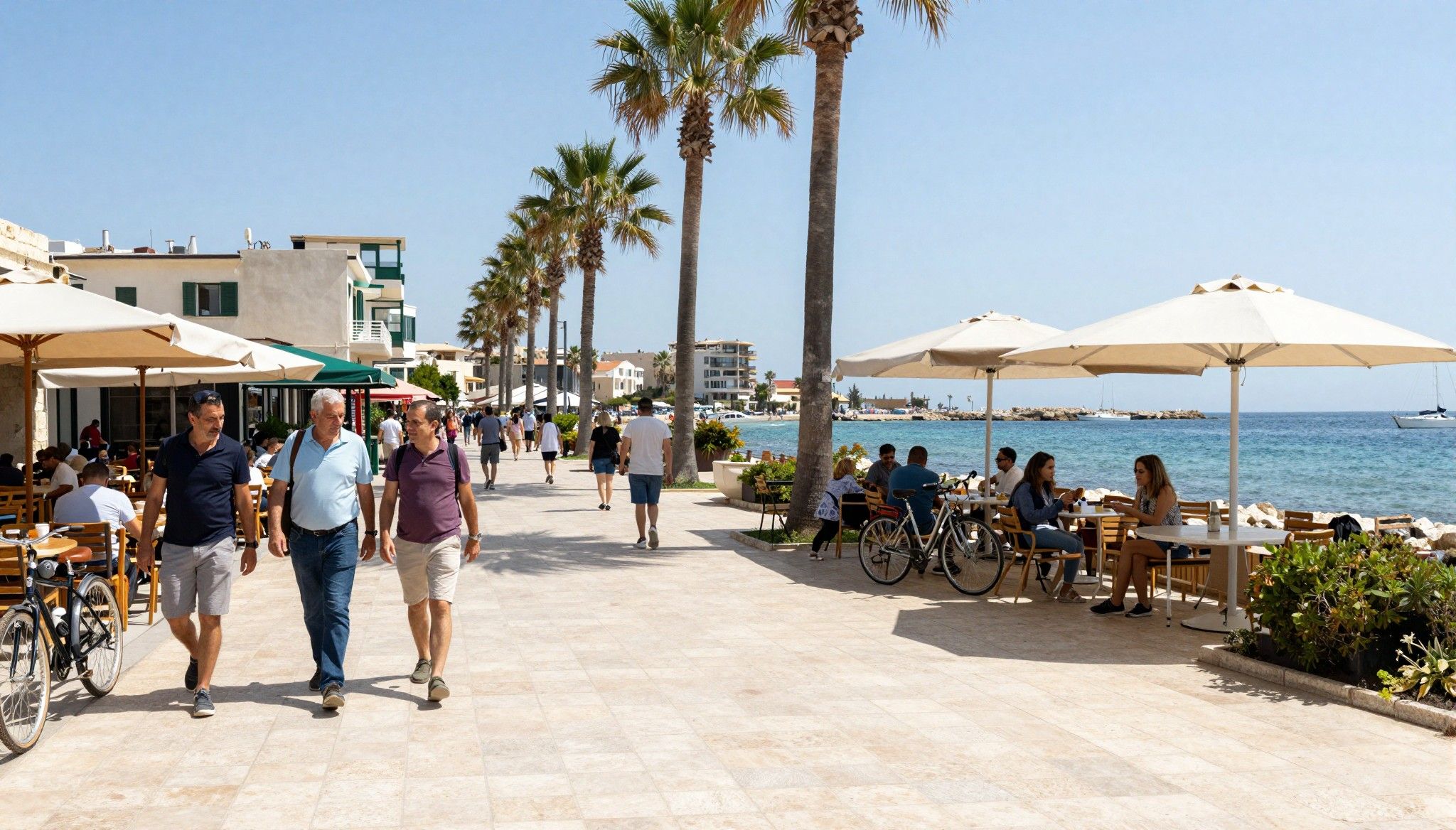
 The Yieldist

