Skip Summer: Why Winter Uncovers Sustainable Value in Cyprus
Why house‑hunting off‑season in Cyprus reveals sustainable value: winter inspections, clearer permits, and quieter negotiations backed by local data.
 Moss & Hearth
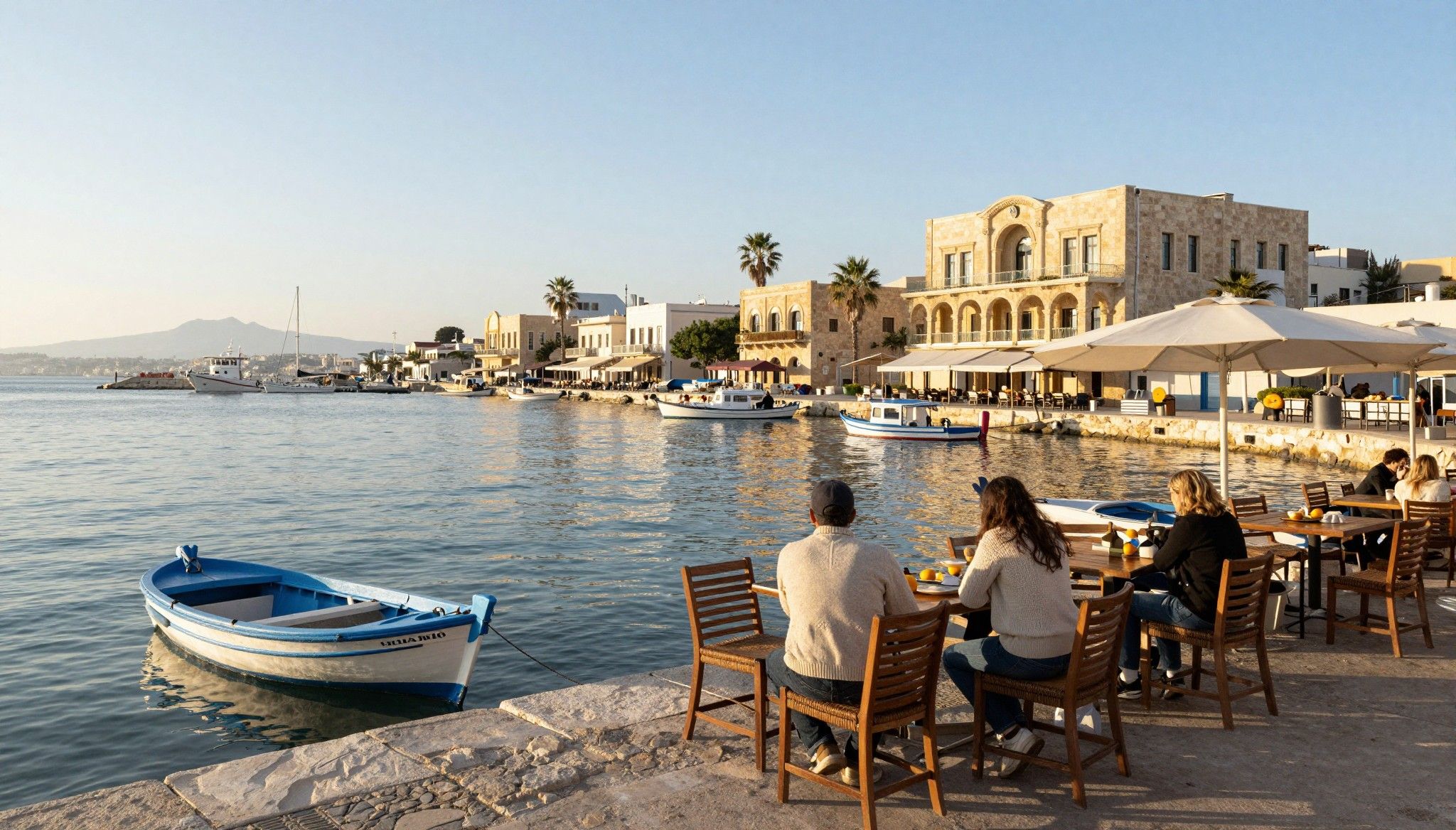
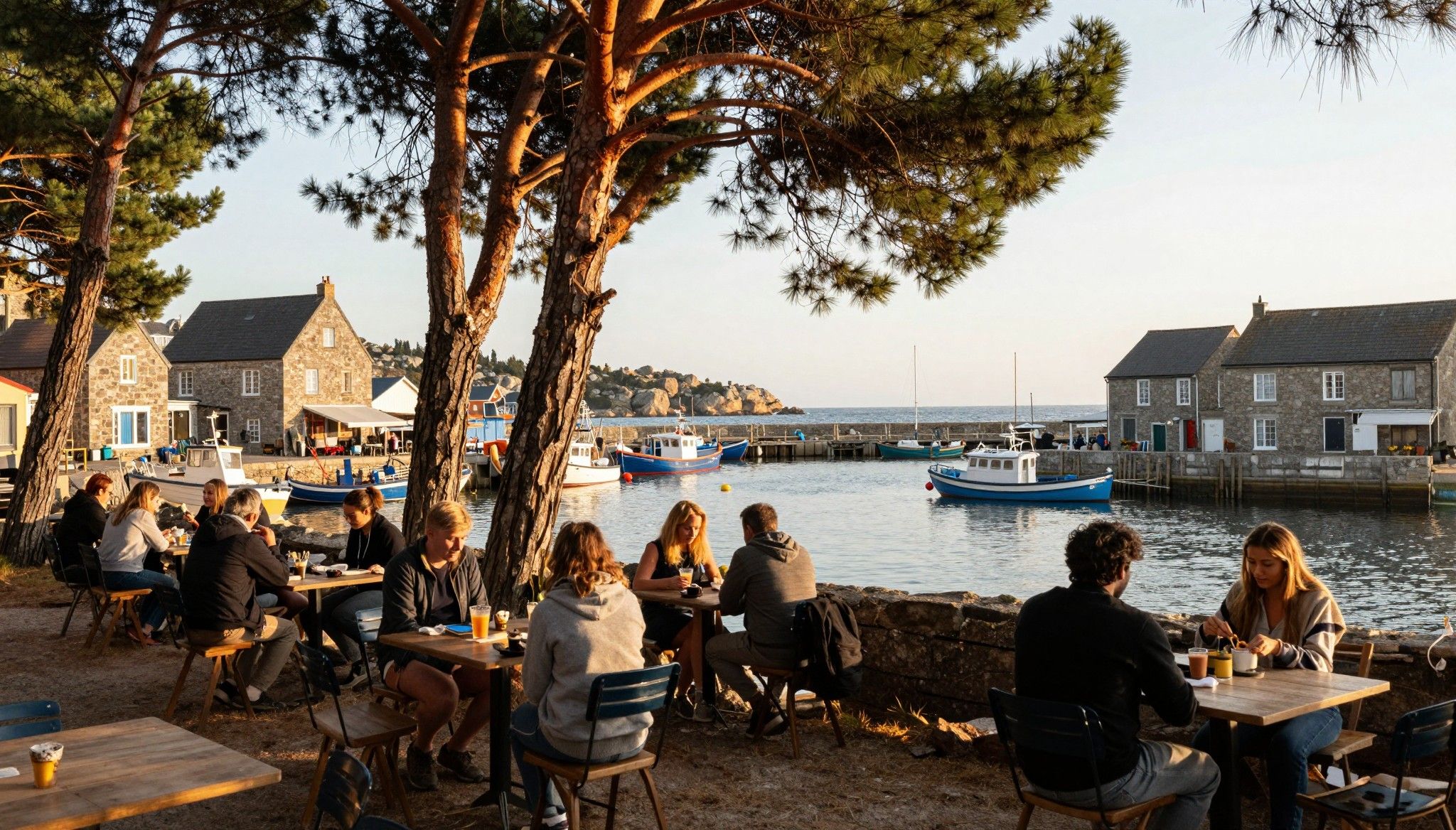
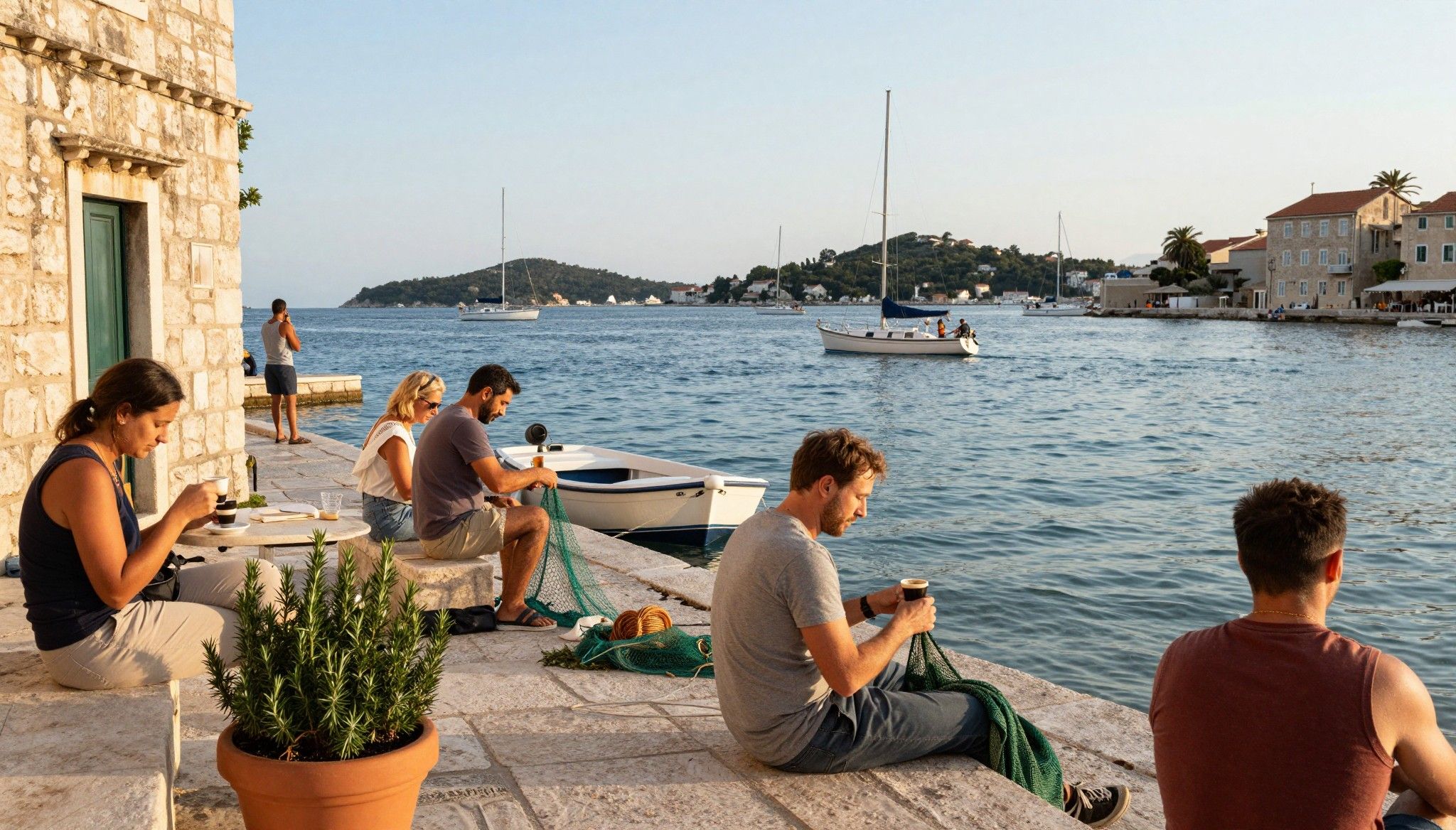
Imagine winter light on a limestone terrace in Paphos: the air is citrus‑sharp, a lone fisherman mends nets on the harbour and the café on Apostolou Pavlou serves strong coffee to locals swapping market news. In Cyprus, off‑season is not empty — it’s honest. It’s when streets feel like yours and when the practical work of buying (permits, inspections, steady negotiations) moves at a calmer, clearer pace.
Living the Cyprus lifestyle in low season
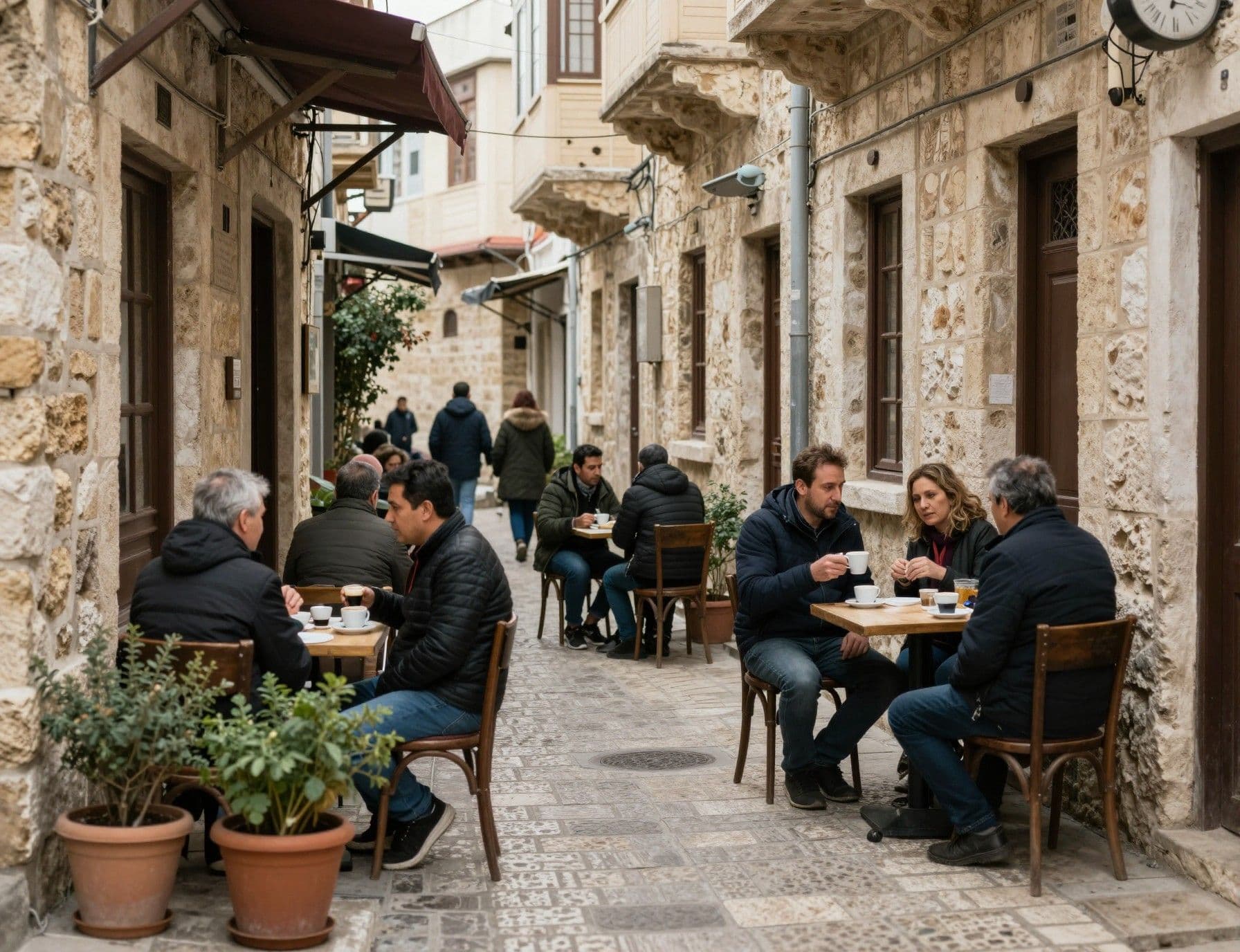
Cyprus’s rhythm is governed by sun, sea and seasons. Winter is quieter but alive — village tavernas roast chestnuts, olive pressings hum in the countryside, and foothill trails reclaim themselves. For the eco‑minded buyer this season reveals a different face of island life: passive solar advantages in houses, repair needs exposed without summer camouflage, and the chance to witness heating, insulation and rainwater behaviour in situ rather than on a brochures’ sunny afternoon.
Neighborhood spotlight: Old Nicosia lanes and Agios Georgios village
Walk down Ledra Street’s quieter side alleys in winter and you’ll hear the city’s layered history: stone courtyards, family grocers, and small workshops where timber windows are still hand‑made. In the Troodos foothills, villages like Agros and Platres show how traditional stone construction performs in cooler months — thick walls, courtyards for sun capture and community wood‑fired ovens that double as social anchors.
Food, markets and everyday rituals that matter when choosing a home
From Larnaca’s fresh fish market at the crack of dawn to Limassol’s small organic co‑ops, local supply chains shape how you’ll live. Buying in winter lets you test proximity to these essentials — can you reach a market during rain? Are local cafés open year‑round? These everyday questions matter more to slow‑living buyers than peak‑season sunshine photos that hide the year’s practicalities.
- Lifestyle highlights to scout in winter
- Morning markets in Larnaca and Limassol — test supply and access
- Troodos mountain villages — observe thermal comfort and passive heating in stone homes
- Seaside promenades in winter — check coastal exposure, drainage and salt damage to facades
Making the move: permits, titles and practical winter advantages
Practical due diligence in Cyprus hinges on three things: clear title deeds, the right planning/ building permits, and an awareness of recent administrative reforms. From summer noise to winter clarity, you’ll find officials and technicians more available in off‑peak months — inspections are easier to book and local contractors have capacity for honest assessments.
Title deeds, registrations and the Land Registry reality
Cyprus uses a land registry and title deed system but cases of incomplete deeds or properties without final registration still exist. In winter you can undertake the painstaking checks — ask for original title deeds, confirm any mortgages or notice entries at the District Lands Office, and request a recent search from the Land Registry. If a building lacks a final certificate of completion, investigate developer solvency and municipal approvals before you sign.
Planning permissions and the new digital processes
Since 2024–25 Cyprus has shifted planning and building permit workflows into electronic systems and re‑allocated decision powers to district organisations. Before bidding, confirm whether earlier approvals remain valid under the new structure, request copies of planning permits and building permits, and ask your architect to submit a preliminary Article 25 query to the planning authority to reveal zoning constraints.
Insider knowledge: myths, tax perks and local red flags
A common myth: Cyprus is only attractive to investors for low taxes. Truth: incentives such as the non‑dom regime (available for qualifying arrivals) can be helpful, but lifestyle fit and regulatory clarity are what preserve long‑term value. Winter house‑hunting gives you time to discuss tax residency, non‑dom status timelines and pension tax elections with advisors when markets are quieter.
Red flags to spot when the streets are empty
- No final building permit or certificate of completion for the structure
- Unclear shared‑ownership arrangements for courtyards, terraces or access lanes
- Evidence of deferred maintenance on drainage, gutters, and roof flashings — especially near the coast
How local experts protect the lifestyle you want
- Hire an independent local surveyor to inspect heating, insulation and salt damage in winter.
- Ask a planning lawyer to verify permits, pending applications and whether the property sits in a conservation or special zone.
- Work with an architect to estimate energy upgrades (solar, insulation, heat pumps) using real winter performance observations.
- Negotiate timelines and price with seasonal leverage: sellers who keep properties listed through winter often price with realistic motives.
Conclusion: let winter reveal where Cyprus truly fits you
If you want a home that breathes with the island — thermally comfortable, connected to markets and community, and honest about maintenance — let winter be your litmus test. Use the quieter months to complete permit checks, meet contractors, and watch a property in real weather. When the spring tourists return, you’ll have the confidence to buy a home that supports a sustainable life in Cyprus, not just a sunny postcard.
Moss & HearthBritish expat who traded Manchester for Mallorca in 2017. Specializes in guiding UK buyers to luxury Spanish estates with clear navigation of visas and tax.
Related Articles
More insights that might interest you
 MoveSettleGo
 Moss & Hearth
 Moss & Hearth