Green Mortgage Levers & Off‑Season Advantage in Croatia
How off‑season viewings, ministerial consent and expanding green loans turn Croatia’s coastal romance into a practical, sustainable purchase plan.
 Moss & Hearth
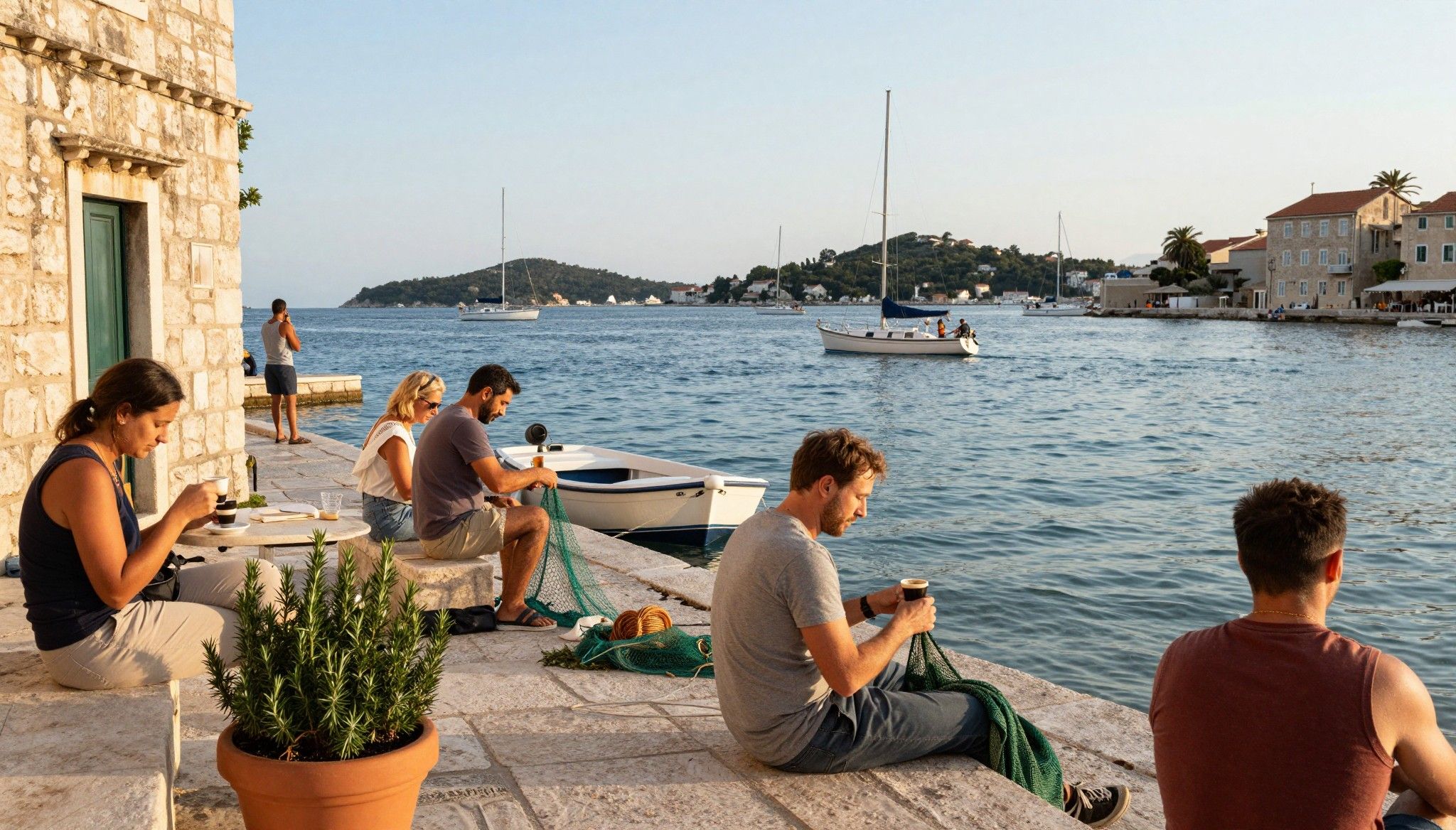
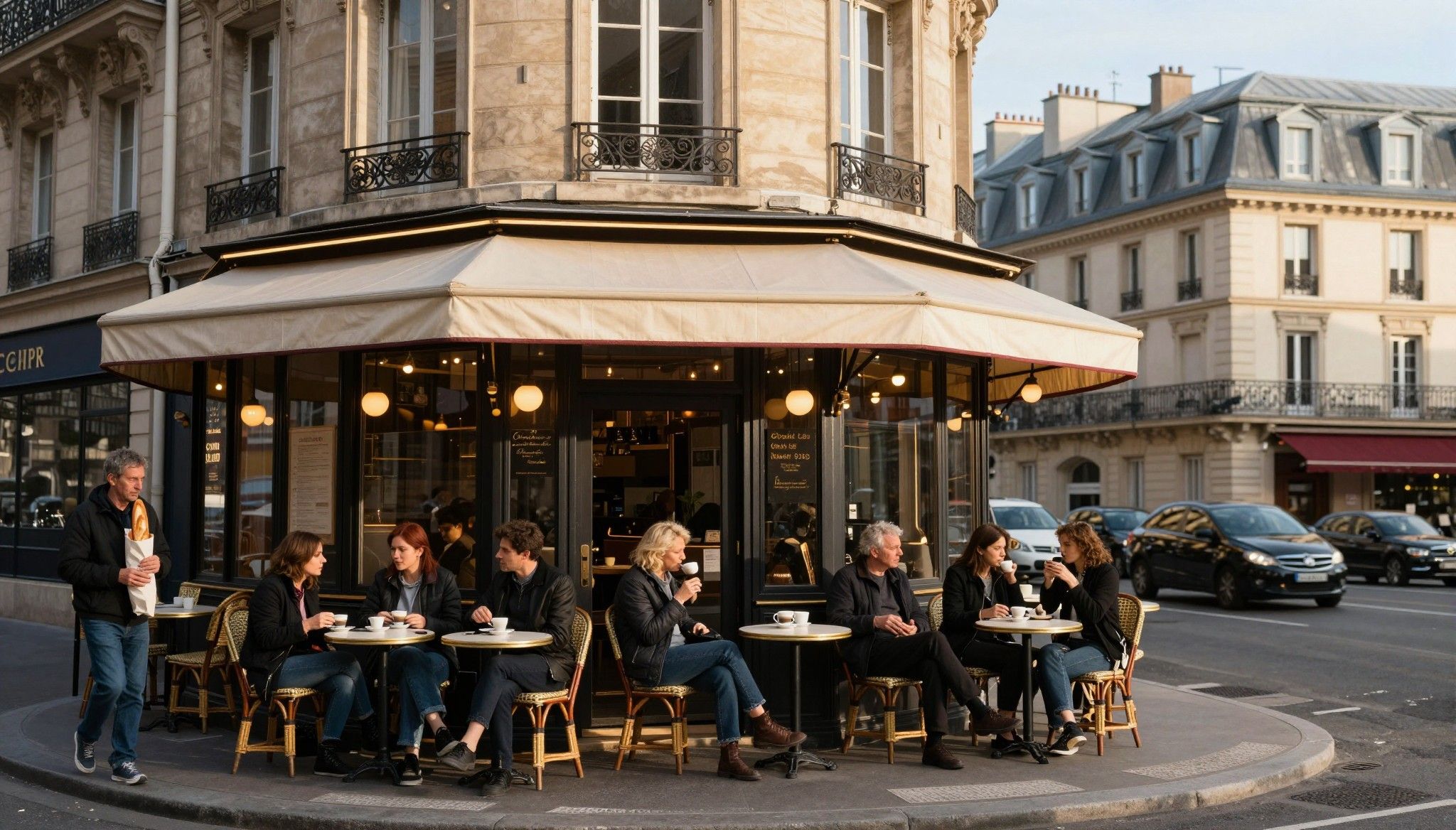
Imagine sipping a late‑afternoon espresso at Riva in Split, then slipping into a stone lane that smells of rosemary and sea salt. That sensory rhythm — sunlit mornings, market chatter, and the slow, maritime evening — is why people fall in love with Croatia. But the practical side matters: rising prices, ministerial consent rules for non‑EU buyers, and an emerging green‑loan landscape change how and when you buy. This piece blends place and process: the life you can have here and the financing choices that make it sustainable.
Living Croatia: daily rhythms and coastal intimacy
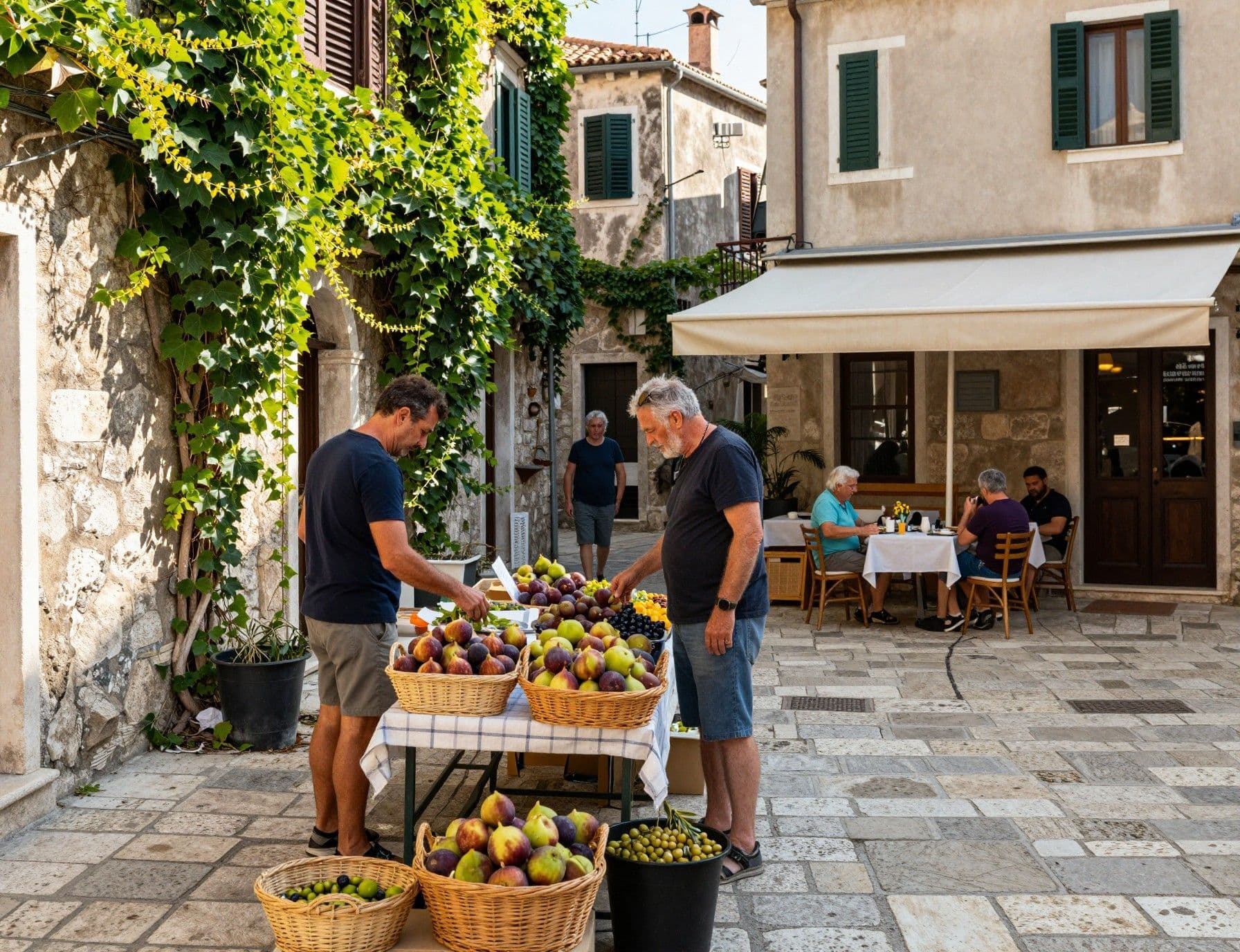
Croatia’s pace is a study in contrasts — a buzzy cafe scene in Zagreb, island‑slow afternoons on Hvar, and the quieter, pine‑framed coves along the Dalmatian coast. Days often begin with market runs: fresh figs, cheese from the hinterland, and a baker who knows your name. Evenings gather around shared plates of grilled fish and local pošip wine, or a neighbourhood konoba where neighbours trade news. For a buyer who values nature and community, these rituals shape where you’ll want to live more than headline price charts.
Neighborhood notes: Split’s Varoš, Dubrovnik’s Lapad, Istria’s Rovinj
Varoš in Split is narrow cobbles and family bakeries — a great match if you want sea‑side walks and a neighbourly social life. Lapad in Dubrovnik gives quiet tree‑lined promenades and easy access to beaches without the Old Town’s tourist crush. In Istria, Rovinj’s stone streets and olive groves suit buyers who crave artisanal food, weekend markets, and short drives to vineyards. Each place has a texture: cafes, small galleries, and local practices that make a house feel like a home.
Food, markets and weekday pleasures
From morning fish stalls at Zadar’s market to truffle foragers in Istria, food anchors daily life and local social calendars. Weekends may mean a drive inland for chestnuts and honey or a late lunch on a seaside terrace where children chase pigeons. For sustainable‑minded buyers, look for properties near producers and markets — a home connected to local food systems reduces waste and deepens ties to place. Those small, repeat rituals become the shape of life here.
Making the move: timing, rules and green finance
The romance of place meets specific legal and financial realities in Croatia. EU/EEA buyers generally enjoy simpler acquisition rules while non‑EU nationals typically need formal ministerial consent before registration. Meanwhile, official statistics show strong recent price growth — national house‑price indices climbed notably through 2024–2025 — meaning timing and financing choices materially affect total cost. Understanding both local rules and green financing options lets you buy in a way that suits a long‑term, low‑impact life here.
Property types and what they mean for daily life
Stone seafront apartments are cinematic and low‑maintenance, but often come with shared walls and tourist turnover; inland stone houses with courtyards give room for gardens and olive trees. New builds near Zagreb or Split increasingly include energy‑efficient systems and heat pumps, while historic homes reward sensitive retrofits with thick walls and passive cooling. Match type to rhythm: if markets and cafes are your daily life, prioritize walkable urban quarters; if olives and bees are the dream, search for properties with land.
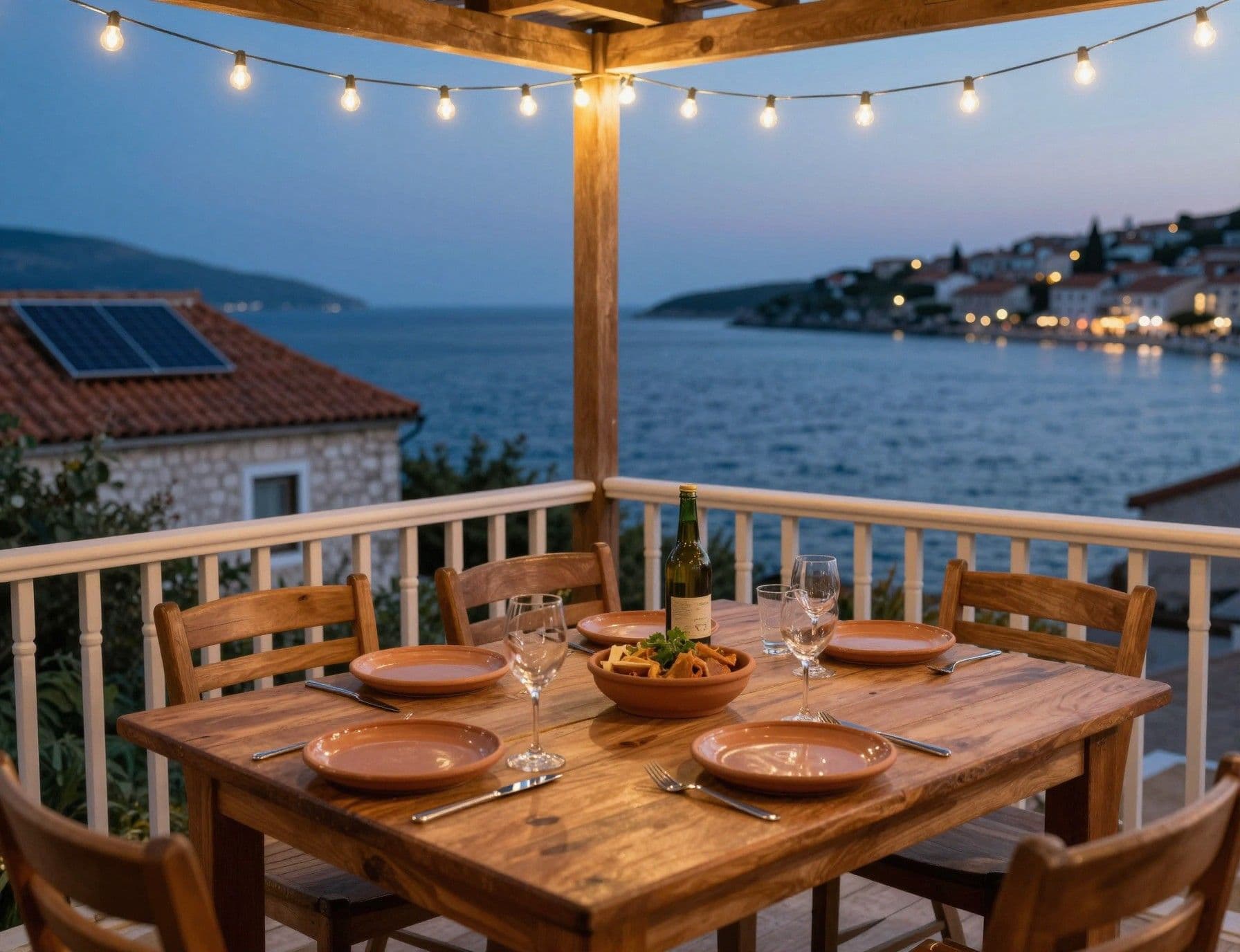
Green loan options are expanding in Croatia. Major banks — including local leaders — offer financing for energy retrofits, solar installations, and efficient heating systems. These products can lower monthly costs and raise a property’s long‑term resilience, while sometimes qualifying for favourable terms or EU‑backed support. When you pair a mortgage with a targeted retrofit loan, you not only reduce energy bills but also increase the property’s attractiveness for long‑term stewardship.
Insider knowledge: red flags, cultural cues and timing
Expat buyers often overlook three cultural and administrative features: reciprocity rules for non‑EU nationals, the cadence of local permits, and the seasonality that skews viewings. Locals know that summer viewings can be misleading — bright but busy — while off‑season visits reveal noise, insulation quality, and neighbourhood character. Use local counsel early, and treat the land‑registry and ministerial consent steps as non‑negotiable parts of your timeline.
What sellers often push that you can ignore
Sellers in coastal towns may overplay “panoramic sea views” while under‑mentioning storm exposure, parking limitations, or seasonal rental dynamics. Local agents sometimes prioritise saleable features — summer terraces, proximity to tourist spots — that don’t reflect off‑season living. For sustainable buyers, prioritize long‑term comfort: insulation, shading, water storage, and the capacity for solar generation matter more than a postcard view.
Practical checklist for green financing and compliance
Before you sign: verify land‑registry entries; confirm whether ministerial consent is needed for your nationality; request an energy audit if you plan retrofits; check local grid capacity for solar; and ask banks about combined mortgage+green loan packages. These steps shorten surprises and often reveal retrofit opportunities that pay back within a decade. Think of financing as part of stewardship — loans that finance efficiency are investments in the home’s ecological and financial future.
Bulleted lifestyle + practical highlights
Morning market runs (Zagreb Dolac, Split Market) — build proximity into your daily life and reduce food miles.
Check insulation and shutters — passive cooling reduces AC needs and operating costs.
Ask about ministerial consent timelines if you’re a non‑EU buyer — factor 6–12 weeks into your closing plan.
Look for properties with south‑facing roofs or terraces for solar potential; small upgrades often unlock green loan eligibility.
Step 1: Visit off‑season (autumn/winter) to test heating, noise and neighbourhood life. Step 2: Commission an energy audit and local legal due diligence. Step 3: Secure a conditional mortgage and apply for any green retrofit financing. Step 4: If required, submit ministerial consent with your lawyer and register at the land registry. Step 5: Plan a staged retrofit to spread costs and increase ecological performance.
Stories from buyers: small choices that changed everything
A family from Austria bought a modest stone house near Vrboska in Hvar and invested in insulation, a heat pump, and a small PV array. Their mortgage added green components at a lower rate, and their annual energy costs halved, making summer rentals optional rather than necessary. Another buyer chose an apartment in Rovinj because it placed them a five‑minute walk from markets and their bakery; the reduced car use became part of their sustainability calculus. Small financing choices made these lifestyles affordable and resilient.
If you want help: work with an agent who knows municipal permitting, a lawyer familiar with ministerial consent, and a local bank or broker who offers green mortgage add‑ons. A coordinated team turns an emotional decision into a well‑executed life change. In Croatia, the rewards are daily: the smell of pine after rain, late evening walks along pebble beaches, and neighbours who trade figs from their trees.
Conclusion: fall for the life first, fund it wisely second. Let the rhythm of markets and the specifics of local rules guide timing, lean into green finance to lower long‑term costs, and choose places that match daily rituals you can’t imagine living without. When lifestyle and financing are aligned, your Croatian home becomes both a sanctuary and a small act of stewardship.
Moss & HearthBritish expat who traded Manchester for Mallorca in 2017. Specializes in guiding UK buyers to luxury Spanish estates with clear navigation of visas and tax.
Related Articles
More insights that might interest you
 Villa Curated
 Villa Curated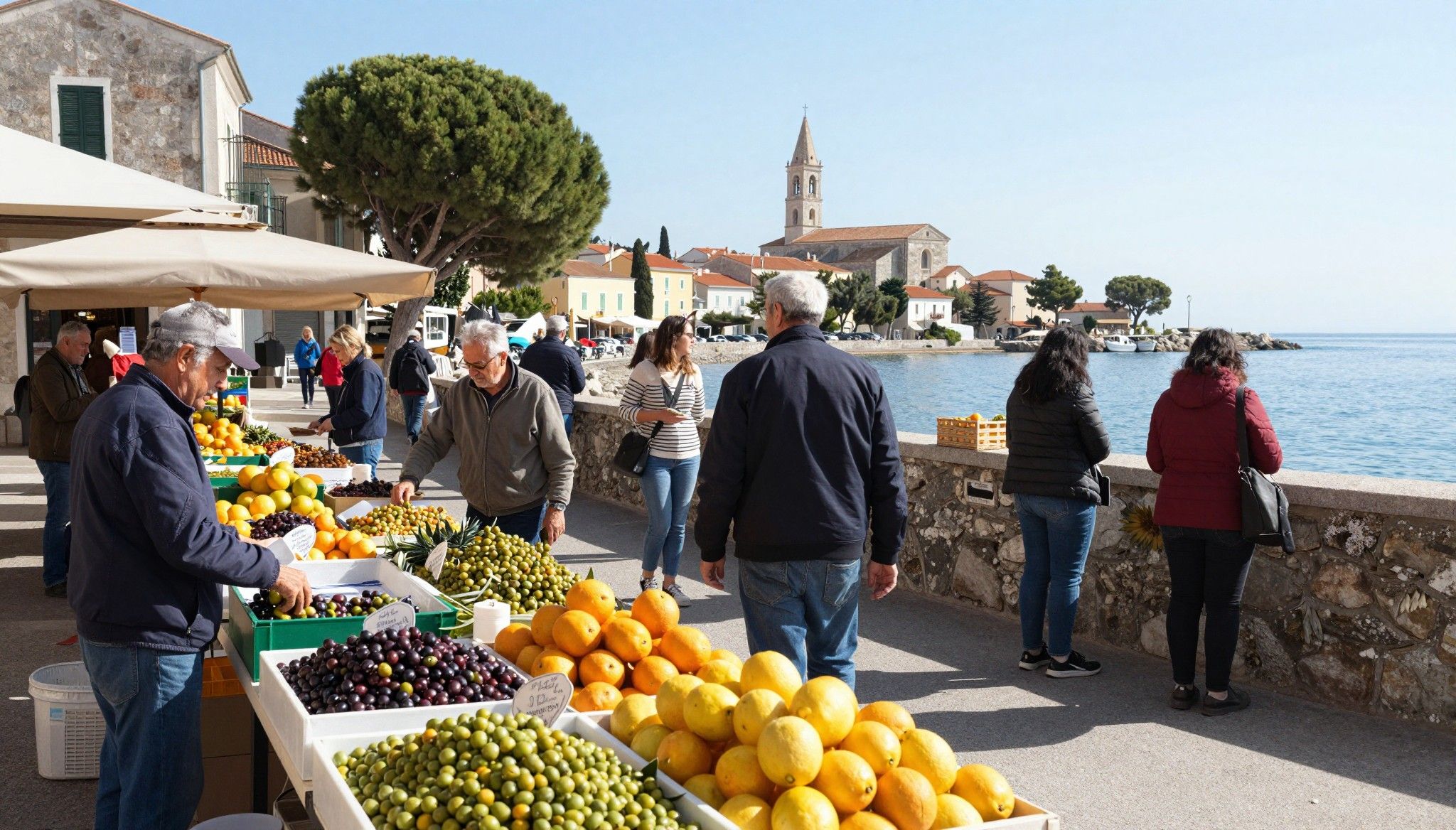
 The Yieldist

