
How Croatia’s Regulatory Shifts Reprice Rental Yield
Croatia’s coastal romance masks regulatory shifts that materially change rental returns; model compliance costs, tour‑registration and local taxes to protect yield.
 The Yieldist
Imagine waking to espresso steam on Split’s Riva, buying fish at Dolac Market, then signing a contract that actually changes how your yield will look next year. Croatia’s coastline sells a Mediterranean life, but the rules shaping returns have been shifting quickly — and that matters if you’re buying to earn.
Living Croatia: the everyday that sells the place
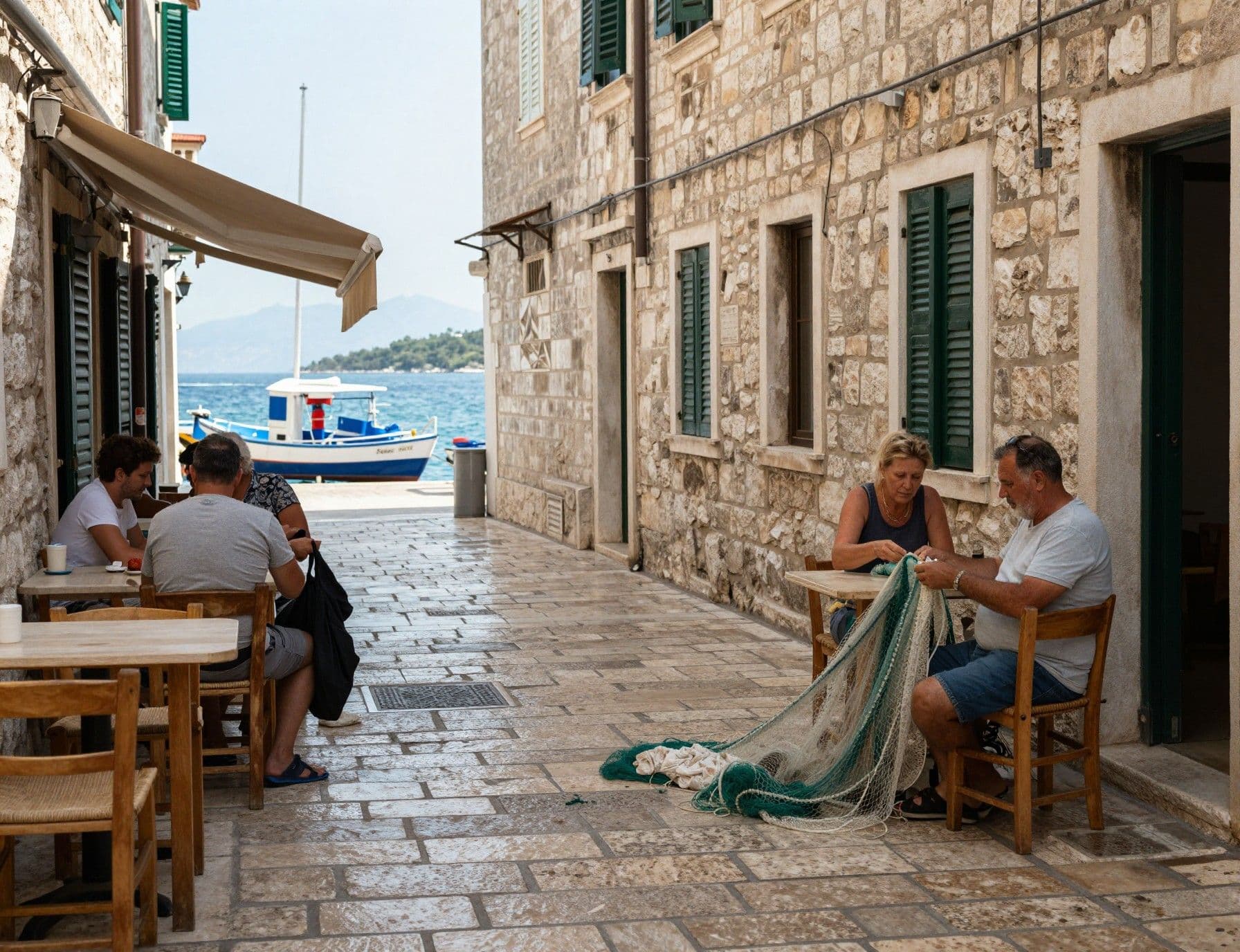
Days in Croatia move at a mix of relaxed coastal rhythm and efficient city cadence. In Split you’ll hear church bells and seagulls between café orders; in Zagreb, tram brakes and open-air markets set the tempo. The Mediterranean climate frames outdoor life for nine months of the year, and architecture — Dalmatian stone facades, Venetian alleys, austere Austro-Hungarian boulevards — gives each neighbourhood a clear personality that matters to both living quality and rental appeal.
Neighborhood pulse: Split’s Veli Varos and Zagreb’s Pantovcak
Veli Varoš in Split is narrow lanes, pebble beaches and apartments that attract summer holidayers and long-stay digital workers. Pantovčak in Zagreb offers leafy streets, international schools and stable long-term tenancy — two very different demand profiles with distinct yield behaviours. Know which rhythm you want: tourist-season spikes or steady urban rentals.
Food, markets and the calendar that shapes demand
From Pula’s Istrian truffles to Hvar’s summer yacht crowds, Croatia’s culinary attractions move people — and nights booked. Seasonality is extreme along the coast: July–August occupancy drives headline revenue, while off-season months determine net yield and long-term viability. That split between lifestyle and numbers is what smart buyers must price into offers.
- Lifestyle highlights: Dolac Market (Zagreb), Riva promenade (Split), Zlatni Rat (Brač), Poreč old town, Hvar harbour; late‑summer food festivals; weekend island ferries.
Making the move: where lifestyle meets regulation

The romantic image of buying a seafront apartment can collide with practicalities. EU citizens largely have the same acquisition rights as Croatians, but non‑EU buyers, agricultural land rules, and corporate structures affect what you can own and how quickly you can extract returns. Government guidance explains the basic eligibility and exceptions that change deal timelines.
Notable regulatory shifts that reprice returns
Recent policy changes have two investment effects: (1) formalising and taxing short‑term letting more strictly, reducing informal income; and (2) empowering local authorities to tax non‑primary residences more aggressively — both lower gross yields but support more long‑term rental stock. These changes are already shifting how investors underwrite Croatian coastal buys.
- How these rules change what you bid and why (stepwise)
1. Adjust projected gross yield down 1–3 percentage points to model stricter short‑let compliance and new local levies. 2. Price in registration and compliance costs (eTourism/unique unit IDs) and potential listing removal fines. 3. Stress‑test cashflow for off‑season months; require at least 6–9 months of operating expenses in reserve. 4. If non‑EU, budget for structure changes (local company formation) and possible ministerial approvals that delay closing.
Insider knowledge: expat realities and negotiation leverage
Expats tell a common story: you fall for a town’s lifestyle, then learn municipal rules and tax admin are the true gatekeepers of rental income. The silver lining is leverage — properties that needed informal short‑let income to be profitable are now cheaper and negotiable. If you can operate legally and manage compliance, you capture upside others cannot.
Cultural and practical due diligence that changes the offer
- Checklists investors use: verify local zoning for holiday lets; confirm utilities and ferry schedules (seasonal transport affects occupancy); ask neighbours about municipal enforcement; get a bilingual contract review; include compliance contingencies in offers.
What to ask your agent and lawyer right now
- Ask them to: confirm whether the unit has a valid tourism registration number; produce recent local tax notices for comparable properties; model net yields after transfer tax (3%) and likely local surtaxes; estimate time to close if a foreign buyer needs ministerial consent.
Two practical examples: modelling two identical Adriatic apartments, one priced for informal summer lets and the other priced for compliant long‑lets, shows expected net yield compression of roughly 120–250 basis points when compliance and local levies are included — a material difference for yield‑focused portfolios. Use a local tax briefing to quantify the shift for the exact municipality before bidding.
Long view: how regulation changes can create contrarian opportunity
Policy that curbs short‑lets often nudges stock back into long‑term rental pools, strengthening urban rental markets and supporting more predictable cashflows. For investors who prioritise net yield and tenancy stability, regulatory tightening can prune competition and raise sustainable rents — a classic ‘buy the pain’ opportunity if underwriting is disciplined.
- 1. Identify municipalities tightening short‑let rules and compare price drops vs. yield upside for long‑lets. 2. Prioritise properties with dual‑use legal status (long‑let friendly) to preserve flexibility. 3. Negotiate price reductions tied to compliance remediation costs (registration, retrofitting, safety certificates).
Real-world example: a Split micro-market
In Split’s Old Town a 45m² apartment that marketed for high summer rates had price resistance after tighter enforcement. A buyer negotiated a 7% discount and modelled a conservative 4% net yield after a 3% transfer tax and compliance costs — better long‑term risk‑adjusted return than competing coastal ‘hot’ buys priced for informal short lets.
Conclusion: fall for the life, buy with the spreadsheet. Croatia offers a rare mix of lifestyle and investible fundamentals, but recent regulatory changes mean the path to yield has become more technical. Treat municipal rules, tourism registration, and local tax shifts as part of the due‑diligence checklist; lean on local legal and tax expertise; and view regulatory‑induced price dislocations as potential entry points for long‑term, yield‑focused portfolios.
The YieldistBritish expat who moved to the Algarve in 2014. Specializes in portfolio-focused analysis, yields, and tax planning for UK buyers investing abroad.
Related Articles
More insights that might interest you
 Villa Curated
 Villa Curated
 The Yieldist


