Summer House‑Hunting in Croatia? Why August Kills Yield
Croatia's summer charm masks seasonal yield swings; buy by off‑peak data, diversify coast vs inland, and model rents conservatively to protect returns.
 The Yieldist
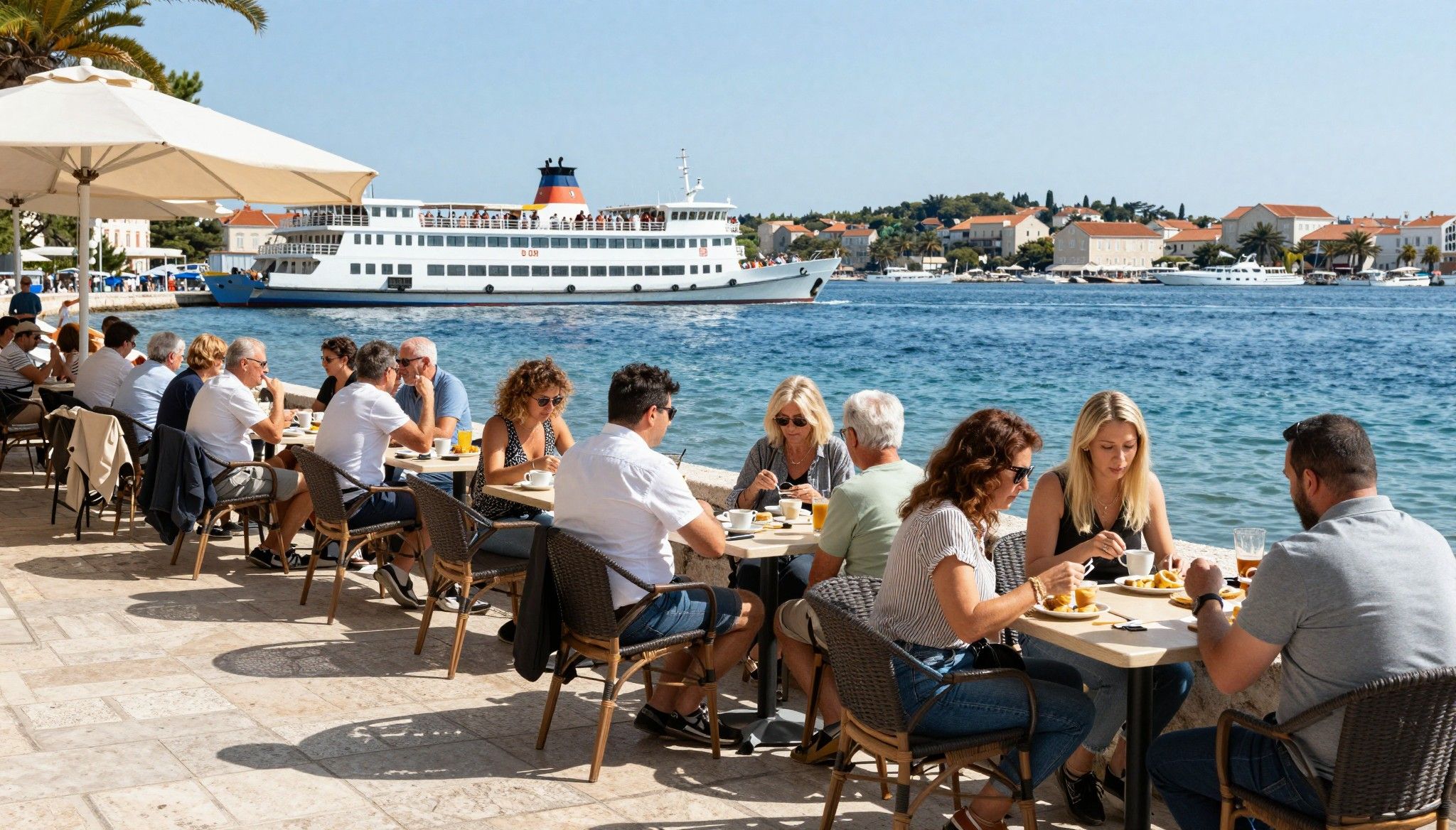
Imagine walking the Riva at dawn, espresso in hand, while the same waterfront that charms tourists quietly reshapes investors’ spreadsheets. Croatia’s coast sells a lifestyle — sunlit stone streets, island ferries and markets overflowing with greens — but beneath the postcards are hard market rhythms that matter to returns. This guide pairs the sensory Croatia you fall for with the data you need to buy smart, showing why timing, micro‑locations and seasonality can change yields by several percentage points. We'll use official stats and market reports to show where emotion meets economics so you can love the place and still justify the numbers.
Living the Croatia lifestyle
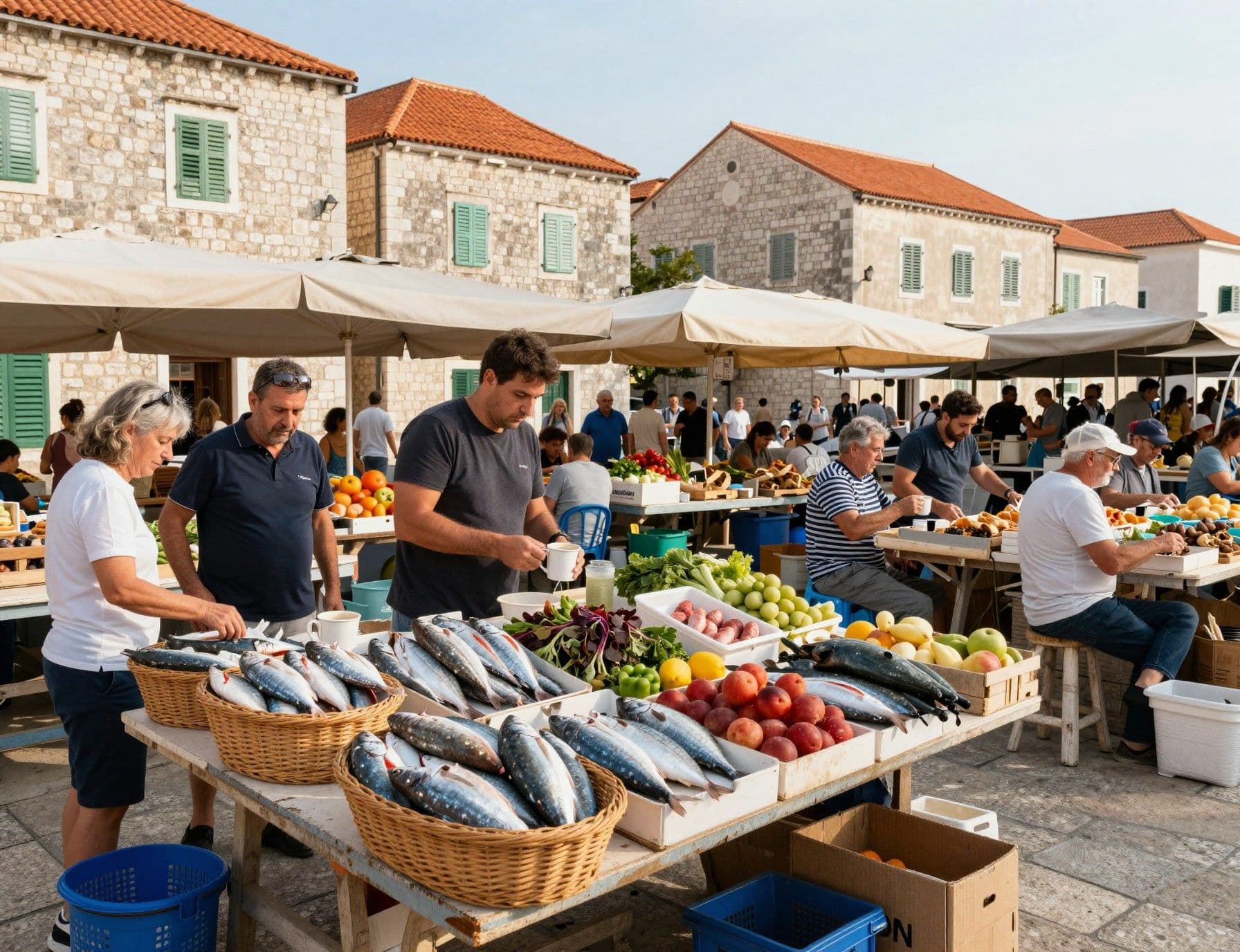
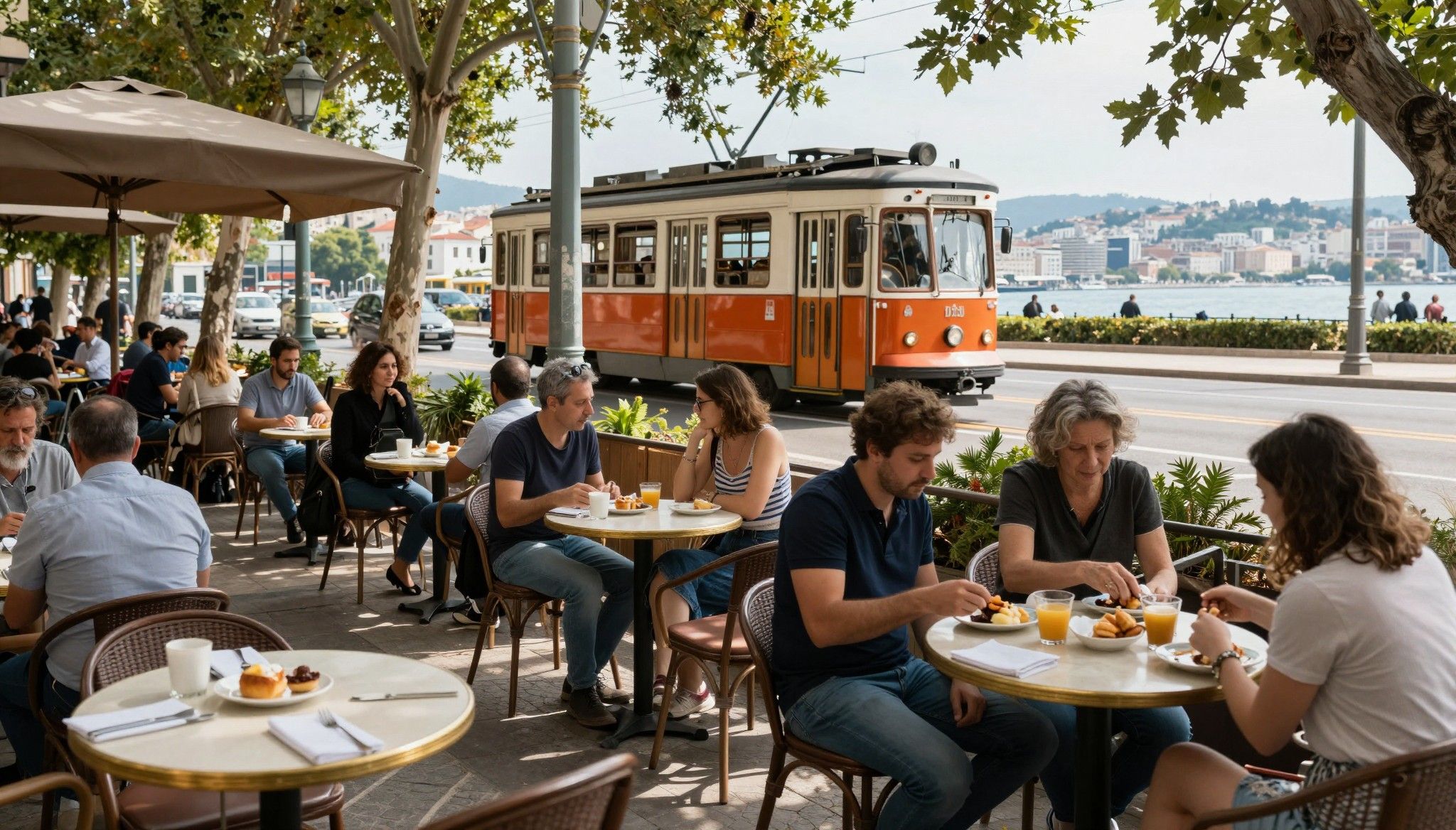
Croatia feels like two countries at once: an Adriatic mosaic of island life and an inland rhythm centred on markets, town squares and layered history. Mornings in Split begin with bakers on Marmontova and fishermen hauling in catches at the Fish Market, while Zagreb hums with year‑round cafés and coworking nodes. Weather and seasonal tourism shape how streets feel—summer is busy, compact and commerce‑heavy; autumn and spring reveal neighborhood character and long‑term resident life. For buyers, lifestyle wins are real: accessible coasts, strong food culture and a compact urban scale that supports walkability and rental demand.
Coastal micro‑scenes: Split, Dubrovnik and hidden islands
Split offers a mix of Roman walls, modern apartments and a year‑round resident base in neighbourhoods like Varoš and Spinut. Dubrovnik is tourism‑intensive: the Old Town is a high‑style short‑stay market while suburbs such as Lapad offer steadier long lets. Islands like Brač and Hvar swing between owner‑occupied villages (Povlja, Sutivan) and concentrated rental pockets near marinas. Each micro‑scene has different rental seasonality and operating costs — factors that shift net yields materially.
Inland life: Zagreb, Istria and viniculture villages
Zagreb provides an offset to coastal seasonality: stable year‑round demand from students, professionals and long‑term renters, especially around centres like Donji Grad and Trešnjevka. Istria mixes tourism and local industry — Pula and Rovinj combine cultural draw with agritourism and wine‑country appeal. For buyers focused on rental yield rather than peak season premiums, inland towns often deliver steadier occupancy and lower operating costs. Lifestyle there is quieter but still richly social: markets, family‑run konobas and weekend vineyard rituals.
- Lifestyle highlights: morning markets, coastal ferries, island tavernas, Zagreb café culture, local festivals (e.g., Dubrovnik Summer Festival), hidden beaches like Stiniva (Vis).
Making the move: practical considerations
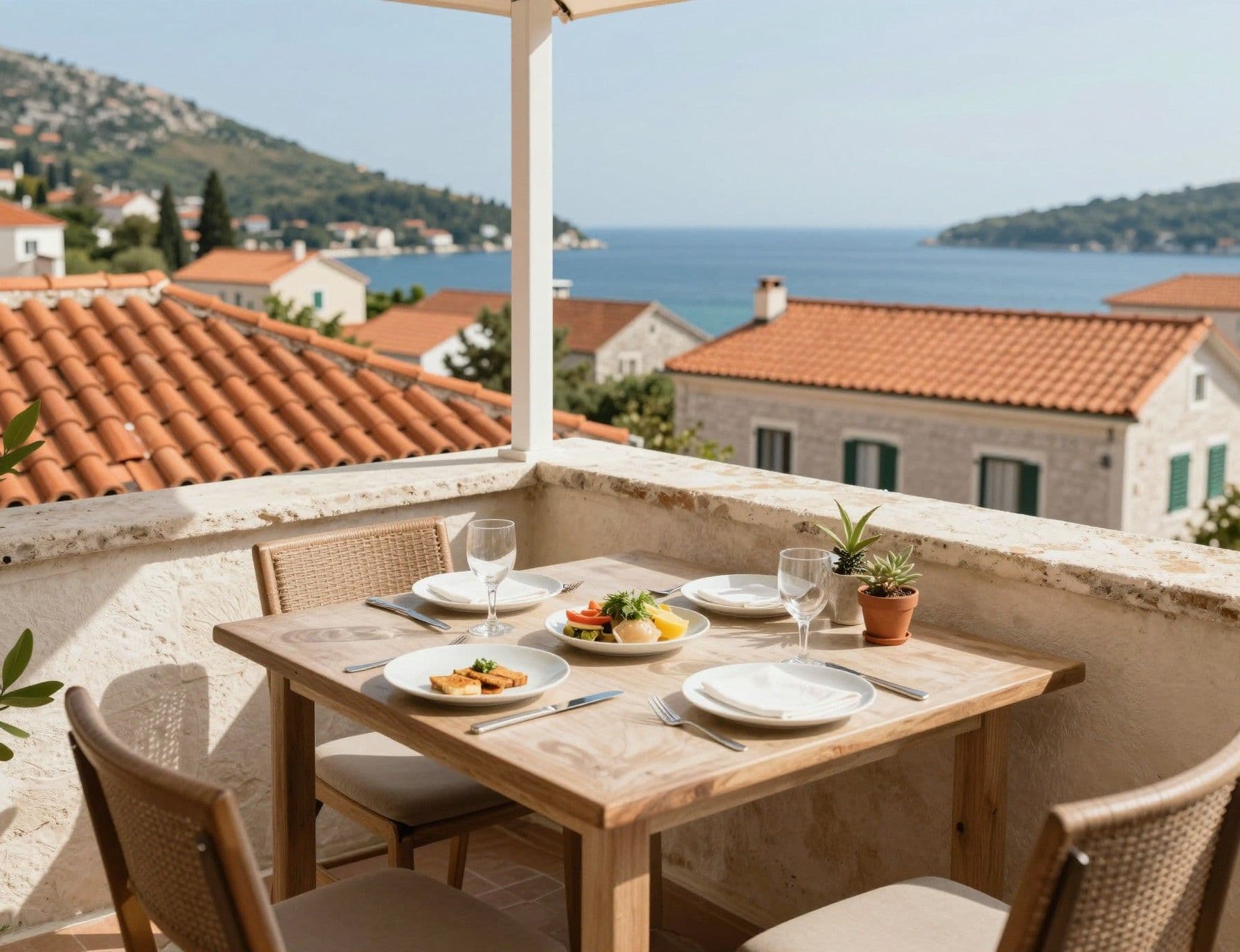
Lifestyle decisions must be reconciled with market realities: national house price indices rose in recent years and coastal asking prices outpace inland averages, squeezing affordability and lowering cap rates in hot micro‑markets. Official Croatian statistics show meaningful price growth through 2024, and market reports indicate continued momentum into 2025, particularly in Zagreb and Split. That combination — rising prices, concentrated demand and seasonal rental spikes — means buyers need to model yield under conservative occupancy and expense assumptions. The single biggest mistake is pricing rental income to peak summer nights instead of year‑round averages.
Property types and how they perform
New builds on the coast command premiums per m² but often carry higher maintenance and municipal fees; old stone apartments in historic centres deliver strong nightly rates but face stricter conservation rules and renovation costs. On average, national asking prices for flats climbed to around €3,600/m² in 2025 with coastal cities like Split showing higher figures. For yield seekers, mid‑range renovated apartments in secondary streets often beat showpiece seafront units on net yield after operating costs and vacancy. Consider construction quality, heating/cooling costs and legal restrictions on renovations when estimating capex.
Working with local experts who know both life and law
Experienced local agents, tax advisers and notaries translate lifestyle preferences into legally sound investments — from permits to realistic rental modelling. Agencies with deep micro‑market data can advise on streets that trade like the centre but cost less, and they can flag regulatory details such as short‑term rental registration and tourist tax compliance. Use experts to stress‑test your assumptions: ask for historical occupancy data, seasonal yield curves and actual expense breakdowns rather than optimistic headline rents. Local knowledge prevents emotional overbidding during summer visits.
- Practical steps blending lifestyle and finance: 1) Visit off‑peak (Oct–Apr) to assess neighborhood life, 2) Request 3 years of rental performance data before buying, 3) Model yields with 50–60% of peak nightly rates for conservative estimates, 4) Factor in island logistics (ferry seasonality) and 5) Insist on professional energy and structural inspections.
Insider knowledge: what expats wish they'd known
Expats often arrive enchanted by July afternoons and make decisions on emotion — then discover the rest of the year tells a different cash‑flow story. Recent market analyses show strong nominal price growth, but transaction volumes have softened, signalling a market where prices and liquidity diverge. Owners who plan for long‑term capital appreciation and stable net yield tend to favour properties in walkable towns with year‑round economies, not purely tourist‑dependent strips. Local community ties, reliable property managers and a modest reserve fund for seasonal maintenance are the pragmatic secrets of satisfaction.
Cultural integration and daily life realities
Croatians value direct relationships and local service rhythms — small shops close mid‑afternoon in some towns, markets dominate weekends, and municipal processes run at a deliberate pace. Learning basic Croatian phrases and showing patience in administrative matters speeds transactions and builds goodwill with neighbours and local contractors. For rental landlords, respecting local customs — quiet hours, communal space rules — reduces complaints and preserves the asset’s reputation. Integration is a practical asset: tenants and service providers respond to trusted owners.
Long‑term lifestyle + market sustainability
EU membership, recent macro stability and improving transport links support Croatia’s long‑run property story, but rising prices concentrated in a few coastal hubs increase correlation risk across a portfolio. Diversify: pair a coastal short‑stay with an inland long‑let or Zagreb apartment to smooth yield and reduce vacancy risk. Monitor policy shifts around short‑term rental registration (EU‑level data rules) and national tax amendments — these can reprice the case for holiday lets quickly. A balanced portfolio retains lifestyle access while protecting aggregate return.
- Insider red flags to watch: overreliance on peak summer revenues; lack of documented occupancy history; properties with unresolved heritage restrictions; missing clear access during off‑season (island ferries); and optimistic broker pro‑forma rents without expense line items.
Conclusion: Croatia rewards buyers who pair affection with analysis. Fall in love with its markets by spending time there across seasons, then let the data define the price you pay and the yield you expect. Ask for documented occupancy, model conservatively, diversify geographically inside Croatia and work with advisers who translate local lifestyle into reliable cash flows. If you want help converting a specific neighbourhood’s lifestyle into a yield model, a local analyst can build a scenario with real listings and historical occupancy to test your assumptions.
The YieldistDutch investment strategist who built a practice assisting 200+ Dutch clients find Spanish assets, with emphasis on cap rates and due diligence.
Related Articles
More insights that might interest you
 Villa Curated
 The Yieldist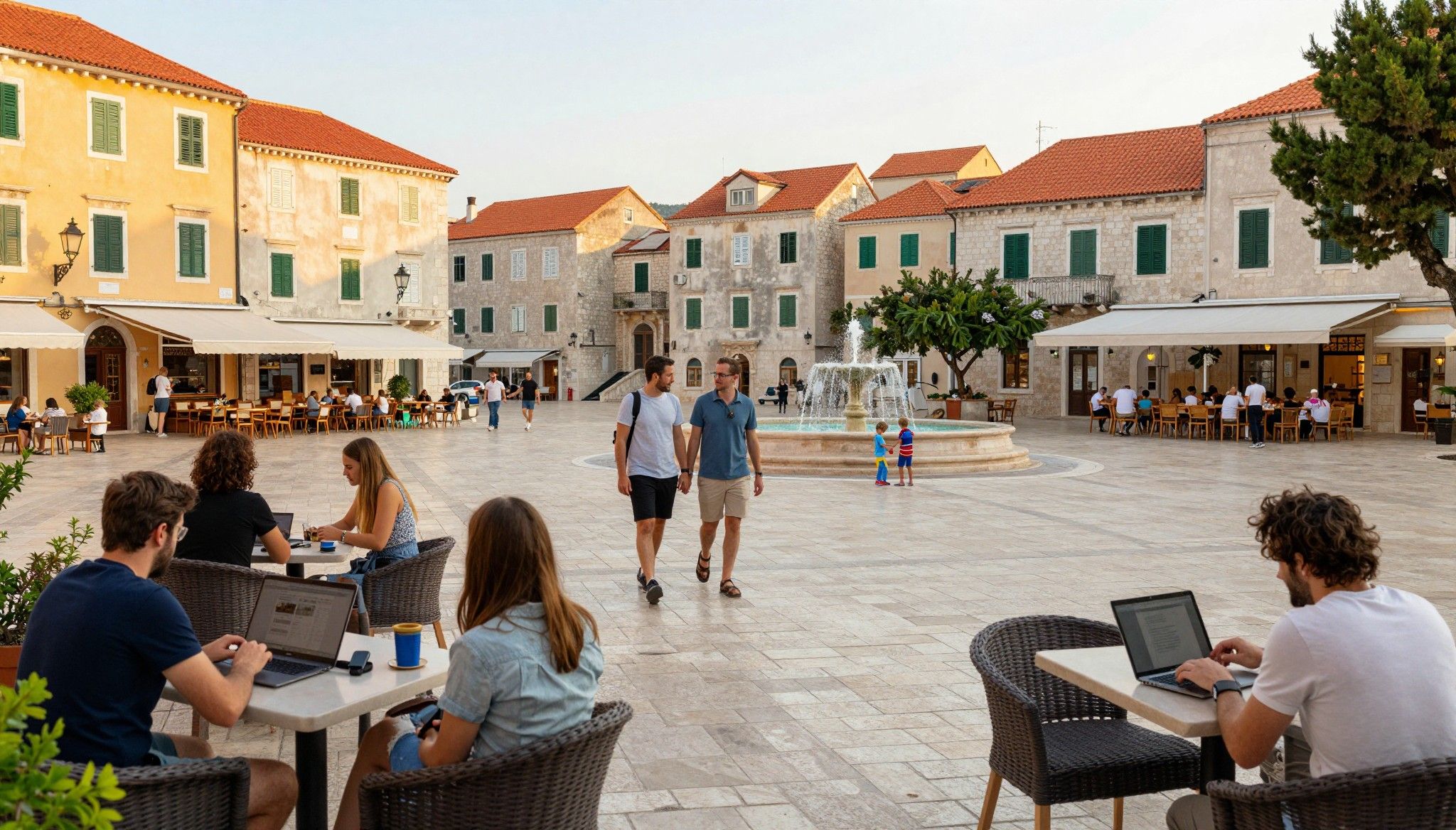
 MoveSettleGo

