The French mortgage myth: non‑residents can borrow
Contrary to myth, non‑residents can access French mortgages and predictable acquisition costs — plan seasonally, secure local pre‑approval, and prioritise stewardship.
 Villa Curated
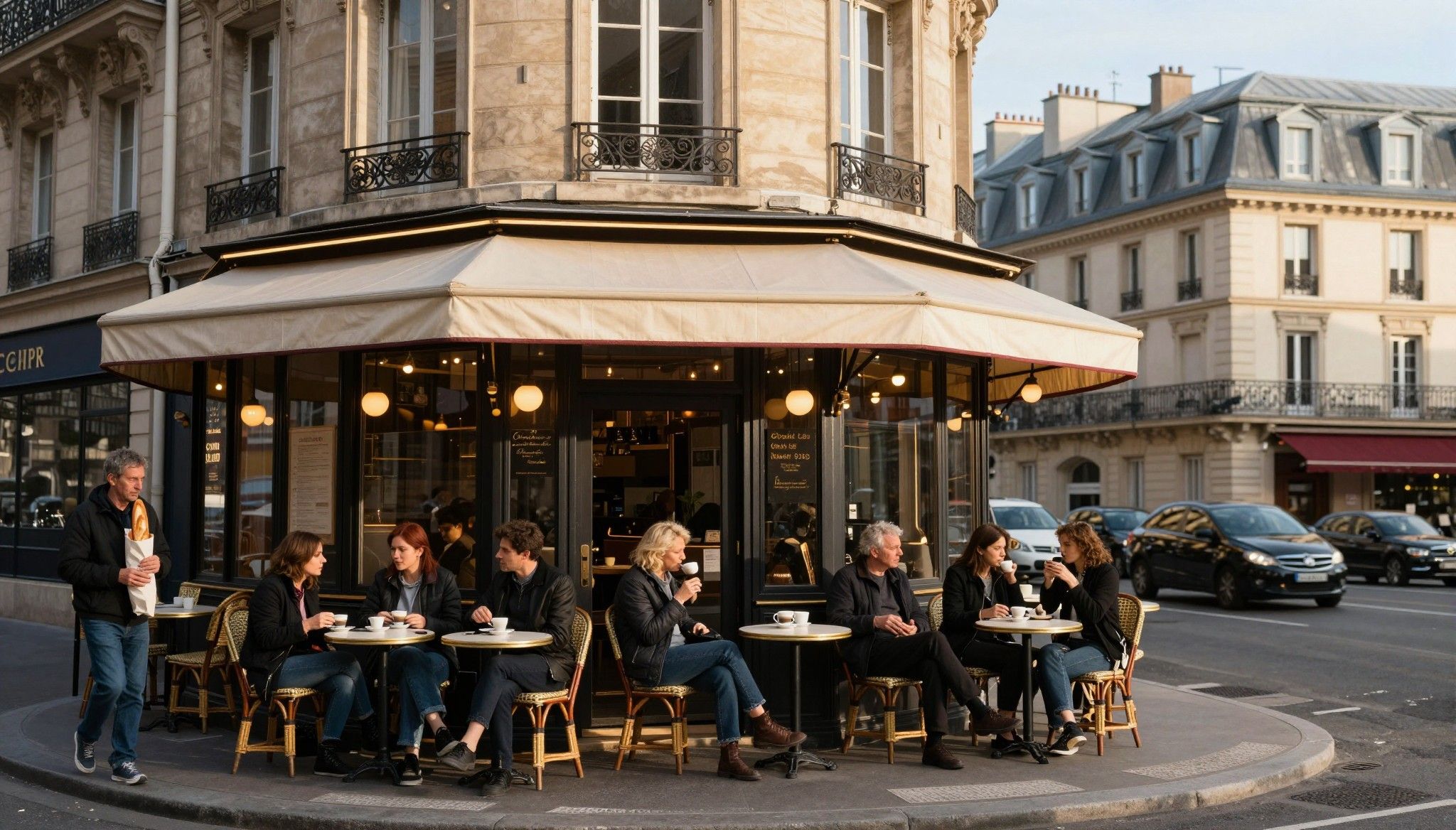
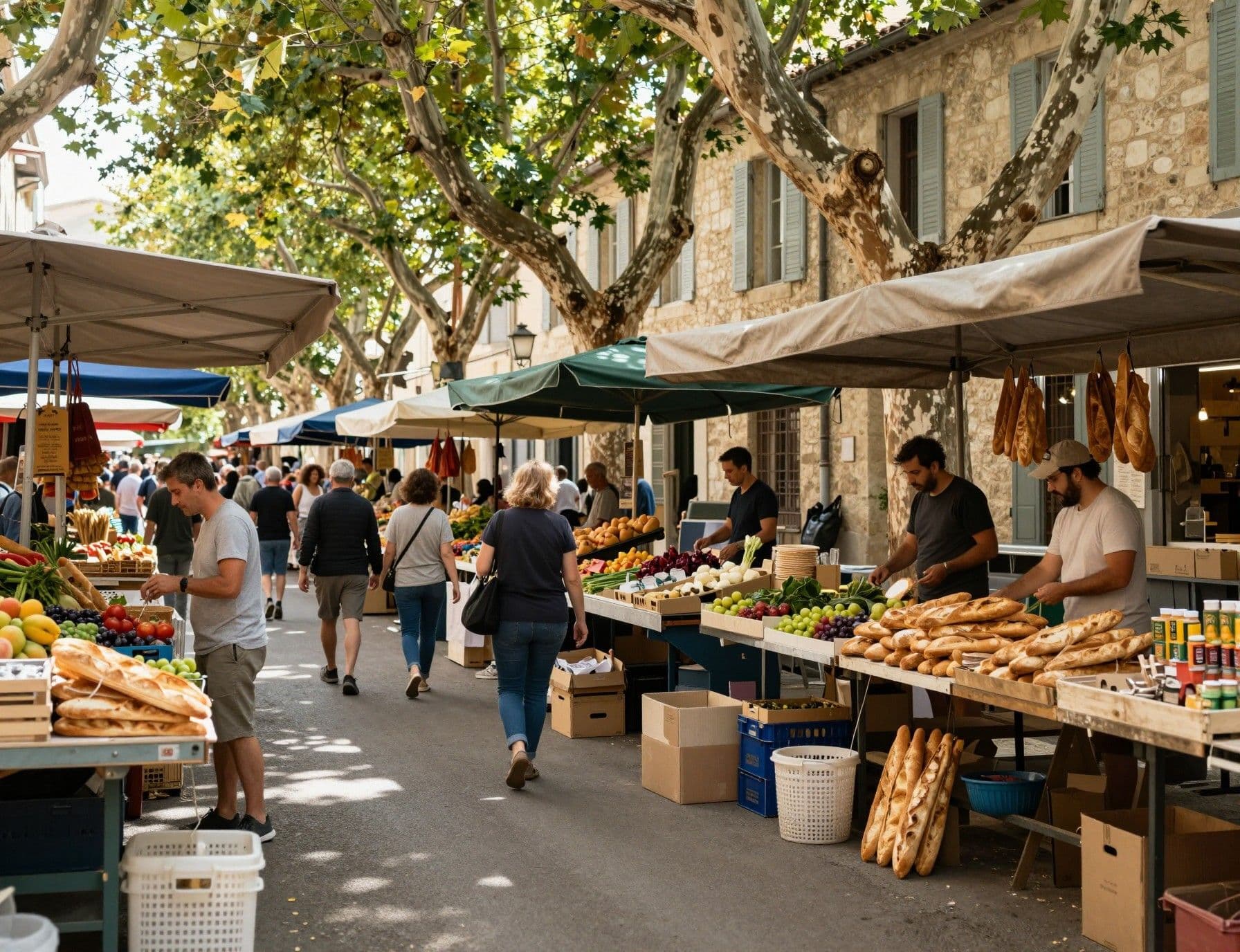
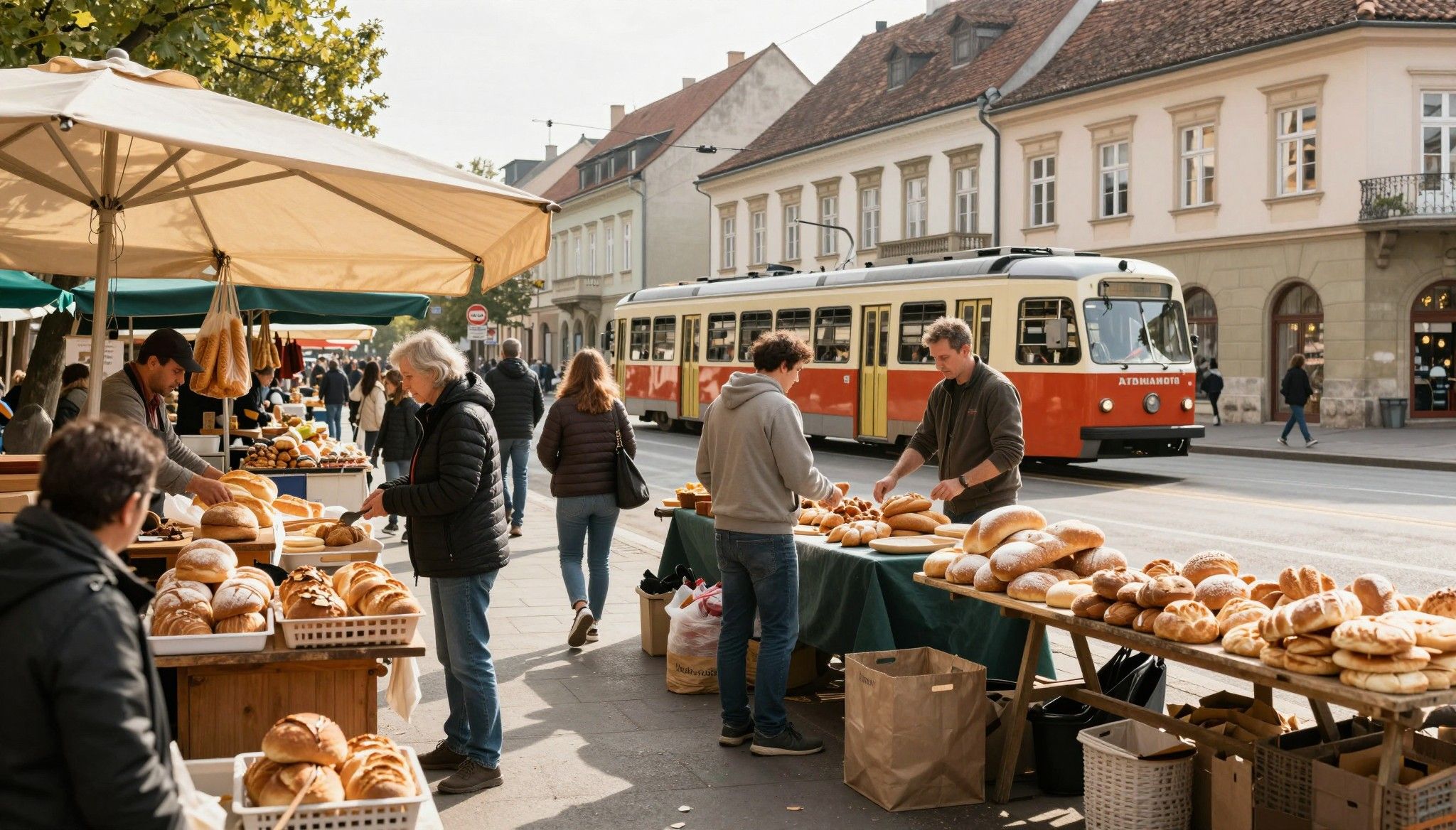
Imagine a late‑morning in Aix‑en‑Provence: the marché hums, a boulanger’s scent threads through plane trees on Cours Mirabeau, and a sunlit apartment on Rue Mignet looks every bit like a generational home. That sense of permanence is exactly why international buyers come to France — yet the path from daydream to deed is more pragmatic than poetic. Here I set aside platitudes to show how French financing quietly favours prepared buyers, what surprises to expect, and the small, deliberate choices that turn a purchase into a life.
Living the French life — texture before transaction
France is less a single lifestyle than a palette: historic stone terraces in Sarlat, formal Haussmann boulevards in Paris, lavender fields ringing Luberon hilltops, and the pared‑back Riviera clarity of Menton. For an international buyer the question is not merely which view but which daily routine: market mornings, long lunches, quiet evening promenades, or short commutes to regional TGV stations.
Neighbourhoods that shape a life
Choose the Marais and you inherit cobbles, small bookstores and an easy walk to Place des Vosges. Choose Nice’s Gambetta and mornings are café‑centric, with Provençal markets two streets away. In Bordeaux, Saint‑Pierre rewards the collector with antique shops and a quiet, pre‑war rhythm. These textures determine practical needs — storage for market purchases, floor plans that suit multigenerational stays, and heating systems tuned to cooler, damp winters.
Food, seasons and the rhythms of property use
A property’s value is lived: summer terraces in Île‑de‑Ré, winter light in Lyon’s old town, chestnut season in Dordogne. That seasonality affects rental potential and running costs. If you plan seasonal letting, check local municipal rules: some coastal and historic centres restrict short‑term rentals and require registration.
- Lifestyle highlights to weigh when choosing where to buy: 1) Weekly markets (Marche Forville, Cannes); 2) Proximity to TGV or regional airports; 3) Local cuisine scenes (bistros vs. gastronomic restaurants); 4) Conservation or protected area status; 5) Community life (local associations, artisans)
Making the move: financing with French realities in mind
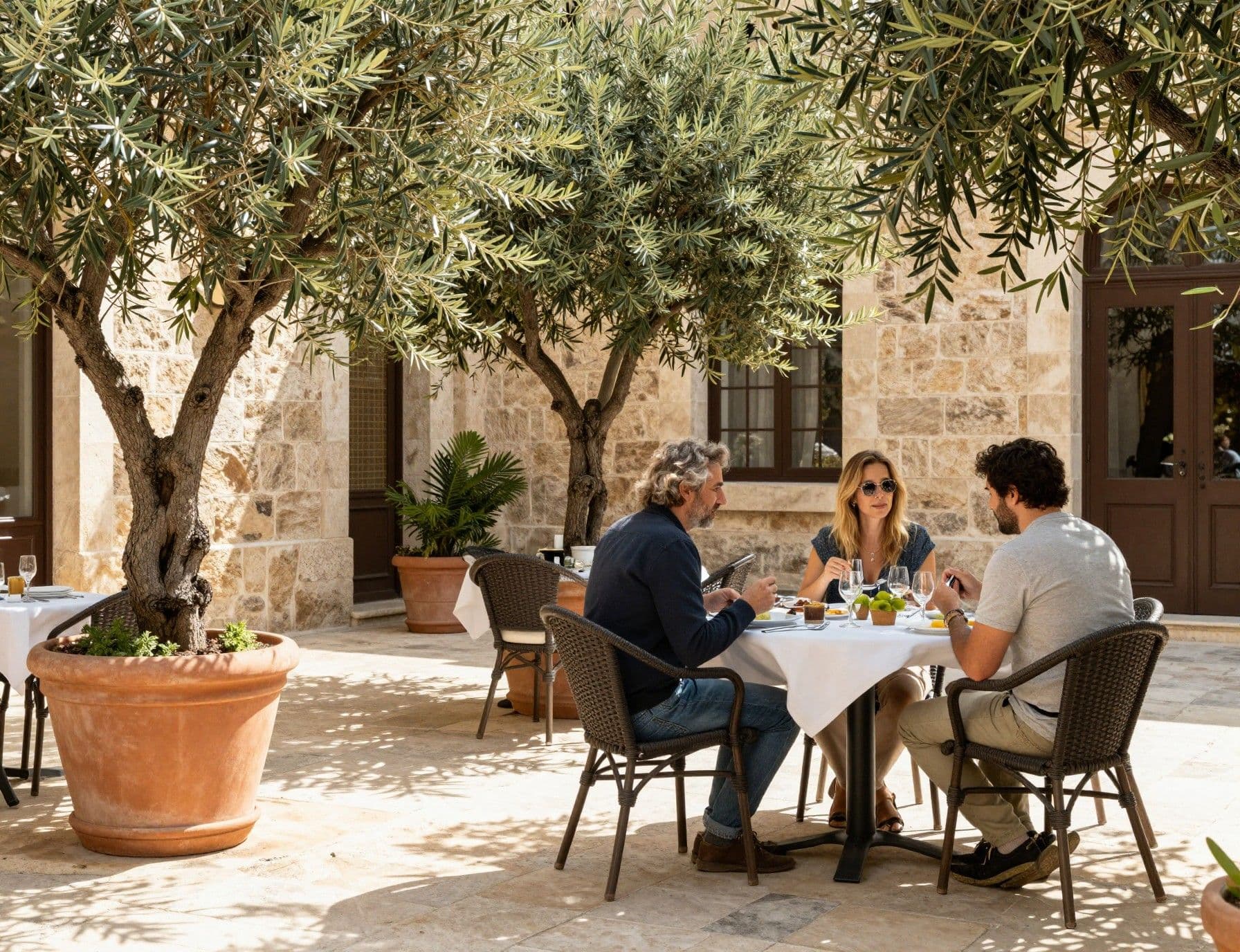
Practical realities quickly replace romance. Non‑resident buyers commonly assume banks refuse mortgages or that French fees are opaque. In truth, major lenders and specialist banks offer loans to non‑residents, not always at the headline‑low rates reserved for locals, but often at competitive packages when supported by clear documentation. Expect notary (frais de notaire) and local taxes to add materially to purchase costs; these are well‑defined rather than mysterious. For specifics on acquisition costs and local tax responsibilities consult notary guidance and the tax administration.
Property types and the finance they invite
A 17th‑century stone house in the Loire carries different financing considerations from a modern apartment in Lille. Older properties often require renovation budgets and specialized insurance; new builds may qualify for reduced notary fees. Lenders will look at energy performance (DPE), rental potential and restoration scope when valuing collateral. If your vision is restoration, budget an extra 10–20% for conservative contingencies.
Working with local experts
- Steps to secure finance and protect lifestyle expectations: 1) Obtain a comfort letter or pre‑approval from a bank that lends to non‑residents; 2) Retain a notaire early to clarify acquisition taxes and any conservation constraints; 3) Commission an energy audit and structural survey before finalising offers; 4) Discuss currency and transfer plans with your bank to limit FX exposure; 5) If renting seasonally, verify municipal rules and any compulsory registrations.
Insider knowledge: what expats wish they'd known
Expats often underestimate the administrative rhythm of France: documents translated and apostilled, tax declarations, and a notaire’s cadence that prioritises legal certainty over speed. A common regret is buying a property because it photographs well in high summer, only to find winter light, humidity or heating costs alter the lived experience. Another is overlooking municipal rules that restrict lettings in historic centres.
Cultural integration and daily life
Language eases the practicalities: a few months of conversational French transforms meetings with artisans, notaires and neighbours. Social life in France is local; join market mornings, library events or a pétanque club in summer to accelerate belonging. These choices influence which neighbourhood feels right and, consequently, which financing and property type you prioritise.
Longer‑term stewardship
Buying in France is often a commitment to stewardship: older homes reward thoughtful maintenance and sensitive upgrades. Consider reliable local property management, especially if you'll be absent seasonally, and factor recurring communal charges, local taxes and insurance into long‑term budgets. A modest up‑front investment in good advisors often preserves both lifestyle and capital.
- Red flags and practical checks before you bid: 1) Missing energy diagnostics (DPE); 2) Unclear servitudes or shared access agreements; 3) Municipal short‑term rental bans; 4) Unexplained increases in departmental transfer tax (check current local rates); 5) No reserve for communal works in co‑owned buildings
Conclusion: fall in love deliberately. Let the market’s measured rhythm work for you: visit in multiple seasons, secure local pre‑approval, and choose advisors who appreciate provenance as much as price. The right property in France is not merely an asset; it is the stage for a different daily life. When you plan with both aesthetic and fiscal clarity, the purchase becomes the first act in a durable life abroad.
Villa CuratedHaving moved from Stockholm to Marbella in 2018, I help Scandinavian buyers navigate Spanish property law, restoration quality, and value through authentic provenance.
Related Articles
More insights that might interest you
 Villa Curated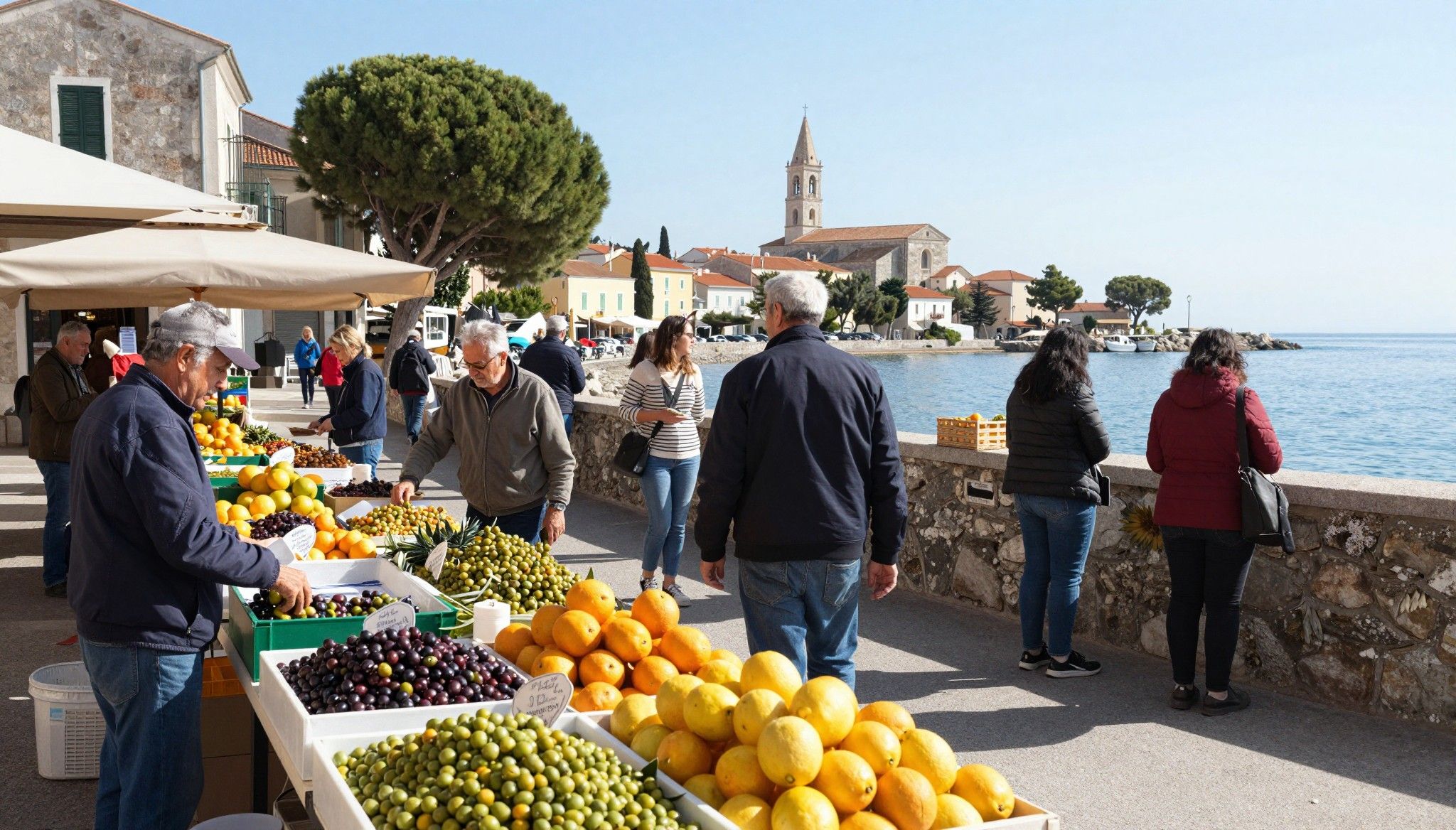
 The Yieldist
 The Yieldist


