Greece: How Transport Upgrades Reprice Property Value
Transport upgrades — metros, regional airports and ferries — are the overlooked drivers that reprice Greek property values and steadier rental yields.
 The Yieldist
Imagine stepping out for espresso on a sun-washed Athens side street, catching a tram into a neighbourhood that’s just had a new metro stop — then flying, two hours later, to an island where a renewed regional airport just cut travel time by half. That improved connectivity is quietly reshaping where Greeks and investors live, work and rent.
Living the Greece lifestyle — transit first
Greece’s appeal is obvious — turquoise water, tavernas, a rhythm of long summers — but daily life now hinges on transport layers: metros in Athens, upgraded regional airports, ferries that run year-round and improved road links. Tourist totals climbed sharply in recent years, pressuring short-stay demand but also encouraging infrastructure investment that benefits year-round residents and long-stay renters. These are the connectivity levers that change value, not just view premium.
Athens: urbanity rewired
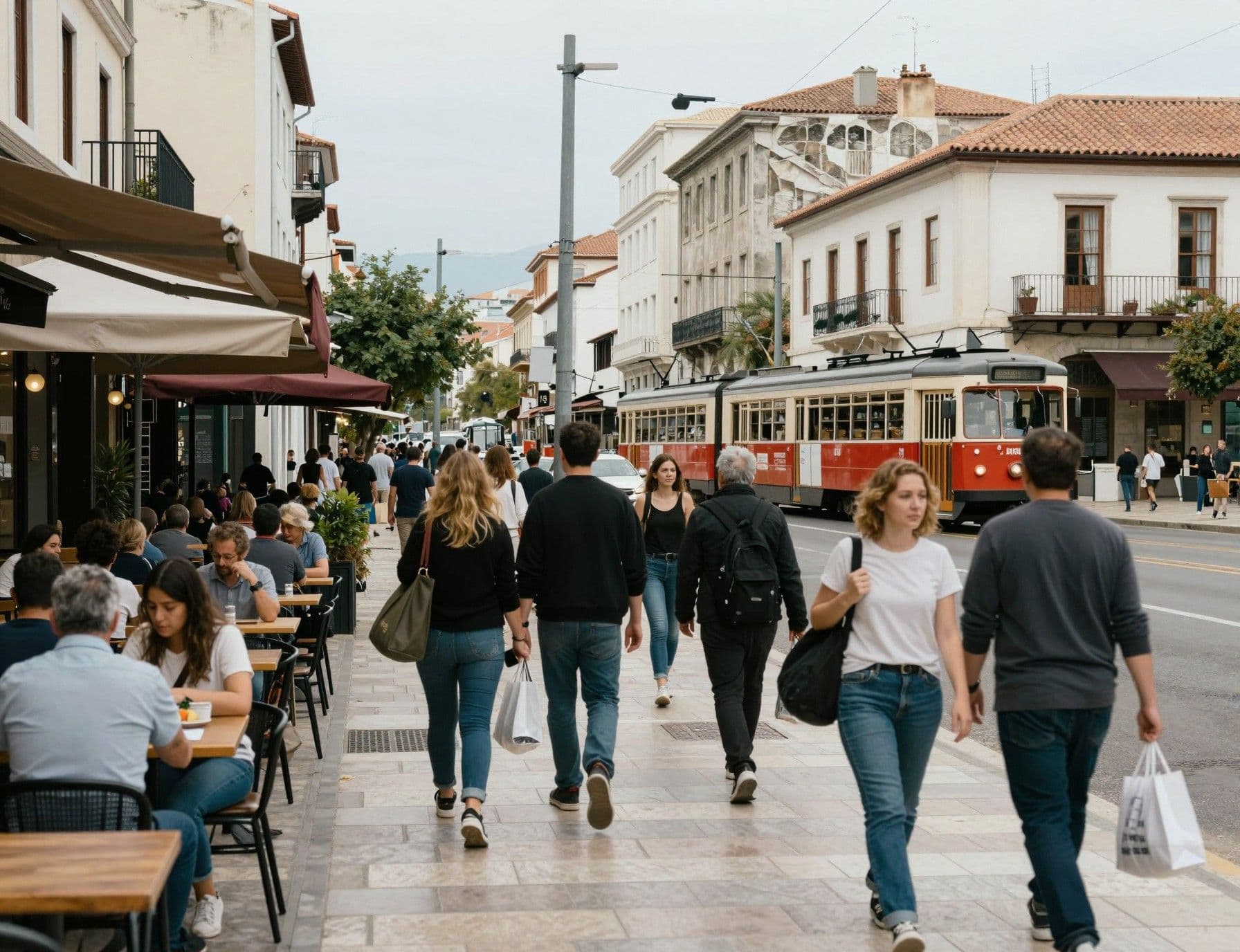
Athens has moved past 'centre or coast' choices. New metro extensions and tram upgrades are altering rent gradients — areas once priced for convenience now extend outward. Think Kato Petralona and Kypseli gaining daily convenience, while pockets near future Line 4 stations will attract longer-term tenants seeking shorter commutes to business hubs.
Islands & regionals: airports matter more than coastline
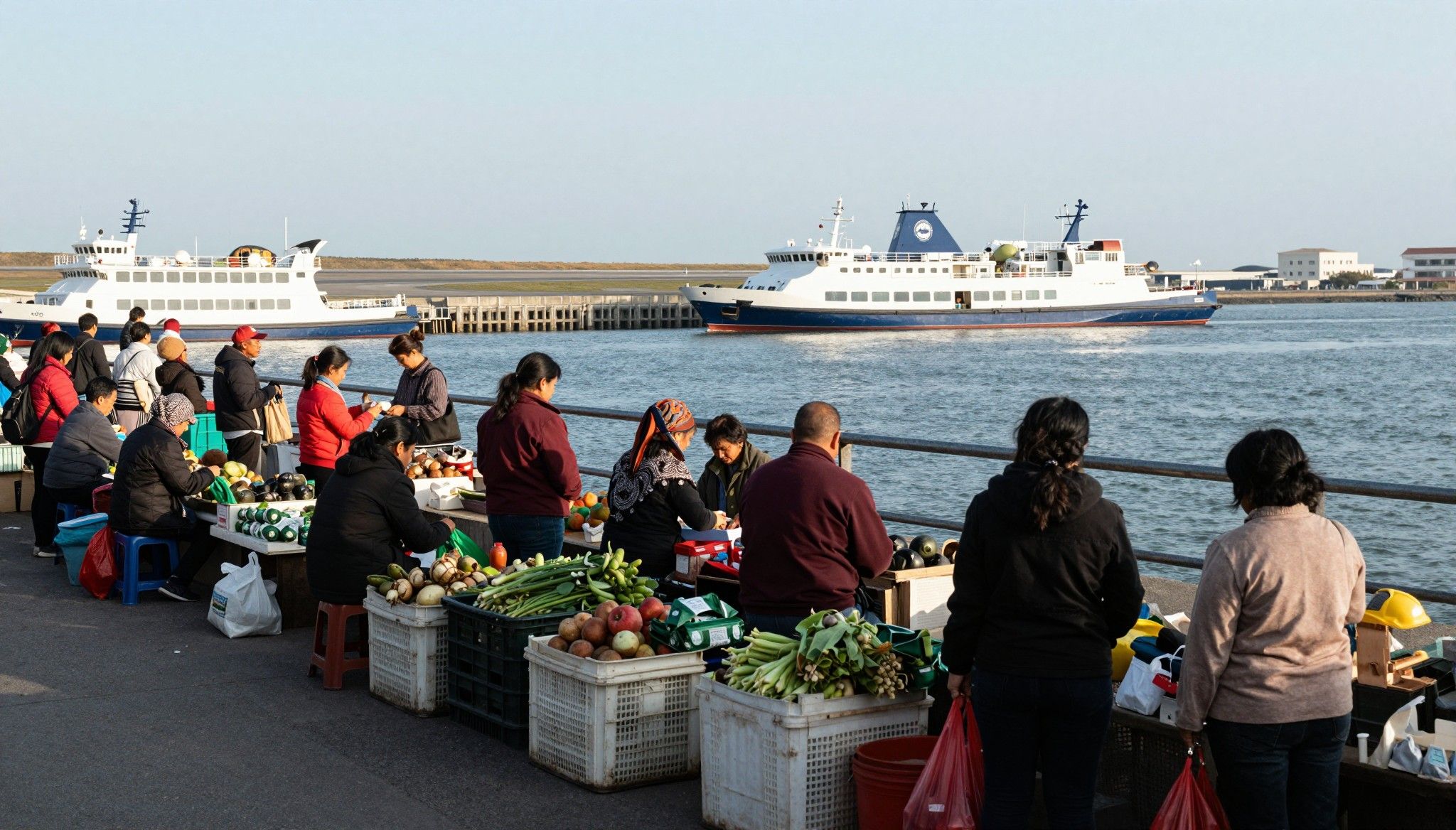
Upgrades to regional airports (terminals, runways, schedules) have a larger investment effect than a sea view alone. Improved air links increase off-season occupancy and create consistent rental demand; islands with reliable year-round flights see reduced seasonality and steadier yields compared with those reachable only by slow ferries.
Making the move: practical realities that mirror the lifestyle
If lifestyle is the why, infrastructure is the how: transport determines rental seasonality, resale pools and even which buyer segment you’ll attract. Recent policy shifts (including Golden Visa thresholds and digital-nomad permits) change demand composition — more high-net-worth buyers in selected islands, more long-stay remote workers in better-connected towns.
Property types and commuting realities
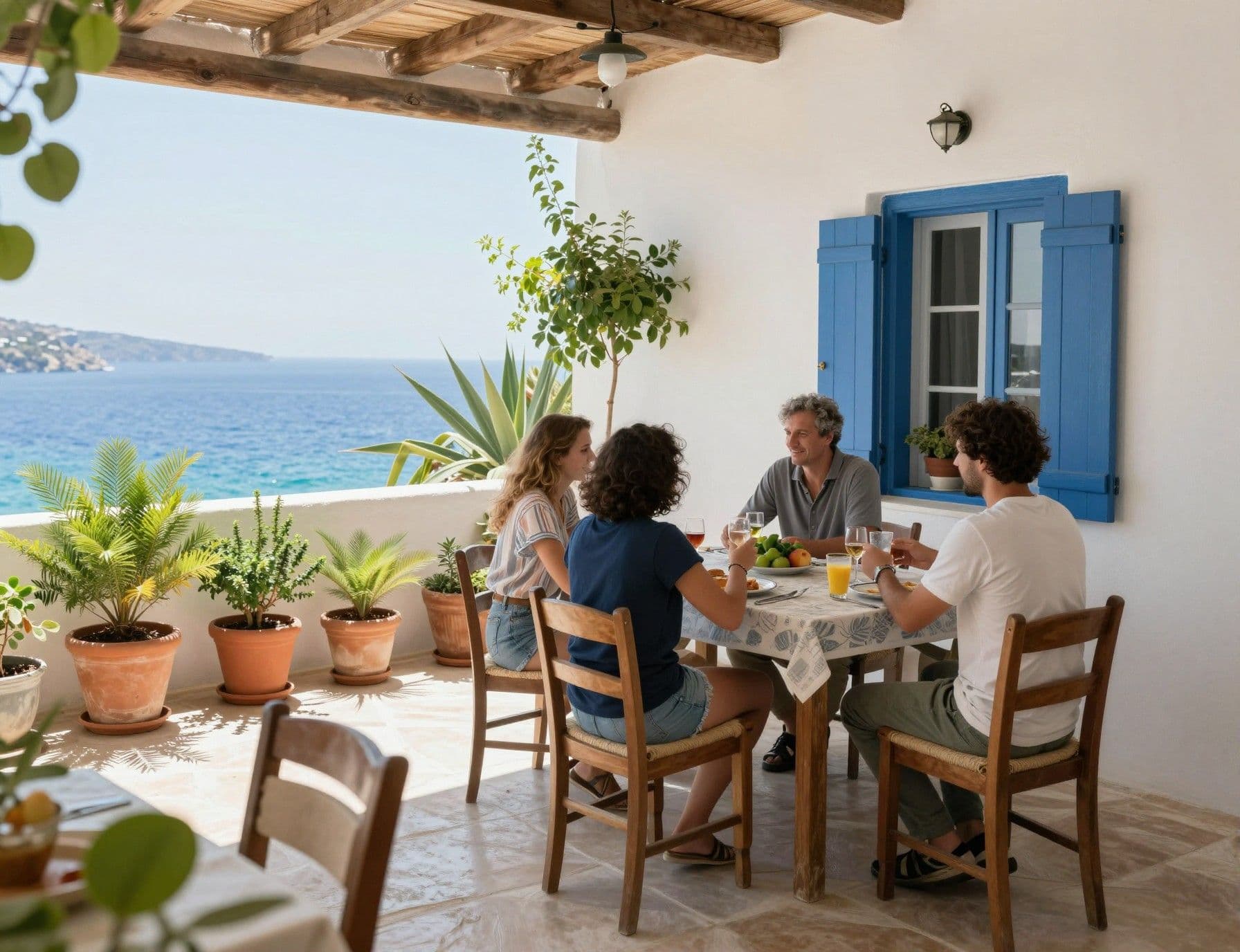
A compact apartment near a new metro stop trades at a premium for ease of day-to-day life and yields predictable urban rents. Conversely, a villa on a well-connected island with scheduled winter flights commands higher total-occupancy across the year. Match asset class to connection quality, not just scenery.
Working with local experts who quantify connectivity
Local agencies and planners can model commute-time isochrones, short-stay occupancy curves and transport capex timelines. Ask for three datasets: current transit schedules, planned infrastructure delivery dates, and winter flight frequencies. Those inputs change yield forecasts more than cosmetic renovations.
Ask agents for these transport-data points:
Exact metro/tram stop distances (meters) and expected journey time to central business districts
Airport frequencies in winter months (flights per week) and year-over-year passenger trends
Ferry schedules and average crossing times during off-season (important for islands)
Insider knowledge: what expats wish they’d known
Expats often arrive enchanted by sun and food, then stumble over seasonality and transport gaps. The better path: prioritise year-round connectivity first, then lifestyle. That trade-off reduces vacancy risk and improves rental predictability — especially for income-focused buyers.
Cultural integration and mobility
In smaller towns, weekly markets, kafeneia (coffee houses) and local municipal services cluster around transport nodes. Being near a bus hub or ferry terminal accelerates social integration: language classes, clubs and community services tend to set up where people can get to them easily.
Long‑term outlook: which improvements reprice value
Major transport upgrades (airport concessions, metro construction, improved ferry fleets) typically reprice nearby property within 3–7 years. Use conservative estimates: model a 5–10% value uplift over three years if delivery meets schedule, but stress-test for delays — Greek infrastructure projects can and do slip.
Practical steps to align lifestyle with returns:
1) Map target tenant profiles (short-stay tourists, long-stay remote workers, local families) and quantify demand seasonality.
2) Request transport timelines and confirm delivery milestones with municipal planning offices or contractors.
3) Price in downside: assume 15–25% longer delivery and model yield at conservative occupancy rates.
4) Choose local property managers with proof of off-season performance and documented traveller/tenant conversion rates.
Conclusion: If you want Greece for lifestyle, buy it where transport delivers that lifestyle year-round. The romantic island with summer-only ferries will feel perfect for three months and sit empty the rest of the year; the better investment is the connected neighbourhood with coffee culture, reliable flights and metro access. Ask agencies for transport-backed yield scenarios — treat the timetable as fundamental as the title deed.
The YieldistBritish expat who moved to the Algarve in 2014. Specializes in portfolio-focused analysis, yields, and tax planning for UK buyers investing abroad.
Related Articles
More insights that might interest you
 Villa Curated
 Villa Curated
 The Yieldist


