Close in France: Negotiate Green Clauses, Not Just Price
Close in France by negotiating green clauses, maintenance covenants and lifestyle protections — use stabilising market conditions to turn your purchase into long‑term stewardship.
 Moss & Hearth
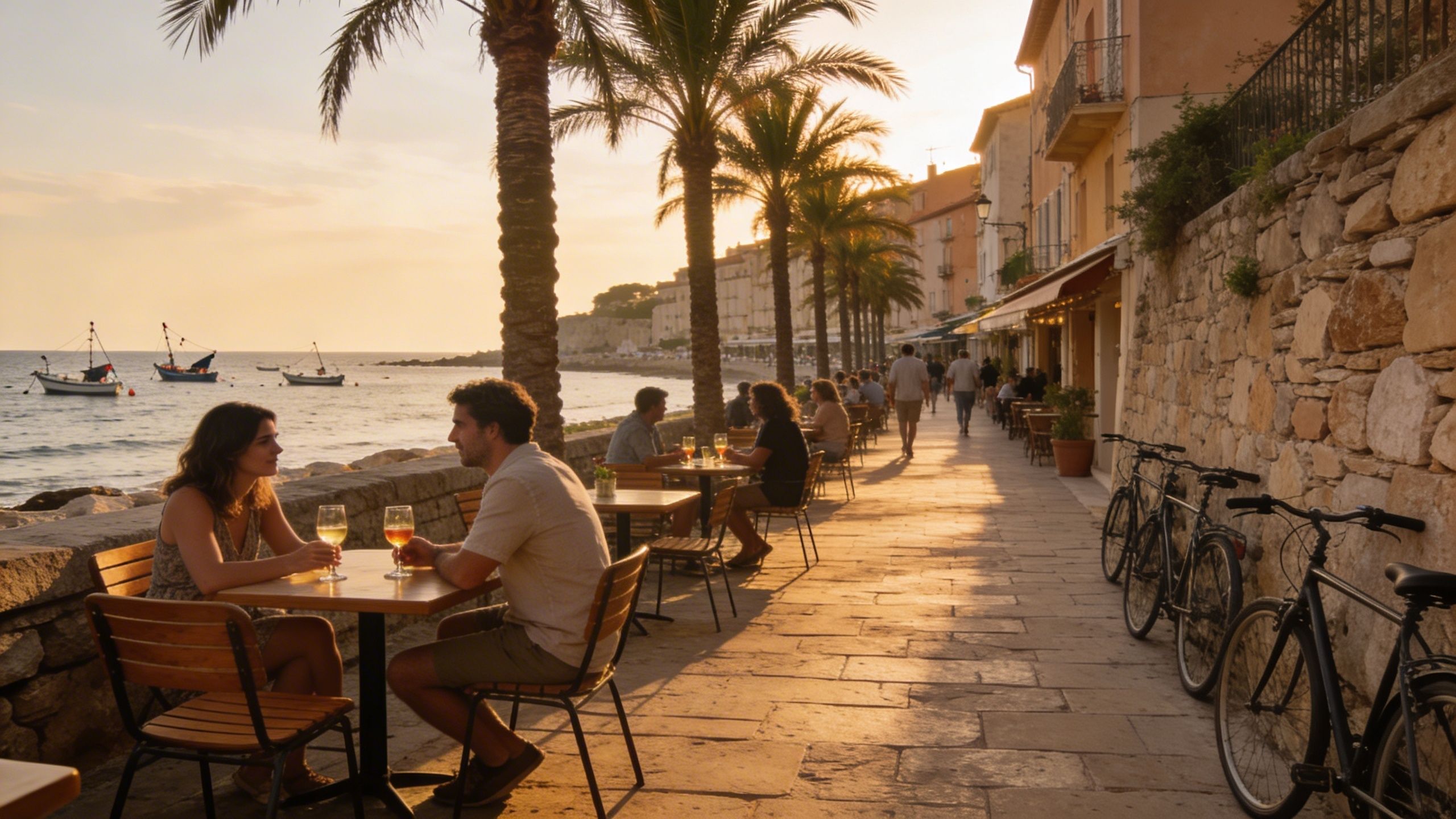
Imagine opening your shutters in a stone cottage outside Aix‑en‑Provence, the scent of lavender threaded through morning air, while a neighbour carts fresh figs to the market. In France, home is lived outside as much as inside — terraces, village squares, boulangeries and communal gardens shape daily rhythms. But closing here asks for more than a good offer: it asks you to respect land, heritage and seasonal life. Small negotiation choices — a clause about mature trees, a commitment to energy upgrades, or shared stewardship of a communal well — can shape the decade you’ll actually live here.
Living the French life: texture, rituals and place
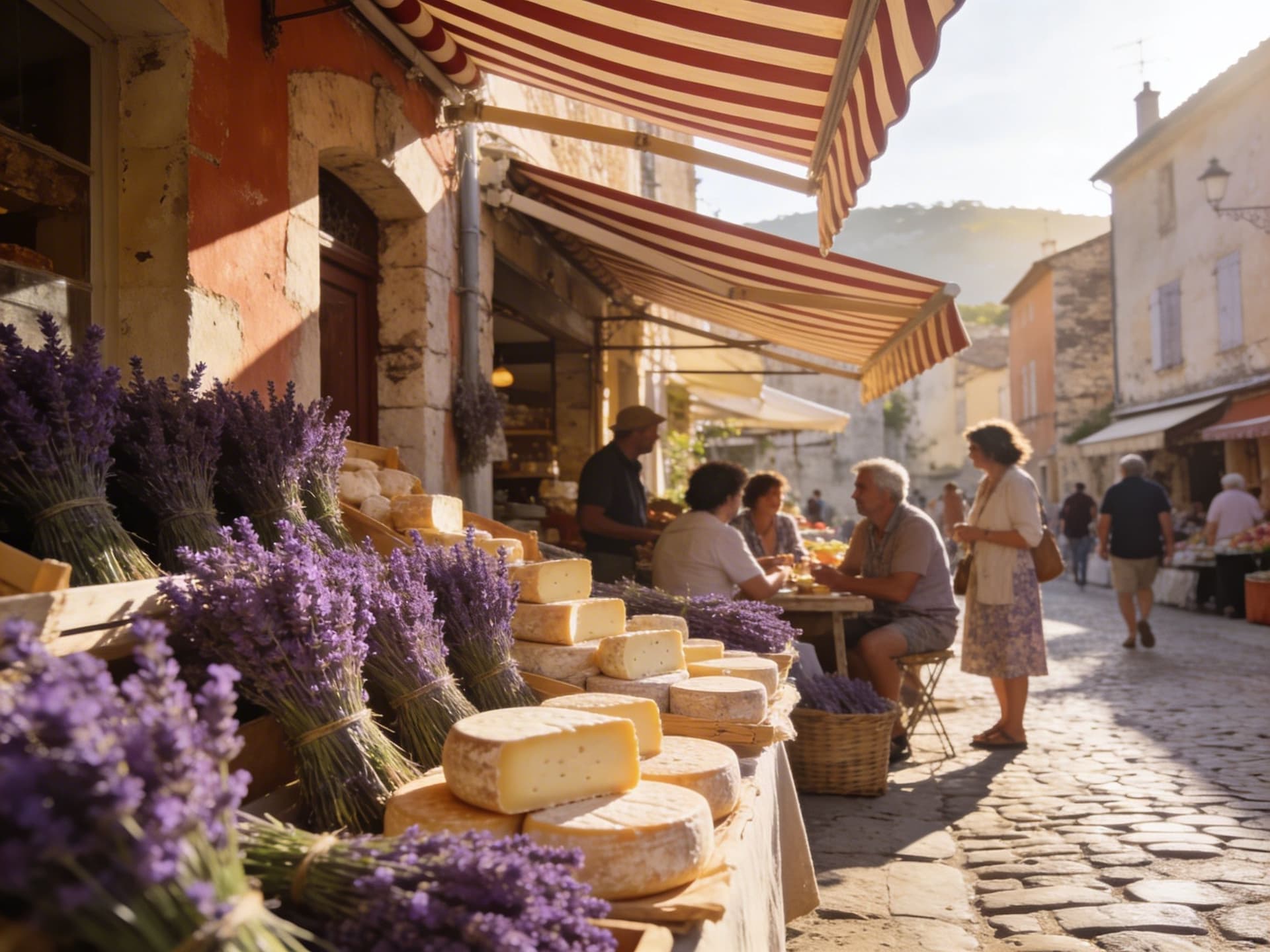
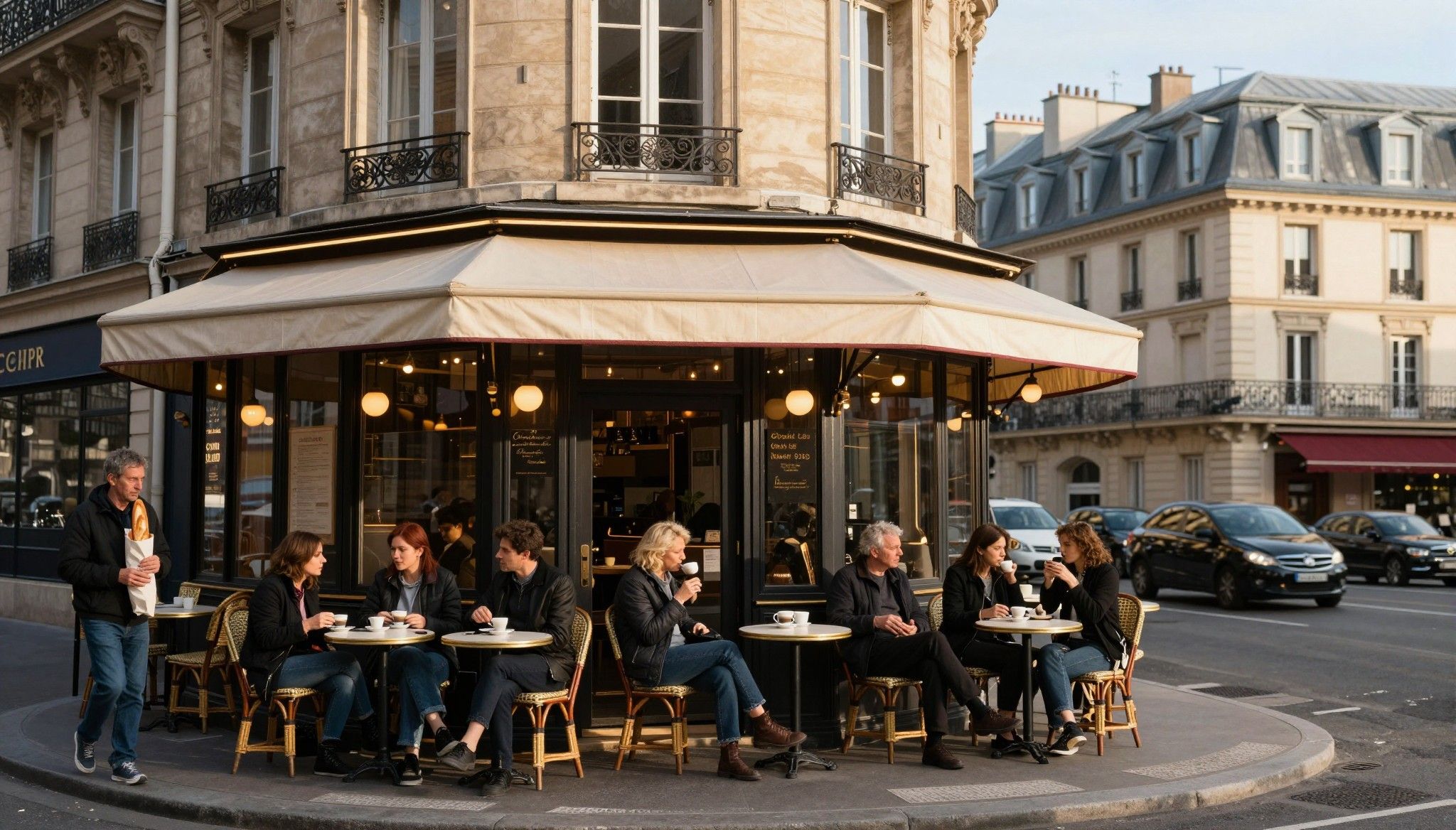
France’s appeal is sensory and social: morning markets in Nice, sunset aperitifs on Rue Cler in Paris, coastal surf culture at Hossegor, and the slow ritual of bread queues at the village boulangerie. These everyday rituals influence where you’ll feel at home — proximity to markets matters as much as square metres. Recent data show prices stabilising across France, a reminder that lifestyle choices and local rhythms are central to value as much as financial metrics.
Neighbourhoods that whisper their story
Walk the Marais at dawn and you’ll feel Parisian history folding around you; wander Rue d’Antibes in Cannes and the scent of the sea follows. In Lyon, traboules and riverside walks create a tactile urban life; in Dordogne, stone farmhouses open onto orchards and truffle grounds. Naming the street — Rue Mouffetard, Boulevard de la Croisette, Quai Saint‑Antoine — is often how locals describe belonging. For buyers, those names are shorthand for soundscape, light, and seasonal uses that will become your daily calendar.
Food, markets and neighbourly economies
From morning marché stalls to dusk oyster shacks on the Atlantic coast, food scenes anchor neighbourhood life. Chefs in Bordeaux scout simple village properties for gardens and storage; in Provence, communal bread ovens and village fêtes bind neighbours. When you buy, consider access to a local market and the walkability of your future routine — it is as important for daily joy as any energy label on the file.
- Lifestyle highlights: markets, beaches, hikes and cafés
- Morning marché at Forcalquier — herbs, goats’ cheese and slow conversation
- Sunset aperitif on Nice’s Promenade des Anglais or a quiet bench in Jardin du Luxembourg
Making the move: close with place-based stewardship
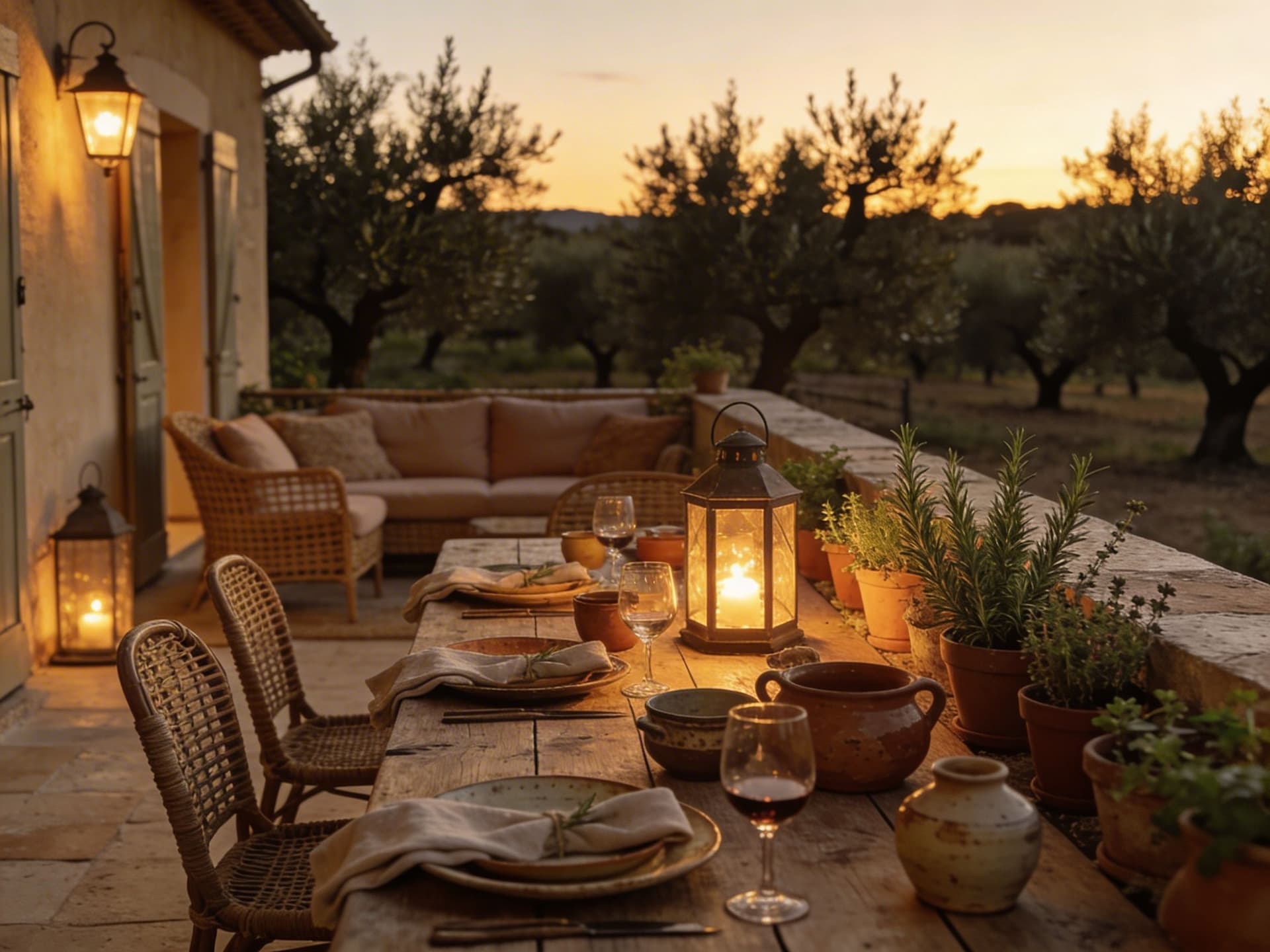
As transactions pick back up nationally, closing is no longer just about price. The smart international buyer in France treats closing as the first act of stewardship: negotiate the conditions that protect landscape, character and long‑term costs. Notaire reports and INSEE show a stabilising market, which makes timing less frantic and more suited to focusing on green clauses, energy upgrades and heritage constraints during contract stage.
Property styles and how they shape life
A stone longère in Brittany gives you thick walls and thermal mass; a 1960s apartment in Marseille might be a sunlit canvas for insulation and solar. Choose property types for how you want to live: vegetable gardens require south‑facing plots and water access, while historic townhouses demand sensitivity to façades and local planning rules. Think of the house’s envelope — orientation, roof condition, and mature trees — as lifestyle features, not line items.
Work with experts who know both law and land
A French notaire is essential for final contracts, but you’ll also want an architect conversant with local heritage codes, a hydrologist if wells or watercourses are present, and a local agent who lives the lifestyle you seek. Agencies that specialise in sustainable retrofits can translate lifestyle wishes (warm floors, natural plaster, passive shading) into contract clauses and post‑sale works schedules.
- Closing checklist that marries lifestyle and legal sense
- Include a 'green works' clause that specifies timelines and minimum energy performance upgrades
- Confirm boundaries and mature vegetation in the acte de vente to avoid disputes over orchards or vines
- Agree responsibility for shared features (roads, wells, drainage) and set a maintenance covenant
- Secure permits and understand local PLU (Plan Local d’Urbanisme) limits before planning renovations
Insider knowledge: what expats wish they'd known
Expats often underestimate the small social codes — the timing of shopping, the cadence of strikes, and how neighbours negotiate olive trees and hedgerows. Many later say they wish they’d added clearer clauses about seasonal access, snow clearing in mountain villages, or rights to shared terraces. Practicality married to cultural sensitivity makes for smoother stewardship.
Language, neighbours and village rhythms
Start with small rituals: bring fresh bread to a neighbour, attend the village fête, learn the market schedule. These actions help with access to craftsmen, local council goodwill and informal knowledge about water tables or old roof issues. Social capital is practical capital in France.
Long‑term stewardship: the clauses that keep life lovely
Consider a maintenance covenant that schedules tree pruning, defines permitted pesticides, or sets rules for rental turnover if you plan short lets. These small additions at closing prevent friction later and protect biodiversity — and they can be negotiated without adding large cost if framed as shared benefits.
Data snapshot: after several quarters of cooling, France’s housing market showed stabilisation in early 2025 and modest price growth, especially in apartments, with transaction volumes beginning to recover. Use these stabilising conditions to insist on lifestyle‑preserving clauses during the sale rather than racing a rising market.
- Red flags to spot before you sign
- Unclear property boundaries or missing bornage (official boundary survey)
- Absence of energy diagnostics (DPE) or contradicted findings in the file
- Vague agreements on shared infrastructure (lanes, wells, private drainage)
Conclusion: close so the house can keep living its life. In France, closing is the moment to translate affection for a place into concrete protections: green clauses, maintenance covenants, and realistic renovation timetables. Approach your offer as a promise to the land and community as much as a financial transaction. When you do, you don’t just buy a property — you enter a stewardship that will reward mornings, markets and long evenings for years to come.
Moss & HearthSwedish advisor who left Stockholm for the Costa Brava in 2019. Specializes in sustainable, sea‑view homes for Scandinavian buyers and green finance insights.
Related Articles
More insights that might interest you
 Villa Curated
 MoveSettleGo
 Moss & Hearth