When Croatia’s Coast Looks Expensive: Seasonal Tax Moves
Croatia’s coastal romance hides tax, reciprocity and registry pitfalls. Prioritise season‑aware offers, verify VAT vs transfer tax, and hire local legal counsel before you pay a deposit.
 Blueprintera
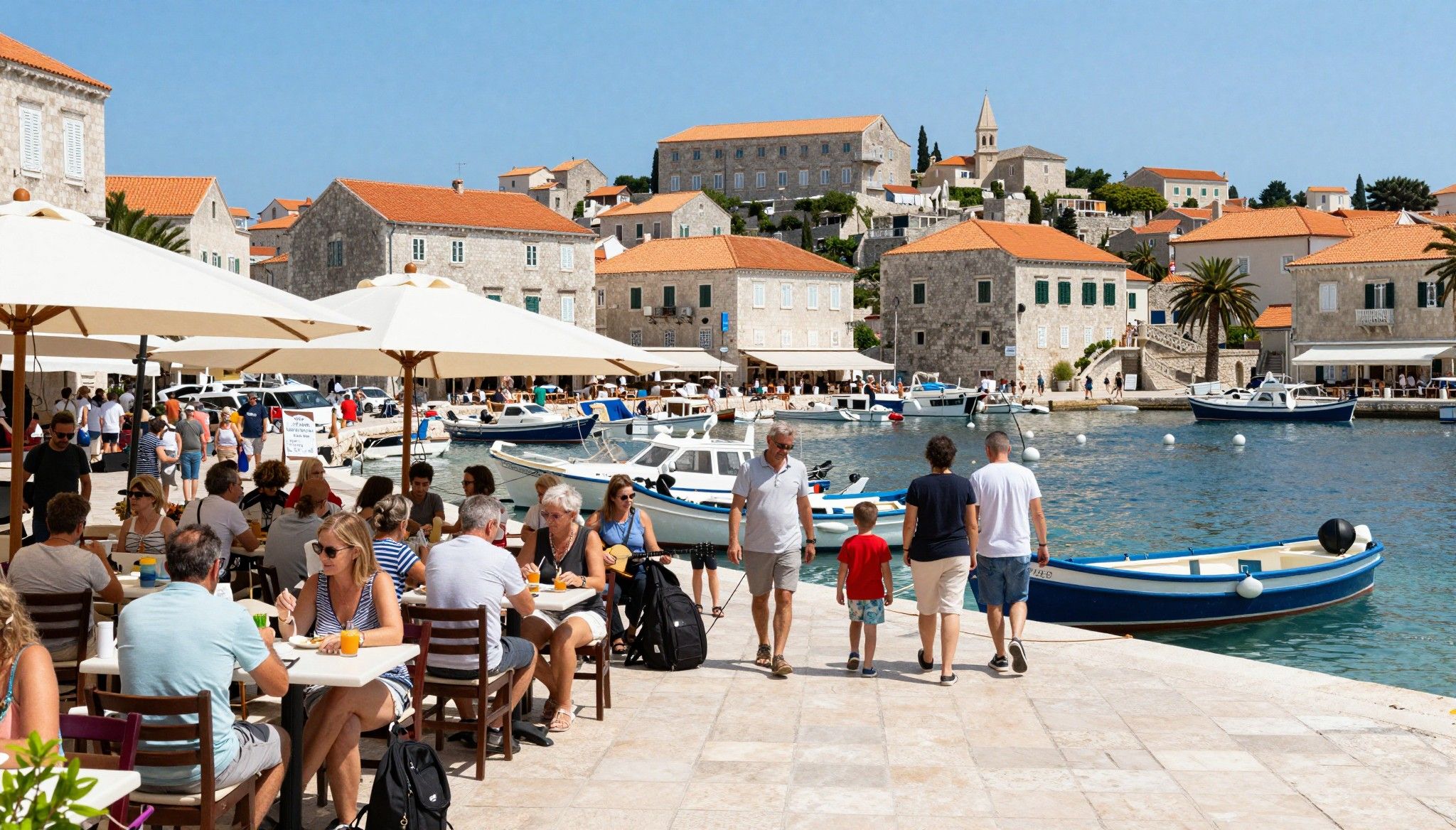
Imagine sipping espresso on a shaded bench in Split’s Veli Varoš, the harbour humming with fishing boats, while a neighbour fetches freshly baked burek from the corner. Croatia’s daily rhythm moves between Adriatic sea sprays and stone‑paved afternoons: relaxed coastal summers, quiet winters, midweek markets that feel like front‑row seats to local life. For international buyers that sensory allure often crashes into confusing rules — seasonal pricing, reciprocity for foreign ownership, and tax gates that can surprise. This guide mixes those lived images with the exact regulations and numbers you’ll need to decide when to strike and when to wait.
Living the Croatia lifestyle
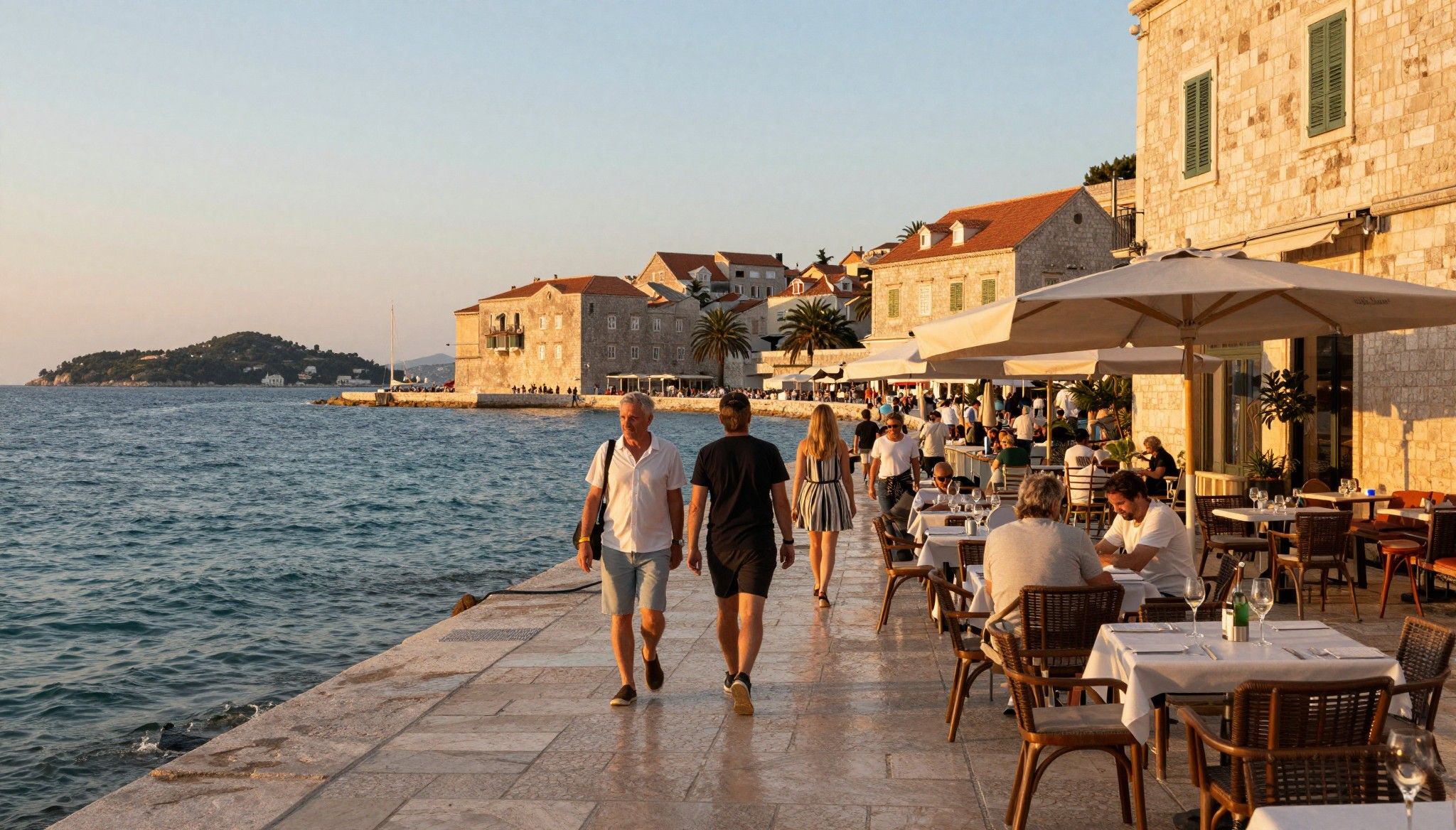
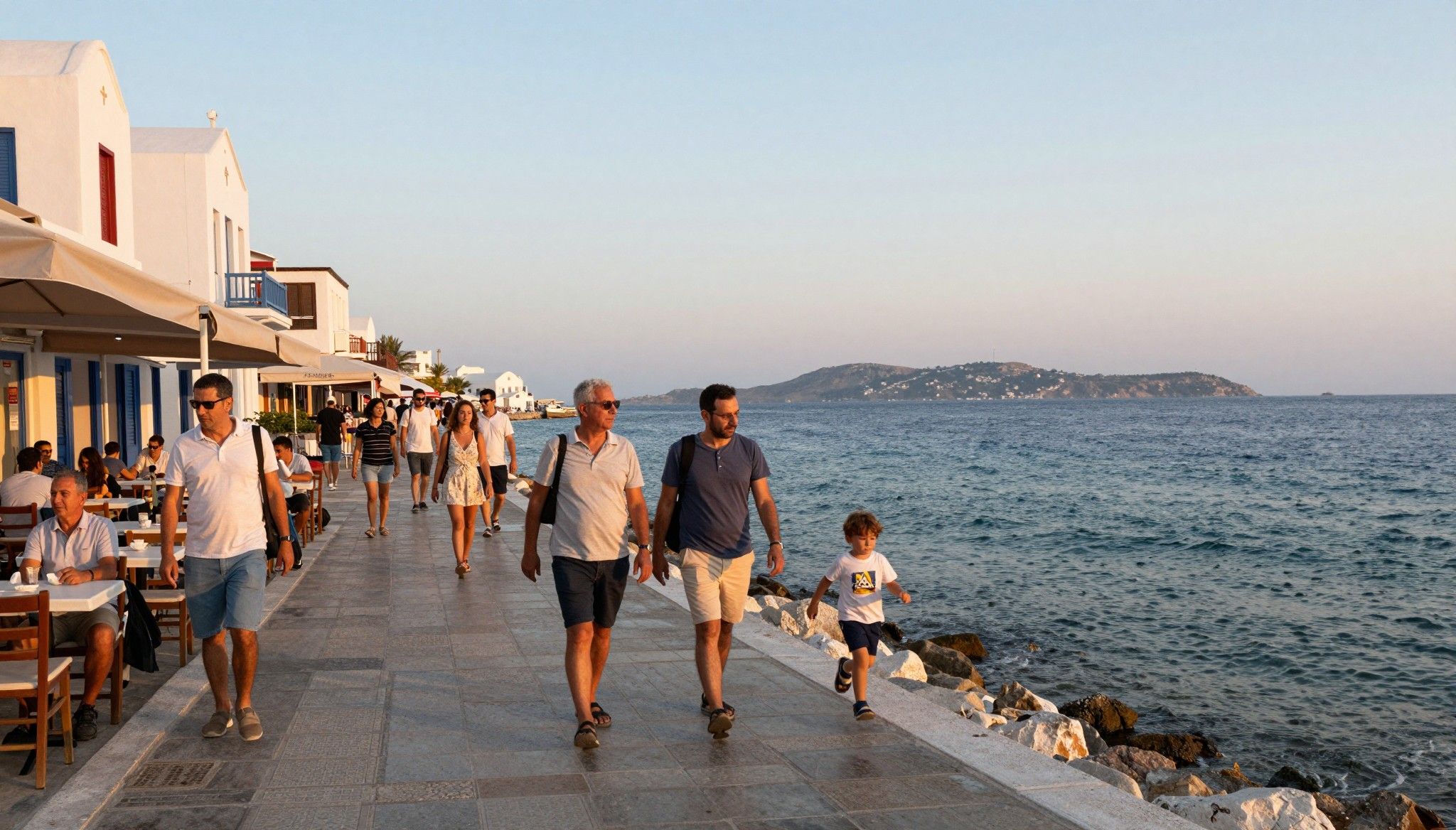
Living in Croatia feels like two countries in one: a coast where mornings begin at cafes by the sea and an interior where markets and festivals set the week’s pace. Coastal towns such as Dubrovnik, Split and Rovinj pulse with tourism in summer but settle into slower, local routines from October to April. In cities like Zagreb the culture tilts toward year‑round cafés, museums and a stronger service scene — useful if you want life beyond the seasonal rhythm of the Adriatic.
Coastal neighbourhoods: where to look and what they feel like
Veli Varoš in Split is small‑scale, lived‑in and minutes from marinas; Rovinj’s Old Town rewards evening strolls and neighbourhood konobas; Kaštel Gomilica offers a quieter, local feel in the Trogir‑Split corridor that many buyers miss. These are not interchangeable: narrow lanes, community tavernas and boat‑first lifestyles matter when you choose apartment layouts and terraces. Pick streets where the morning light and sea breeze match how you plan to live — a south‑facing terrace matters more for year‑round living than a postcard sea view that you only use two months a year.
Food, markets and the everyday rituals that shape value
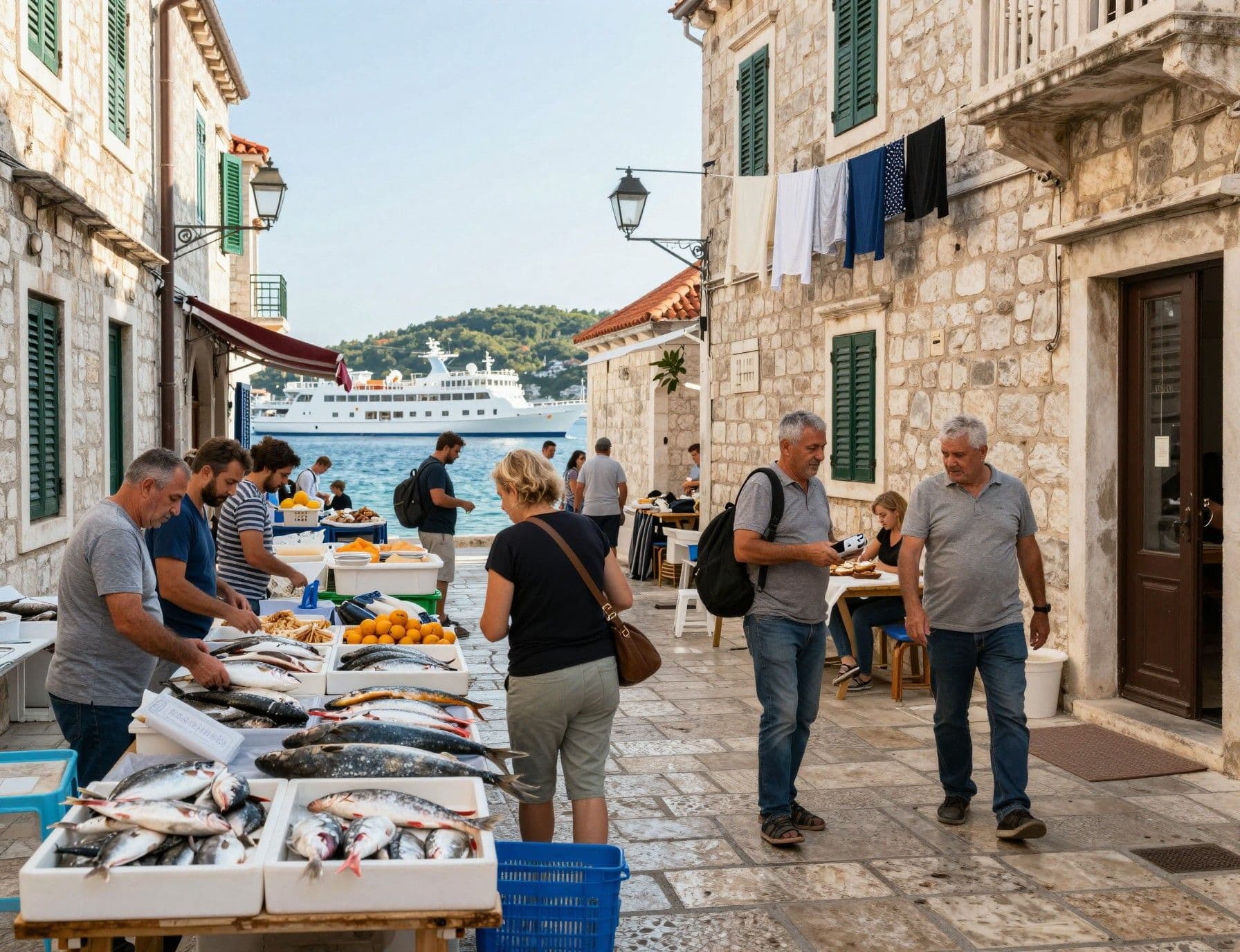
Weeks in Croatia are punctuated by markets: Dolac in Zagreb for produce, Split’s fish market at the Riva for morning buys, and smaller island stalls selling olive oil and cheese. These rituals shape where locals buy and rent — neighbourhoods with strong market access keep steady occupancies outside tourist season. If you want authentic life rather than a holiday rental, prioritize proximity to markets and municipal services over the busiest promenade.
- Lifestyle highlights: neighborhood features that matter
- Morning marketplaces (Dolac, Split fish market) and local bakeries within a 10–15 minute walk
- Small marinas or moorings for coastal access — often more valuable than a sea‑view terrace
- Neighbourhood konobas and cafés with consistent local patronage (sign of year‑round life)
Making the move: practical considerations
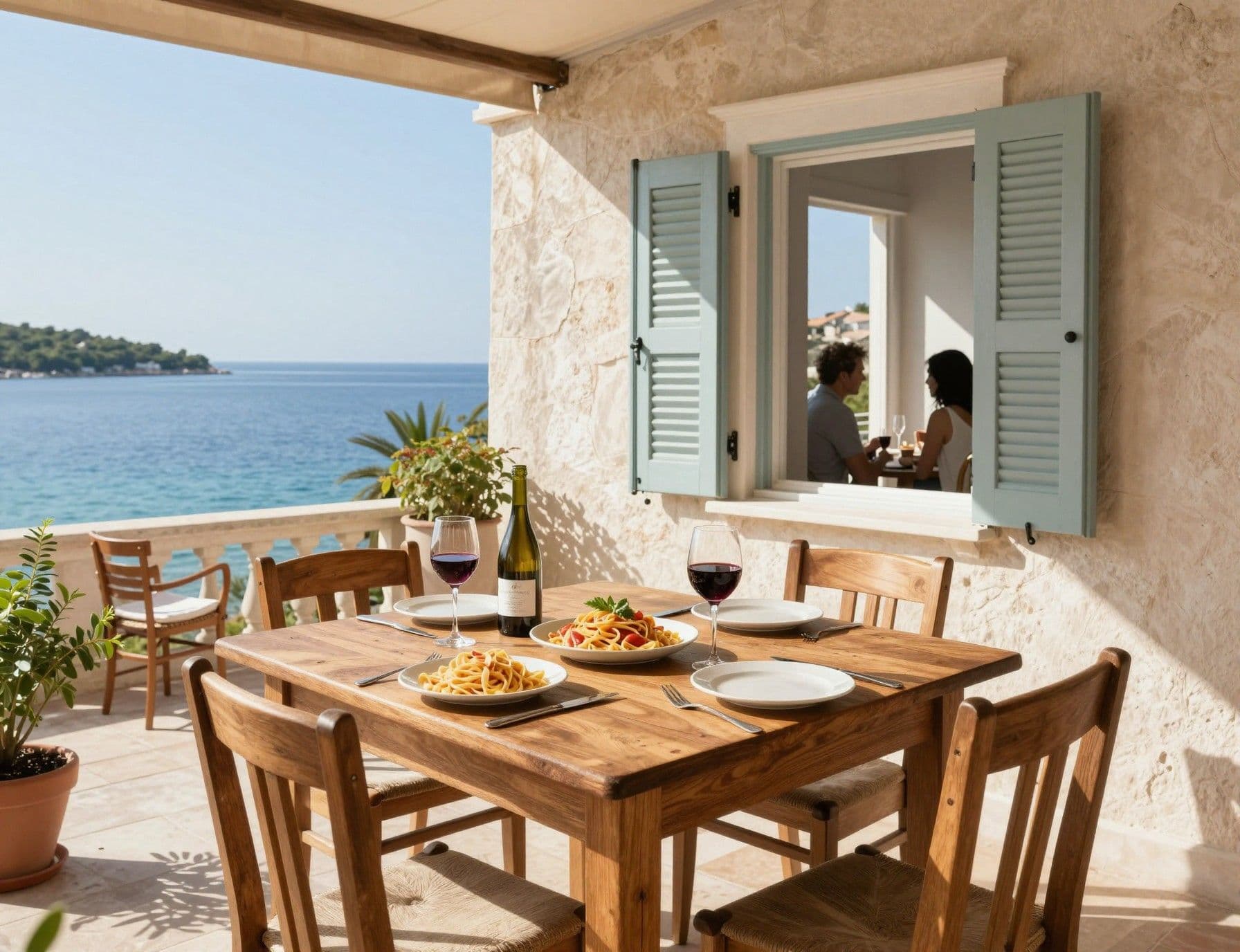
Turning lifestyle into ownership means understanding a handful of rules that materially affect cost and timing. Two items consistently surprise buyers: (1) who can buy freely (EU/EEA nationals versus non‑EU reciprocity rules), and (2) taxes at closing — transfer tax or VAT depending on the property type. Both determine whether summer listings are genuine bargains or marketing noise for short‑term rentals.
Who can buy: reciprocity and EU parity
If you hold EU/EEA citizenship (or are a company established in those countries), purchases are treated like those of Croatian citizens. Non‑EU buyers face reciprocity rules — Croatia allows acquisitions from countries that reciprocate for Croatian citizens — and this list changes with bilateral agreements and administrative practice. Practically, many non‑EU buyers use a Croatian company or obtain permission; both routes need legal oversight and add time and cost.
Tax realities that change negotiation power
Basic closing costs: if VAT is not charged (common for resale), a real estate transfer tax applies — typically 3–5% of the taxable base depending on the calculation — while new builds sold by developers are often VAT‑able. These distinctions affect whether a seller prices a property as ‘VAT included’ or presents a headline price that hides transfer tax exposure. Always ask the seller to show how taxes are being treated before you make offers; the difference can be thousands of euros.
- Steps to align lifestyle goals with tax strategy
- Decide your primary use (full‑time living, seasonal retreat, or lettable asset) because tax treatment and municipal rules differ by use and can affect VAT or local levies.
- Check seller documents early: whether the sale is VAT‑applicable (new build) or subject to transfer tax (resale) — demand written confirmation in the preliminary contract.
- If non‑EU, verify reciprocity or plan for a Croatian company purchase; budget for legal permissions and translations that add weeks and fees.
Insider knowledge: expat realities and uncommon red flags
Expats often underestimate paperwork friction: municipal cadastre records, historic servitudes to the coast, and the old‑map reality of parcel boundaries. Even charming village homes can carry legacy easements, public access paths or unclear parking rights that become daily headaches. The best local lawyers do field checks and pull the land registry before any deposit changes hands — consider that non‑negotiable.
Language, community and how to settle in
Learn a few phrases — neighbours warm up when you ask about the market price of figs or how the local ferry runs — and you’ll see offers and tips that agents don’t advertise. Join local Facebook groups for the municipality (e.g., Split, Dubrovnik, Istria) to hear about municipal works, parking changes and community festivals that affect livability. Integration takes months, but it reshapes priorities: proximity to a bakery becomes more valuable than a distant panorama.
Long‑term considerations: maintenance, climate and future growth
Stone houses with red tile roofs are beautiful but require ongoing maintenance — external masonry, roof checks and moisture control cost real money and often rise with age. Also factor in municipal infrastructure plans: towns improving ports or broadband can see stronger price retention. If you plan to rent, check local licensing and short‑term rental rules — some towns limit tourist lets during peak months to protect community life.
- Red flags to check with an agent or lawyer
- Missing up‑to‑date cadastral records or mismatched land registry entries
- Unclear access rights to the coastline or claimed private beaches (Croatia’s coast is primarily public)
- Seller prices that avoid declaring VAT or transfer tax implications — request written tax treatment
- How a local agency becomes your lifestyle enabler
- Choose agencies that show neighbourhood life (street photos at different seasons), provide legal partners for due diligence, and can produce a tax summary for each offer — not all agencies do this.
- Ask for recent comparable sales (12–24 months) in the exact street or bay — coastal micro‑markets shift quickly and city averages can mislead.
- Request a lifestyle walkthrough: a morning‑to‑evening day that maps how the neighborhood breathes across seasons — this reveals maintenance, noise, ferry timetables and market rhythms.
Conclusion: Live the life you fell for, with the paperwork sorted
Croatia rewards buyers who put lifestyle first and paperwork second — but not the reverse. Fall in love with a street, then ask for the cadastral records, tax treatment and reciprocity confirmation before you pay the kapara (deposit). With the right local agency and lawyer, you can enjoy that espresso on the harbour bench and know your ownership is secure.
BlueprinteraNorwegian market analyst who relocated to Mallorca in 2020. Focuses on data-driven market insights and smooth relocation for international buyers.
Related Articles
More insights that might interest you
 Villa Curated
 Villa Curated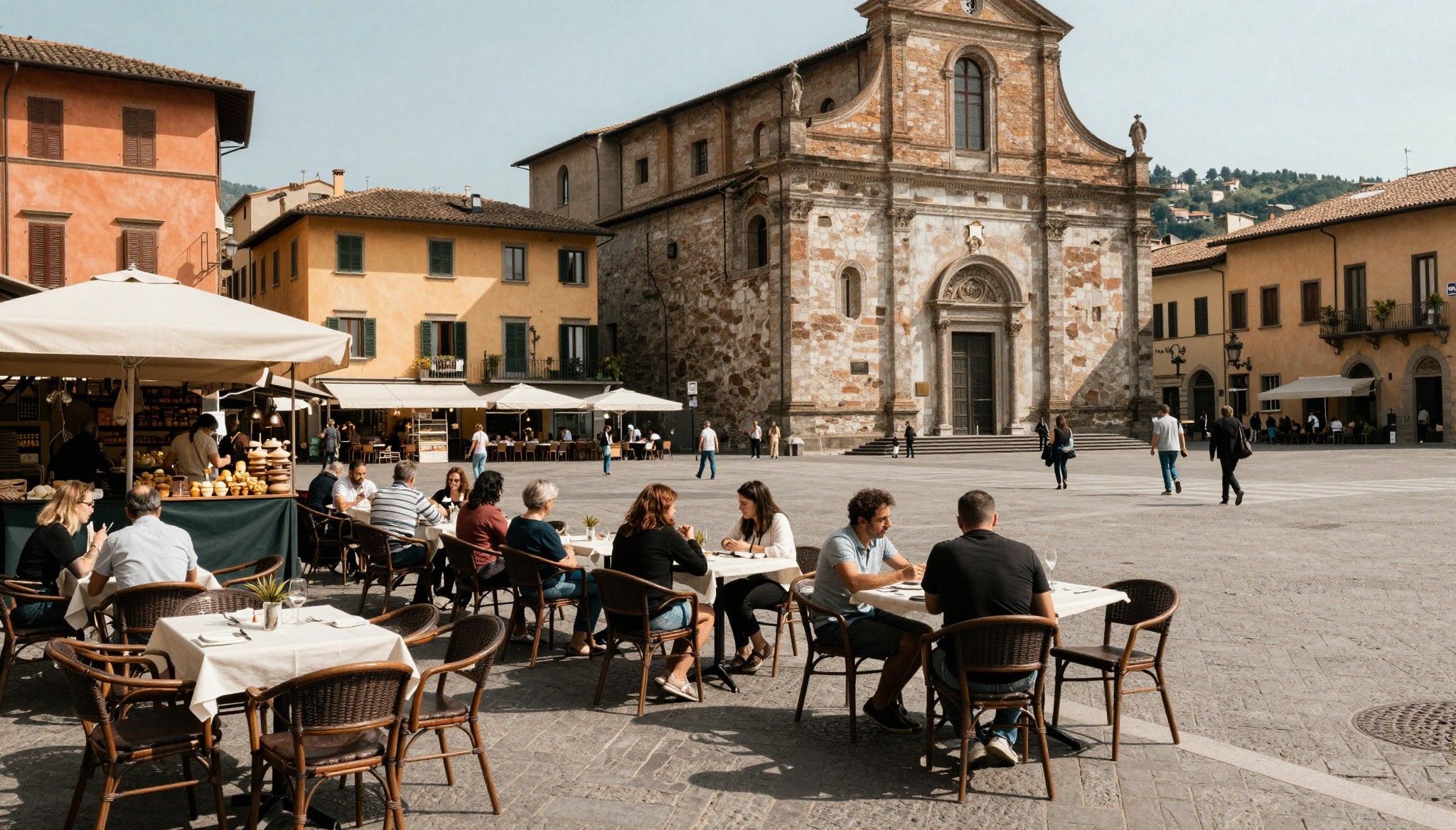
 The Yieldist

