
Energy Labels, Not Postcards: France’s Hidden Price Driver
Energy labels, local cycles and disclosure—not postcards—are now the biggest drivers of value in France. Insist on up‑to‑date DPEs, co‑ownership minutes and street‑level comparables.
 Ashworth & Drake
Imagine sitting at Café de Flore with a winter sun cutting across the boulevard, pastry steam rising, and a perfectly ordinary Haussmannian flat two streets over selling for far less than the Paris postcard price. In France the headlines like “Paris is unaffordable” are useful shorthand — but they hide a subtler truth: energy labels, local demand cycles and disclosure practice are reshaping price differentials in ways that matter to buyers more than skyline photos. We want you to fall in love with the life — market transparency helps you own it smartly. This guide shows where look and what questions to ask so your dream isn’t a surprise when you open the file.
Living French Life (and the market that shadows it)
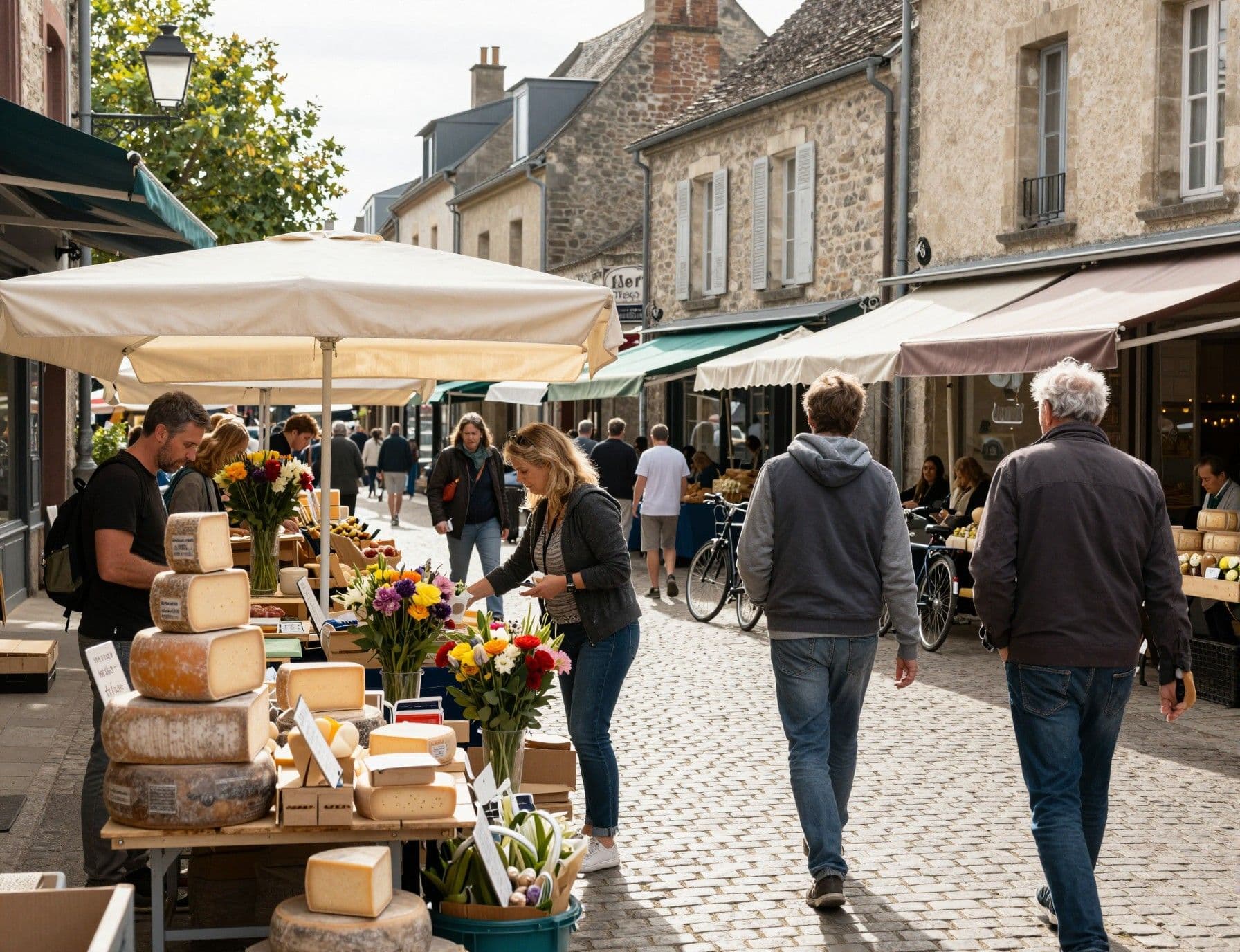
France is layered — village markets, Mediterranean beaches, inner-city cafés and Alpine weekends coexist within short drives or a single train. That variety is why buyers fall for France: weekday boulangerie routines in Lyon, weekend oysters on Arcachon, late-night jazz in Marseille. But each lifestyle lane comes with a different market logic: seaside demand spikes in summer, alpine chalets follow seasonal liquidity, Paris apartments react to luxury and commuter dynamics. Understanding these rhythms is the first transparency step: where you want to live shapes what you should inspect on the contract.
Neighborhood spotlight: Paris’ 10th vs 19th — not all ‘inner‑city’ is equal
Walk from Canal Saint‑Martin (10th) toward the east and you’ll notice independent cafés, younger renters and a steady stream of renovation projects. Move northeast to parts of the 19th and you find quieter streets, family lots and pockets where prices lag but everyday life is abundant: parks, markets, and a real sense of neighbourhood. For buyers this means different transparency needs — in the 10th you’ll prioritise rental yield history and short‑term lets rules; in the 19th you’ll want to check building co‑op minutes for renovation plans that can change value.
Food, markets and the calendar: when lifestyle and liquidity align
Markets like Marché d’Aligre (Paris), Les Halles in Toulouse, or the fish stalls in Boulogne‑sur‑Mer are not just culinary anchors — they’re liquidity signals. Neighbourhoods with strong market life attract steady long‑term demand from locals, which stabilises prices outside tourist seasons. If you’re buying for the life, look for steady footfall and a year‑round calendar of activities; those are the neighborhoods that keep resale values honest when headlines flip.
Making the move: how transparency changes what you buy

Price indices show a market moving from shock to stabilization: recent INSEE and notaire series indicate modest regional rises after a correction period, but those macro numbers mask big micro variations. That means a broadly stable national headline can hide 10–25% differences between two neighbouring streets. Transparency here is about getting the right micro data — recent comparable sales, DPE (energy) ratings, and notarial encumbrances — not relying on national soundbites.
Property styles and the disclosure that matters
One of the clearest examples of where disclosure now drives price: the DPE energy label. Since the 2021 3CL method and recent enforcement actions, a property’s label can change its market position dramatically — D‑to‑G ratings can reduce buyer interest or force investment for compliance. Buyers who ignore the certificate risk a surprise renovation bill; buyers who insist on a recent, detailed DPE and quoted remedial costs win negotiating power.
What to check on a property file before you love the view
Valid, recent DPE (energy performance) with supporting photos and meter readings
Notarial title search for servitudes, easements and co‑ownership minutes (procès‑verbaux) for the last 5 years
Recent comparable sales (actes) within the same street or building, not just arrondissement averages
A clear list of known works, permits and any pending municipal restrictions (especially in protected urban zones — ZPPAUP/AVAP)
Working with experts who bring the lifestyle into the file
A good local agent does more than show photos: they read co‑ownership minutes, probe for unrecorded works, and understand seasonal demand patterns. Notaires are the gatekeepers for legal certainty — their searches reveal mortgages, rights of way and heirs’ issues — while a trusted architect or building surveyor translates regulatory disclosure into realistic renovation budgets. Treat the agency as your lifestyle curator and the notaire/surveyor team as your risk managers.
Six steps to marry the life you want with a transparent purchase
Agree a lifestyle brief (neighbourhoods, access to markets, seasonal needs) before you look at price per m²
Ask for recent DPE, co‑ownership minutes and three comparable actes before making an offer
Commission a independent surveyor for thermal, structural and damp tests if the DPE or building age raises flags
Factor renovation and compliance costs into offer strategy — request quotes from local contractors to avoid surprises
Use the notaire’s pre‑contract searches (recherche d’hypothèques, urbanisme) as a negotiation lever
Plan for the lifestyle handover: local registrations, utilities, and relationship with the syndic or mairie
Insider knowledge: what expats wish they’d known
Expat buyers often tell us they underestimated two things: the paperwork rhythm and seasonal realities. Renovation permits and co‑ownership votes can take months; municipal planning responses in smaller towns can stretch timelines. And a summer‑buzzed coastal town may look expensive in August but feel very different and cheaper in November. Expect to be patient, and use that time to verify the disclosures that change a price faster than a good view ever will.
Cultural cues that affect transparency
French sellers and agents can be discreet; papers are formal and the notaire is the final truth. That means you won’t get every detail in a listing — but you will get it in the act authenticé and notarial searches. Learn to ask for documents by name (PV de copropriété, DPE, état daté) and insist on written answers. It’s not rude — it’s how deals close here.
If you love the life, make the file love you back. Start with a clear brief, insist on up‑to‑date energy diagnostics, read the co‑ownership minutes and work with a notaire who explains the searches in plain English. When headlines say ‘prices up’ or ‘Paris unaffordable’, remember the real value drivers: disclosure, energy performance, and local demand cycles. Bring your curiosity, and the right experts, and France will be both enchantment and a sound purchase.
Ashworth & DrakeBritish expat who relocated to Marbella in 2012. Specializes in rigorous due diligence and cross-border investment strategies for UK and international buyers.
Related Articles
More insights that might interest you
 The Yieldist
 Blueprintera
 Ashworth & Drake