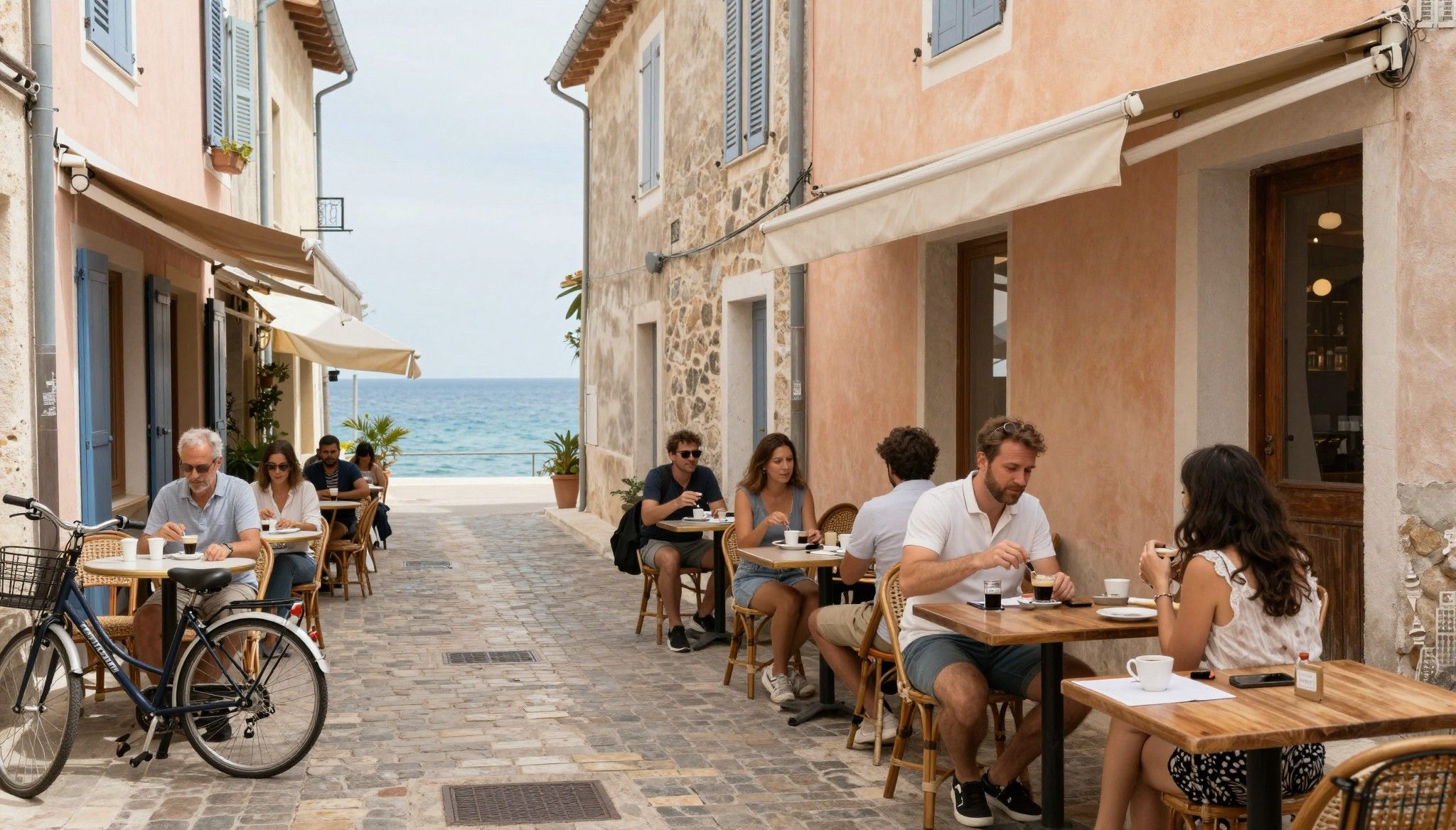
The French 'Expensive' Myth: Real Value Lies Off the Riviera
France’s headline prices mask neighbourhoods where authentic everyday life and value meet—use lifestyle signals and local data to buy smart.
 Blueprintera
Imagine sitting at a café table on a narrow street in Nantes at 09:00, the smell of warm croissants mixing with damp river air, while a local boulangerie owner greets you by name. That quiet confidence — everyday life that feels rich without headline prices — is the France most buyers never see in glossy property listings. Recent market signals show headline prices stabilising in 2025, but the story for international buyers is about corridors of value: places with strong lifestyle appeal that aren’t Paris or the Riviera. This guide peels back the myth that France is uniformly expensive and points to the neighbourhoods, rhythms and practical steps that let you buy the life without paying only for the postcard.
Living the French lifestyle, beyond the postcard
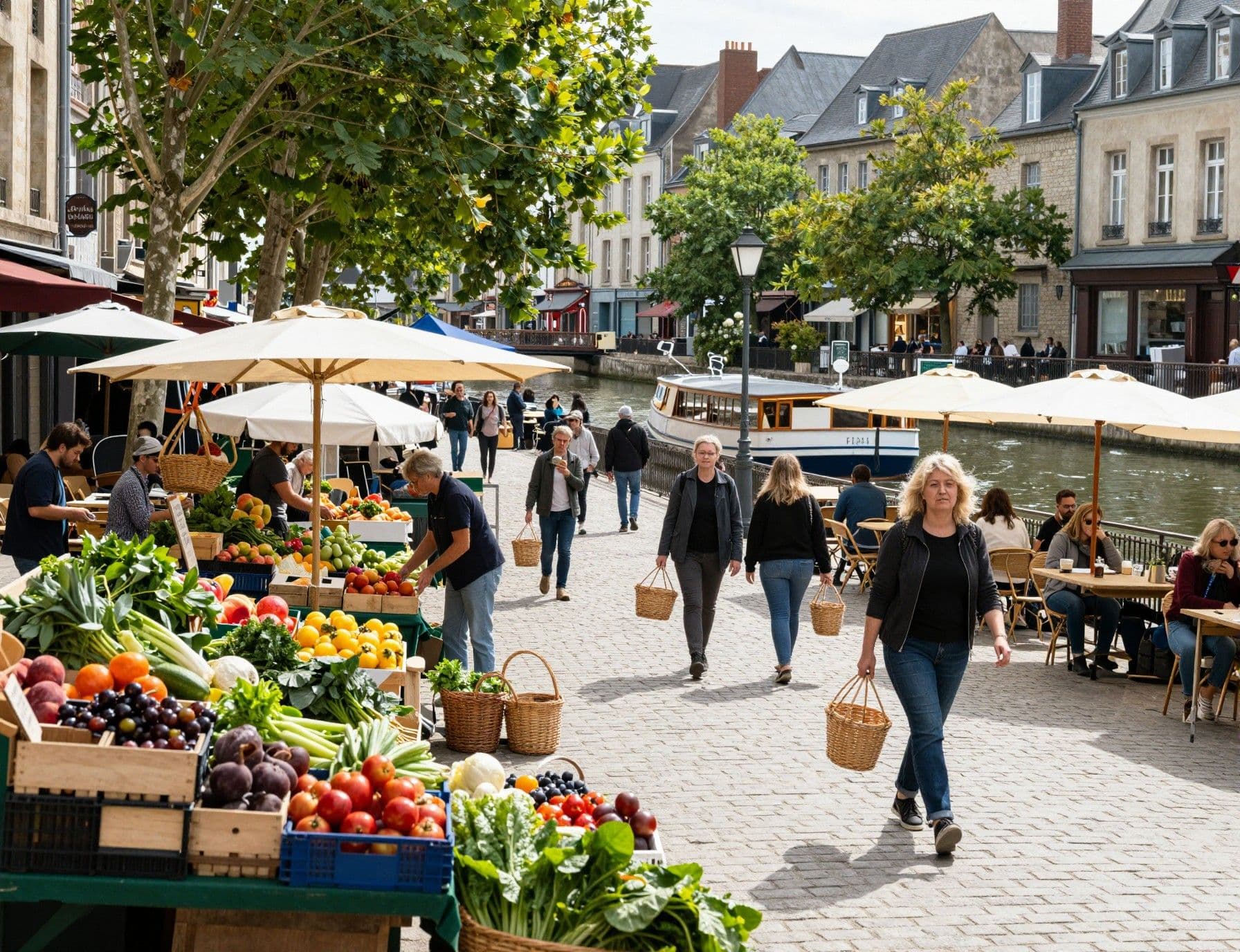
France’s lived-in charm comes from scale and variety: medieval lanes in Carcassonne, whitewashed fishing harbours on the Atlantic, brick terraces in Lyon’s Croix-Rousse. While national indices show a stabilisation after a period of correction, these averages hide big local differences — some inland Atlantic towns and university cities now offer comparable lifestyle quality at materially lower price points than Paris or Cannes. Think of lifestyle as local ingredients: market mornings, a friendly neighbourhood brasserie, access to coast or countryside within an hour — not only iconic skyline views. Those ingredients are often available where prices are still recovering or simply never spiked.
Neighbourhood spotlight: Nantes, Rennes and La Rochelle
Walk through Nantes’ Île de Nantes or Rennes’ Vilaine-side streets and you’ll hear a different France: students, creative businesses, lively markets and canal-side cafés. These cities combine cultural life with lower per-square-metre pressure than Île-de-France or the Riviera, and local development has focused on mixed-use neighbourhoods that favour daily life. For buyers chasing a social, walkable life with good rail links to Paris or the coast, these places deliver immediacy at a softer price. Developers are responding with carefully designed conversions and new-builds that respect local character, creating fresh inventory that appeals to international buyers seeking authenticity.
Food, markets and weekend rhythm
A French weekend often starts early at the market: fresh fish at La Rochelle’s Halles, seasonal produce in Lyon’s Croix‑Rousse, or a small-scale organic market in Aix‑en‑Provence. That ritual shapes where people want to live; proximity to markets, bakeries and green squares often matters more than a sea view. Climatic variety — oceanic breezes on the west coast, Mediterranean sun in the south, cooler alpine air near Grenoble — changes how you use a property: terraces and shutters in the south, insulated stone homes inland. Choosing a property to match daily rituals lets you buy the life rather than a postcode name.
Making the move: practical, lifestyle-led property choices
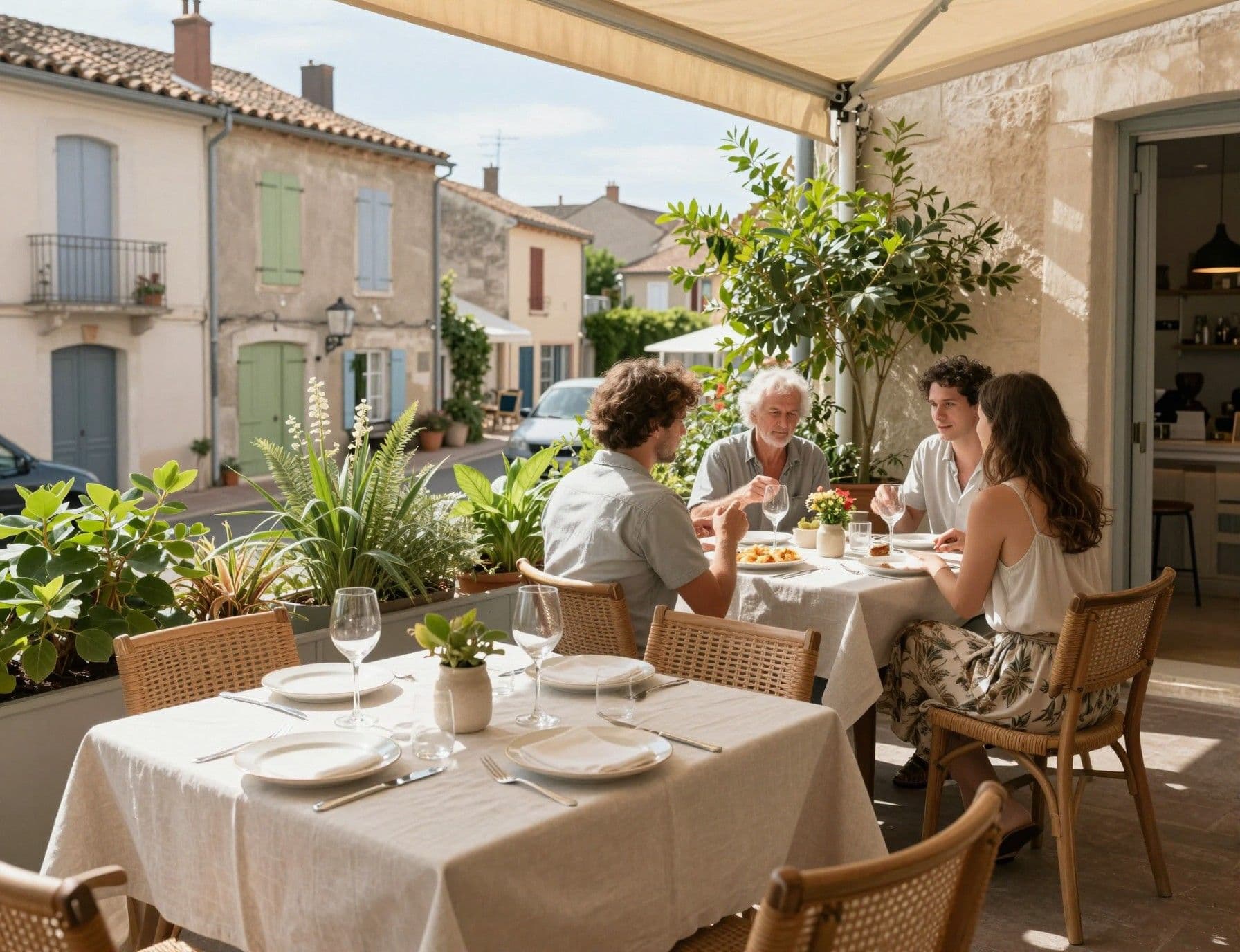
Dreams meet reality at the point of search. If your priority is morning markets and an easy neighbourhood life, narrow choices to walkable districts, smaller municipalities or secondary coastal towns rather than headline luxury belts. Work with agents who understand local rhythms — the baker’s delivery times, municipal planning that affects renovations, or seasonal rental demand if you plan to let. Data shows different performance patterns between prime markets and wider regional markets: Paris and the Riviera are liquidity magnets, but quality of life and value can be stronger in secondary cities where local demand is steady and supply is more constrained by zoning.
Property styles and how you'll actually live
Stone farmhouses and village houses give space and private gardens; town apartments provide sociability and services on your doorstep; new coastal developments offer maintenance-light living with communal amenities. Match property type to weekday rhythm: if you plan to work remotely, prioritise broadband and a calm room for a home office; if weekends are for markets and cafés, a compact apartment with a balcony could be more valuable than a remote villa. Renovation realities differ by region — older southwest roofs often need attention, while Mediterranean homes require heat-ready installations and good ventilation.
Working with local experts who know the lifestyle
1. Hire a bilingual notaire or solicitor to explain purchase formalities and confirm local planning constraints. 2. Choose an agent with strong local listings and a track record of representing international clients. 3. Add an independent surveyor early for older properties to budget for repairs and energy upgrades. 4. Ask agents about seasonality: how prices and rental demand vary between tourist peaks and off-season months. 5. Prioritise agencies who can introduce you to local service providers — gardeners, architects, and property managers — to make day‑to‑day life seamless.
Insider knowledge: expat truths and market signals
Expat experience often flips rookie assumptions: you don’t always need to buy in the most photographed district to get the lifestyle you want. Many expats find deeper community in university cities, river towns and Atlantic harbours where locals still meet daily in the same cafes year after year. Market indicators suggest a patchwork recovery through 2025–2026, with urban centres regaining momentum while some coastal and rural pockets remain comparatively affordable. That gap is where long-term buyers can find both lifestyle and upside as supply tightens for desirable neighbourhoods.
Cultural integration: language, rhythm and local rules
Learning a few French phrases goes further than you think: neighbours appreciate small efforts and community ties unlock invitations and local tips. Respect for municipal norms — from recycling schedules to neighbourly quiet hours — matters more than you expect and affects daily comfort. Join local associations, markets, or sports clubs in the first months; they are the quickest route to feeling at home and understanding micro-neighbourhood differences that influence property desirability.
What expats wish they’d known (practical reminders)
• Broadband variations across rural communes can affect remote work viability. • Seasonal rental income is highly location-specific; coastal resorts beat inland towns but bring management overhead. • Renovation timelines in older buildings often double initial estimates, so budget 20–40% contingency. • Local transport links (TER, TGV) dramatically expand lifestyle options and resale value. • Energy performance (DPE) is now a material market differentiator — prioritise insulated homes for long‑term cost control.
Followed the postcard and landed in a tourist trap? Reframe it: look for streets one block inland where locals live, night markets run year-round, and municipal investment is steady. Those micro-choices — a square with trees, a weekday café scene, a reputable local bakery — compound into a quality of life you won’t find in marketing copy. Use local indices and agent longlists to compare per-square-metre prices, rental seasonality and transaction volumes before you bid. In France, the smartest buys marry lifestyle fidelity with measured market data, not just headline glamour.
Next steps: visit in the rhythm you intend to live — spend weekdays and at least one weekend — and bring a shortlist of neighbourhood criteria: transport, markets, daily services, and a local green space. Ask agents for comparable sales, DPE certificates, and municipal planning maps. If you want help narrowing regions where lifestyle and value align, reach out to agencies with strong local track records; they will translate market data into neighbourhood stories and practical steps. France rewards the patient buyer who knows what life they want and backs it with local intelligence.
BlueprinteraNorwegian market analyst who relocated to Mallorca in 2020. Focuses on data-driven market insights and smooth relocation for international buyers.
Related Articles
More insights that might interest you
 Villa Curated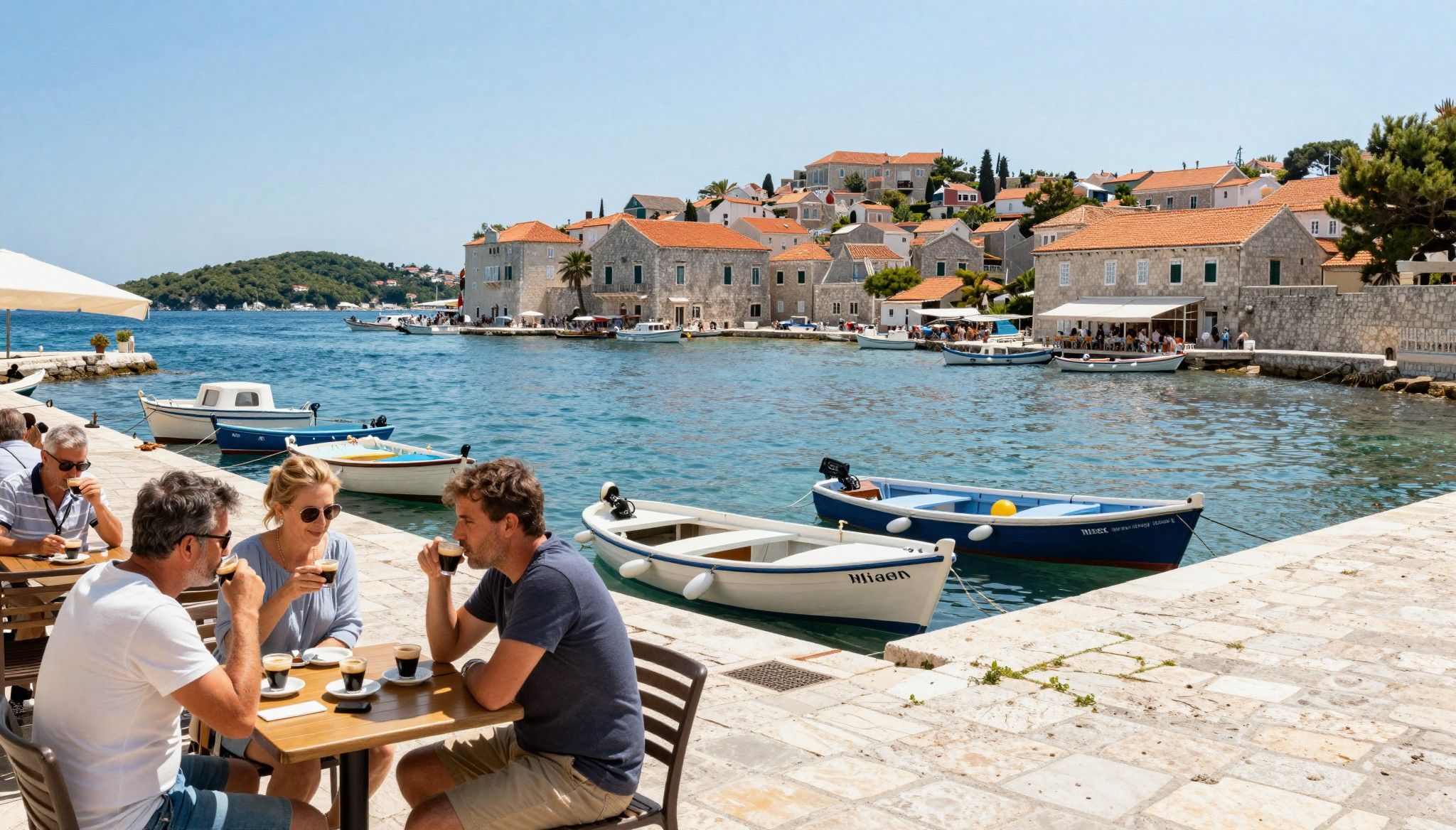
 The Yieldist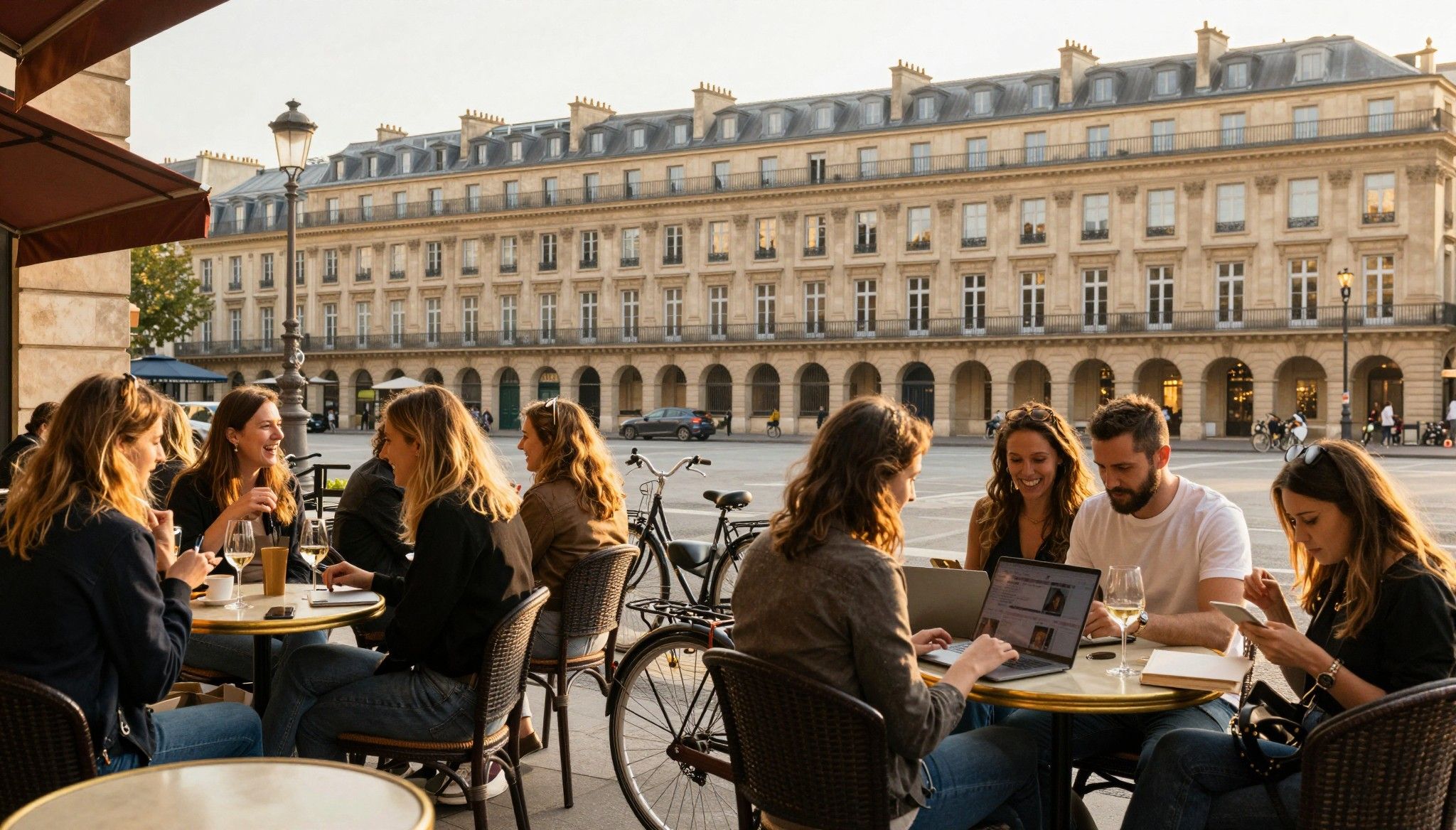
 MoveSettleGo
