Cyprus: Lenders, Local Life and What Non‑Residents Must Know
How to pair Cyprus’s sunlit neighbourhood life with realistic mortgage and fee expectations — practical steps for non‑resident buyers backed by Central Bank and industry data.
 Villa Curated
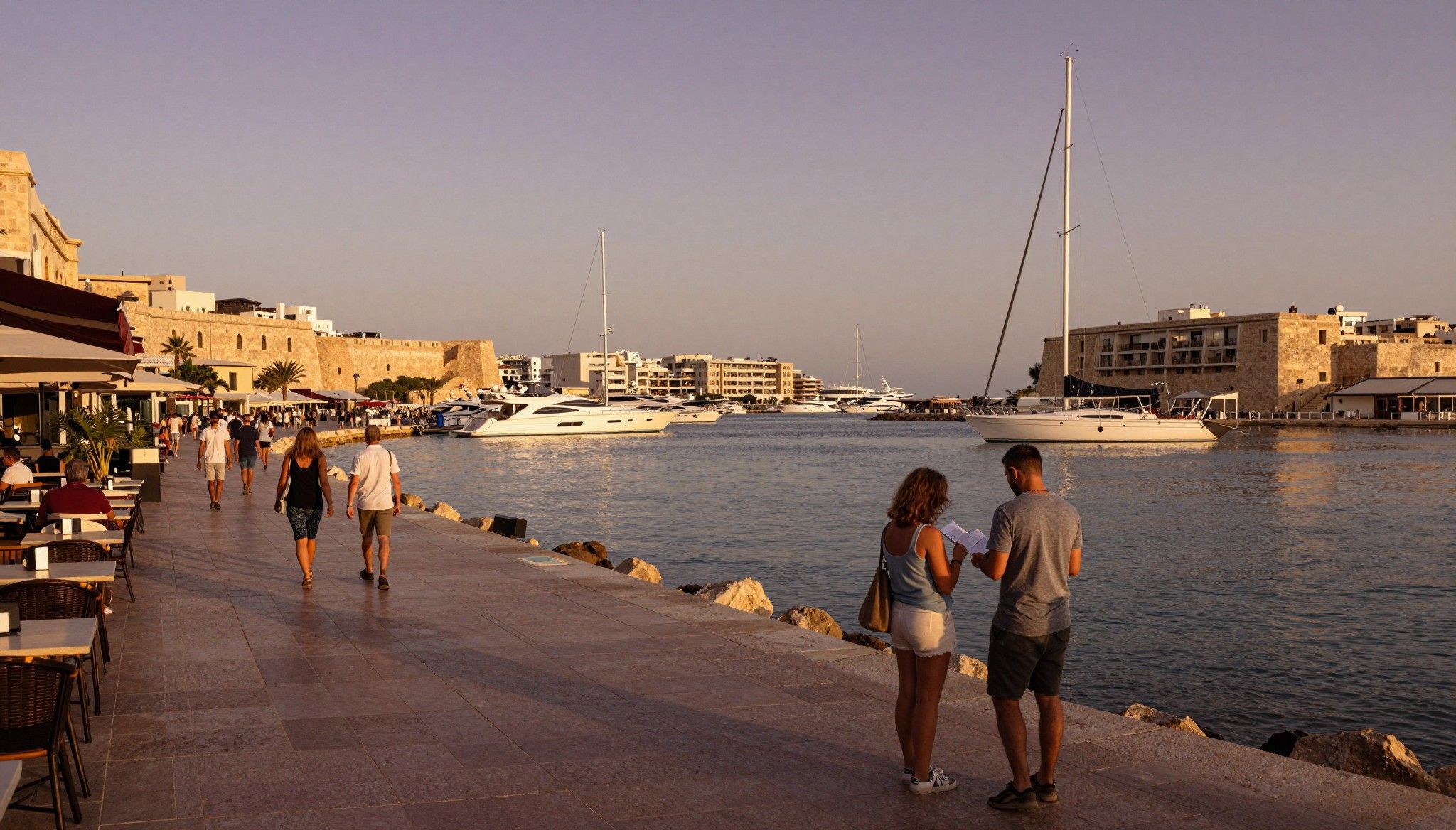
Imagine waking each morning to a harbour-side espresso in Limassol, then walking the stone lanes of old Nicosia at dusk — Cyprus is a place where sunlight softens limestone façades and neighbourhood life still orients around tavernas and the weekly market. For international buyers the island promises easy rhythms, year-round light and a diversity of neighbourhoods; it also demands a clear-eyed approach to lending, fees and local practice. Recent Central Bank analysis shows a sustained recovery in prices and steady lending to households, which changes how foreigners should plan financing and timing.
Living the Cyprus life: island rhythms and places that matter
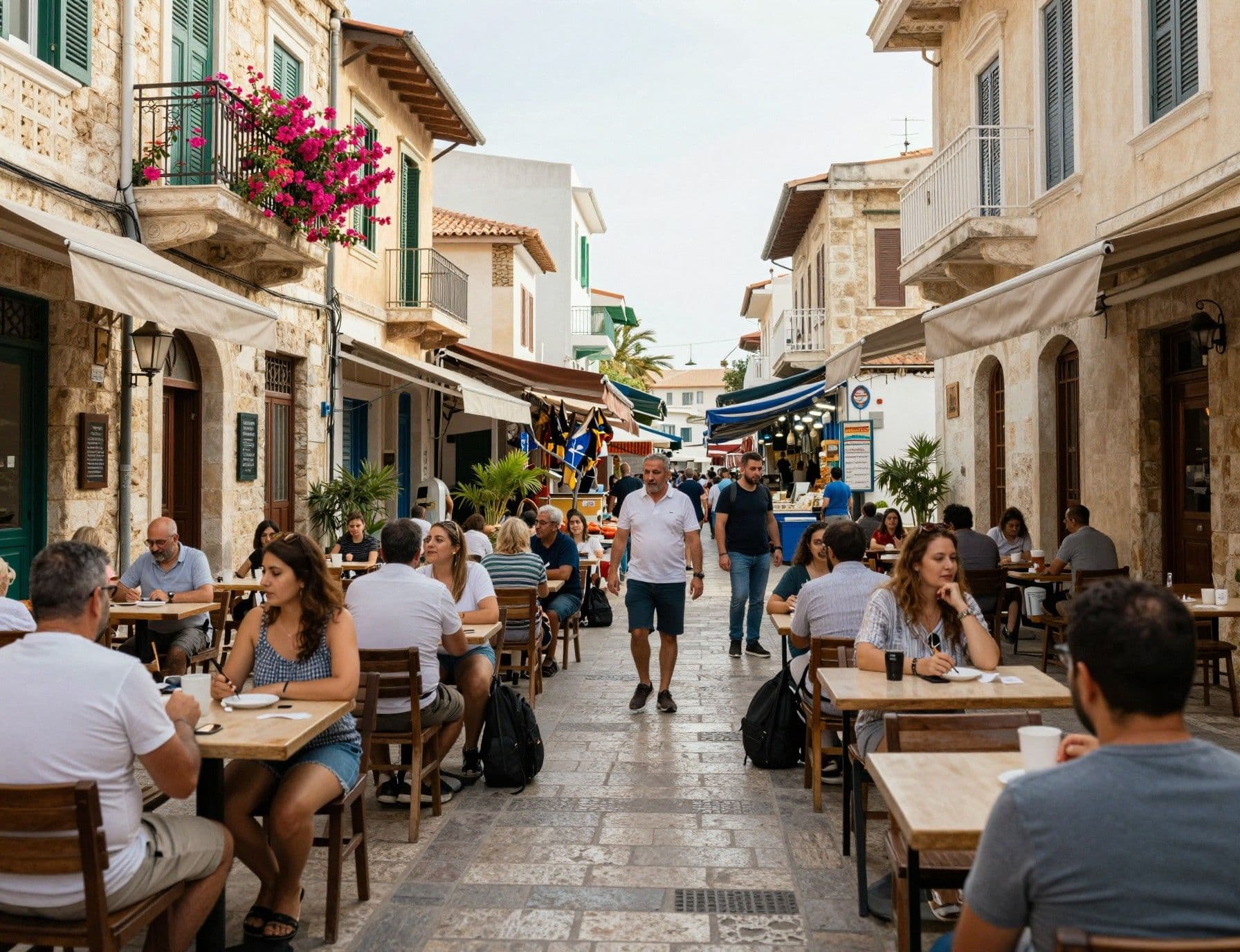
Cyprus is textured: Limassol offers a Mediterranean pulse of cafés, contemporary galleries and renovated colonial-era townhouses; Paphos folds history into coastal promenades and quieter villa plots; Larnaca hums with a working harbour, fish markets and an honest residential pace; the Troodos foothills provide a different tempo — pine scents, stone-built hamlets and cooler summers. The island’s compactness means you can be at a seafront breakfast and a mountain climb the same day, but each place asks for different property choices and financing strategies depending on seasonality and intended use.
Limassol & Old Port: contemporary conviviality meets traded provenance
Picture a morning along Molos promenade, boutique patisseries, and restored bourgeois apartment blocks with shuttered timber balconies. International professionals gravitate here for proximity to embassies, private schools and the marina; for buyers that typically means newer developments by the coast and carefully restored townhouses inland. Lender appetite in Limassol often reflects higher collateral values — expect banks to assess rental potential for buy‑to‑let cases and to require stronger proof of income when borrowers are non-resident.
Troodos & Paphos: village scale and season‑softened living
In Troodos villages and parts of Paphos you buy atmosphere as much as square metres: olive groves, stone floors and long vistas. These locations suit buyers seeking long-term retreat or second homes; for financing, banks will weight seasonal occupancy and local resale liquidity. If you envisage a quiet life — morning markets, village festivals and terrace dinners — choose properties with good access roads and reliable utilities to avoid the common inconvenience of rural upgrades.
- Lifestyle highlights
- Limassol Molos promenade cafés and the old port galleries
- Nicosia’s Ledra Street for evenings of mezze and small wine bars
- Paphos harbour for weekend fish markets and coastal villa living
Making the move: practical finance with a lifestyle lens

The moment the lifestyle vision meets contracts: Cyprus requires attention to transfer fees, registration and the structure of purchase. Government guidance outlines how transfer fees are calculated and recent reforms have altered transaction costs. New-builds that attract VAT are treated differently from resale contracts. Plan for legal fees, registration and — where relevant — VAT or transfer‑fee exemptions, and discuss these items with your lawyer before offering.
How local lending actually works for internationals
Banks in Cyprus do lend to non-residents, but conditions are specific: loan-to-value ratios are commonly lower for foreigners, interest and loan tenors reflect borrower profile, and banks expect thorough documentation of income and funds. Central Bank reporting documents steady mortgage lending growth and a gradual easing of rates, while industry reports note stronger scrutiny of source‑of‑funds. If you need a mortgage, start with pre-qualification, prepare multi-year income evidence and expect banks to value properties conservatively for LTV purposes.
Working with the right local experts
- 1. Retain a Cyprus solicitor who specialises in foreign buyers and title due diligence; they will lodge contracts and handle transfer registrations.
- 2. Engage a licensed valuer early — banks will require formal valuations and conservative open‑market assessments.
- 3. Open a Cyprus bank account and prepare certified source‑of‑funds documentation; some lenders require local accounts for disbursement and servicing.
- 4. Discuss tax residency and rental plans with an adviser; even modest letting changes financing appetite and tax reporting.
Insider knowledge: what expats wish they'd known
Many expats describe three small surprises: (1) the intensity of paperwork — even simple transactions require patient legal choreography; (2) seasonal market cycles — winter viewings show reality beyond summer tourism; and (3) the local preference for proven craftsmen and materials when renovating older homes. Public statistics show non‑EU buyers comprised a significant portion of 2024 transactions, which has practical implications for competition and lender caution.
Cultural and practical integration: the quiet rules
Cypriot social life rewards patience and reciprocity. Small courtesies — learning basic greetings in Greek, frequenting the same kafeneion, and respecting local festival calendars — accelerate acceptance. Practically, this matters when sourcing local contractors, negotiating minor variances in contracts, or arranging tenancy agreements. For buyers planning to let, cultivate a local property manager who understands seasonal demand and municipal permitting.
Longer-term considerations buyers often overlook
- Think beyond purchase price: consider municipal rates, ongoing maintenance for coastal humidity, insurance that covers seismic and storm exposure, and the evolving regulatory environment for foreign buyers. Recent reforms to transaction taxation and increased scrutiny of foreign purchases mean your legal team should check latest local rules before committing. A well-structured purchase anticipates the care a Cypriot property needs in both seasons and decades.
Conclusion: live the life, guard the investment
Cyprus rewards those who approach it as a lived place rather than a short-term opportunity. Start with neighbourhood visits — sip coffee on Molos, buy fish in Paphos at sunrise, walk a Troodos lane — then translate tastes into practical parameters: conservative LTV expectations, robust source‑of‑funds proof, and a solicitor who understands the island’s administrative rhythms. When lifestyle and finance are aligned, Cyprus becomes an address that endures.
Villa CuratedFormer Copenhagen architect who relocated to Provence, offering relocation services, market analysis, and a curator’s eye for authentic regional design.
Related Articles
More insights that might interest you
 The Yieldist
 MoveSettleGo
 MoveSettleGo

