Coastlines & Courtyards: Real Life Buying in Malta
A sensory, research‑backed portrait of Malta that blends seaside living, neighbourhood rhythms and practical buying steps, with NSO and industry sources.
 Moss & Hearth
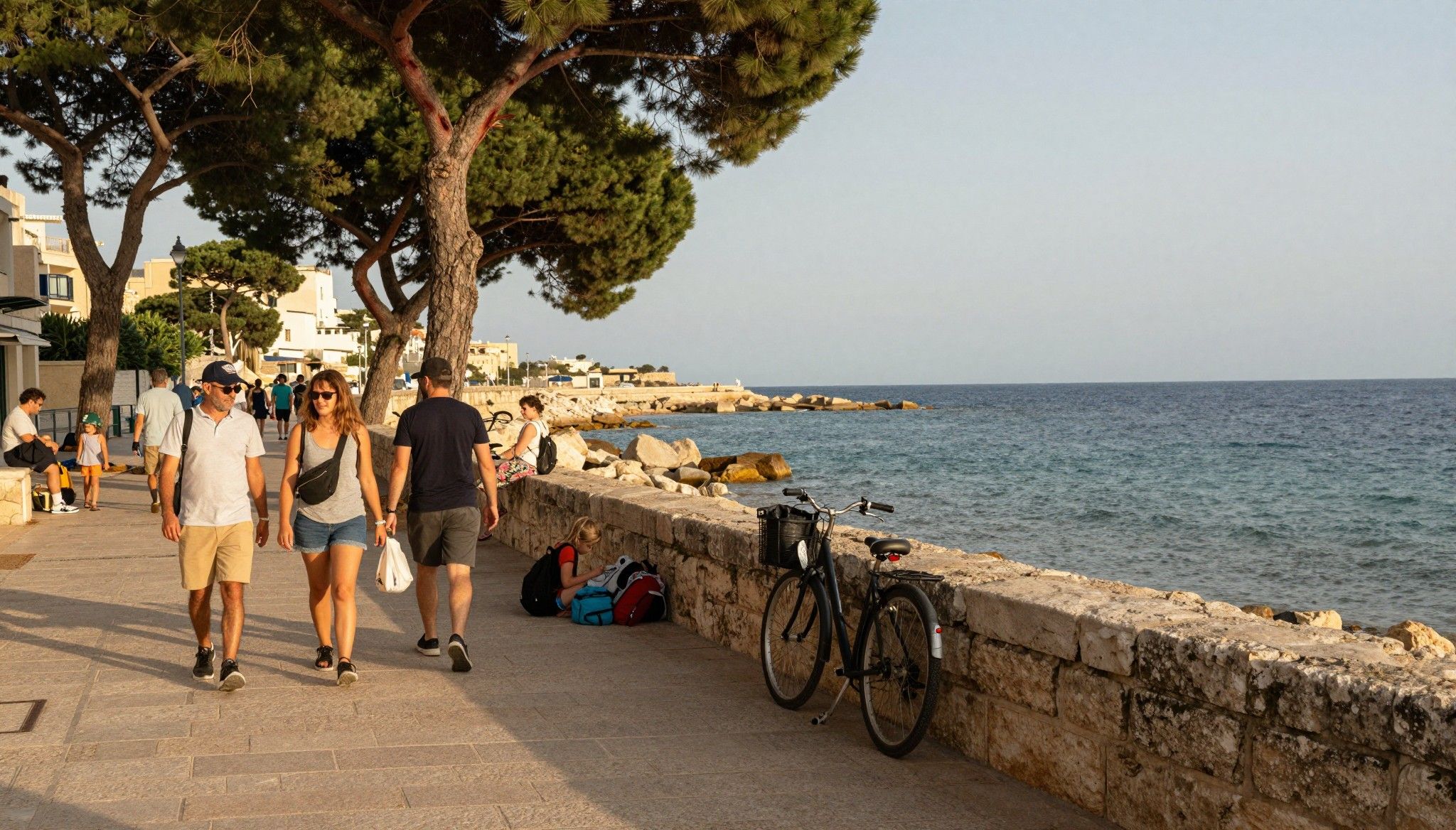
Imagine waking to salt air and limestone sun, pausing for an espresso at a café on Sliema’s Strand before an afternoon swim at Ghajn Tuffieha. Malta is compact and concentrated: medieval streets, cliffside bays and pines that scent the coast. For international buyers drawn to green living with dramatic coastline, the island offers a curious mix of rugged nature, village rhythm and surprising eco‑minded design. But charm alone doesn’t close sales — practical signals from local statistics and residency rules matter as much as the view.
Living the Maltese Rhythm
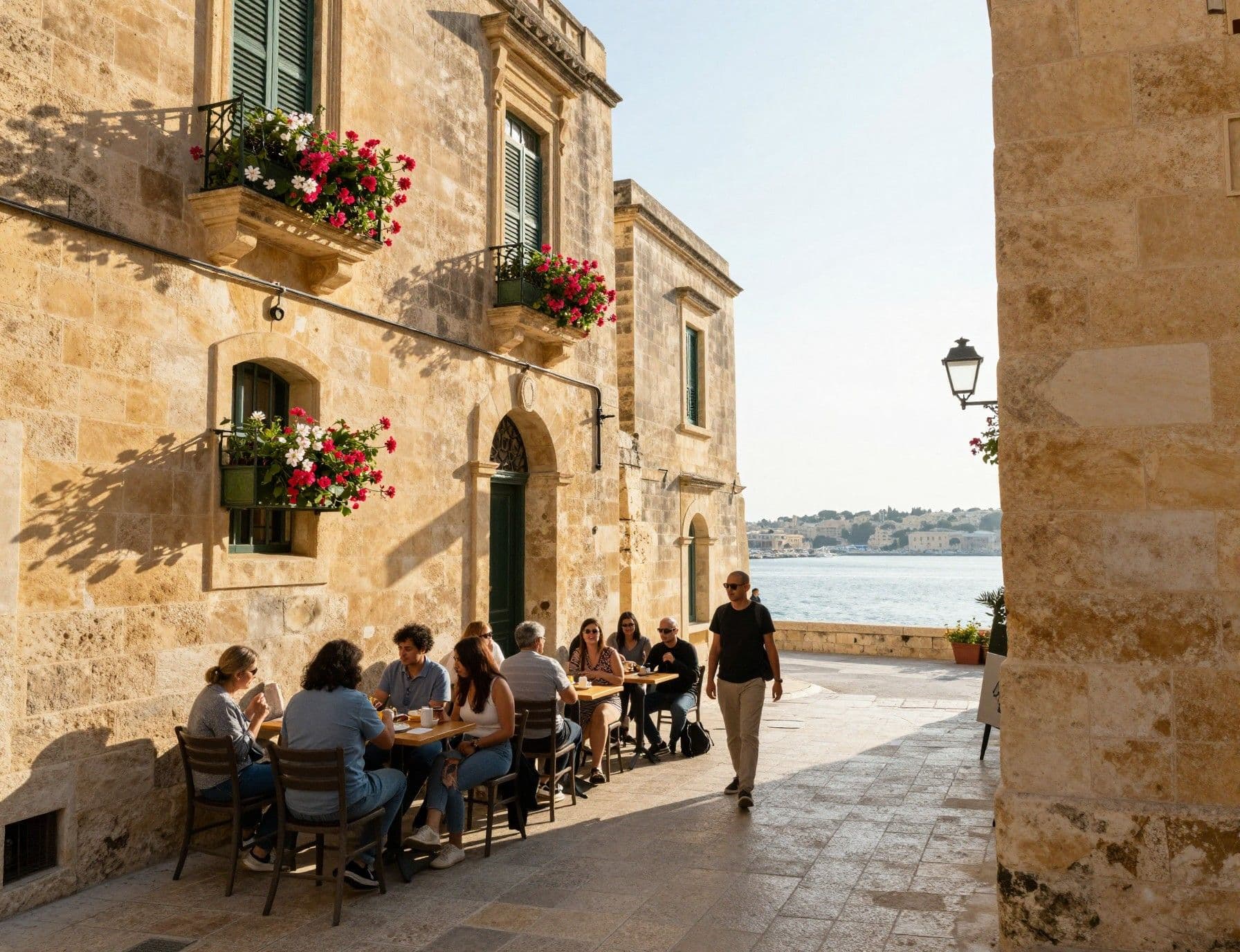
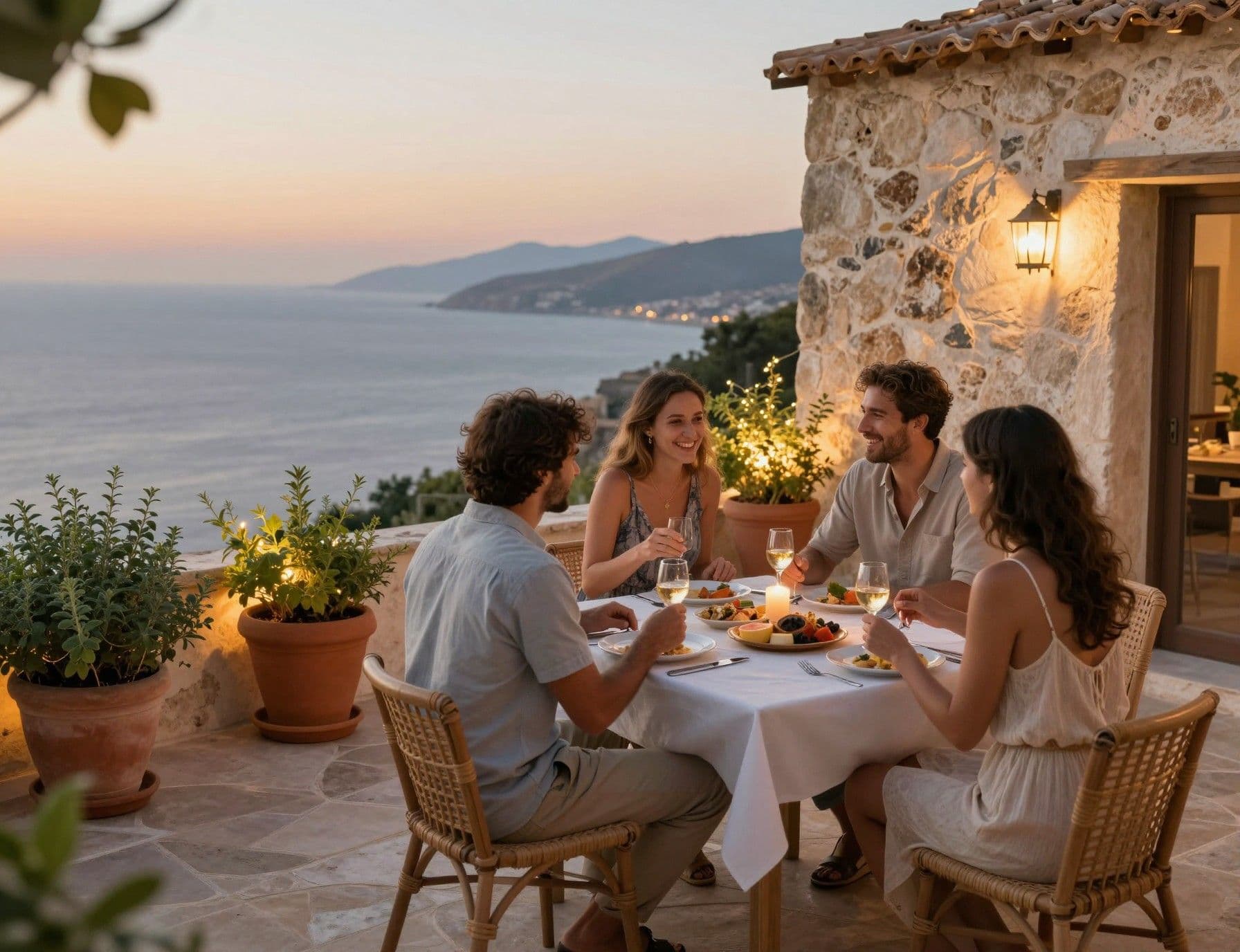
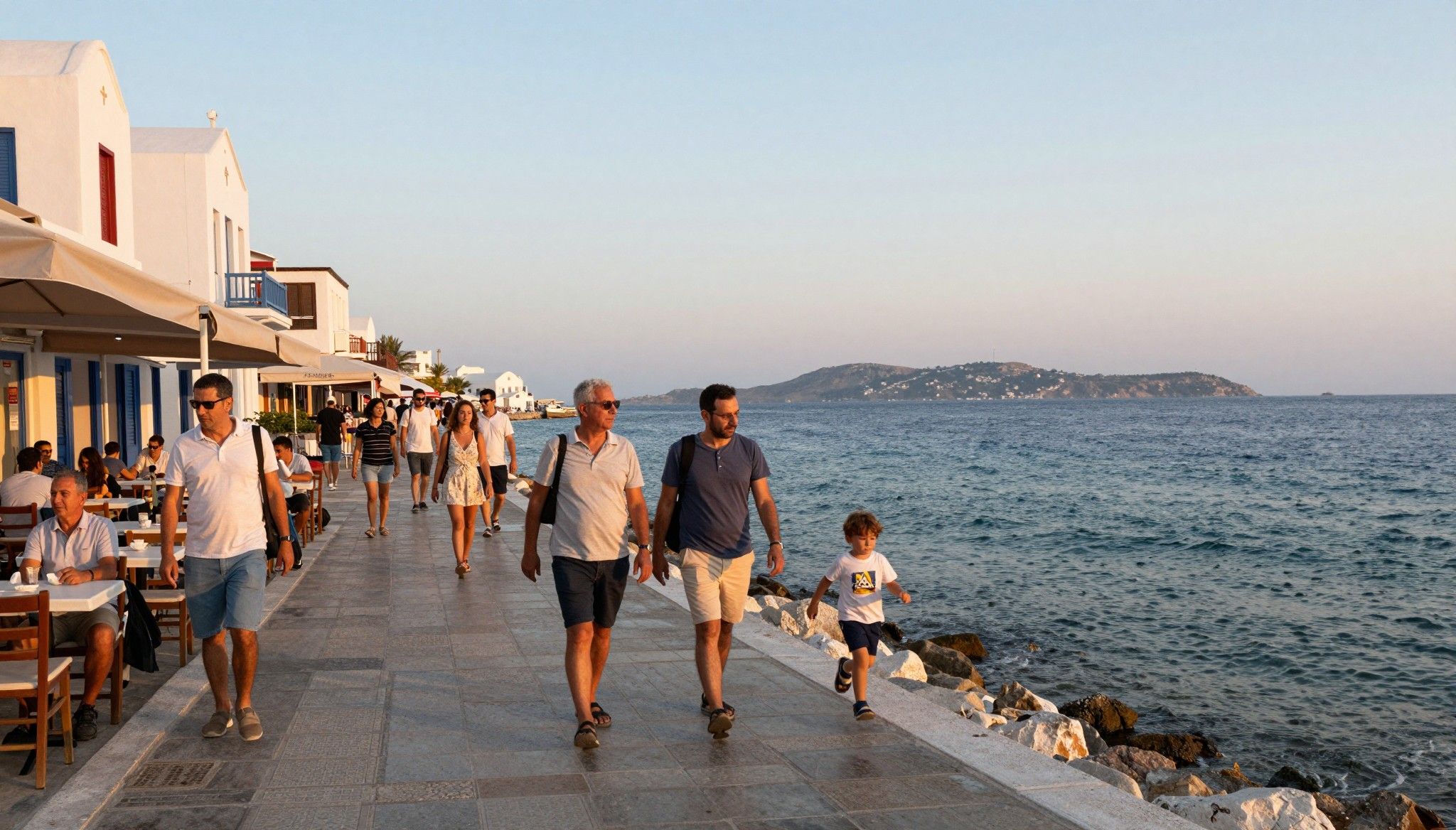
Daily life in Malta balances Mediterranean ease with a palpable coastal energy. Mornings mean sea swims off St. Julian’s rocky shelves or a ferry to Valletta for fresh bread, afternoons are for siesta‑style slow time in shaded courtyards, and evenings come alive with long dinners under fairy lights. The island’s scale makes everything reachable: a weekend can include snorkeling in Comino, a hike along the Dingli Cliffs, and a farmers’ market visit in Marsaxlokk. That compactness is a lifestyle asset — and a real estate factor: proximity to coast or a green corridor often commands a premium.
Neighbourhood pulses: Valletta, Marsaskala, Mellieħa
Valletta is a lived‑in museum, narrow streets lined with Maltese balconies and boutique cafés; buy here and you’re inside history and culture. Mellieħa, by contrast, feels rural and pine‑fringed, with sandy bays and houses that open to green terraces — appealing if you want coastal calm and outdoor living. Marsaskala and the south‑eastern bays attract families and remote workers who prize a gentler pace and community markets. Each area has a different cadence, and which one suits you depends on whether you prize ritualized urban mornings or open, green afternoons.
Food, markets and rituals
Food anchors social life: pastizzi at hole‑in‑the‑wall bakeries, Sunday fish feasts in Marsaxlokk, and slow‑roasted rabbit at village festas. Local farmers’ markets (notably the Valletta and Marsaxlokk markets) supply seasonal citrus, capers and wild greens that change your cooking. Even in dense towns, balconies become kitchen gardens — rosemary, figs, dwarf olive trees — which is a small but joyful expression of Malta’s connection to place. These micro‑rituals influence property choices: terraces, roof gardens, and north‑facing courtyards are often worth a premium.
- Lifestyle highlights: sea swims off Blue Flag beaches; cliff walks on Dingli; café culture on Republic Street; farmers’ stalls in Marsaxlokk; rooftop terraces for evening gatherings; community festas in village squares.
Making the Move: Practical Considerations
If the lifestyle pulls you in, the numbers push you to plan. Malta’s Residential Property Price Index has shown consistent year‑on‑year increases in recent quarters, underlining steady demand even as the island fills in. That upward pressure is strongest in boutique townhouses, seafront maisonettes and renovated ‘houses of character’ where restoration meets modern eco‑upgrades. Practical planning means matching your lifestyle wish list to realistic price bands and build types.
Property styles and how you'll live in them
Many buyers fall for a sun‑soaked apartment with a balcony, but houses of character — with thick limestone walls, internal courtyards and high ceilings — are where you feel the island’s slower rhythm. Newer developments offer insulation, heat pumps and photovoltaic readiness, which matter for year‑round comfort and bills. When assessing a property, look beyond cosmetic charm to orientation, ventilation and potential for a rooftop garden; those details shape daily life as much as square metres.
Working with local experts who speak the language of place
A thoughtful local agent does more than show listings: they translate festivals into neighbourhood calendars, point out microclimates, and flag which terraces catch the evening breeze. Use agencies familiar with Maltese planning constraints and traditional restoration techniques — they will save you time on permits and conservation requirements. Consider agents who also advise on sustainable retrofits, from rainwater capture to PV systems, because those investments improve comfort and long‑term resale in Malta’s climate.
- Practical + lifestyle checklist for viewings: 1. Check morning and evening light on terraces; notice prevailing breezes. 2. Ask about insulation and electrical capacity for PV and heat pumps. 3. Inspect courtyard drainage and roof waterproofing for winter storms. 4. Walk the street at different times to gauge noise and fête schedules. 5. Confirm access to beaches, markets and local medical services.
Insider Knowledge: What Expats Wish They'd Known
Expat buyers often tell a similar story: the island captured their heart quickly, but the long tail of practicalities caught them off guard. From apartment service charges to the rhythm of village festas that close streets for a day, these small realities shape how you live. The market’s steady price rise means urgency for the prepared buyer, but also room to choose properties that support low‑impact living rather than short‑term tourist returns.
Cultural integration, language and community
English is an official language, which eases everyday life for many internationals, but Maltese social rhythms reward small efforts — learning a few phrases, joining a local festa committee, or shopping weekly at the market. Community gardens and rooftop potagers are common social hubs in denser towns, while volunteering in coastal clean‑ups is a fast route into local networks. These social connections not only enrich life but can give you early notice of off‑market properties.
Long‑term lifestyle and stewardship
Think in seasons and stewardship: many buyers retrofit old stone homes for passive cooling, install PV and adopt waterwise gardens to suit Malta’s Mediterranean climate. If residency is part of your plan, be precise — Malta’s residency frameworks tie property conditions and minimum values to eligibility, and rules evolve. Planning for sustainable upgrades not only lowers bills but aligns your purchase with community values and future‑proofs resale value.
- Red flags and quick checks: • Excessive damp or poor roof maintenance in older stone houses. • Noisy neighboring festas or late‑night bars near nightlife hubs. • Properties without permission for rooftop or PV installations. • Over‑optimistic rental yield claims in heavily touristed streets. • Lack of documented service charge breakdowns in communal blocks.
Malta’s compact geography and rich cultural life make it an intoxicating place to live, especially for buyers who value coastline, convivial markets and a year‑round outdoor life. If you come for the beaches, stay for the village rituals and seasonal produce; if you come for investment, marry that view with careful due diligence and sustainability upgrades that suit the Mediterranean climate. The next step is simple: schedule targeted viewings with an agent who understands green retrofits, community cadence and the practical steps from offer to keys.
Moss & HearthNorwegian market analyst who relocated from Oslo to Provence; guides investors with rigorous portfolio strategy and regional ecological value.
Related Articles
More insights that might interest you
 Villa Curated
 Villa Curated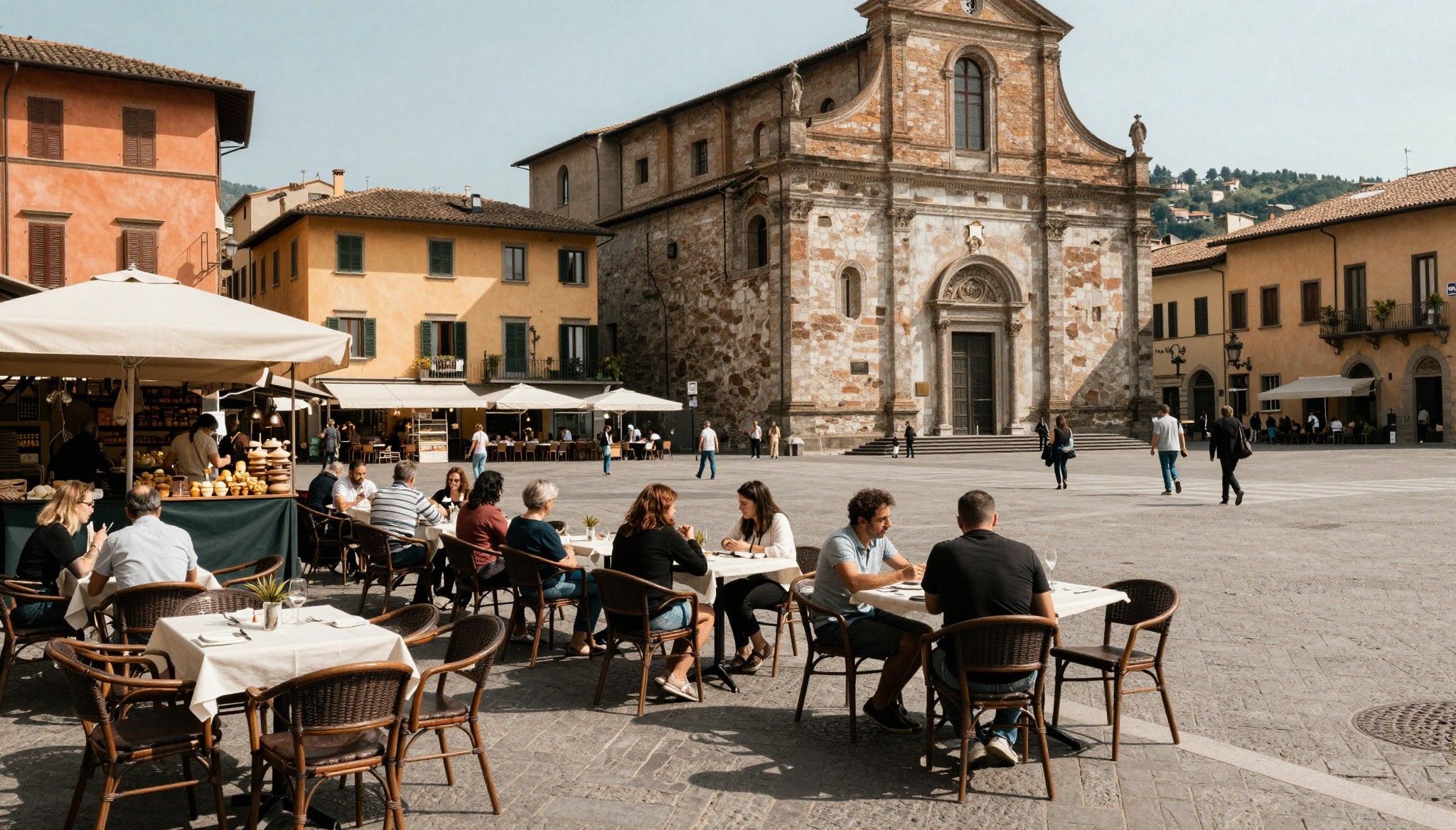
 The Yieldist

