
Cyprus: Love the Life, Secure the File
Fall for Cyprus’s markets, markets and morning cafés — then secure the file: local land rules, non‑dom tax benefits and registration steps that shape long‑term value.
 Ashworth & Drake
Imagine a late-morning espresso on Ledra Street, limestone sun on your knees, and the Mediterranean a short walk away — that everyday ease is Cyprus. But beneath those easy rhythms are legal patterns that shape where you can buy, how you pay tax, and how long that life actually takes to arrive. We’ll lead with what it feels like to live here, then get to the paperwork you’ll wish you’d known before signing.
Living the Cyprus Life — what you actually wake up to

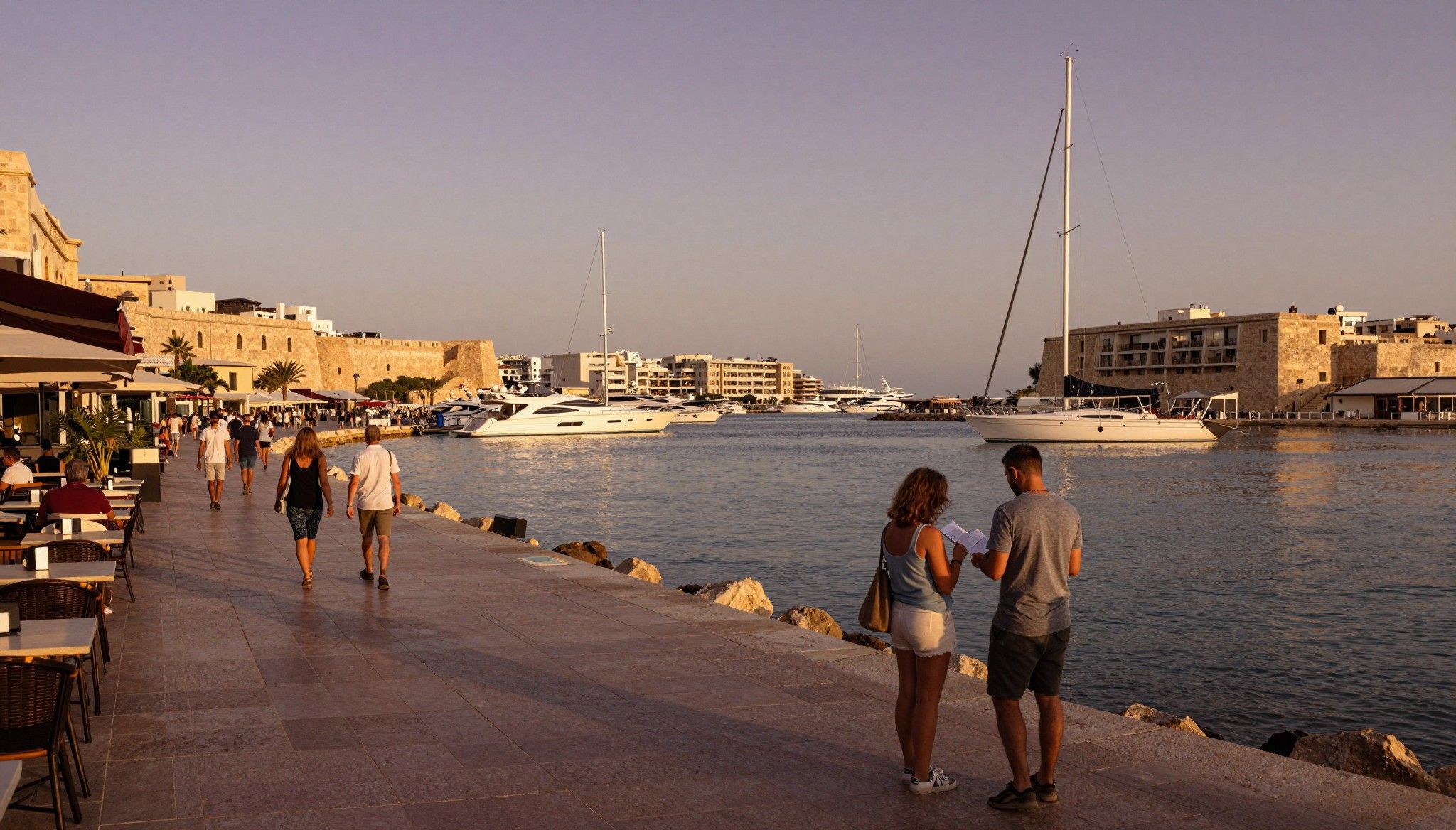
Cyprus life means weekly markets under plane trees, coffee culture that spills from morning until after lunch, and an effortless mix of beach days and mountain escapes. In Limassol you’ll find a long seaside promenade where people jog and families picnic; in Paphos, mornings move at a gentler pace around the old harbour; in Larnaca the salt lake and Finikoudes promenade set a different tempo. These rhythms shape what you value in a home — a terrace for evening breezes, shutters for summer heat, and proximity to the small cafés that become your community.
Neighborhood spotlights: who lives where and why
Paphos: history on your doorstep and a mellow expat scene — think restored townhouses and small apartment blocks. Limassol: cosmopolitan, where new developments sit beside old citrus groves and private schools. Nicosia: the island’s working core, with narrow streets, cafés that run late and a quieter property rhythm in the suburbs. Choosing a neighborhood is as much about daily rituals — where you get your bread, which beach you visit — as it is about price per square metre.
Food, festivals and seasonality — lifestyle drivers for buyers
Weekends are market-heavy: Lefkara’s lace stalls, Limassol’s food fairs, sea-inspired tavernas serving freshly grilled fish under bougainvillea. Summer brings tourism caps and higher short-term rental demand; autumn and spring are when locals reclaim the streets and you’ll better sense a neighbourhood’s year-round character. That seasonal swing matters: an apartment that looks lively in August can be quiet from November to March — and that affects rental income, resale appeal and your own happiness when you live there year-round.
Morning coffee at To Anamma (Nicosia); sunset fish at Paphos harbour; weekend farmers’ market in Limassol; a hike in Troodos on a crisp Saturday; local festivals in villages like Omodos — real reasons people choose Cyprus, not just the sun.
Making the move: the legal and tax reality that frames the lifestyle

Turning that lifestyle into ownership requires paperwork that’s straightforward when you plan for it and costly when you don’t. Land registration sits with the Department of Lands and Surveys; tax and special contributions sit with the Tax Department. Two rules will determine your long-term cost profile: whether you become a Cyprus tax resident (and if you can claim non-domicile status), and whether you’re an EU or non-EU buyer — which affects purchase permissions for certain land types.
Who can buy what: foreign ownership rules
EU/EEA citizens generally face the fewest restrictions. Non‑EU buyers can buy homes but land purchases may be capped or require approvals — for example limits around parcels for residential use and historically a 4,000 m² cap on certain land categories. These rules change in detail over time; always check the Department of Lands and Surveys and get a local lawyer to confirm whether a plot needs Ministry approval before you sign.
Tax headline: Cyprus’s non‑dom regime is a practical tool for many internationals. If you’re tax resident but non‑dom, dividends and interest are typically exempt from the Special Defence Contribution; other labour and passive income rules have been reformed recently. These tax details materially affect the total cost of ownership — not just purchase taxes but recurring levies — so early tax modelling matters more than haggling over a €5,000 reduction in price.
Step-by-step: how to go from 'I love this neighbourhood' to legal owner 1) Reserve the property with a deposit and a reservation agreement. 2) Instruct a local lawyer to perform due diligence on title, planning and encumbrances. 3) Sign a sale contract with clear conditions (e.g., planning, mortgage approval) and register the sale with the Department of Lands and Surveys. 4) Pay transfer taxes, stamp duty and complete the deed transfer and registration.
Insider knowledge: the things expats wish they’d known sooner
Reality check: renovation timelines take longer than sales timelines; coastal plots can carry additional planning restrictions; and the Northern Cyprus market carries legal complexities that can trap unwary buyers. Expats tell us the biggest regrets are skipping a local lawyer’s title check, underestimating maintenance costs for older villas, and assuming summer rental income will be steady year-round.
Cultural and practical notes that change a purchase decision
Cypriot social life is local: introductions matter. A recommendation from a café owner or a local builder goes a long way when you need practical help. Language is widely English-friendly in business and real estate, but planning offices and land registries still operate heavily in Greek — your lawyer will translate not just language but local practice.
Practical red flags to watch for - Title irregularities or missing title deeds (get an up-to-date cadastral extract). - Properties sold via local companies without clear beneficiary disclosure. - Promises of future planning permissions without paperwork. - Over-optimistic rental yield forecasts that ignore seasonality. - Lack of local utility documentation or unresolved debts linked to the plot.
If you want both the life — terrace dinners, village festivals, island weekends — and a secure legal position, work the lifestyle first and the file second. Visit in low season, meet the neighbours, sample weekly rhythms, then hire a lawyer and tax adviser who know the island’s rhythms as well as its rules. That way your purchase supports the life you pictured rather than replacing it with paperwork.
Conclusion: Cyprus gives you a lifestyle many dream of, and a regulatory landscape that rewards planning. Fall for the mornings and the markets, then secure the file: confirm land rights with the Department of Lands and Surveys, model tax scenarios with a Cyprus tax adviser, and use a local lawyer for title and contract work. Do that, and the Mediterranean life here is not a holiday — it’s home.
Ashworth & DrakeSwedish expat who moved from Stockholm to Marbella in 2018. Specializes in cross-border legal navigation and residency considerations for Scandinavian buyers.
Related Articles
More insights that might interest you
 Villa Curated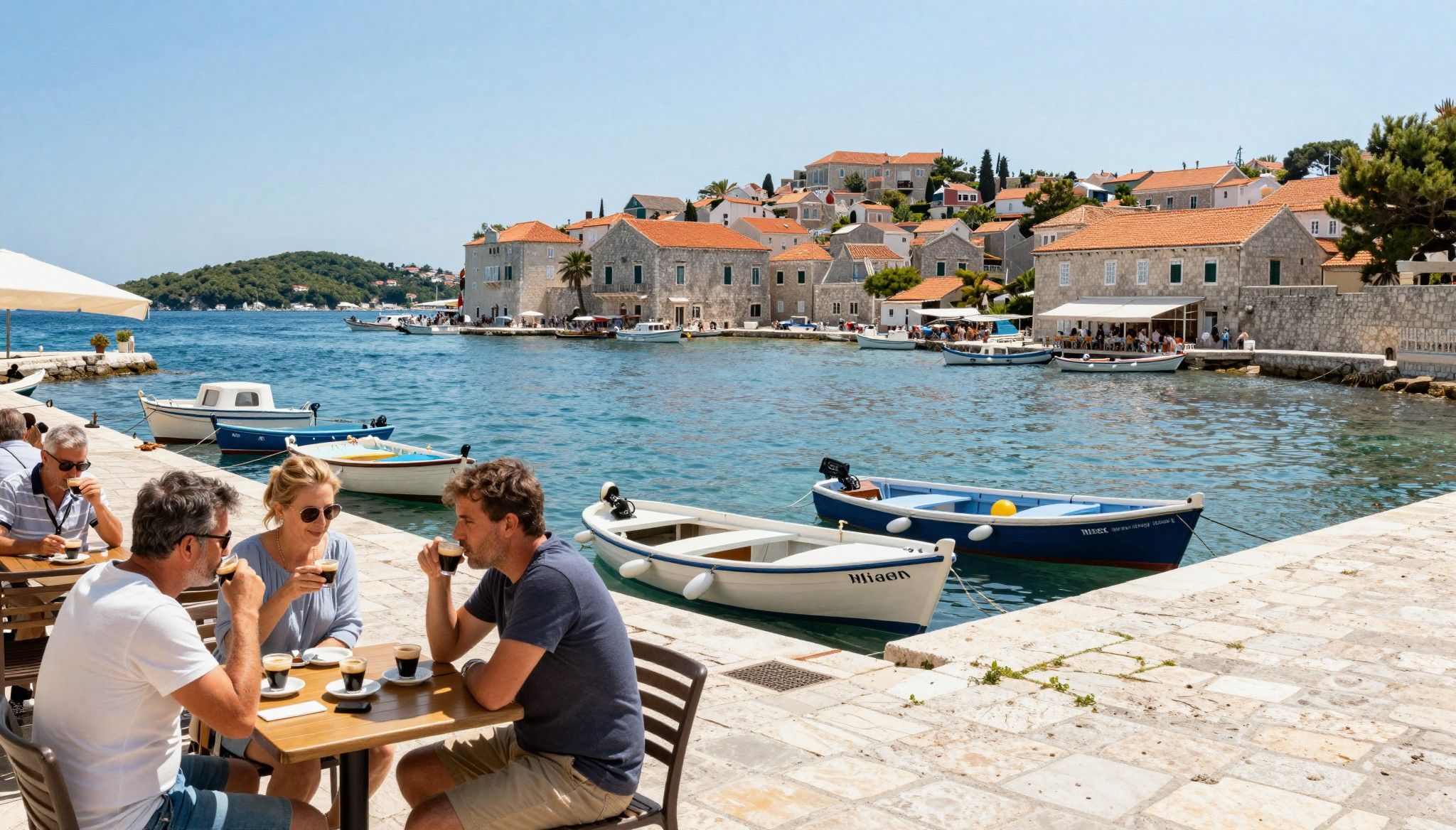
 The Yieldist
 MoveSettleGo
