
France: Buy the Life, Verify the Data
France’s market has stabilised: buy the lifestyle you want, then verify with INSEE and notarial data at street level for timing and value.
 Ashworth & Drake
Imagine Sunday in a small café on rue Cler, coffee steam fogging the window, the boulanger's last croissants on the counter and a real estate sign that doesn’t scream “tourist price.” That scene is the everyday France many buyers dream of — and the numbers show that the country’s housing market has stopped swinging wildly. We’ll marry the texture of life (markets, coastlines, neighbourhood rhythms) with the data you actually need to decide where and when to buy.
Living the French life — what you’re really buying
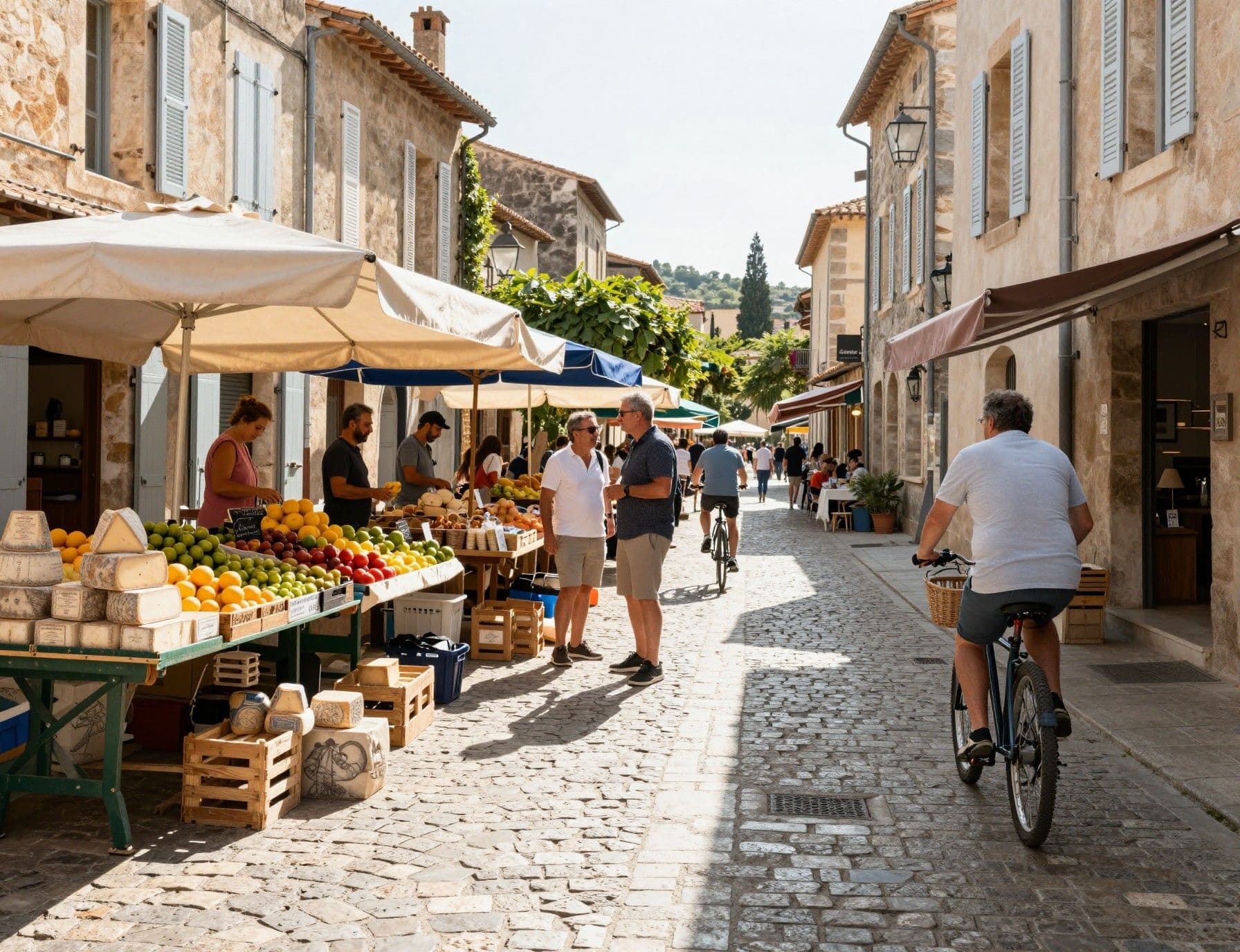
France is not a single ‘vibe’. Paris mornings mean boulangeries and narrow courtyard light; Montpellier offers lively markets and students spilling into bars; coastal towns like Biarritz and Cassis trade quiet winters for vibrant summers. When you buy here you’re buying a pattern of daily rituals — market runs, weekly aperitifs, town fêtes — and different property types serve those patterns in very different ways.
Neighbourhood spotlight — Paris (Le Marais to Buttes-Chaumont)
Le Marais smells of coffee and old books; buy a small flat and you’ll give up floor space for light and walkability. But as notaires point out, inner-Paris prices have been more stable than headlines suggest — the premium buys you convenience and rental resilience, not guaranteed capital growth. For many internationals, a compact arrondissement flat funds French life while weekend trips reach larger, cheaper spaces elsewhere.
Coastal & provincial scenes — Montpellier, Bordeaux, Provence
Walk the terraces of Montpellier or the riverbanks of Bordeaux and you’ll see new cafés, renovated warehouses and families biking to school. These cities showed price resilience into 2025–2026 as demand returned beyond Paris, reflecting lifestyle shifts: more space, sun, and local culture. If you want a sundrenched terrace and a slower rhythm, provincial centres are where lifestyle and value often meet.
- Market-minded lifestyle highlights:
- Sunday food markets (e.g., Marché Forville, Cannes) — daily life plus reliable neighbourhood pricing signals
- Seaside promenades (Saint-Jean-de-Luz, Cassis) — strong seasonal rental returns but watch for maintenance costs
- Student quarters (Montpellier, Lyon 7th) — steady rental demand and community energy
Making the move: practical market signals that matter
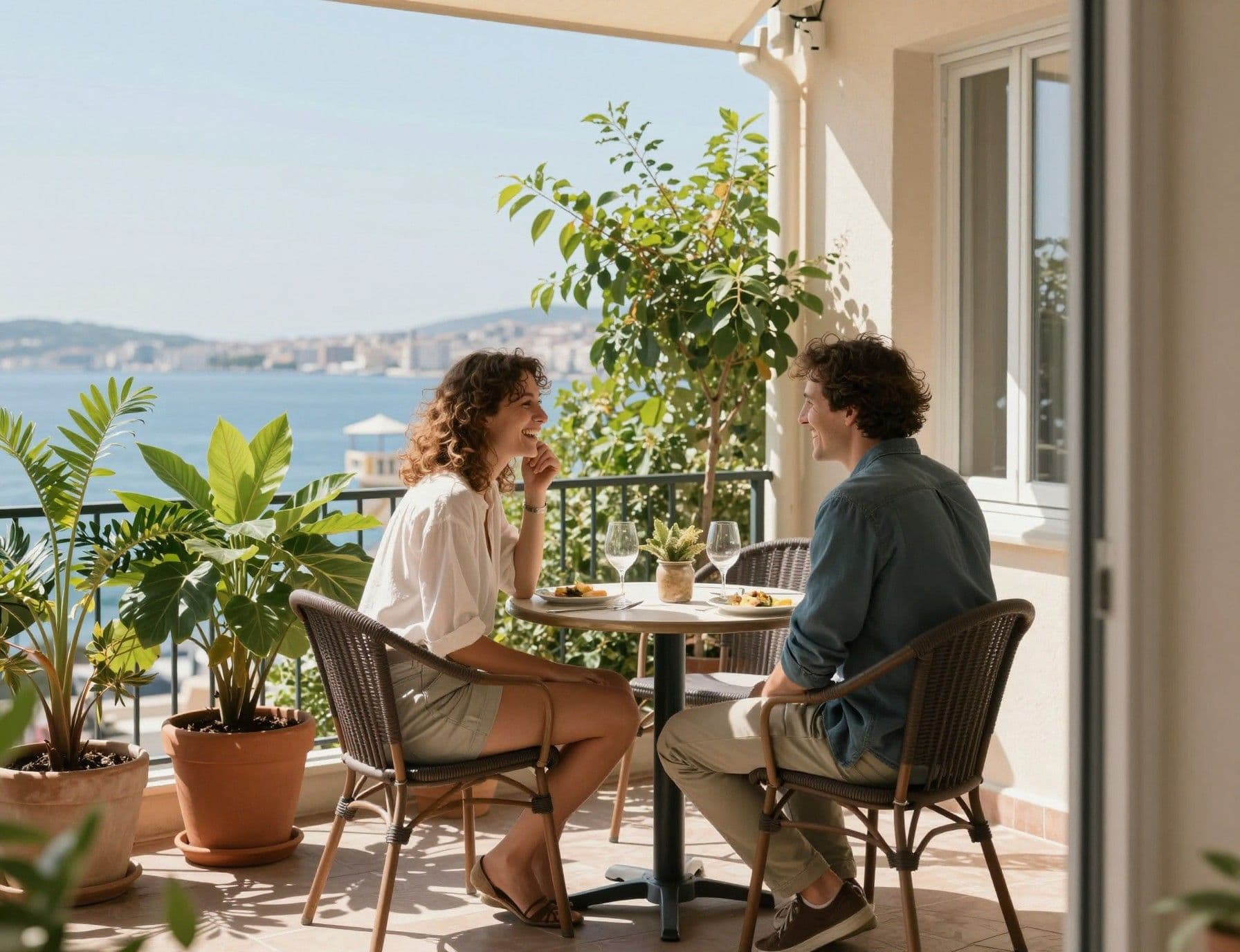
Lifestyle sells the dream, but three hard signals tell you whether a neighbourhood is ready for purchase: local price momentum, transaction volume, and the supply profile (small flats vs family homes). INSEE and notaire indices show stabilization across late 2024–2025 and early 2026, which means opportunistic buying requires neighbourhood-level nuance rather than countrywide bets.
Property types and how they shape daily life
A pied-à-terre in Paris buys access; a maison in the Dordogne buys space and gardened mornings. Apartments dominate city markets and trade on m² prices; houses outside cities are less liquid but often give better long-term lifestyle returns. Match the property type to the life you want: low-maintenance urban flat if you travel often; provincial house if you want food markets and neighbours who know your name.
Work with the right local experts
A local notaire, an agent who knows the arrondissement or commune, and a surveyor for any older home are non-negotiable. Agencies translate lifestyle requirements into comparable sales and identify local maintenance norms (stone roofs, heating systems). We suggest choosing an agent who can name the cafés, schools and tradespeople — that local knowledge saves money and regret.
- Six steps that blend lifestyle and market sense:
- Visit at different times (market morning, weekday evening) to test the rhythm.
- Check recent transaction volumes (DVF/DVF-based tools) to see if a street’s active or stagnant.
- Compare DPE/energy ratings for older homes — lower-rated properties carry refurbishment costs that change yield math.
- Confirm rental rules for the area (short-term tourism caps in many coastal towns).
- Get a local notaire early to flag inheritance rules or shared-copropriété issues.
Insider knowledge — what expats wish they'd known
Expats routinely tell us they underestimated three things: the seasonality of coastal towns, the paperwork timeline, and the local social codes that make a street feel like home. DVF and public transaction data let you verify price claims; use them to test an agent’s comparable sales rather than taking glossy brochures at face value.
Cultural integration and daily realities
French life rewards small rituals: the baker who knows your order, the maître d’ who remembers a name, the market stall that saves your day. Learning a few phrases and visiting markets for months before buying helps you see beyond the postcard. That familiarity often predicts whether a neighbourhood will fit you in the long run.
Longer-term considerations — energy, maintenance and community
Older stone houses charm buyers but come with roof and insulation costs; apartment copropriétés have shared budgets that can surprise. Energy ratings (DPE) are now a clearer price signal — better-rated homes command premiums. Plan maintenance budgets and talk to neighbours about monthly charges before signing anything.
- Red flags to watch for on viewings:
- Unexplained damp smells or fresh paint over cracks — ask for a diagnostic and historical maintenance records.
- Sparse recent transactions on the street — price may be illusory if the market is illiquid.
- Vague copropriété accounts or pending capital works — these are real future costs.
Pulling it together: France is not uniformly expensive or cheap. National indices (INSEE, notaires) show stabilization into 2025–2026, but the opportunity is in the micro: the street, the café, the Saturday market that gives you a sense of belonging. Buy the life you can keep — and use data to make sure that life is affordable.
Next steps: visit in both high and low season, ask an agent for DVF comparables, bring a bilingual notaire into the loop, and budget for energy upgrades if you’re buying an older property. When you pair the lived-in details (cafés, schools, markets) with transaction-level data, you buy more than a property — you buy a life that fits.
Ashworth & DrakeDanish investment specialist who relocated to Costa del Sol in 2015. Focuses on data-driven market timing and long-term value for Danish buyers.
Related Articles
More insights that might interest you
 Villa Curated
 Villa Curated
 The Yieldist

