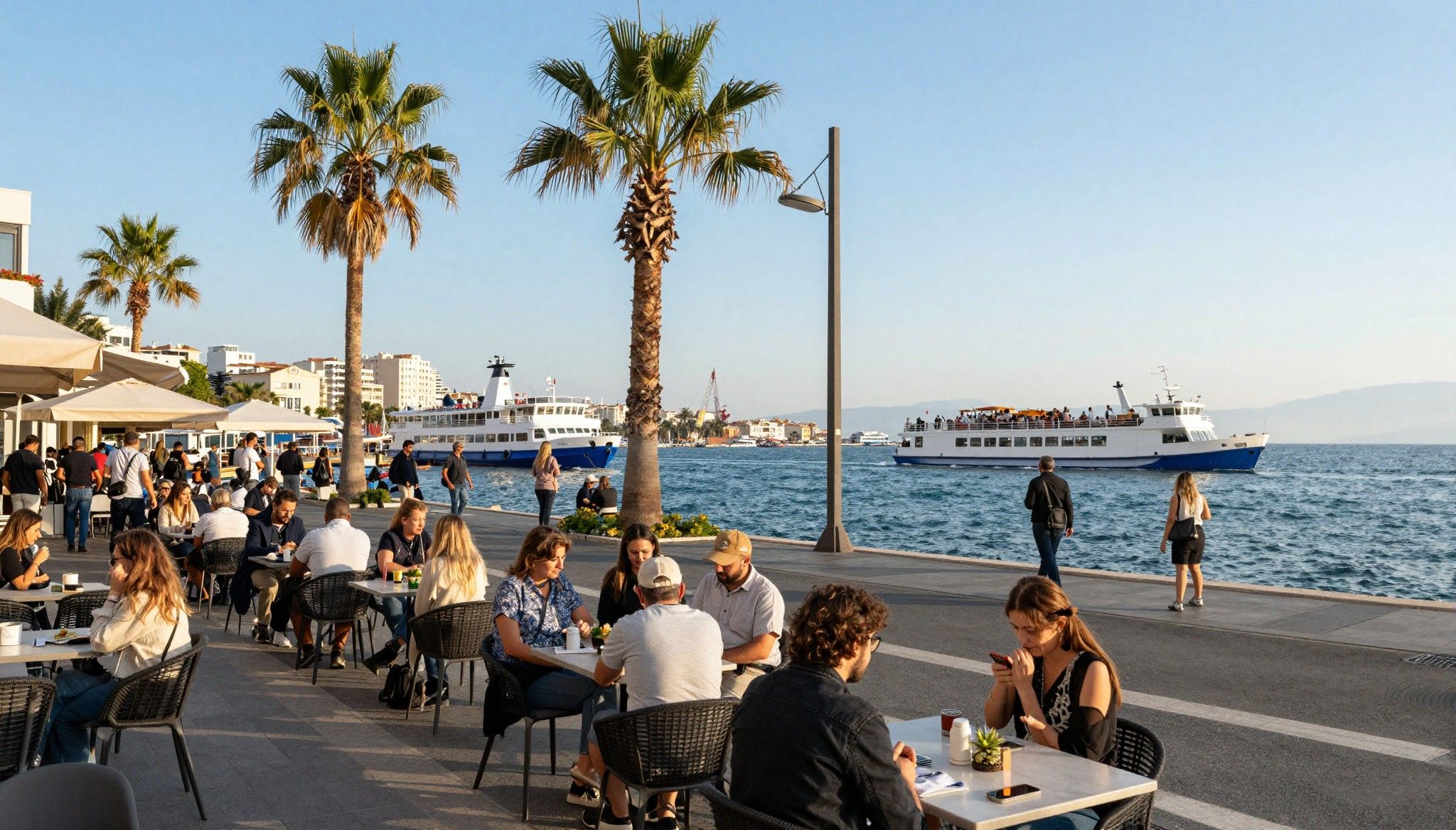
Greece: Where Connectivity Turns Lifestyle into Yield
Greece’s lifestyle lure is real; connectivity—metros, ports, Elliniko and airport upgrades—turns that lure into predictable rental catchments and steadier yields.
 The Yieldist
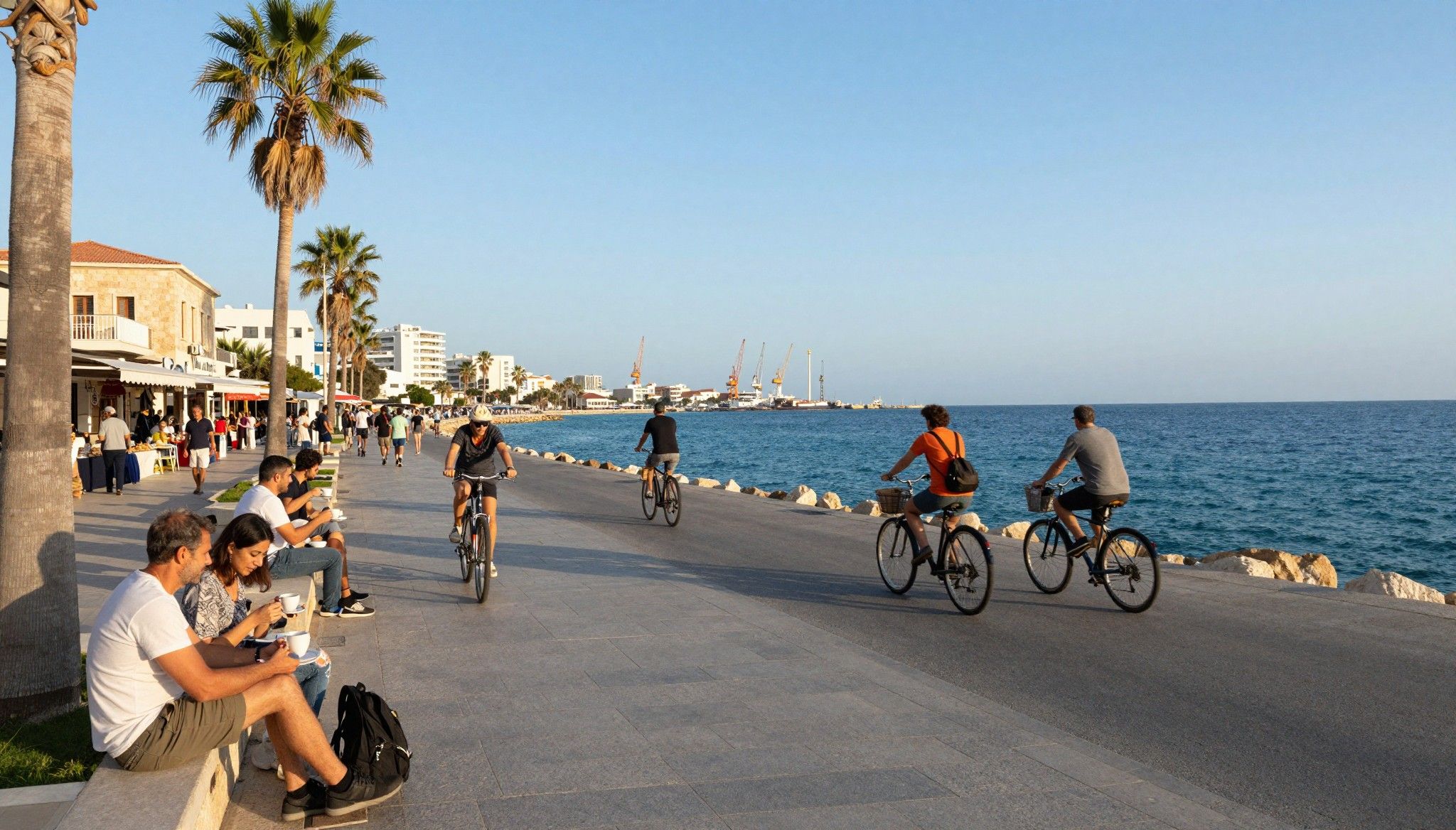
Imagine sipping a slow espresso at a sun-drenched kafeneío on an Athens side‑street, then boarding a 20‑minute tram to a waterfront lunch on the Athenian Riviera. Picture weekend ferry hops to islands where late‑afternoon markets set the rhythm of life, and modern tram and metro lines stitch neighbourhoods together. Greece sells the sensory dream—sea, light, food—but beneath that is an infrastructure story changing investment math: ports that expanded throughput, major metro projects, and urban regeneration at Elliniko that alter where rents and prices concentrate. For international buyers this is seductive and practical; lifestyle draws you, connectivity decides where yield follows.
Living the Greece lifestyle
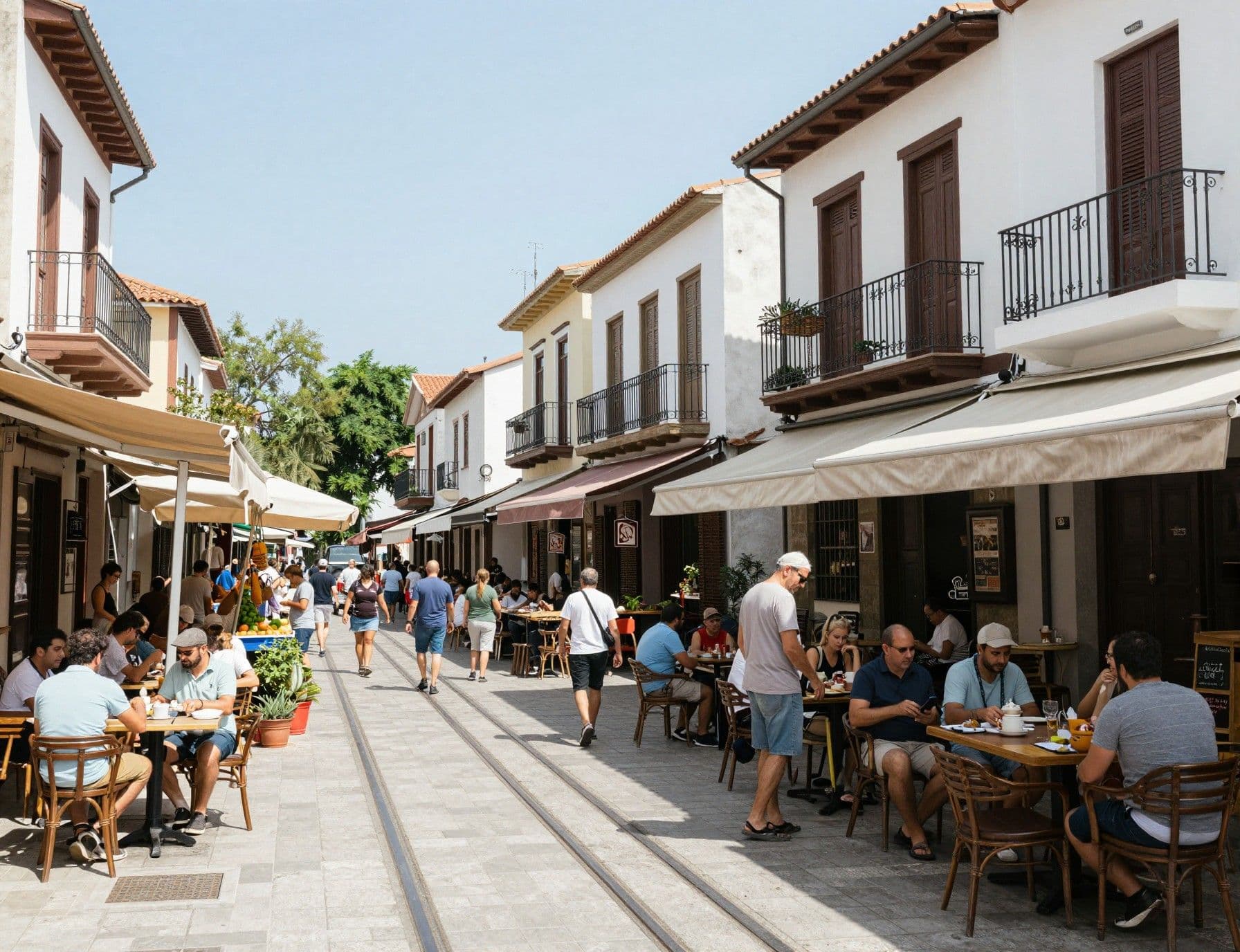
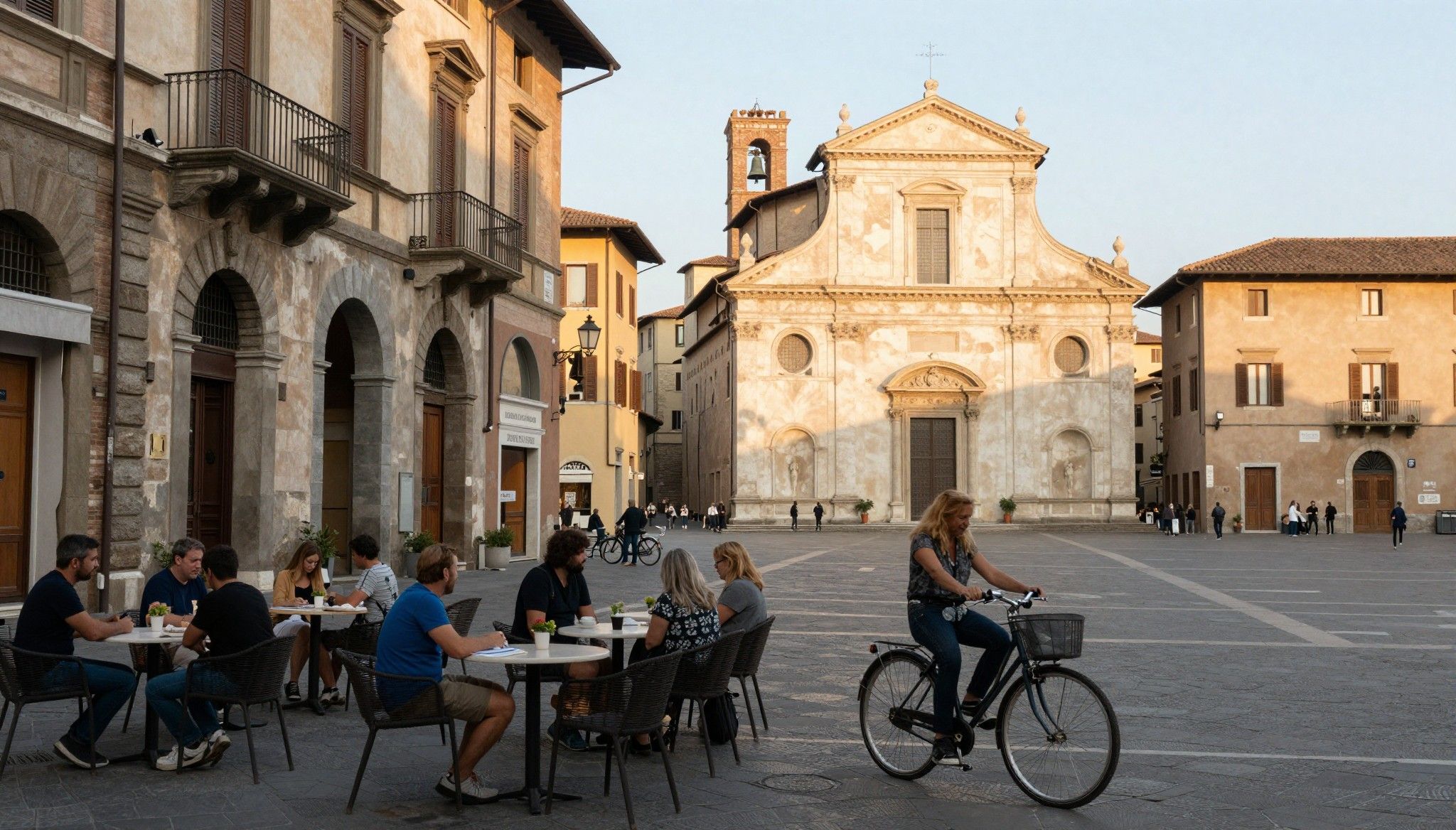
Greece’s daily life balances long, social meals and a strong outdoor culture with compact, walkable urban cores. Athens hums with neighbourhood cafés in Exarcheia, Koukaki and Pangrati where locals linger; Thessaloniki’s waterfront and Ladadika quarter buzz with tavernas and concerts; island towns like Chania and Naxos trade quiet mornings for lively summer evenings. Climate and culture shape property choices: terraces, courtyards and cross‑ventilation matter as much as square metres.
Neighbourhood spotlight: Athens — from Koukaki to the Athenian Riviera
Koukaki, Pangrati and Ano Petralona offer the archetypal urban Greek life—short walks to markets, theatre nights and terraces. Move 20–30 minutes south and the Athenian Riviera (Glyfada, Vouliagmeni) gives you beaches, marinas and higher‑end villas; prices there diverge sharply because of lifestyle and coast access. Large projects like Elliniko (Hellinikon) are reshaping southern suburbs, adding parks, retail and transport that shift demand corridors and create a premium on nearby housing.
Food, markets and coastal rituals
A day in a Greek neighbourhood moves from corner bakeries to afternoon siestas and late tavernas; wet markets (Varvakios in Athens, Modiano in Thessaloniki) anchor weekly routines and make proximity to market stalls a real lifestyle benefit. Seasonal tourism amplifies rental demand: summer months raise short‑let yields on islands and Athenian central zones, while off‑season life returns a steadier, resident‑driven market. These variances matter when forecasting rental income and occupancy.
- Lifestyle highlights: Varvakios Market (Athens), Vouliagmeni Beach, Modiano Market (Thessaloniki), ferry access from Piraeus, local kafeneía in Kifisia
Making the move: practical considerations where lifestyle meets infrastructure
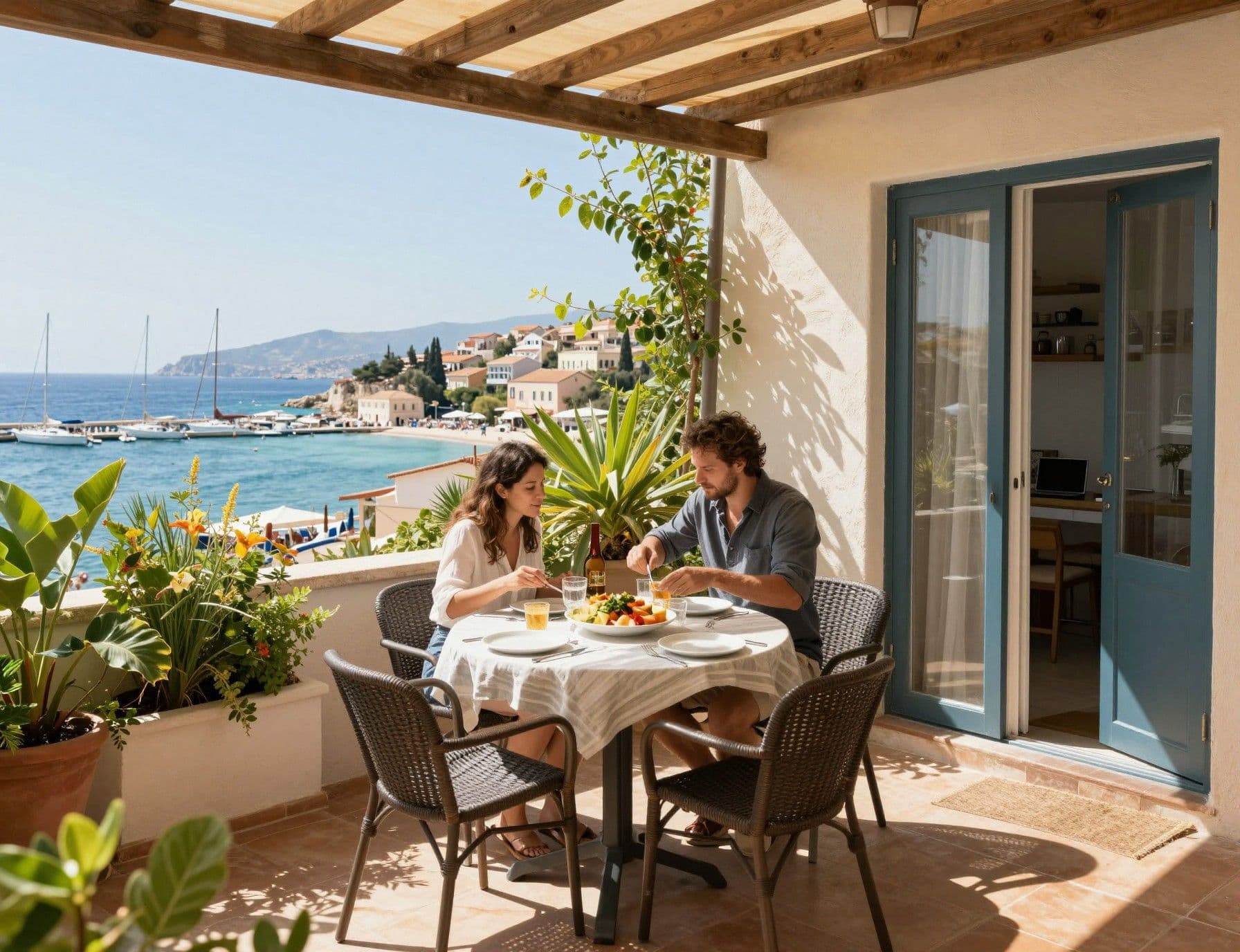
The dream of Greek life must be reconciled with transport links, utility reliability, and evolving regulation. Recent national data show sustained price growth across urban markets; buyers who ignore connectivity risk paying a premium for lifestyle while missing the rental corridors that produce stable yields. Use data on metro extensions, port throughput and airport capacity to forecast demand rather than rely on postcard appeal.
Transport & trade: ports, airports and metros that change catchment economics
Piraeus (Cosco operations) increased container throughput over recent years, reinforcing Athens’ role as a logistics hub and supporting workforce housing demand in nearby suburbs. Airport privatizations and capacity upgrades have strengthened international connectivity, lifting year‑round rental prospects. Major rail and metro projects—Athens’ network refurbishments and Thessaloniki’s new metro—improve commuter catchments and shorten effective commute times, expanding where commuters will pay a premium.
Property types and how they match lifestyle + yield
Greek housing stock is mixed: compact pre‑war flats in central Athens, modern new builds in suburbs, island houses and villas. For investors targeting short‑let returns, central Athens, historic Mykonos/Paros properties and island seafronts work well seasonally. For steady long‑term yields, look to transit‑adjacent apartments in commuter belts, newly developed neighbourhoods around Elliniko, and units near transport nodes where rents are less seasonal.
- Practical steps that balance lifestyle and returns: 1. Map transport nodes and price per m²: prioritise locations within 15–25 minutes of major metro or commuter rail. 2. Run seasonality scenarios: estimate income for peak vs. off‑peak months and stress‑test occupancy. 3. Compare new build premiums vs. yield uplift from proximity to infrastructure projects. 4. Validate utilities and planning permits—is the property allowed for short‑lets or does local zoning restrict rentals? 5. Factor in management costs for islands vs. mainland: accessible maintenance reduces vacancy risk.
Insider knowledge: what expats and investors wish they'd known
Expats quickly learn that local rhythms and infrastructure realities decide whether a neighbourhood thrives year‑round. Seasonal islands can deliver excellent summer yields but require hands‑on management and contingency funds. In Athens, proximity to new parkland or a metro stop often outperforms sea‑view premiums for steady returns—investors who prioritise connectivity see lower vacancy and more predictable rent growth.
Cultural integration, language and community practicalities
Learning basic Greek eases bureaucracy and negotiation but property transactions regularly proceed with bilingual agents and lawyers. Neighbourhood ties matter: owners who engage local property managers and join community boards avoid small but costly disputes. Expat communities cluster—Kifisia and Glyfada around Athens, Ano Poli in Thessaloniki, and pockets on Crete and Corfu—which helps social integration but also concentrates demand.
Longer term: what changes lifestyle value and where to position capital
- Factors to watch for the next 5–10 years: - Metro and tram extensions that reduce commute times and lift effective catchments. - Large regenerations (Elliniko) that convert underused land into mixed‑use hubs. - Port and airport capacity that sustain year‑round tourism and business travel. - Local zoning and short‑let regulation changes that affect occupancy economics. - Labour market improvements that support rental demand from domestic tenants.
Conclusion: Greece sells a life and a ledger. The sunlight, markets, islands and sea create an irresistible lifestyle case; infrastructure—metros, ports, airports and major regenerations—turns lifestyle into investible catchments. International buyers who prioritise connectivity, stress‑test seasonality and work with local experts who can translate neighbourhood rhythm into rental economics will find properties that deliver both the life they want and defensible returns.
The YieldistDanish relocation specialist who moved to Cyprus in 2018, helping Nordic clients diversify with rental yields and residency considerations.
Related Articles
More insights that might interest you
 Villa Curated
 Villa Curated
 The Yieldist


