When Greece’s Green Grid Becomes Your Home Advantage
Greece’s renewables and island grid upgrades are reshaping value—choose homes with passive design, PV readiness and local stewardship for lifestyle and lower costs.
 Moss & Hearth
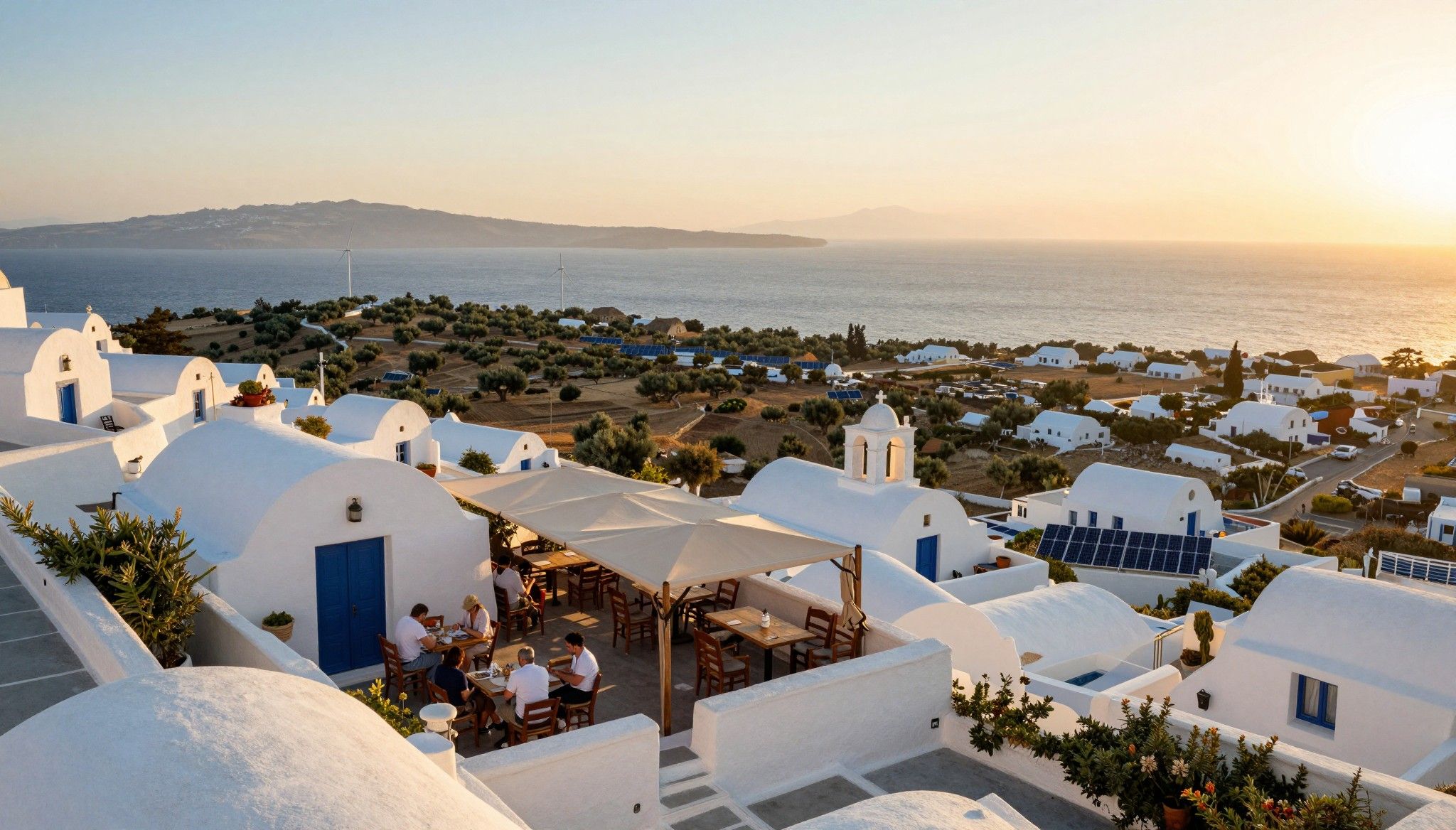
Imagine waking to the sound of a distant fishing boat, stepping onto a stone terrace rimmed with rosemary, and watching solar panels hum quietly on a neighbouring roof as olive trees spin in a cool breeze. In Greece that scene is becoming less poetic fiction and more everyday reality: rooftop and community renewables, island grid upgrades and incentives are reshaping how people live and how homes hold value. For international buyers who care about light, olive groves and low running costs, Greece now offers a blended promise — Mediterranean lifestyle and green infrastructure that actually pays back.
Living the Greek life — sunlit, social, seasonally rich
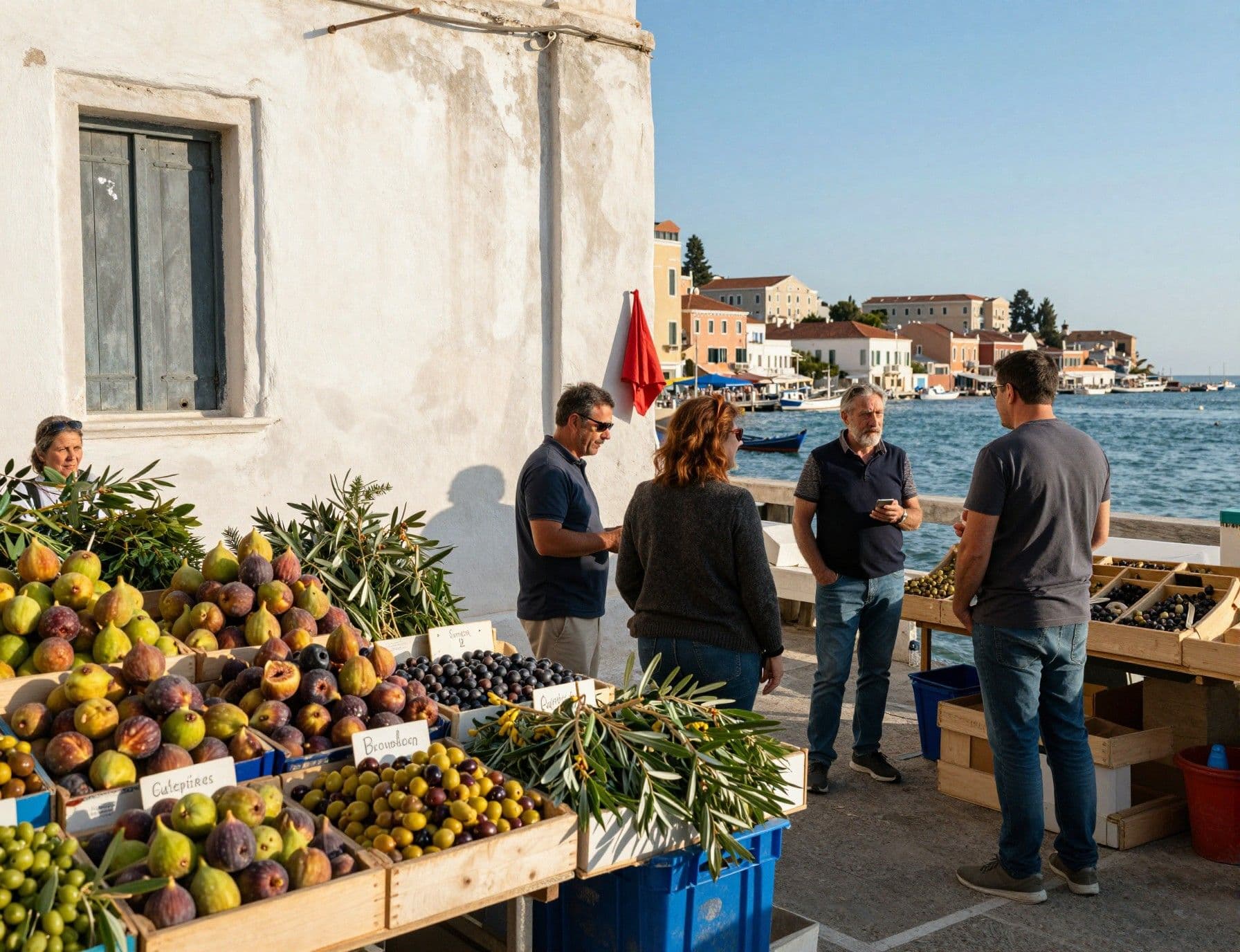
Day-to-day life here moves at a measured, sensory tempo. In Athens you can sip an espresso at a kafeneio on Dionysiou Areopagitou and then walk to a nearby market for figs; on the Cyclades mornings are for swimming and afternoons for siesta or a slow lunch of grilled fish. Small coastal towns like Nafplio and Aegina balance old‑world squares and modern cafés, while mountainous regions — Zagori or Pelion — bring misty mornings, stone houses and wood‑fired ovens. The rhythm of seasons shapes everything: spring markets burst with wild greens, summers open terraces and beaches, autumn is harvest and wine, and winters invite wood stoves and village feasts.
Neighborhood spotlight: Athens’ Koukaki and the upcycled corner cafés
Koukaki sits under the Acropolis with narrow alleys, local bakeries and a surprising number of green retrofit projects: old townhouses with added shading, xeriscaped courtyards and small solar arrays. Walk from Agios Dimitrios square, duck into a courtyard bar, and you’ll notice neighbours hanging laundry between potted herbs and solar chargers quietly topping up phones — an urban vignette of low-impact living. For buyers seeking city life with a lighter footprint, these streets show how traditional masonry and modern green tech coexist.
Food, markets and beach rituals — the everyday that sells the dream
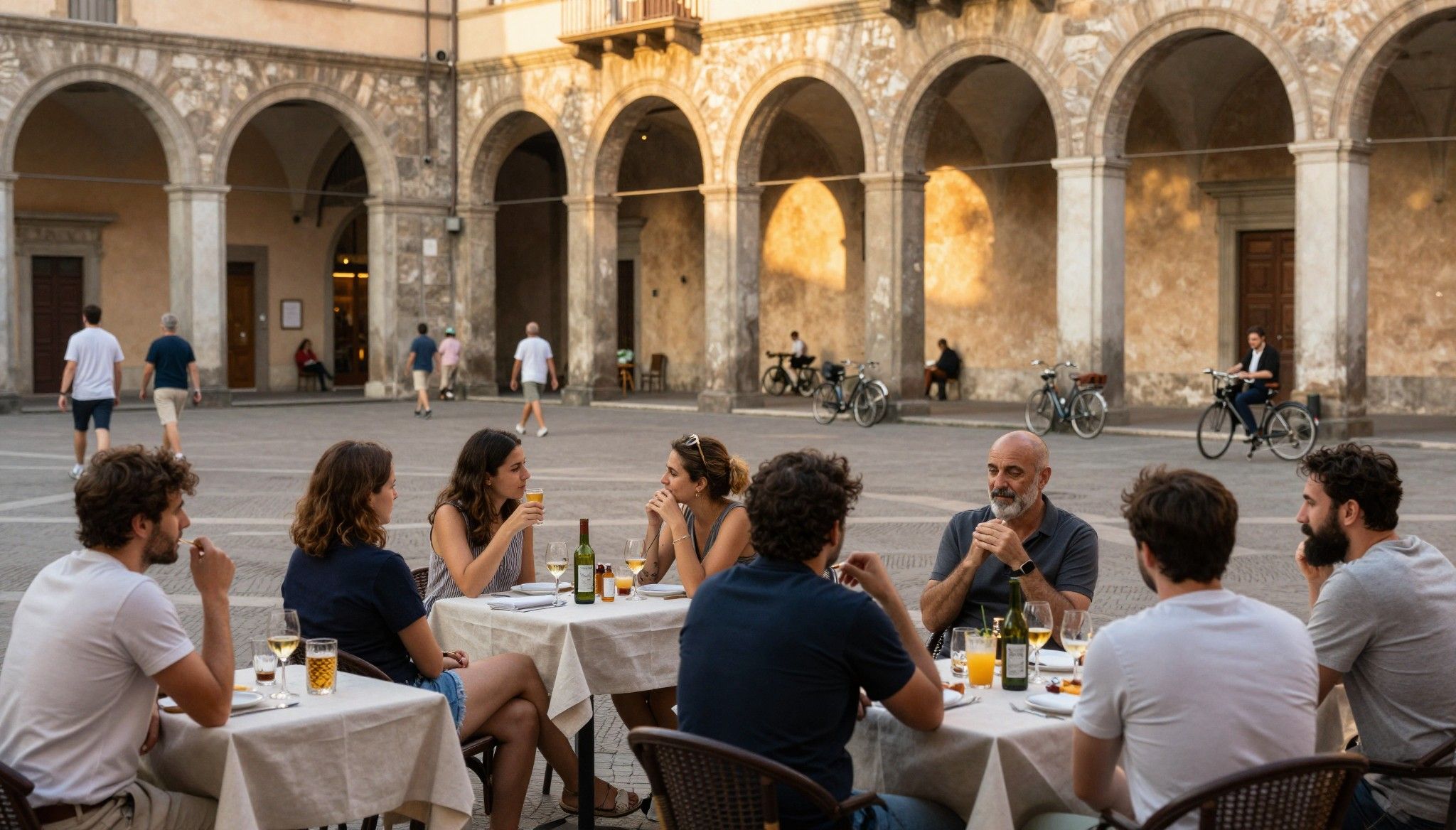
Markets are central to the Greek way: Monastiraki’s weekend stalls, Chania’s old market with Venetian shutters, and island farmers’ tables selling tzatziki‑heavy cheeses. Picture buying sun‑sweet tomatoes at dawn, then watching the harbour at dusk while neighbours grill octopus — those routines shape where people choose to live. For buyers who imagine a life of communal tables and seasonal diets, properties near weekly markets, harbours or village squares offer intangible value that often outstrips a mere sea view.
Making the move: green infrastructure that changes costs and choices
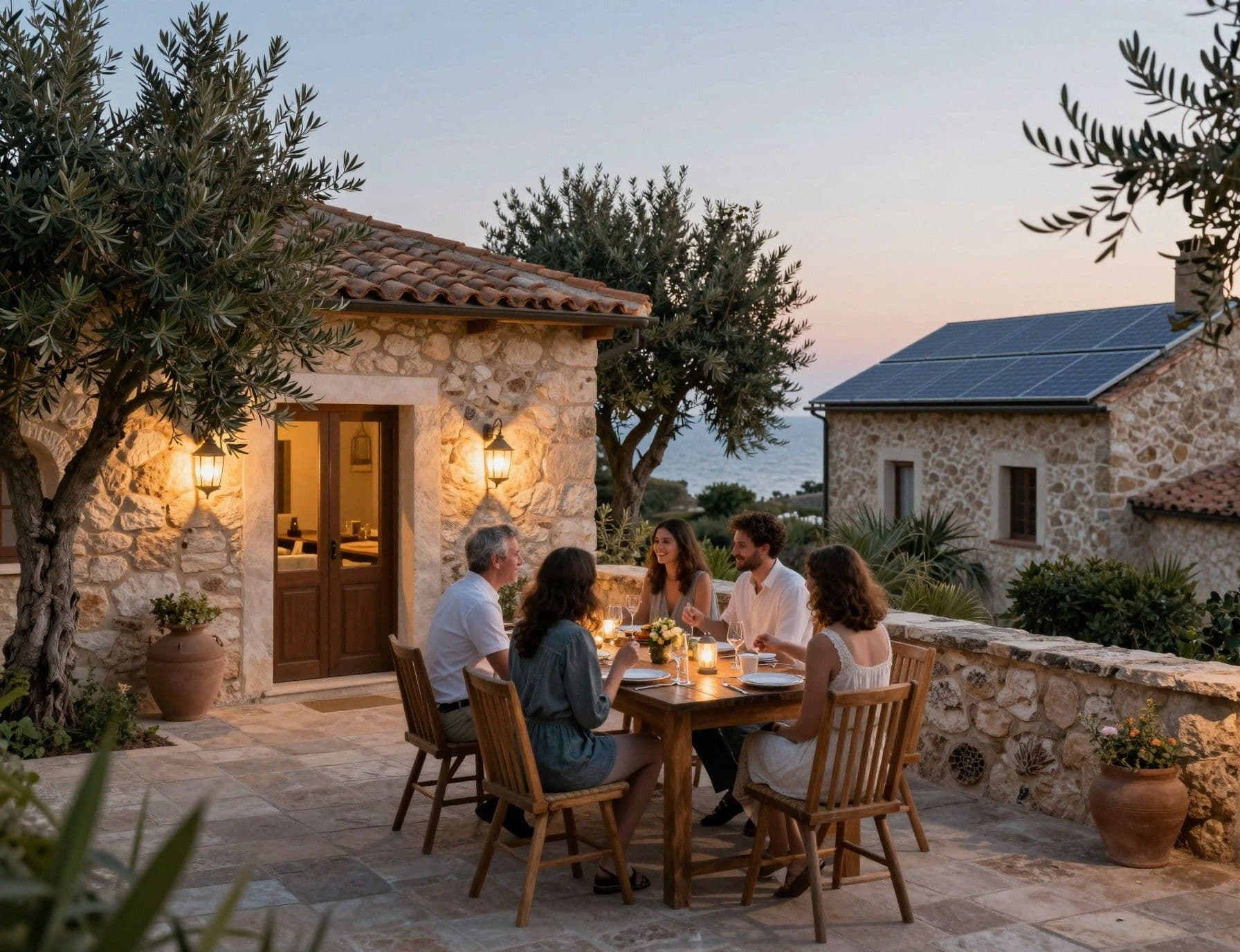
The practical side of buying in Greece now includes energy as a neighbourhood feature, not just a utility line. Greece installed record photovoltaic capacity in 2024 and crossed a milestone where renewables supplied roughly half the nation’s electricity — trends that affect running costs and long‑term value. Buyers who factor in rooftop PV, island interconnections and community energy projects will make different choices about location, renovation budgets and lifestyle comfort than those who only care about views.
Property styles and what they mean for green living
Stone mansions in Mani, Cycladic whitewashed houses, modern apartments in Thessaloniki — each requires a distinct green approach. Stone homes keep cool naturally but benefit from insulation upgrades; island cottages gain the most when paired with battery storage or connection to upgraded submarine cables; city flats often need shared‑roof PV and efficient heat pumps. Think less about a single tech and more about the package: passive design, local materials, water harvesting and appliances sized for a greener grid.
Working with local experts who speak both ecology and contracts
Find agencies and engineers who understand island grid projects and national incentives: the Cyclades interconnection, backed by EU funding, is already reducing diesel dependence and energy costs on multiple islands. Local lawyers and notaries who handle title, easements and rural building permits will save weeks of delay, while an architect familiar with heat‑pump retrofits and passive shading can turn a renovation into a long‑term value add. Choose partners who translate lifestyle goals into permit‑ready plans.
- Lifestyle-minded, practical tips when choosing a Greek property:
- Look for homes with south‑facing terraces or roofs suitable for PV.
- Prioritise water‑saving features (cisterns, greywater reuse) in drier regions.
- Ask sellers for recent energy performance certificates and any grid‑connection documents.
- Consider island interconnections and projected timelines if buying on the Cyclades.
Insider knowledge — what expats wish they’d known
Many expats arrive enchanted by sun and stone, then discover the unglamorous truths: seasonal repair costs, bureaucratic permit waits, and neighbourhoods that are lively in summer but quiet for months. Market data shows sustained price growth in recent years, so timing and local knowledge matter for negotiation. The smart buyers pair that romantic pull with a checklist: energy resilience, community services and a roadmap for seasonal income if they plan to rent.
Cultural integration, language and social rhythms
Greek social life is woven through marketplaces, kafeneia and church festivals; learning a few phrases, joining a volunteer harvest or a cooking night can anchor you quickly. Community acceptance often depends less on nationality and more on presence — showing up for the olive harvest or local beach clean earns trust. For families, neighborhood schools and local doctors are practical filters when choosing a town or suburb.
Longer-term lifestyle and stewardship choices
Think of your purchase as a decade‑long relationship with place: invest in resilient materials, native landscaping and energy systems that match grid evolution. As Greece expands solar and wind capacity, homes that pair passive shading, efficient appliances and modest battery storage will feel more comfortable and cost‑effective. Stewardship matters — a house curated for biodiversity, with cisterns and hedgerows, returns emotional value as much as financial.
- Steps to a green‑aware purchase in Greece:
- 1) Visit in two seasons (summer and early spring or autumn) to feel community rhythms and maintenance needs.
- 2) Commission an energy audit and ask about recent grid or island interconnection projects affecting the area.
- 3) Secure a local lawyer and a sustainability‑minded architect before signing paperwork.
- 4) Include contingency for climate‑aware upgrades (shading, insulation, water storage) in your offer.
Conclusion: Greece is no longer just a postcard — it’s a place where green infrastructure meets daily ritual. For buyers who prize sensory living and ecological stewardship, the country offers practical pathways: rooftop panels, connected islands, and neighbourhoods that reward local involvement. Start with a season‑aware visit, bring a local team who speak both permits and permaculture, and let lifestyle lead decisions — the numbers and the grid will follow.
Moss & HearthNorwegian market analyst who relocated from Oslo to Provence; guides investors with rigorous portfolio strategy and regional ecological value.
Related Articles
More insights that might interest you
 Villa Curated
 Villa Curated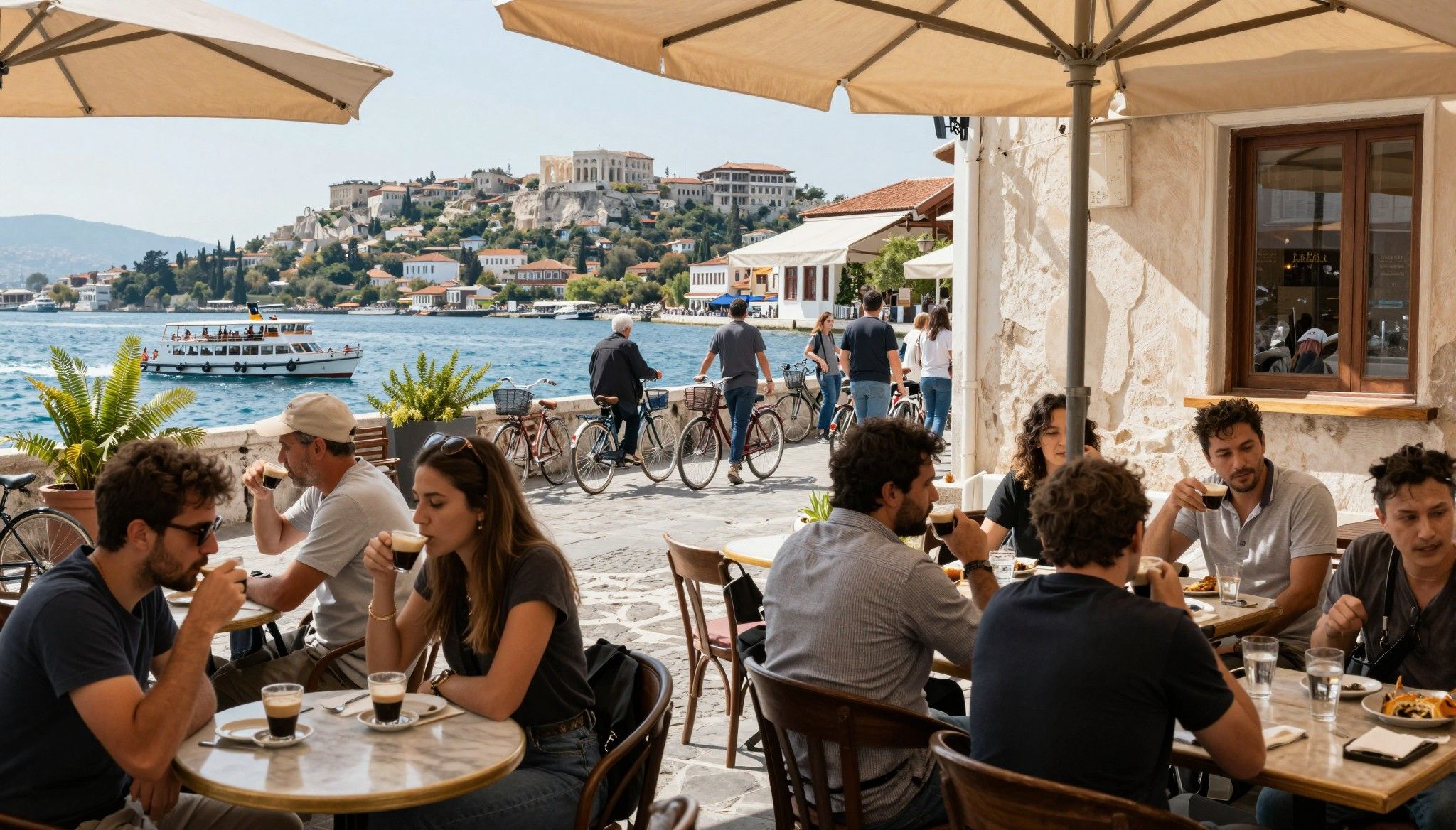
 The Yieldist

