Budgeting in Croatia: Hidden Costs & Smart Shortcuts
Fall in love with Croatia’s cafés, markets and coast — then budget smart: expect ~3% transfer tax, notary and agency fees, and season-driven rental variability. Plan a 10–15% buffer.
 MoveSettleGo
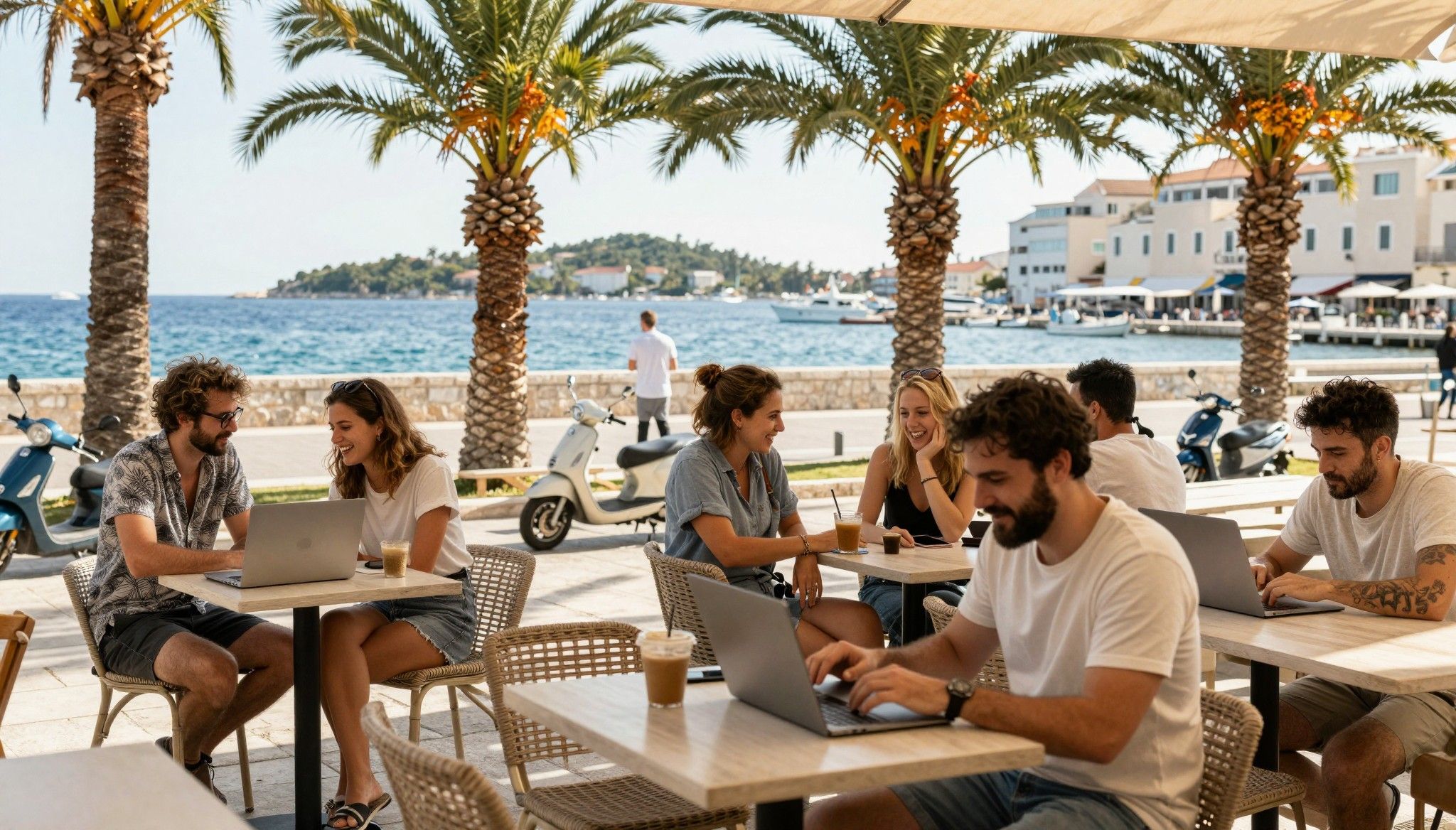
Imagine stepping out for morning espresso on Split’s Riva, the sea glass bright, scooters zipping by, and your laptop bag waiting for a café table with reliable Wi‑Fi. Croatia smells of grilled fish, pine, and fresh bread; summer festivals and quiet winter promenades alternate in a rhythm that makes you want to stay. But falling in love with a place and budgeting for it are different muscles: dream first, then build a realistic budget that covers the unseen costs. Here’s a warm, practical roadmap that blends the Adriatic lifestyle you crave with the budgeting smarts nomads need.
Living the Croatia life — what you actually get
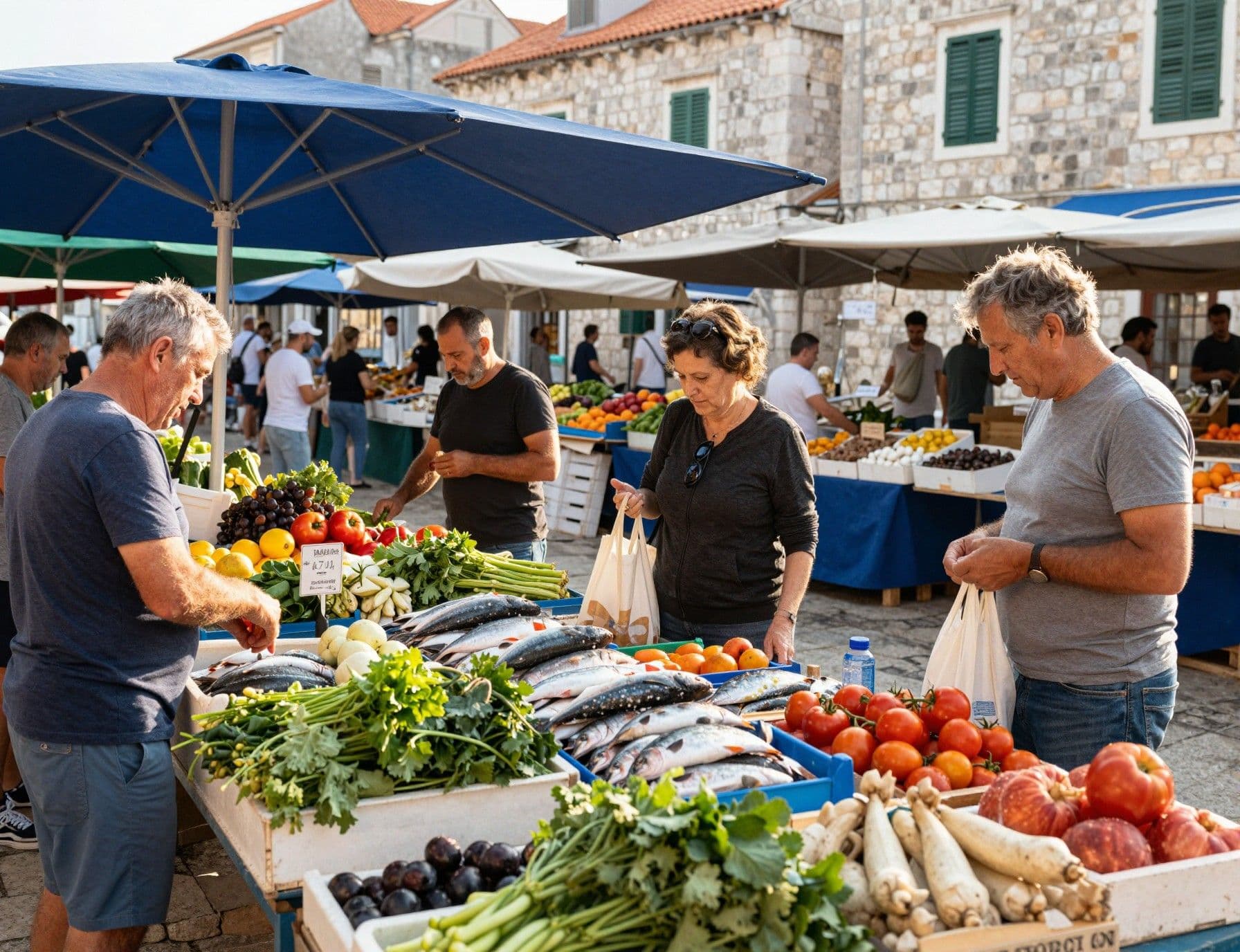
Croatia isn’t a single vibe. Zagreb is leafy cafés, coworking meetups and tram commutes; Dubrovnik is postcard fortresses and seasonal tourism; Hvar and Korčula bring island slow‑luxury and summer crowds; Istria combines truffle dinners with quiet hilltop villages. Day-to-day life means markets at dawn, an espresso culture that’s gloriously inexpensive, and evenings centered on fresh seafood and long conversations. For nomads, the real win is lifestyle variety: you can work on a café terrace, take an afternoon swim, and still meet a steady local community.
Neighborhood notes: where nomads settle
Zagreb’s Tkalčićeva and Britanski trg are social hubs with fast cafés and coworking nearby. On the coast, look beyond the seafront prices — neighborhoods like Veli Varoš in Split or Sustipan in Dubrovnik offer a local feel with easier weekly rhythms. In Istria, Rovinj’s old town is romantic but pricey; instead, explore quieter villages around Bale for larger terraces and lower entry prices. These micro‑choices alter monthly living costs and the type of home you can afford more than national price averages do.
Food, markets and weekend life — the cost you’ll love
Markets are the heartbeat of local budgets: fresh produce, cheese, and fish seasons drive living costs down if you cook. Expect weekend rituals — olive oil tastings in Istria, summer open‑air concerts on Korčula, late‑night konobas in Dalmatia — that shape where you want to live. These habits influence the property features you’ll value: proximity to markets, a terrace for al fresco dinners, or a quiet street for weekday focus hours.
Zagreb café culture (Tkalčićeva, Britanski trg); Split neighborhoods (Veli Varoš, Meje); Island slow life (Hvar old town vs. Stari Grad); Istrian food trails (Rovinj, Bale); Local markets (Dolac Market, Split Fish Market); Coworking hubs (Zagreb, Split, Dubrovnik).
Making the move: practical budgeting that keeps the lifestyle

Beautiful terraces and sea views are tempting, but your budget needs a full portrait: purchase price, mandatory notary fees, real estate transfer tax, agency commission, utility hook‑ups, and running costs like property management if you plan to rent. Recent market data shows strong price growth — national residential prices rose notably in recent years — so build a buffer for market movement and seasonal rental variability if you’re counting on income. Plan like you live here for two years before depending on rental returns.
Property types and what they cost to live in
Apartments in converted stone houses deliver character and lower maintenance bills than detached seaside villas, but they can lack outdoor space. New builds offer insulation and modern systems (lower heating bills) yet come with higher per‑m² prices in Zagreb and on the coast. If you want remote‑work ready spaces, prioritize fiber or 4G/5G signal, a bright room for a desk, and a balcony or small terrace — these features increase desirability but don’t always add the same premium as sea‑front views.
Working with local experts who respect lifestyle goals
1. Use an agency that knows your vibe — ask for places near coworking spaces, strong cafés, and reliable ISPs. 2. Hire a bilingual lawyer to check title, encumbrances and Ministry permissions for non‑EU nationals. 3. Budget 3% real estate transfer tax on resale purchases and expect notary fees plus registration costs; these are normal parts of closing in Croatia. 4. Factor agency fees (commonly around 3% plus VAT) and legal costs into your offer so you don’t get surprised at signing.
Insider knowledge — what expats wish they’d known
Expats often underestimate seasonality: coastal towns swell in July and August, which inflates short‑term rents and masks low‑season occupancy. Many buyers also miss small recurring costs — communal building fees, waste collection, and yearly property tax adjustments. Local reciprocity rules can affect non‑EU buyers, so check Ministry procedures early. Trust local sources for current price trends: national statistics show notable annual increases, so speed and local insight matter when you’re ready to bid.
Cultural and community tips that affect budgets
Learn basic Croatian phrases — shopkeepers and neighbors appreciate it and you’ll get better deals in markets and small trades. Expect slower administrative timelines; notarizations and registry updates are formal and can take weeks. Build personal relationships with local tradespeople; that network saves time and money on renovations and maintenance, and it’s how you move from tourist to neighbor.
Final thought: budget with the life you want in mind. If you crave morning market runs, a balcony for coffee and fast internet for calls, those priorities guide where you buy more than broad price lists do. Start with lifestyle must‑haves, add the practical line items (taxes, notary, agency, utilities, property management), and keep a 10–15% buffer for surprises and market shifts. When ready, partner with a local agency and lawyer who speak your language and your lifestyle — they’ll turn that café table into your weekly office and make the move feel like coming home.
MoveSettleGoSwedish, relocated to Marbella in 2018 to chase sun and property freedom. Focus on legal navigation and tax for Nordic buyers.
Related Articles
More insights that might interest you
 Villa Curated
 Villa Curated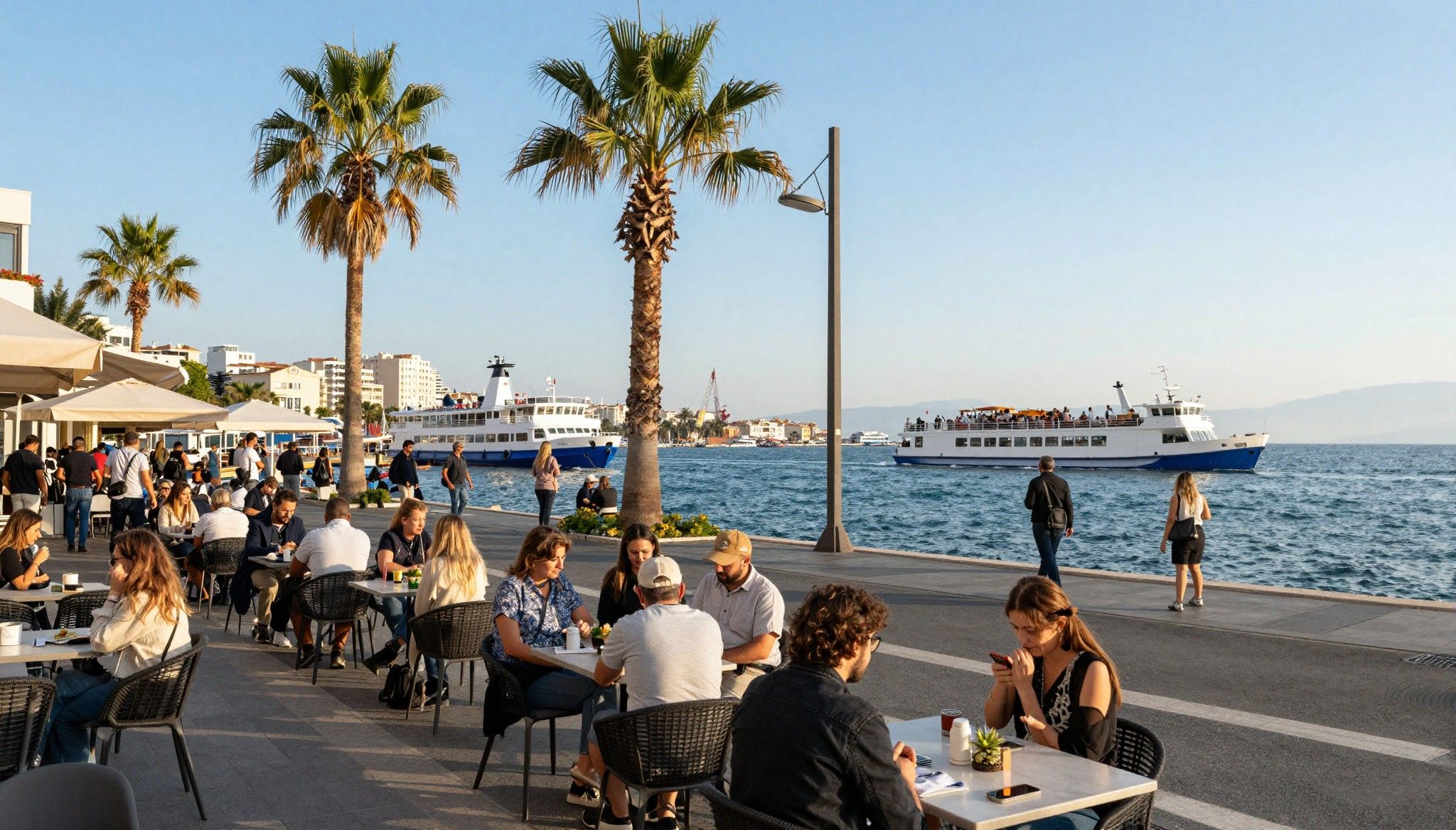
 The Yieldist

