Stewardship First: Due Diligence for Living in Croatia
Fall for Croatia’s seasons, then invest in certainty: local cadastre checks, ministerial consent for non‑EU buyers, and sustainable retrofits protect lifestyle value.
 Moss & Hearth
Imagine waking at dawn in a stone apartment on Split’s Diocletian quarter, pulling open the shutters to the smell of baking burek and the salt breeze. Picture harvesting figs from a terraced garden above Rovinj, or cycling quiet limestone lanes in Istria after a market run. Croatia moves at a rhythm tied to sea and season — water glassy at first light, piazzas humming by noon, and vineyards soft with golden light at dusk — and the paperwork for buying here is part of that rhythm. Knowing which rules are rooted in history and which now change with EU practice keeps a dream from turning into a costly surprise; the government summary on property for foreign nationals is a good first stop.
Living the Croatia life: a sensory map
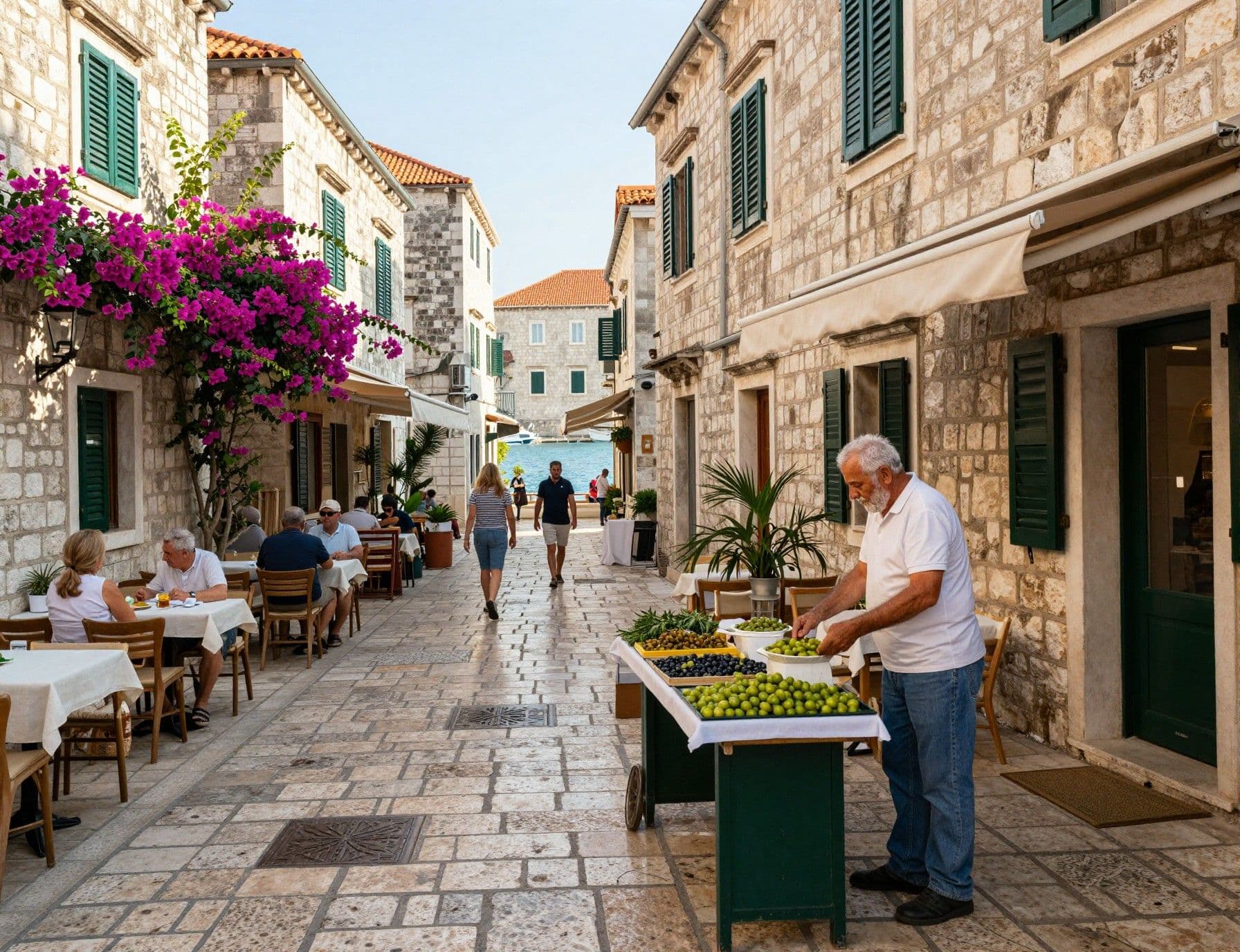
Croatia is Mediterranean cadence and continental hush combined: coastal towns where fishing boats set the morning tempo, inland hilltop villages scented with pine and truffles, and Zagreb neighborhoods where espresso is a ritual. Daily life here tastes of marasca cherries and strong coffee, and weekends bend toward markets, family meals, and time outdoors. For an eco-minded buyer, small olive groves, rooftop solar, and rainwater collection are not niche — they are sensible adaptations to long, sunny summers and a tradition of tending the land. Senses, seasons and sustainability shape where you will feel at home; let those guide the type of property you seek.
Coastlines, islands and small-town rituals
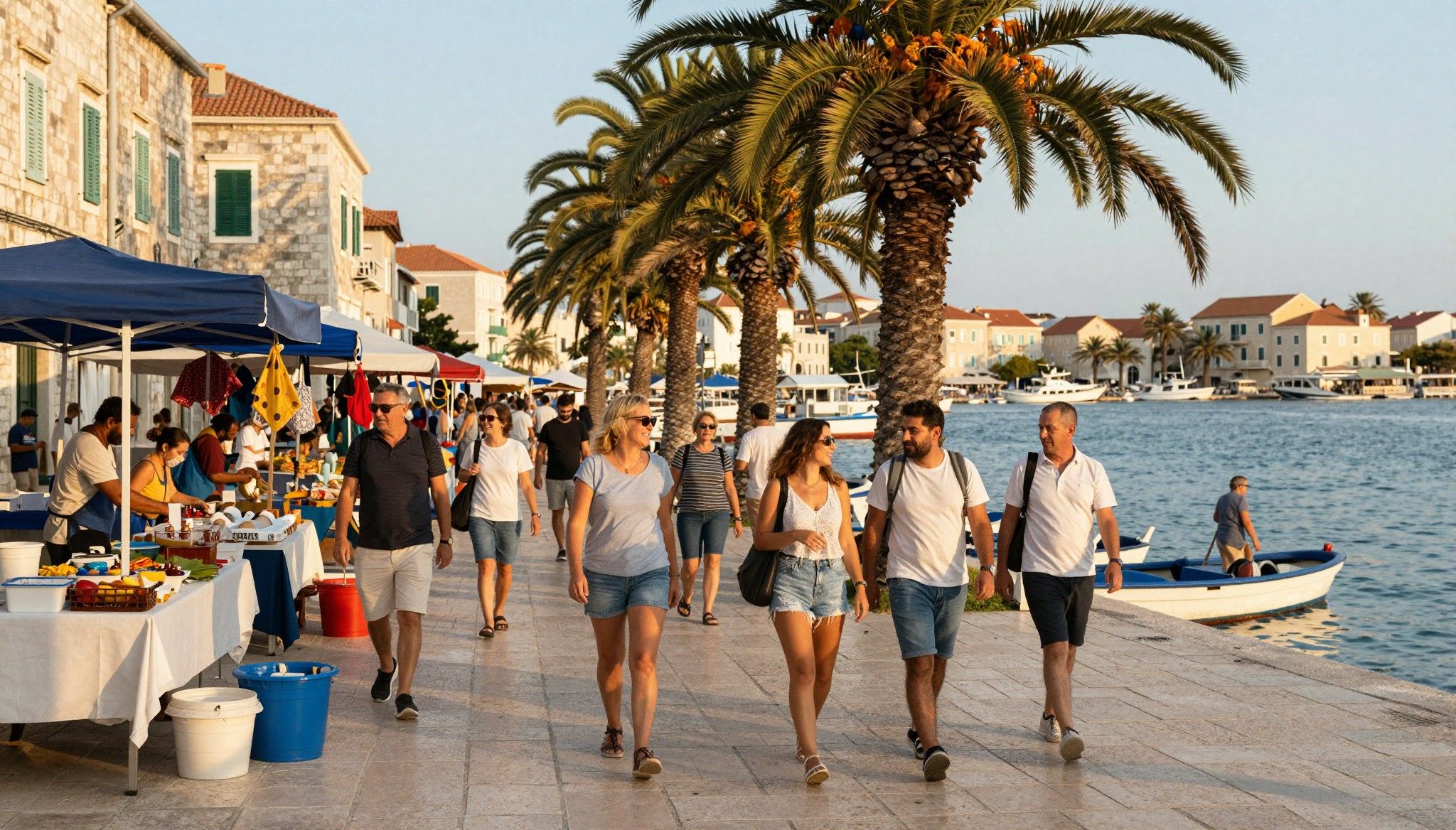
On the Dalmatian coast — think Hvar, Šibenik, Korčula and the quieter coves near Vis — mornings begin with fishermen’s calls and afternoons with shaded terraces. Neighborhoods like Split’s Varoš or Zadar’s Old Town combine narrow stone lanes with community life; cafes spill onto steps and neighbours know your name. If your vision is outdoor living, terraces and courtyards, and walking distance to a market and sea, these are the places that deliver both daily ritual and the strong seasonal pulse of tourism.
Inland charms and slow‑season value
Istria’s hill towns (Grožnjan, Motovun) and the continental hinterland around Varaždin offer a gentler tempo: farmers’ markets, family-run konobas, and landscape that invites restoration projects. Here you’ll find stone farmhouses with thick walls that keep summers cool and winters quiet — perfect for buyers seeking stewardship over time. Off-season, these areas reveal a clarity of lifestyle absent in the bustle of July; they are where sustainable retrofits and regenerative gardens most easily take root.
Making the move: how lifestyle meets paperwork
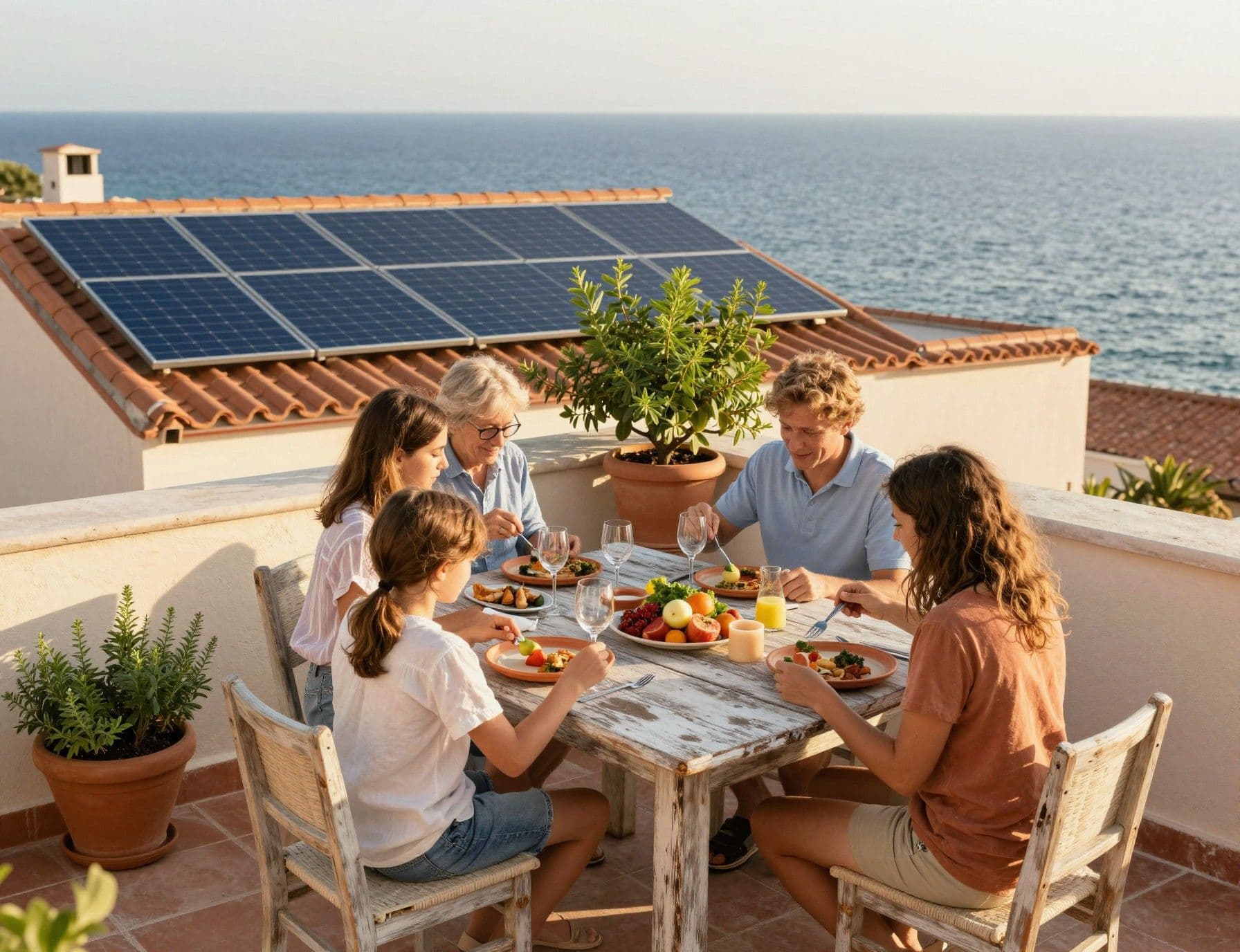
Dreaming of sea-view breakfasts is the easy part; ownership becomes real when a transaction is properly registered in the land books (Zemljišne knjige). Prices have been rising across Croatia, particularly along the Adriatic, so pairing lifestyle priorities with a clear legal checklist matters more than ever. Start with property registration, zoning status, and any protected-area limits, and use those facts to shape where you search — a coastal cottage without build permits can never be the project you hoped.
Property types and the life they support
Whether you choose an Adriatic stone house, a renovated townhouse in Dubrovnik’s outskirts, or a low‑rise apartment in Split, think first about how rooms meet seasons: thick stone walls for cool summers, verandas for evening life, and space for a small solar array or tanked water storage. Restoration projects in karst landscapes often require specialist contractors; new builds may offer easier green tech integration but can be farther from the village rituals you crave.
Work with people who know the language of place
Local lawyers, notaries and agencies act as cultural translators: they read cadastral maps, confirm municipal urban-plan statuses, and advise on ministerial consent if you are a non‑EU national. Good agents don’t just show homes; they introduce you to neighbours, a baker, and where to source reclaimed stone or local timber for repairs. For eco-conscious buyers, ask agencies about past projects integrating photovoltaics, heat pumps, or greywater systems — these are signs they understand sustainable living here.
- Steps to protect your lifestyle investment
1. Verify land registry (Zemljišne knjige) extracts and any servitudes or easements; mismatched promises about access or beaches are a common red flag. 2. Confirm zoning and building permits with local municipal planning offices — conversions to guest accommodation require clear approvals. 3. If you’re non‑EU, check whether ministerial consent or reciprocity rules apply before signing a contract. 4. Commission a technical inspection focused on structural integrity, insulation, and feasibility for solar/water systems. 5. Budget for cadastre registration fees, notarial costs, and potential municipal contributions for utilities or road access.
Insider knowledge: what expats wish they'd known
People who’ve made the move often say the surprises were cultural and seasonal rather than legal: a summer tourist rhythm that floods ferry timetables, or municipal office hours that close for August festivals. They also wish they’d prioritized energy and water independence sooner — in remote coves, self‑sufficiency not only saves bills but preserves the lifestyle you move for. Practical patience — learning local recycling days, finding a trusted mason, or joining a village olive press — creates the life, not just the asset.
Cultural cues that shape where you belong
Language matters less than local relationships: a few Croatian phrases open doors, but regular presence at market squares and local events builds trust. In many places, neighbours coordinate on pruning, harvesting and sea‑access rights — being invited into those rhythms is how a house becomes home. Respect for communal norms (quiet times, festival customs, and shared water resources) keeps life smooth and your stewardship welcomed.
- Red flags and practical cautions
• Claims of 'private beaches' — Croatian coastlines are subject to public access laws and exaggerated claims are common. • Sellers reluctant to show cadastral extracts or building permits — insist on official documents early. • Properties in protected natural zones with heritage restrictions — these can limit renovation plans. • Underpriced listings with vague utility access — check water, sewage, and road maintenance responsibilities. • Projects requiring complex title cleanup — legal clean-up can be lengthy and costly.
As prices have strengthened — with official indices showing notable year‑on‑year rises in many regions — timing and due diligence matter more than ever. Use national statistics and recent market reports to set expectations on price movement, but let lifestyle priorities decide where you concentrate your search. For many buyers, paying a small premium for a property with legal clarity and green potential is a smarter, calmer route to a lived-in life on the Adriatic.
If Croatia feels like the right next chapter, start with three practical steps: read the government's overview for foreign buyers, engage a Croatian lawyer familiar with cadastral and ministerial procedures, and spend at least one month living in your short‑list neighbourhoods across different seasons. That combination of local knowledge, legal certainty and lived experience turns longing into stewardship — and ensures the life you buy is the life you actually live.
Moss & HearthDutch property strategist who helped 200+ families find sustainable homes in southern Europe; expert in legal pathways and long-term stewardship.
Related Articles
More insights that might interest you
 Villa Curated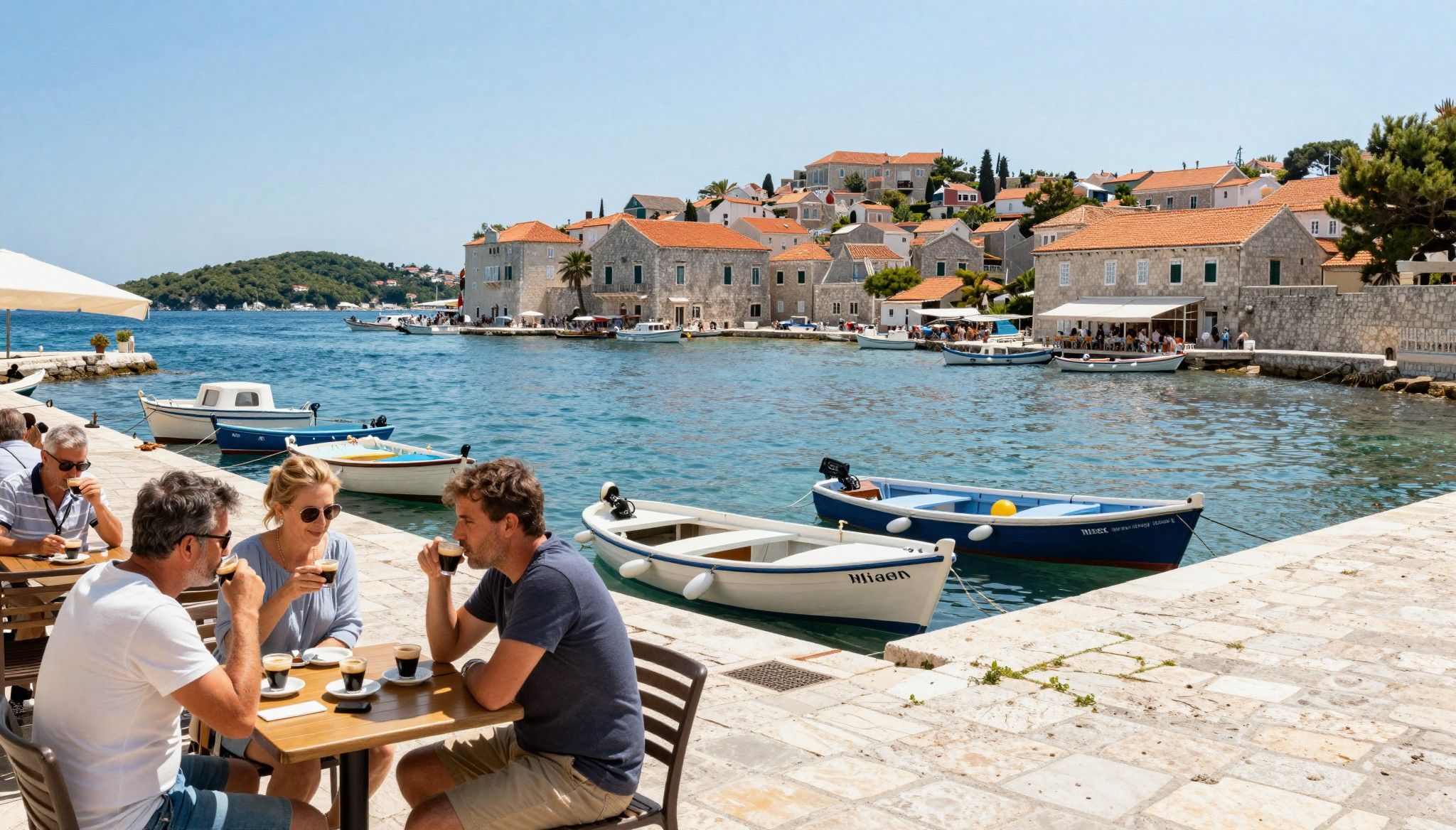
 The Yieldist
 MoveSettleGo
