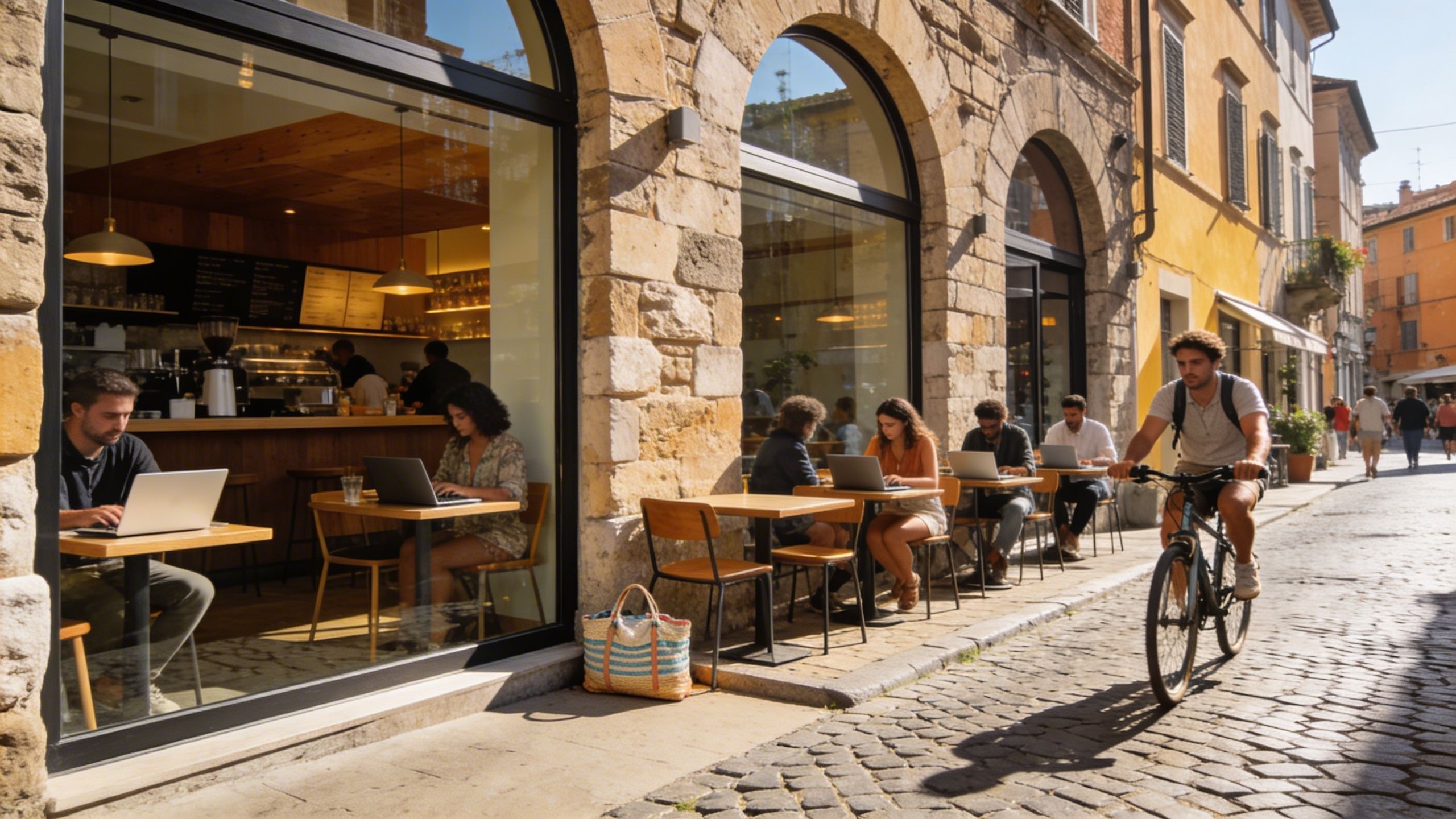
Italy’s ‘Pricey’ Tag Masks Neighborhood Value
Italy’s charm hides regional value—match neighbourhood rhythms, test fibre on-site, and use local agents to turn lifestyle dreams into smart purchases.
 MoveSettleGo
Imagine sipping an espresso on a sun-warmed balcony in Trastevere, popping into a micro‑roaster for your morning coffee, then hopping onto a tram that smells faintly of lemon oil and history. That easy, tactile rhythm—market stalls, aperitivo at 7pm, a neighbour who knows your name—is Italy’s daily magic. But for many nomads and remote workers the question is practical: can you afford that life without sacrificing connectivity, workspace, or community? Recent Italian house‑price data and local connectivity trends show a nuanced picture: parts of Italy are still approachable for digital nomads, especially if you swap tourist hotspots for neighbourhoods that actually hum with local life.
Living the Italy lifestyle
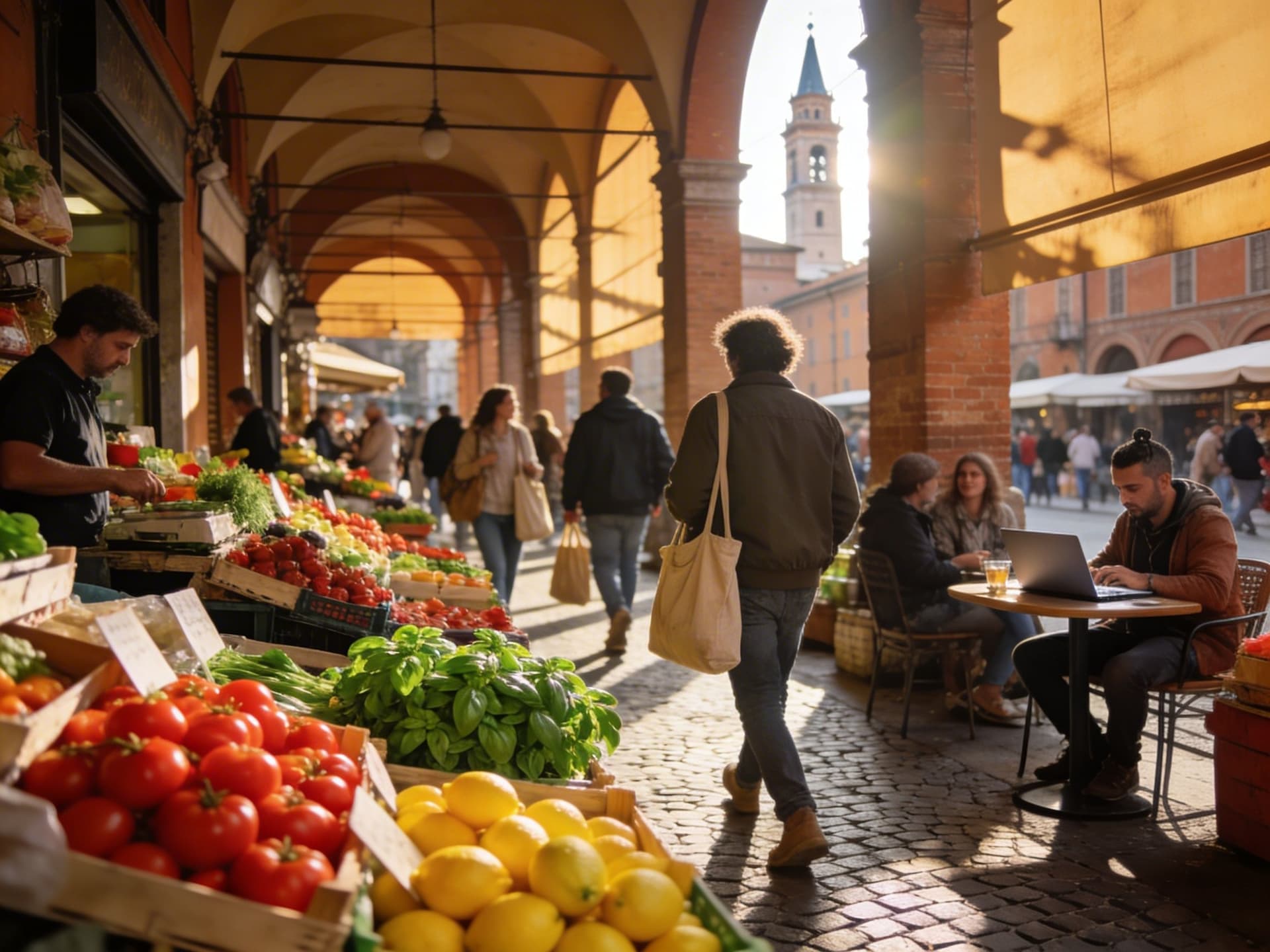
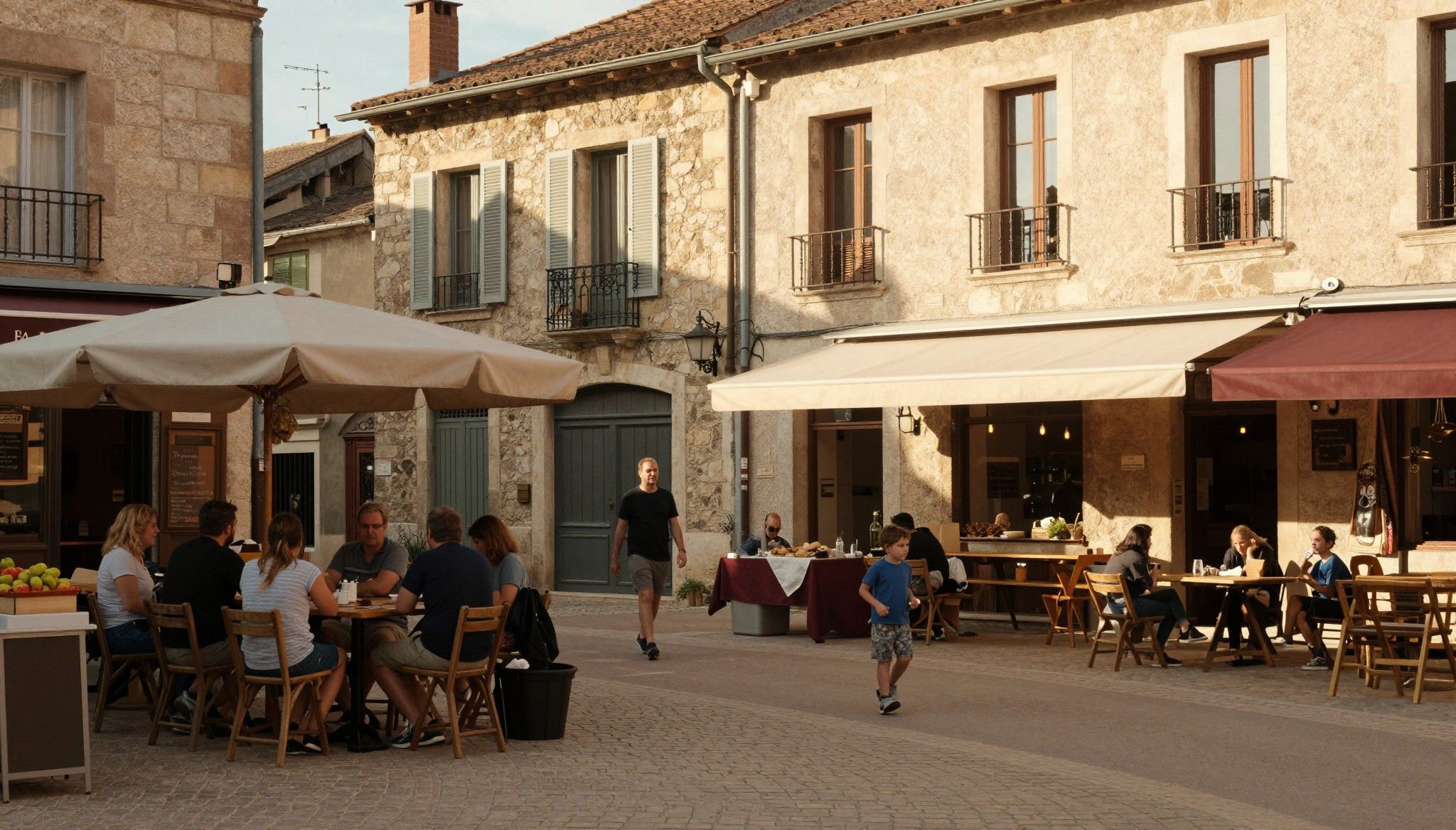
Italy isn’t one vibe—it's microclimates of culture. Morning markets in Bologna feel different from the late‑night passeggiata in Salerno. In cities like Rome, Milan and Bologna you’ll find coworking days and evening wine tastings; in small coastal towns you work with a balcony view and spend afternoons on the beach. The trick is matching your daily patterns (work, coffee, groceries, social life) to a neighbourhood that supports them, not chasing postcards.
Neighborhood spotlight: Rome’s Trastevere & Ostiense
Trastevere is the cinematic cardamom of Rome—cobbled alleys, tiny trattorie, and a dense social scene that rewards walking. Walk ten minutes east and Ostiense offers converted warehouses, creative coworking spots and better value per square metre. For nomads who want both lively evenings and reliable daytime workspaces, Ostiense’s cafes and repurposed industrial buildings often beat the tourist-packed centro storico for real‑life convenience.
Food, markets, and weekend routines
Weekends in Italy are market days. In Bologna’s Quadrilatero you buy porchetta and fresh pasta from vendors who know your coffee order. In Palermo you chase the best street‑food arancina between stalls that open at dawn. These rituals shape where locals choose to live: proximity to a reliable mercato matters more than a hotel view when you imagine daily life.
- Lifestyle highlights: cafes, markets and hidden gems
- Morning espresso at Caffè Greco (Rome) or Pasticceria Marchesi (Milan) — great people‑watching and wifi‑friendly corners.
- Sunday market strolls: Mercato di Mezzo (Bologna) and Mercato di Porta Palazzo (Turin) for cooking nights with friends.
- Evening passeggiata on coastal promenades: Lido di Camaiore or Viareggio for a mix of beach life and cafés.
Making the move: practical considerations
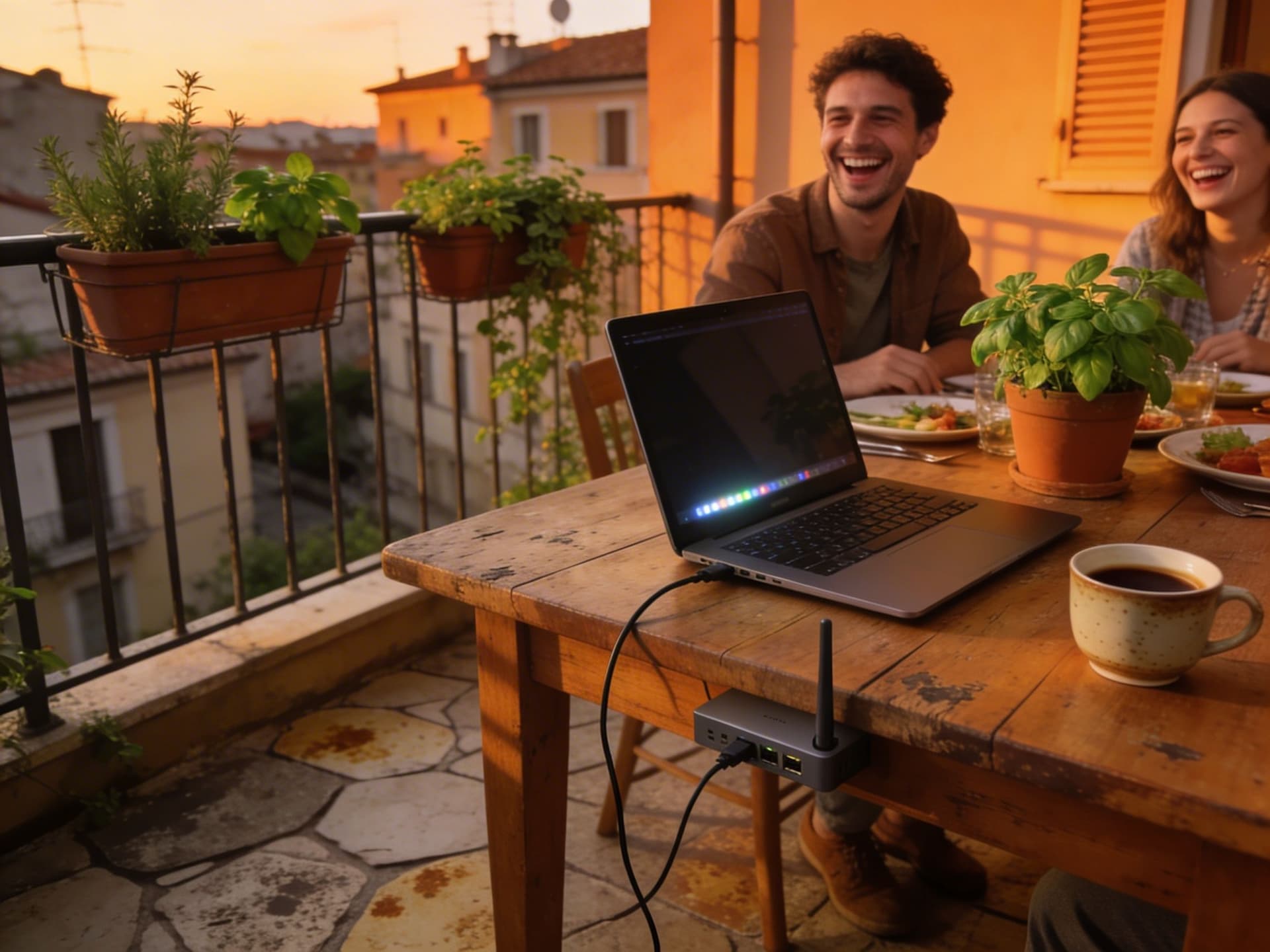
Dreams meet reality when you look at prices and connectivity. National data show modest year‑on‑year gains in Italian house prices but big regional variation: Milan and Florence stay above the national mean, while many inland and southern towns remain affordable. At the same time, demand has been rising and sales volumes increased, which means good bargains require local knowledge and quick decisions.
Property types and how they fit nomad life
Historic centro apartments offer charm and short walks to everything, but thin walls, stairs and limited workspace can frustrate productivity. Newer conversions and tower‑block flats in suburbs give quieter days and often better fibre. If you value rooftop terraces and outdoor work time, look at apartments with terraces in Liguria or condos near Tuscany’s hill towns—they trade sightseeing convenience for liveable space and calmer neighbourhoods.
Working with local experts who match lifestyle to listings
A good local agency is not a salesperson—they’re your translator of daily life. Ask agencies about fibre availability on the street, morning crowd levels at nearby cafés, typical heating bills in old buildings, and whether landlords rent long term to digital nomads. Agencies that live and breathe neighbourhood rhythms will steer you to places where the lifestyle you want is actually possible.
- Practical+Lifestyle checklist when touring properties:
- Test the wifi: run a Speedtest at the kitchen table and ask for the fibre plan name — stable 100+ Mbps is common in cities but patchy in rural areas.
- Visit at the times you’ll actually work: if you’re a morning person, check noisy street life at 9am; if you work nights, see how quiet the building is at 2am.
- Ask about running costs: old radiators and single‑glazed windows add winter bills and renovation headaches; negotiate these into price or contract terms.
Insider knowledge: expat truths and red flags
Expats love Italy for slower weekends and instant food gratification, but they quickly learn the country’s small frictions: bureaucracy that takes time, heating systems that baffle newcomers, and seasonal rhythms that empty entire towns in winter. Those frictions are solvable, but they change where you want to live. Smart buyers pick neighbourhoods with community year‑round—university areas, port towns with winter life, or suburbs that host coworking hubs.
Cultural integration, language and social life
Learning basic Italian opens doors. Saying buon pomeriggio at the corner bar gets you a warmer reception than a perfect online translation. Join local language cafés, volunteer at market stalls, or sign up for cooking classes: these are the fastest routes to neighbours who help you with heating quirks, trusted plumbers, and the best local aperitivo.
Long‑term lifestyle realities
Think beyond the first year. Will you want a private garden? Or to keep flying in and out? Consider re-sale or rental potential if life changes. Areas near universities and tech districts (Milan, Bologna) tend to hold long‑term demand and rental liquidity; remote villages often depend on short tourist seasons and can be quieter investments.
- Red flags to watch:
- No documented fibre plan on the address — risky for remote work.
- Building without clear condominium minutes or past renovation records — potential hidden costs.
- Agent reluctant to share recent sale comparables in the block — lack of transparency.
- Steps to make an offer that fits the lifestyle:
- 1) Get a local agent to map three comparable sales and confirm fibre availability; 2) ask for a short tenancy history if rental is a backup; 3) include a clause for fixtures and a realistic timeline for closing.
Conclusion: Italy is an emotion you live daily, not a postcard you admire once. If you prioritise friendly streets, great food, and workable days, Italy offers micro‑markets where that life is affordable and liveable. Pair lifestyle-first scouting with local agency expertise—ask about fibre, community rhythms, and winter realities—and you’ll find neighbourhoods that feel like home on day one. Ready to go deeper? Start with three neighbourhood visits, test the wifi, and talk to neighbours—then let a local agency translate those feelings into a confident offer.
MoveSettleGoNorwegian who has helped 200+ families relocate from Oslo to Spain; expert in relocation services and community integration.
Related Articles
More insights that might interest you
 Villa Curated
 Villa Curated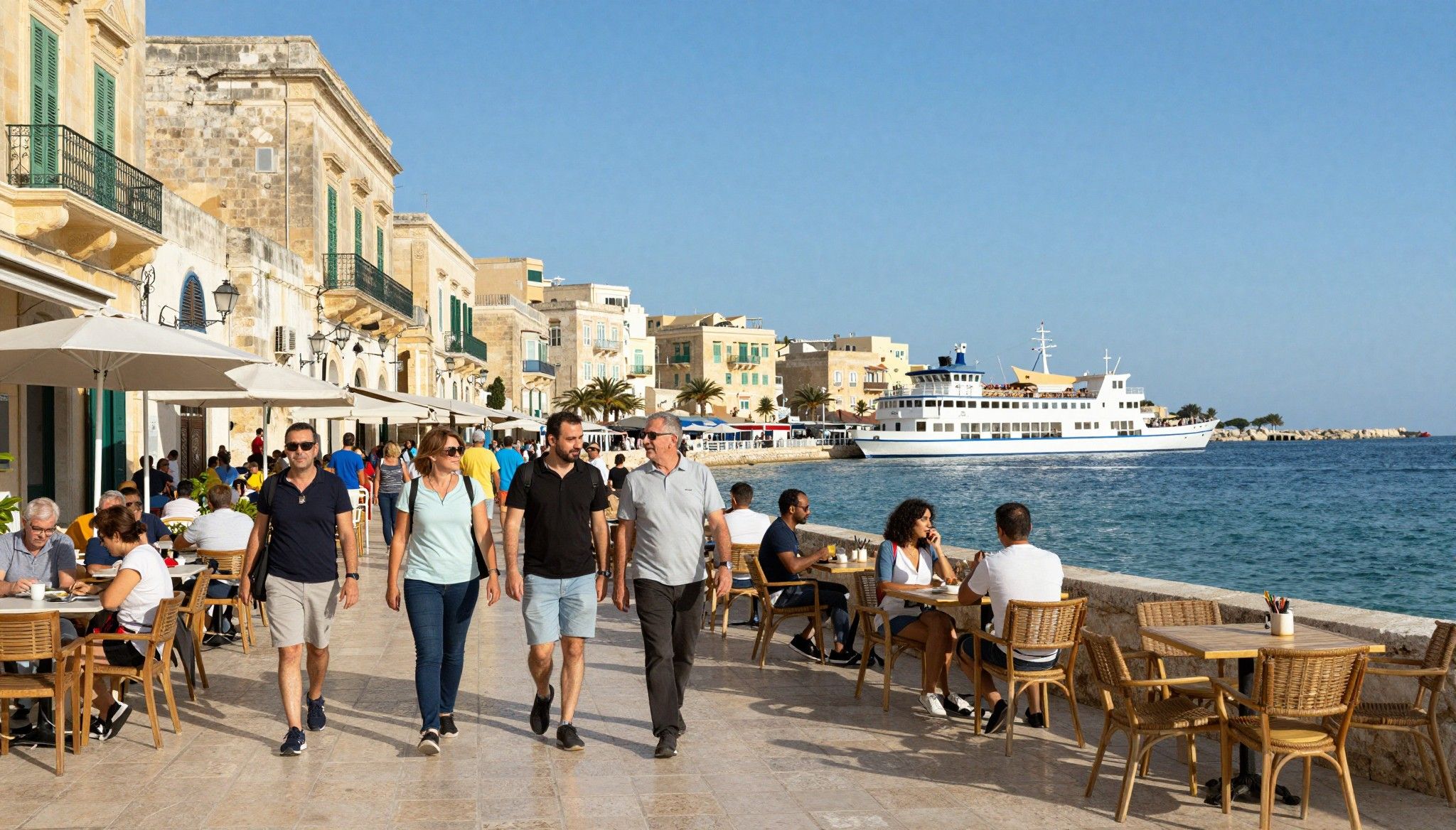
 The Yieldist

