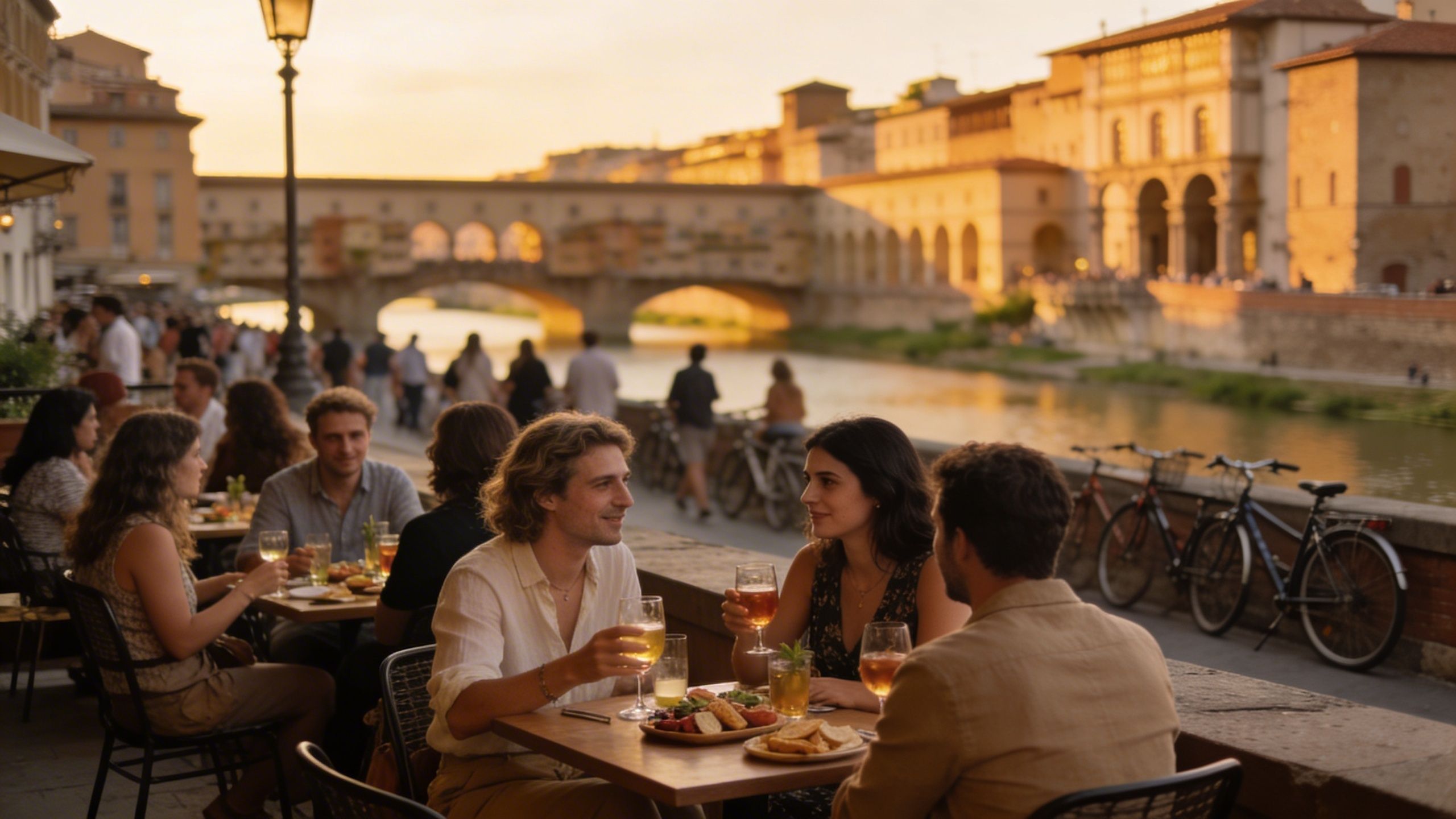
Italy, block by block: life vs square metres
Life in Italy is block-by-block: match neighbourhood rhythm to property type. ISTAT data shows 2025 price gains in existing homes; use local intel and agency transparency to align lifestyle and investment.
 Blueprintera
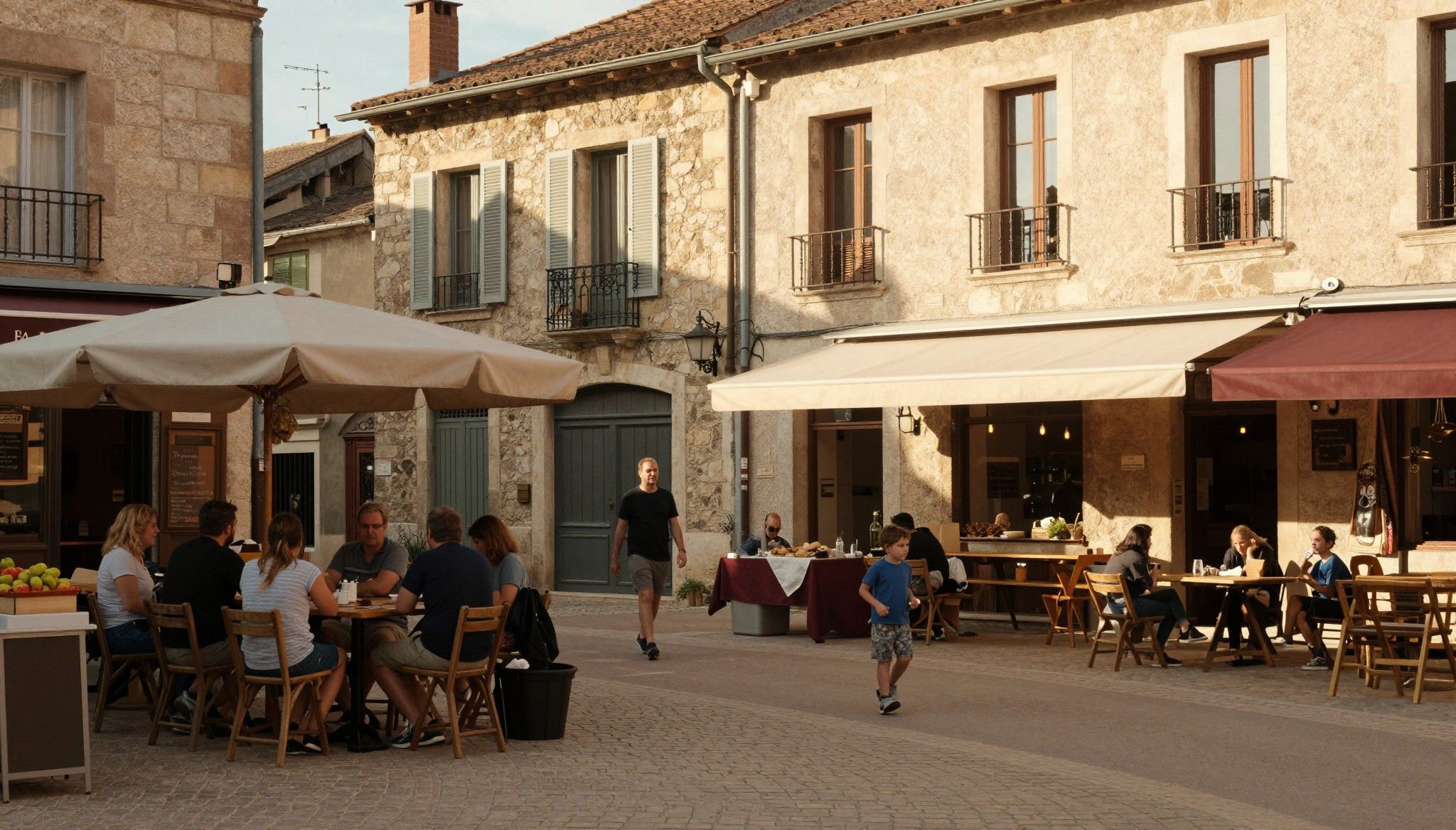
Imagine stepping out of a morning espresso into a piazza where bakers still slide warm focaccia onto wooden boards and tram bells mark the hour—this is Italy’s daily rhythm. For international buyers the fantasy is obvious: culture, coastline, and centuries of lived-in charm. What’s less visible from a postcard are the neighbourhood rhythms, seasonal price cycles and the street-level trade-offs that shape where you’ll live and how your investment performs. Here I map the life you’ll wake up to—and the practical signals you should read before you make an offer. (Source: Kyero market synthesis).
Living the Italian life: neighbourhoods that sing
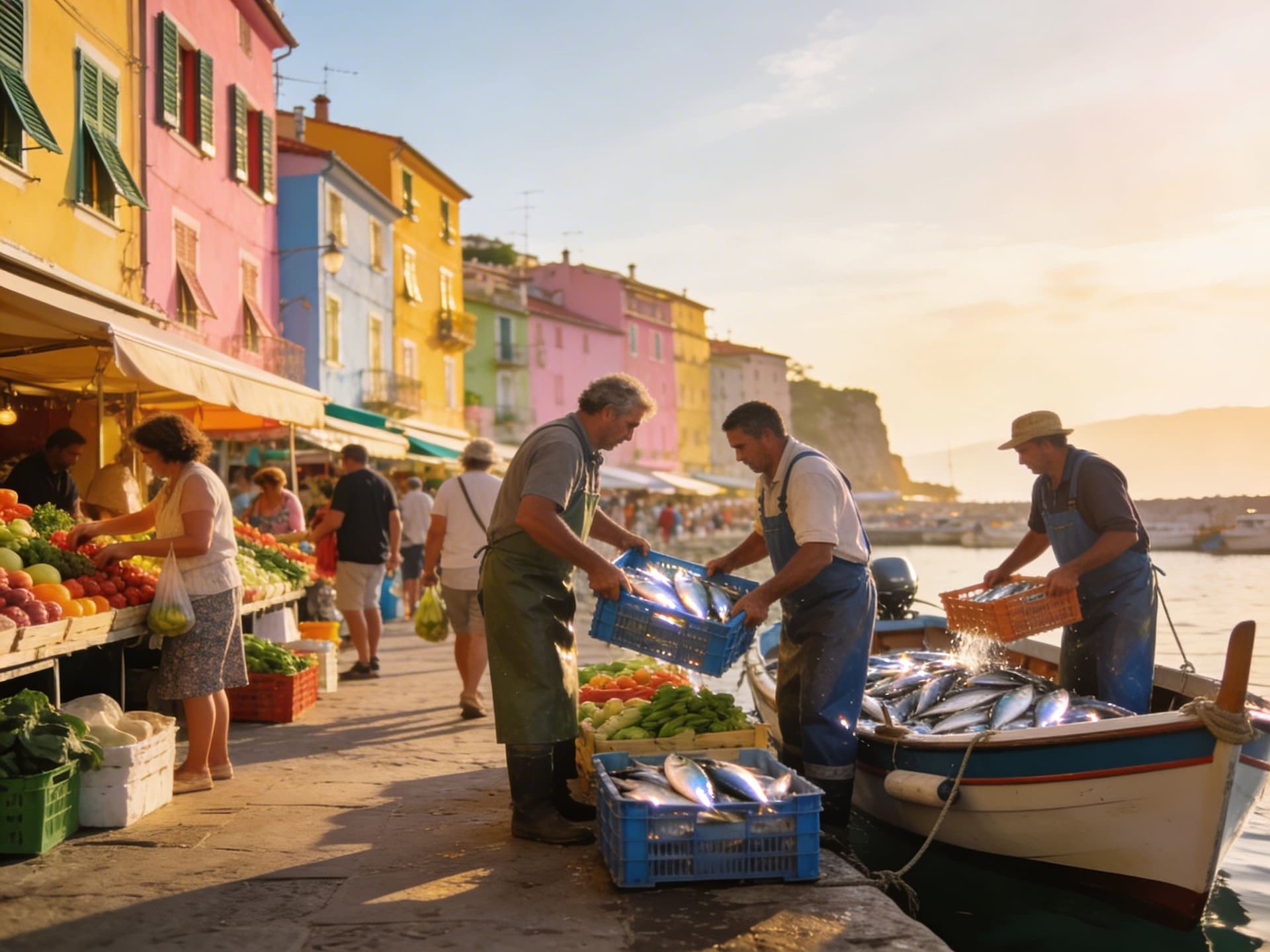
Italy’s charm isn’t uniform; it’s felt block by block. In cities such as Milan, Rome and Florence you’ll trade narrow, history-steeped lanes for a palette of cafes, late-night osterie and morning markets; on the islands and coast the tempo slows to beach schedules and seasonal bustle. Understanding how each place breathes—weekday commuting, weekend markets, festival calendars—will change what you prioritise in a property search. Below are snapshots of real neighbourhood characters and what living there actually feels like.
Milan: tranqui-fashion pulse (Porta Romana, Navigli)
Picture Aperitivo crowds spilling onto cobbled quays in Navigli, boutique shoe repairers on Via Madonnina and a 20‑minute bike ride to the financial district. In Porta Romana you get quieter streets, thermal baths and a strong local grocery culture—good if you want city life with less tourist noise. For buyers, that means trading higher per‑m² in central Milan for better long‑term rental demand and access to international schools. If you want social life at your doorstep, choose a street with several cafes and a weekly market rather than a main arterial road.
Rome’s Trastevere vs. Prati: lived-in charm or civic convenience?
Trastevere’s alleyways hum with neighbourhood bars and artisans; it’s sensorial and social but noisy and sometimes tourist-heavy in summer. Prati, near the Vatican and elegant boulevards, offers calmer mornings, wide sidewalks and better long‑term family rental appeal. For lifestyle-first buyers, Trastevere wins on evenings and authenticity; for buyers seeking steady yields or schools, Prati’s layout and transport links usually win out. Walk around at 10:00, 14:00 and 20:00 to sample the rhythm before deciding.
- Markets, beaches and hidden rituals to test the neighbourhood: morning market at Mercato Coperto, aperitivo on a canal-side terrace, Sunday passeggiata on the lungomare
Making the move: how lifestyle shapes the property you need
Dreams and floorplans must meet in the doorway. An apartment with a tiny terrace in Genoa can feel like a country house if the neighbourhood offers daily outdoor life, while a bright apartment in an A‑grade Milan block might feel used-up if you expect countryside quiet. Matching lifestyle expectations to property type avoids the classic buyer mistake of buying for an aspirational image rather than how you’ll actually live. Below I explain which property styles correspond to common Italian lifestyles and how agencies help bridge the cultural gaps.
Property styles: city flats, historic palazzos, coastal villas
City flats (condomini) give proximity to services and public transport but often come with shared governance rules and limited outdoor space. Restored palazzos deliver scale and character—expect higher maintenance and bespoke bureaucracy when restoring. Coastal villas or terraced houses offer outdoor living and seasonal rental potential but watch for flood‑zone or heritage constraints. Think in terms of how you will use rooms across seasons: do you want a sunny winter living room or a summer terrace that captures evening breeze?
Local experts: the agency that speaks lifestyle
Pick an agency that can narrate neighbourhood life, not just list specs. Good local agents will show you a morning, midday and evening view of a street, introduce you to a baker or caretaker, and explain common building rules (condominio fees, turni for cleaning communal gardens). They also know which streets attract long‑term tenants versus holiday renters—information that materially affects yield projections. Use agencies as cultural translators and ask them for recent comparable tenant files and invoices to verify real costs.
- Steps to blend lifestyle and practical checks: 1) Visit at different times of day to test noise and light. 2) Ask the agent for 12 months of utility bills and recent condo minutes. 3) Check proximity to local services: market, pharmacy, school, transit. 4) Confirm any seasonal zoning or tourist licences that affect rentals.
Insider knowledge: what expats wish they’d known
Expats commonly tell three stories: they underestimated the seasonal swings; they assumed historic equals expensive but found pockets of value; and they didn’t budget for local habits—like hiring a building custodian or paying for gate repairs. Honest previews of these small but recurring costs change your offer strategy. Below are cultural and long‑term considerations that shape both everyday happiness and investment resilience.
Language, social norms and integrating into the neighbourhood
Learning basic Italian phrases opens doors to favours, better market intel and invitations to local events—important for long‑term contentment. Neighbourhood sociality is subtle: offer to carry groceries, learn the names of baristas, and observe local market rhythms. Expat communities cluster in pockets—Milan’s Porta Nuova, Florence’s Oltrarno or parts of Liguria and Tuscany—so join local WhatsApp or Facebook groups to get real-time tips on tradespeople and seasonal rentals. Social capital here often equals practical advantage.
Long-term lifestyle + investment realities
Price momentum is real but regionally uneven: ISTAT reported a 4.4% annual rise in Q1 2025, driven by existing homes, and sales volumes rose strongly—signals that demand is broad but concentrated. That matters for lifestyle buyers: city centres show resilience and immediate services, while southern regions often offer lower entry prices per square metre. Use official indices to check whether a neighbourhood is following national trends or bucking them—this can change both renovation choices and expected time to liquidity. (Source: ISTAT Q1 2025).
- Practical red flags to watch for before buying: - Lack of recent energy certificate or outdated Classe energetica. - Missing minutes from recent condominio meetings (hidden special assessments). - Properties in tourist zones requiring short-term rental licences. - Unclear property boundaries in rural or historic properties.
Conclusion: Italy rewards buyers who buy the life, not just the square metres. Start with a clear picture of the rhythm you want—market mornings, seaside Sundays, or city‑evening culture—and ask local experts to validate that rhythm with data: comparable rents, recent sales, and energy certificates. Make at least one return visit in a different season and request granular condo records; those simple steps separate romantic mistakes from durable decisions. When you’re ready, a local agency that tells you about the baker, the barista and the building accounts will turn an idea into a livable reality.
BlueprinteraSwedish strategist who relocated to Marbella in 2018. Specializes in legal navigation and tax planning for Scandinavian buyers.
Related Articles
More insights that might interest you
 Villa Curated
 Villa Curated
 The Yieldist

