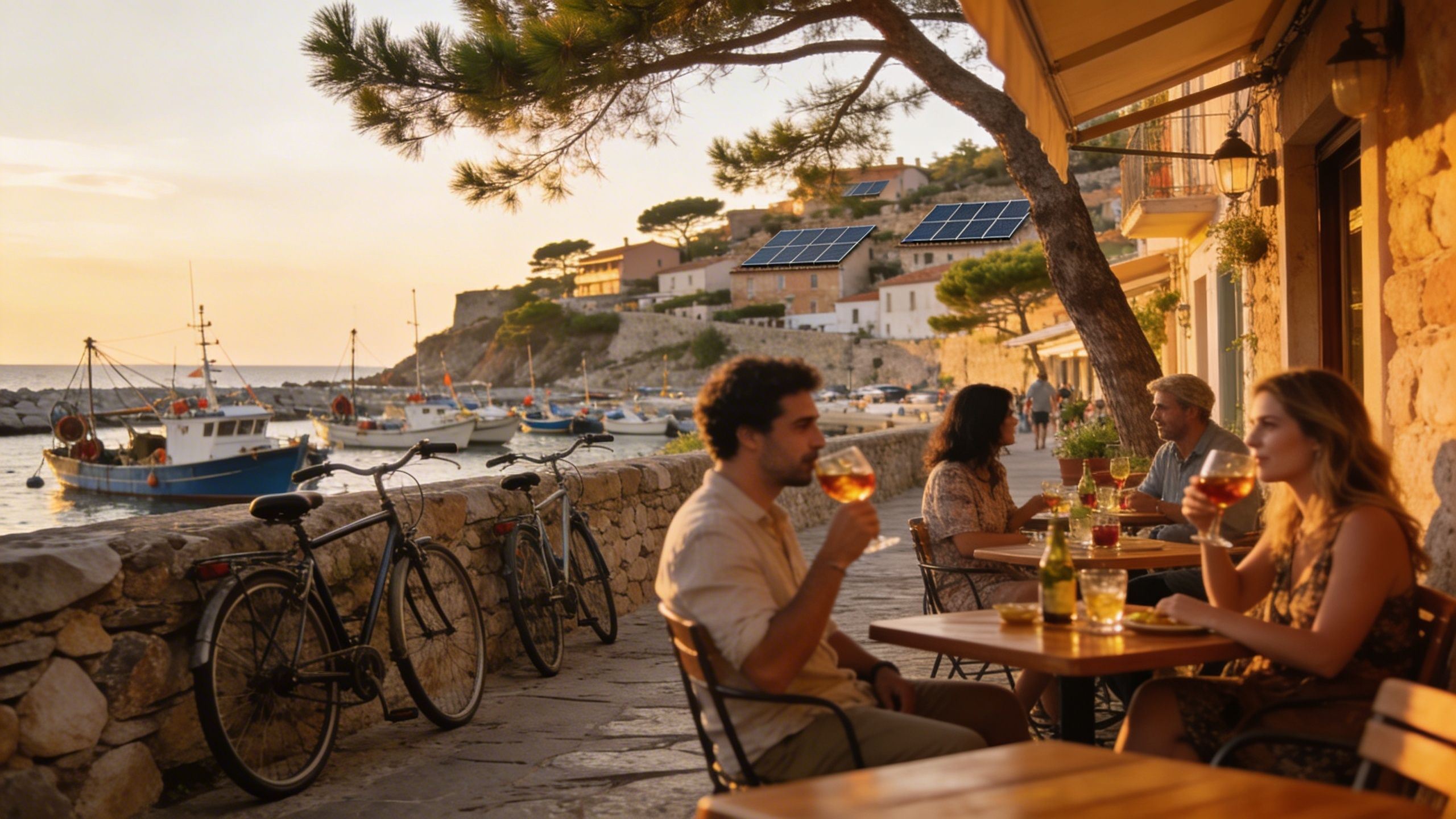
Italy: Where Neighborhood Life Meets Green Opportunity
Italy pairs timeless neighborhood life with growing renewable infrastructure—choose homes that breathe, prioritise passive upgrades, and work with experts who marry heritage and green tech.
 Moss & Hearth
Imagine waking to the smell of espresso and baking bread in a hilltop kitchen, then cycling past solar-panelled farmhouses down to a beach where gentle waves meet sea-grass dunes. Italy is at once a collage of intimate, slow-moving rituals and a surprising front-runner in green infrastructure: rooftop photovoltaic arrays, community-scale biomass heaters and revitalised hydro in the mountains are reshaping daily life. For international buyers who want beauty and ecological intelligence together, Italy now offers a rare combination: places that feel ancient and regenerative systems that feel modern and practical. This piece connects that lived warmth to the on-the-ground realities you’ll need to consider when turning a dream into a sustainable home.
Living the Italy lifestyle — nature, food, and rhythms
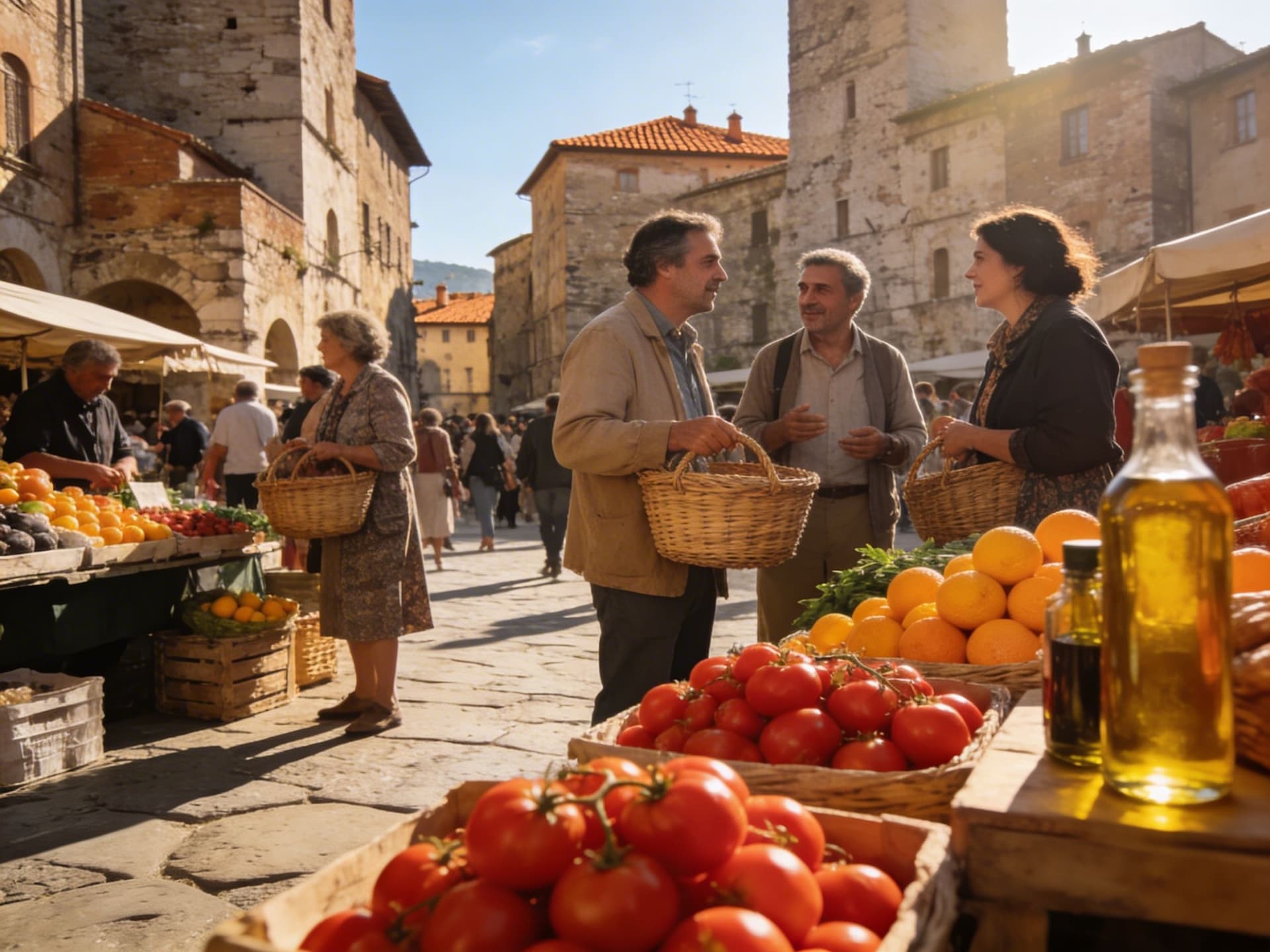
Life in Italy moves by season and table. Morning markets in Palermo, aperitivo crowds in Milan’s Navigli, and late-afternoon siestas in Puglian olive groves all shape the rhythm of neighborhoods. You’ll notice how architecture leans into climate — thick stone walls in hill towns, wide loggias on the Adriatic coast — and how that built logic interacts with green upgrades like external shading, passive ventilation and rooftop gardens. Choosing where to live here is as much about the sensory calendar of a place as it is about its energy meters.
Neighborhood spotlight: Florence’s Oltrarno to Puglia’s white towns
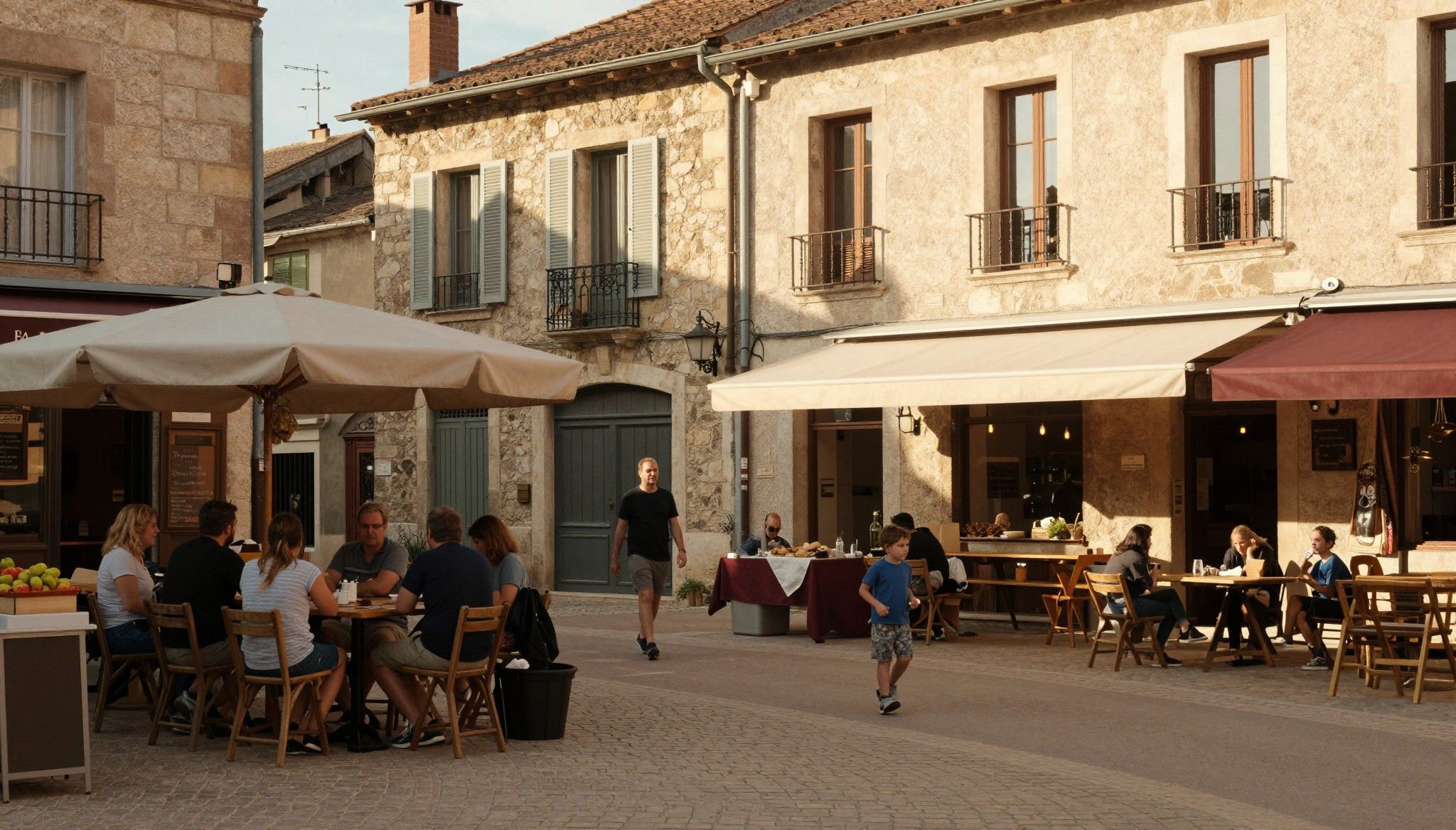
Walk Oltrarno at dawn and you’ll find artisans sweeping their shop thresholds, espresso pulled at corner bars and small solar arrays discreetly fixed to tiled roofs. Drive south to Ostuni or Monopoli in Puglia and the light changes everything: stone lanes, stone-built trulli and modern renovations that pair thermal insulation with passive cooling. These areas show a key Italian truth — historic fabric and modest green tech often coexist beautifully, creating neighborhoods that are both atmospheric and increasingly energy-smart.
Food, market culture and seasonal living
A day here might begin at Mercato Centrale for heirloom tomatoes and end with seafood grilled over vine cuttings. Local markets are places to meet neighbors, swap recipes and source produce that makes small-scale, low-carbon living a pleasure rather than a chore. That culinary life also informs property choices: generous terraces, basement cellars for preserves, and vegetable beds matter more than open-plan minimalism. When you buy, look for properties that make seasonal living easy — covered outdoor kitchens, shade-protected courtyards and north-south orientation for comfortable summers.
- Morning market walks in Palermo; solar-ready terracotta roofs in Tuscany; truffle season in Piedmont with nearby rustic hideaways; beachside boardwalks and maritime pine dunes in Liguria and Puglia; community orchards and olive-press days in Umbria and Puglia; small-town repair cafés and artisan workshops in Oltrarno.
Making the move: practical considerations where green meets real estate
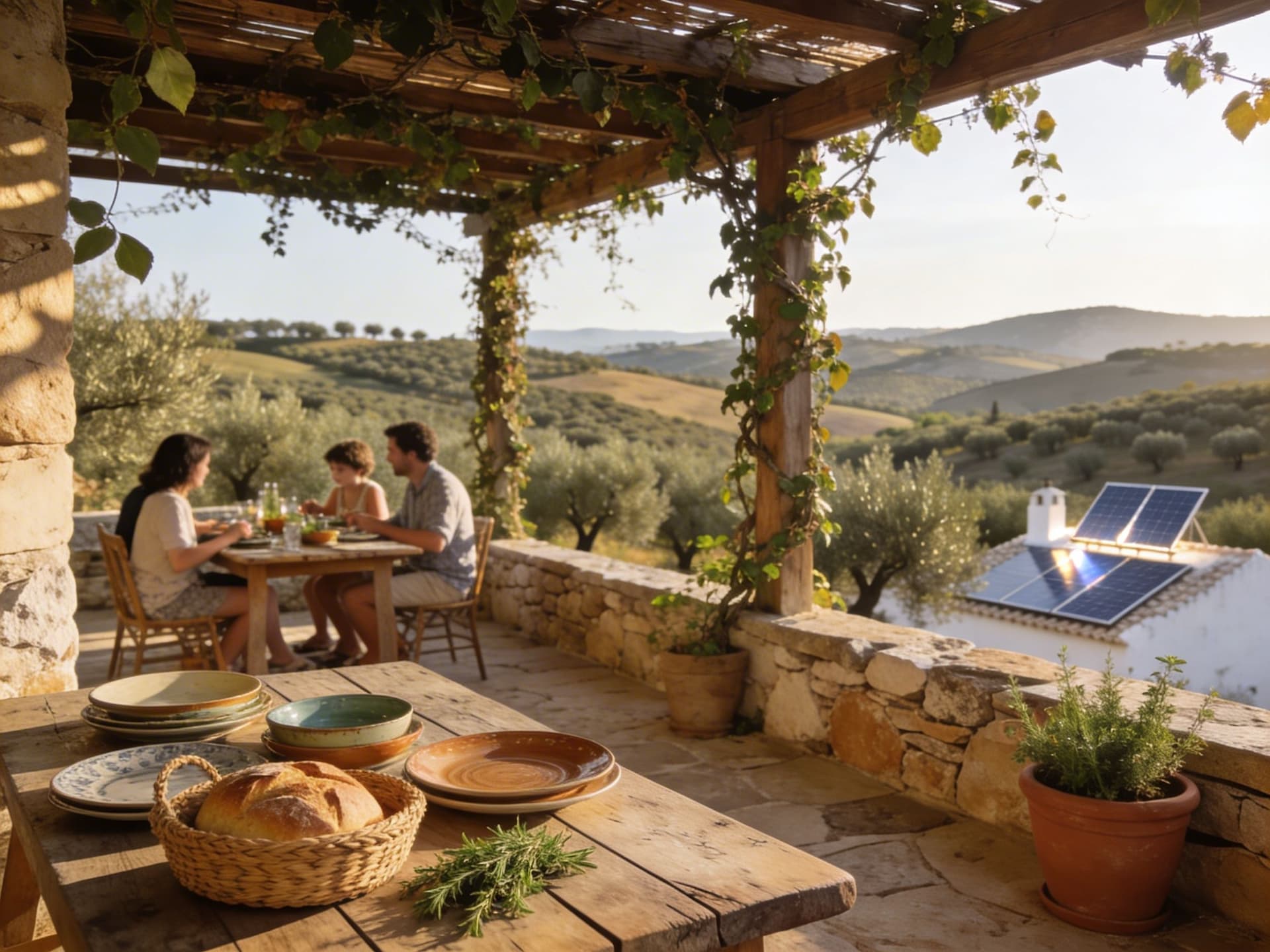
Your dream property will be lived in by systems: energy, water, waste and mobility. Market data suggests foreign interest in Italy rose noticeably in recent years, and where buyers go — Milan, Rome, Lake Como, Sicily and Puglia — affects both the sustainability features you can expect and the price dynamics. Before falling in love with a facade, check region-level renewable energy penetration and incentives; these determine how simple and cost-effective it will be to reach energy independence.
Property styles & what they actually offer
Stone farmhouses, coastal apartments and newly restored palazzos each bring different green potentials. Rural conversions often allow easy installation of ground-mounted PV and battery systems, while listed palazzi may be limited to internal energy efficiency measures. Recent national figures show renewables supplying a large and growing share of Italy’s electricity — with solar leading the charge — so regional context matters: Sicily and Lazio have seen substantial additions of PV capacity, making southern properties particularly PV-friendly. Align the property type with realistic retrofit expectations.
Working with local experts who know both culture and code
An agent who understands heritage rules, the subtleties of Italian cadastri, and green subsidies is invaluable. Look for agencies that partner with local architects and installers experienced in ecologically sensitive retrofits — they will help navigate permissions on historic properties and identify where solar, insulation or heat pumps are allowed or recommended. Good local teams also introduce you to craftspeople who can source recycled terracotta, lime plaster and native trees, keeping renovations authentic and low-impact.
- 1. Inspect orientation, insulation, and roof condition first; these determine retrofit cost and PV yield. 2. Ask for recent energy bills and any energy performance certificate (APE) to verify consumption patterns. 3. Prioritise passive measures (shade, thermal mass, ventilation) before over-investing in mechanical systems. 4. Check regional green incentives and tax credits for renovations — some areas offer generous support for insulation and PV. 5. Factor in transport: proximity to train stations or EV charging corridors reduces long-term carbon and cost.
Insider knowledge: expat truths, seasons and unexpected tradeoffs
Expats tell us the sweetest surprises are small: a community olive press day, a pastry that becomes your Saturday ritual, or neighbours who bring jars of tomato confit after harvest. But they also warn about seasonal gaps — shops that close for August, or winter transport limits in mountain villages. Regions like Puglia have surged in popularity and therefore price; that’s wonderful for lifestyle but calls for sober timing and a willingness to prioritise either price or pace of life.
Cultural integration, language and daily life
You’ll find that language unlocks kitchens, markets and long-term neighbours more than paperwork ever will. Enrol in a weekly cucina course, volunteer at a local festa, and join a neighbourhood football pitch or bocce club to weave into daily life. Practicalities like municipal waste schedules, water rationing in summer, and shared well ownership in rural communities become part of your routine; an empathetic local agent will prepare you for these cultural rhythms and help you choose a neighbourhood that matches the social life you want.
Long-term lifestyle and stewardship
Think beyond tiles and terraces: durable materials, biodiversity-minded gardens and low-water landscaping preserve both property value and the ecosystems that make Italy so desirable. Many buyers here turn a garden into a small food forest or plant native hedgerows that support pollinators and reduce maintenance. Consider stewardship plans — seasonal care, local seed sources, and a relationship with a neighbourhood gardener — as part of the purchase. Over time these choices repay both financially and emotionally.
- Watch for: roof orientation and shading; heritage restrictions on external upgrades; seasonal accessibility in hill towns; local water rights and well-sharing customs; proximity to medical services and international schools; community energy projects or cooperatives.
Conclusion: Italy asks you to slow down and invest in the life around your walls. If you value seasonal markets, community rituals and houses that breathe, pairing that love with practical checks — energy performance, retrofit feasibility, local permitting and green incentives — will make your move resilient and deeply satisfying. Speak with agencies that combine cultural literacy and green partnerships; they’re the ones who can introduce you to homes where the landscape is not an accessory but the heart of daily life.
Moss & HearthDutch property strategist who helped 200+ families find sustainable homes in southern Europe; expert in legal pathways and long-term stewardship.
Related Articles
More insights that might interest you
 Villa Curated
 Villa Curated
 The Yieldist

