Budget the Life: Department Fees & Lived France
Fall for France’s rhythms, then budget by department: expect 7–8% extra on resale homes and use local notaire/agent advice to avoid surprises.
 MoveSettleGo
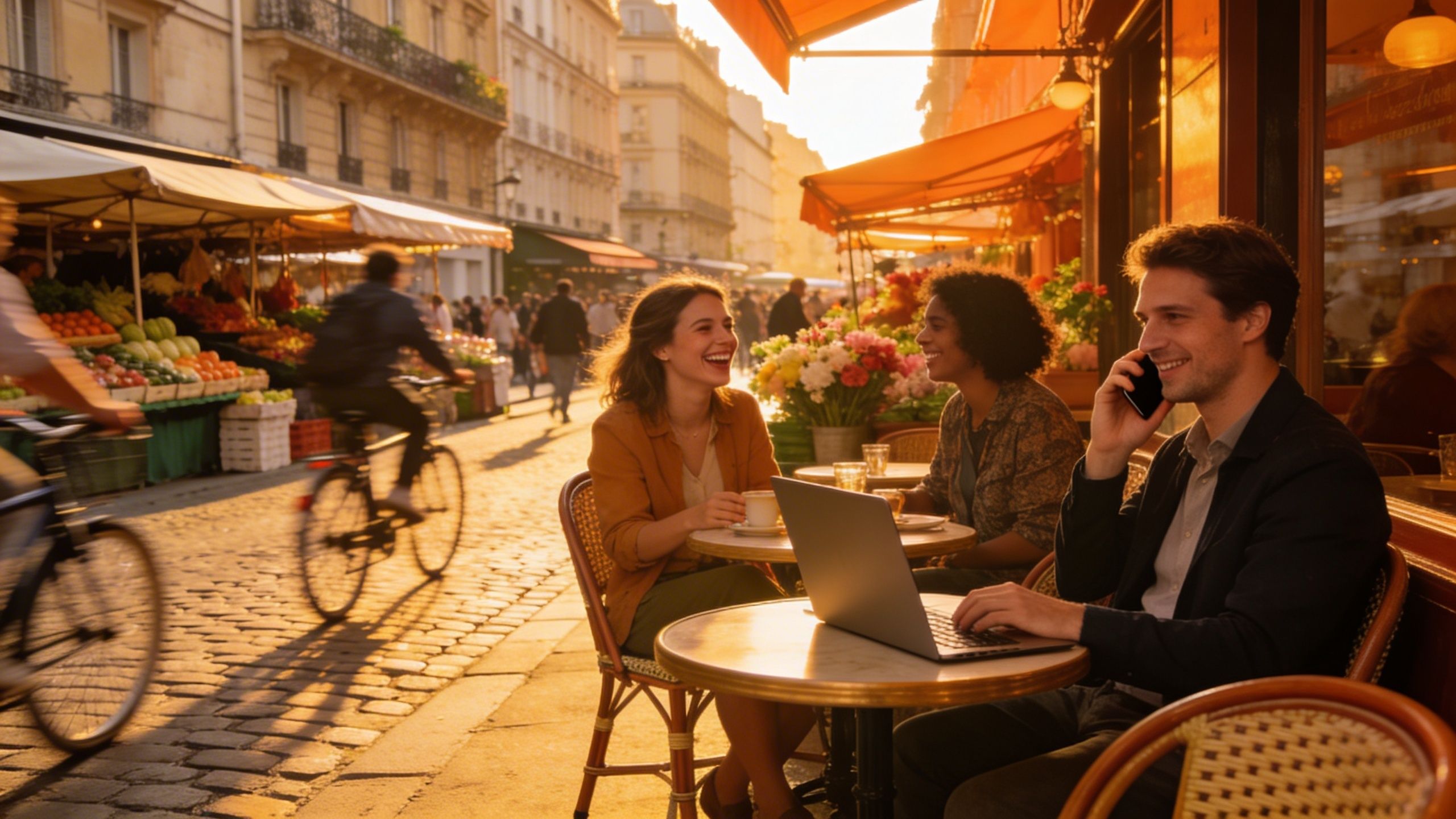
Imagine sipping espresso on Rue Cler as bicycles hum by, fresh tartines in hand and a coworking pass on your phone. France moves at a measured, sensory rhythm: markets at dawn, long lunches, impromptu aperitifs at sunset. But love at first sight can blind us to the real costs of turning a dream into an address—especially the small but important numbers that decide whether a French life is a comfortable reality or a budget squeeze.
Living the France life — more than a postcard
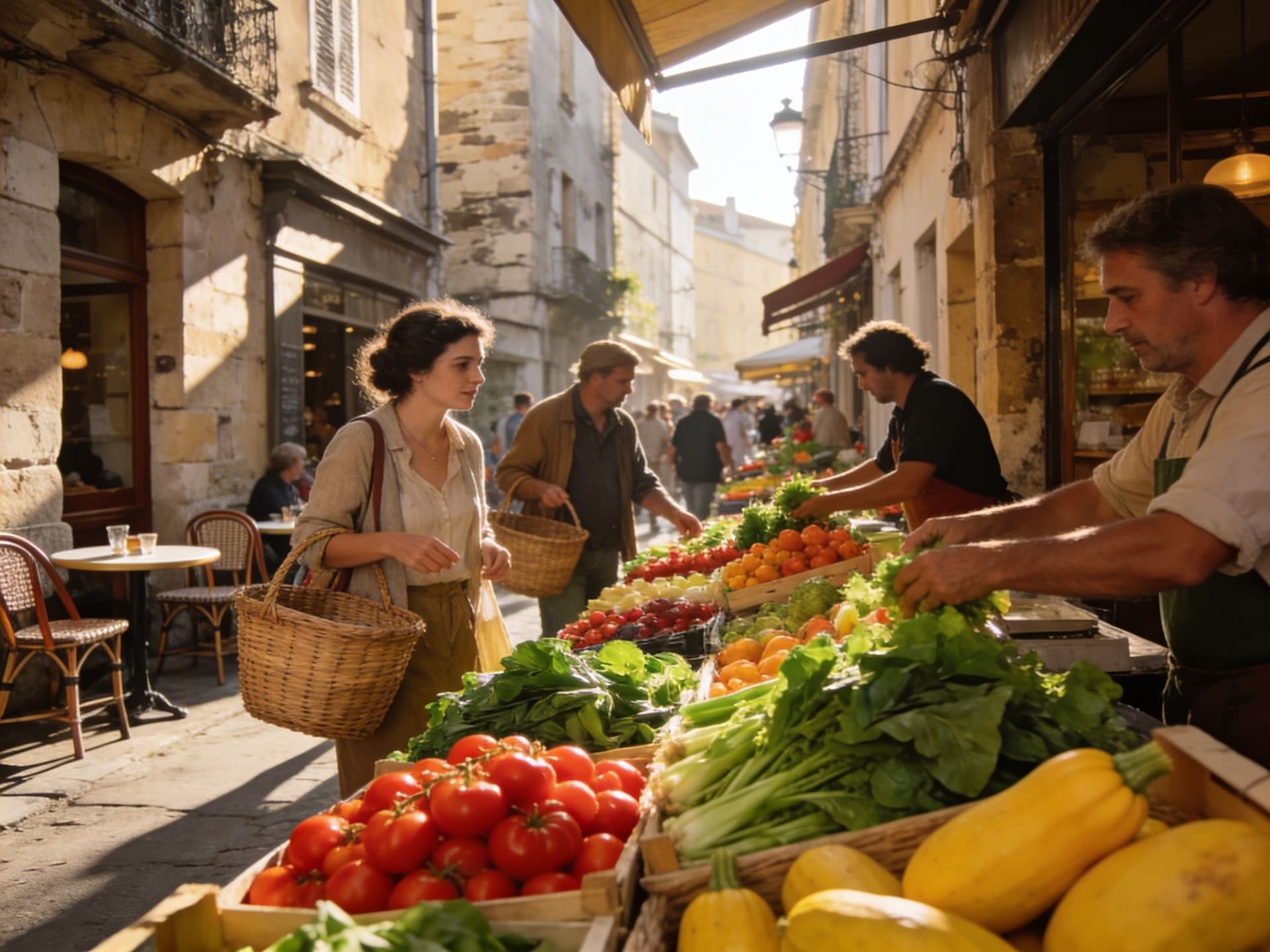
France is a patchwork of day-to-day rhythms. In Paris you’ll live between boulangeries and galleries; in Bordeaux you’ll learn the neighborhood vintner’s name; on the Côte d’Azur your morning run might end on a pebble beach. These textures shape where you’ll actually want to buy: quieter streets for remote work, lively arrondissements for social nights, coastal towns for outdoor weekends.
Neighborhood spotlight: Paris — Le Marais & Canal Saint‑Martin
Le Marais smells of roasted coffee and history. Cobblestones lead to boutiques, hidden courtyards and cafés with café‑terrace Wi‑Fi—great for afternoons of focused work. Canal Saint‑Martin feels younger: street art, indie shops and evening apero culture. Both offer short walks to coworking hubs, but expect higher prices and smaller floorplans than outer arrondissements.
Coastal living: Nice to Biarritz — sunlight and tradeoffs
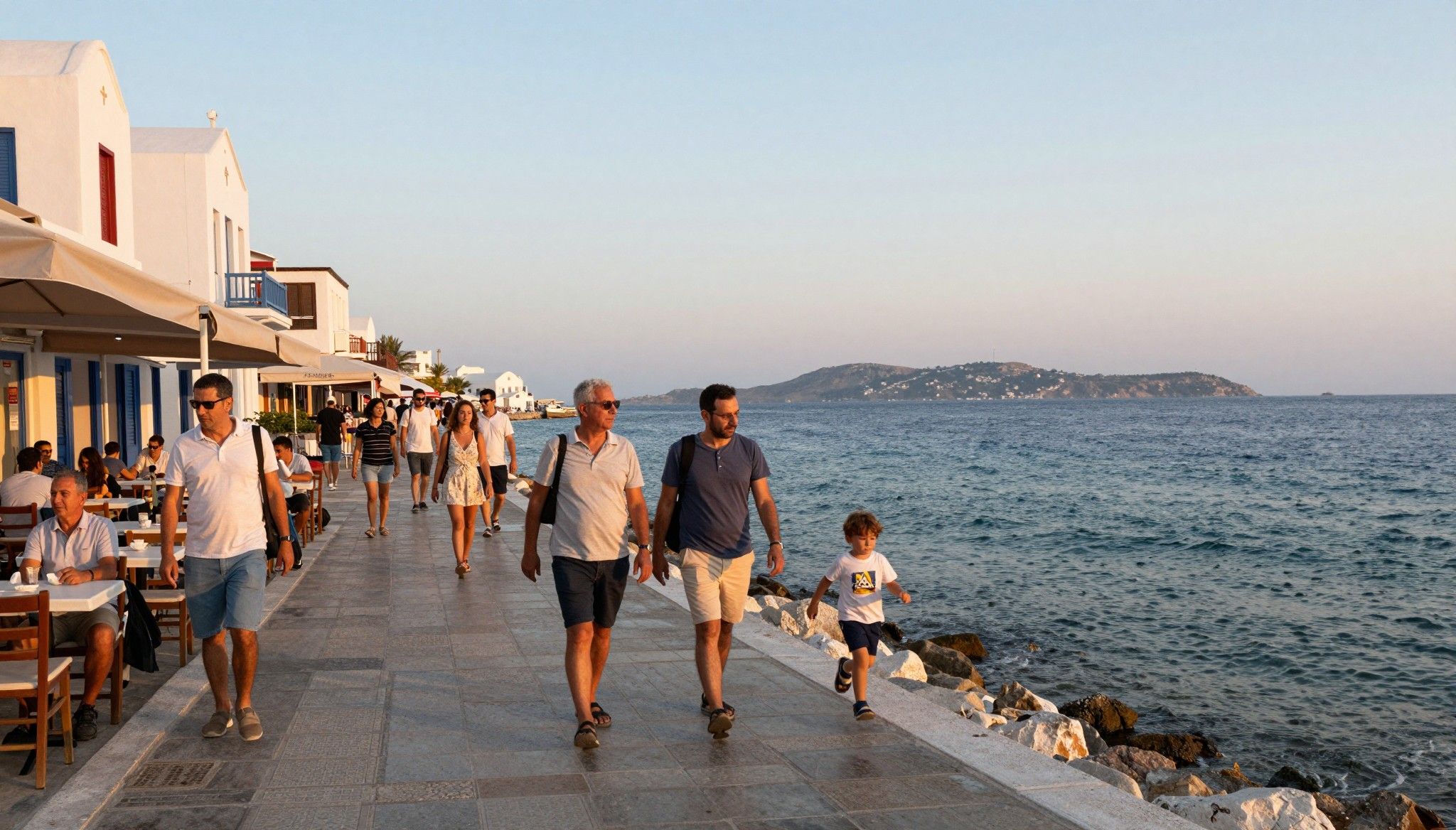
From Nice’s Promenade des Anglais to Biarritz’s surf breaks, coastal towns sell a lifestyle of sea air, weekend markets and al‑fresco work sessions. But seasonal tourism affects rental income and utility costs; many nomads prefer nearby towns (Villefranche‑sur‑Mer, Anglet) for better year‑round value and calmer streets.
- Lifestyle highlights: markets, cafes, and micro‑neighborhood secrets
- Marché d’Aligre (Paris) — morning market that becomes your grocery lifeline
- La Daurade (Toulouse) riverside cafés — perfect for afternoon calls with golden light
- Cours Mirabeau (Aix‑en‑Provence) — terraces, boulangeries and an easy pace for weekend escapes
Making the move: money that connects dream to door
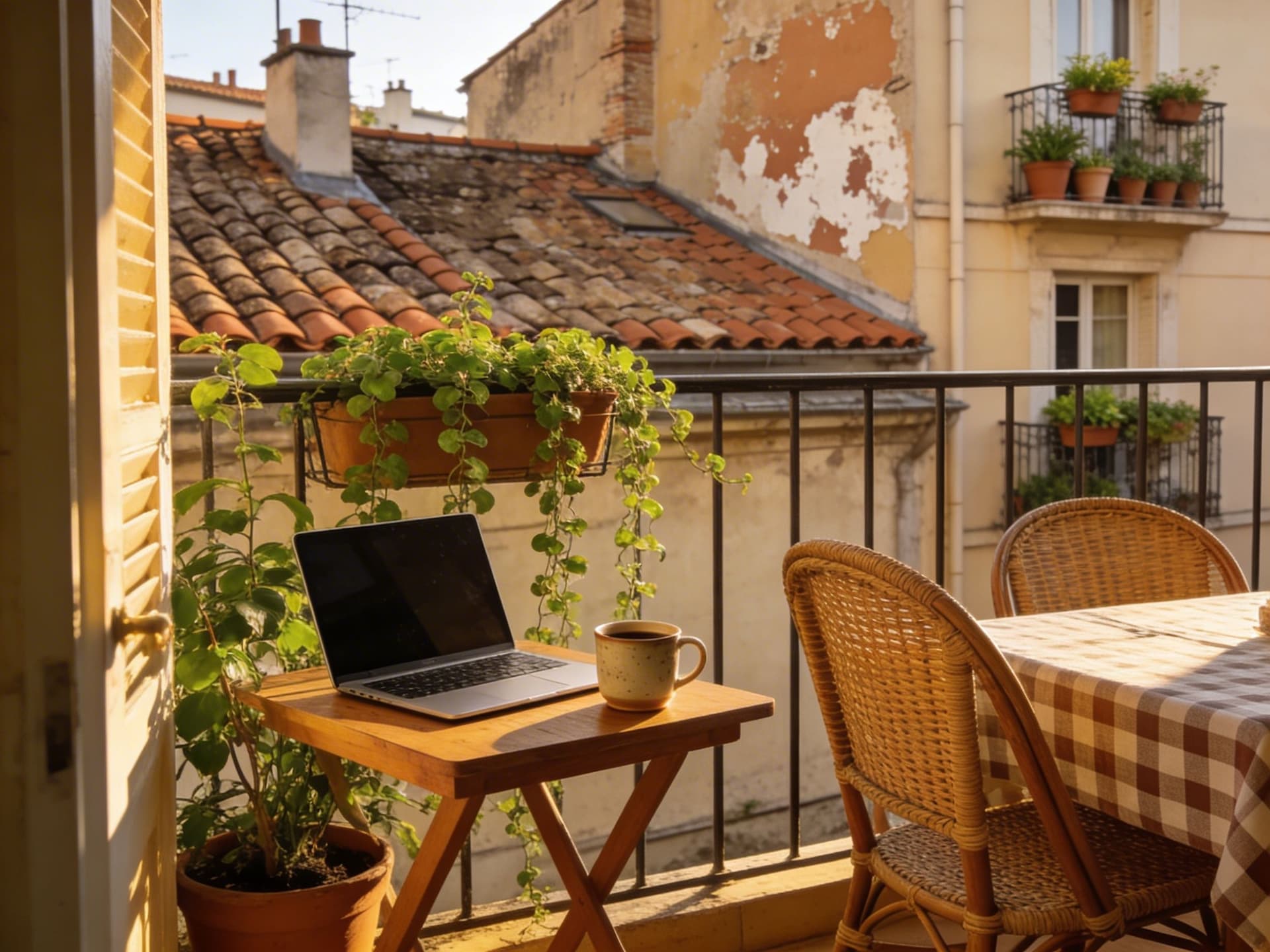
Here’s the truth your heart-warmth won’t tell you: the headline price is just the start. For older (resale) properties expect purchase costs around 7–8% of the price; new builds are typically 2–3%. Recent departmental choices to raise the DMTO (part of notaire fees) mean budgeting has gotten more department‑specific—so your true cost depends on where in France you buy. Plan for these figures before falling for the shutters.
Property styles & how they shape budgets
A Parisian apartment: small surface, high euro/m²; older flats carry higher transaction taxes. A rural farmhouse: lower price per m² but expect renovation, energy upgrades and longer travel costs. New builds: lower registration taxes but factor in VAT and developer guarantees. Match property type to how you want to live—terrace dinners, a permanent home office, or an Airbnb side hustle—and budget renovation and energy work if needed.
Experts who turn lifestyle wants into realistic budgets
A good local agent helps you find streets that match the vibe you want and flags departmental fee levels. A notaire explains registration taxes and mandatory checks. A local architect or builder estimates renovation costs in euros, not guesses. These three voices stop daydreaming from bleeding into overspend.
- Budget checklist that blends life and numbers
- Price you’ll pay — listing price plus 7–8% (resale) or 2–3% (new), adjusted by department. Use local notaire calculators to confirm.
- Renovation & energy works — realistic bids from two local contractors, plus 10–15% contingency.
- Operational monthly budget — utilities, local taxes (taxe foncière/taxe d’habitation changes), broadband, insurance; plan for seasonal spikes.
- Mortgage and banking — get pre‑approval from a French bank or international lender and confirm borrowing costs, including registration of lender’s privilege if applicable.
Insider knowledge: what expats wish they’d known
Real talk: community matters as much as square metres. Coworking exploded in regional France over 2024–25, meaning you can live outside Paris and still plug into professional scenes. This keeps living costs down and quality of life up—if you choose towns with reliable fibre and a flexible workspace nearby.
Cultural tips that shape where you’ll fit in
French daily life rewards patience: bureaucratic forms take time, shops close for lunch, and neighbours value quiet hours. Learn a few local phrases, show up to the market, and you’ll be invited to the next apero. That social capital pays off—recommendations from locals often surface the best off‑market homes.
Longer‑term lifestyle costs and returns
Think beyond stickers: energy efficiency upgrades lower bills and raise resale value; living near a TER or TGV station costs more but saves time; neighbourhoods that invest in culture and transport usually show steadier price growth. Treat property as both a life choice and a long game.
- Red flags to spot before you sign
- Unclear boundaries or co‑ownership (copropriété) documents — ask for recent procès‑verbaux and reserve fund details.
- No energy performance certificate (DPE) or dodgy ratings — factor in likely upgrade costs.
- Departmental fee hike in the property’s location — a local agent can confirm current DMTO rate.
Conclusion: buy the life you want, budget like a local. Fall in love with a French street on a Saturday morning, then map the full costs before you make an offer. Start with a short list: your preferred neighbourhoods, a target price including transaction costs, and two local experts (agent + notaire). With those in hand you’ll spend less time worrying and more time ordering that second croissant.
MoveSettleGoDanish investor and relocation advisor focusing on Portugal and the Algarve; loves coworking culture and expat networks.
Related Articles
More insights that might interest you
 Villa Curated
 Villa Curated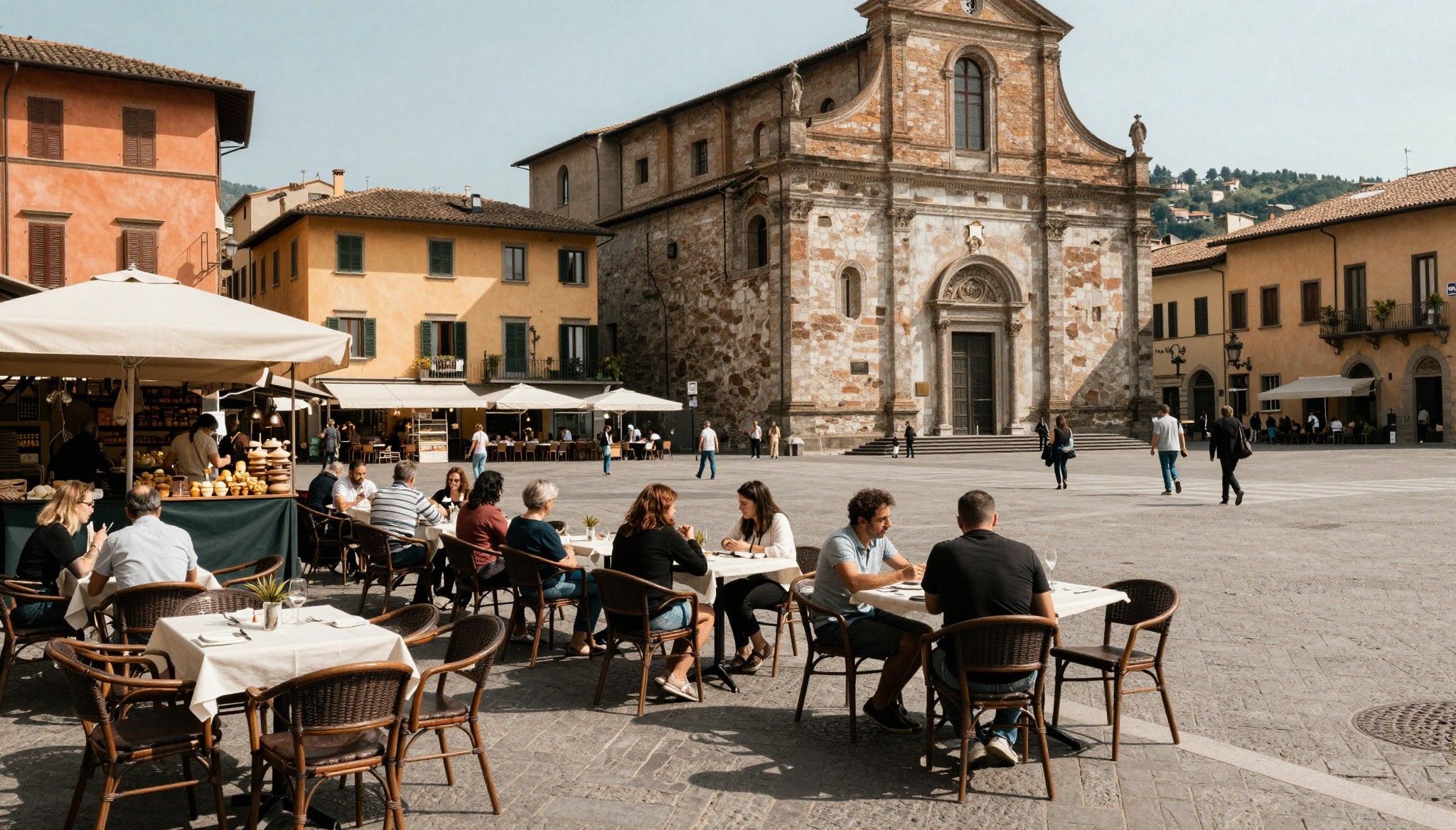
 The Yieldist

