Close Smart in Cyprus: Timing, Negotiation & Solar Realities
Practical closing and stewardship tactics for buying in Cyprus — timing, negotiation clauses and real solar rules to protect lifestyle and long-term value.
 Moss & Hearth
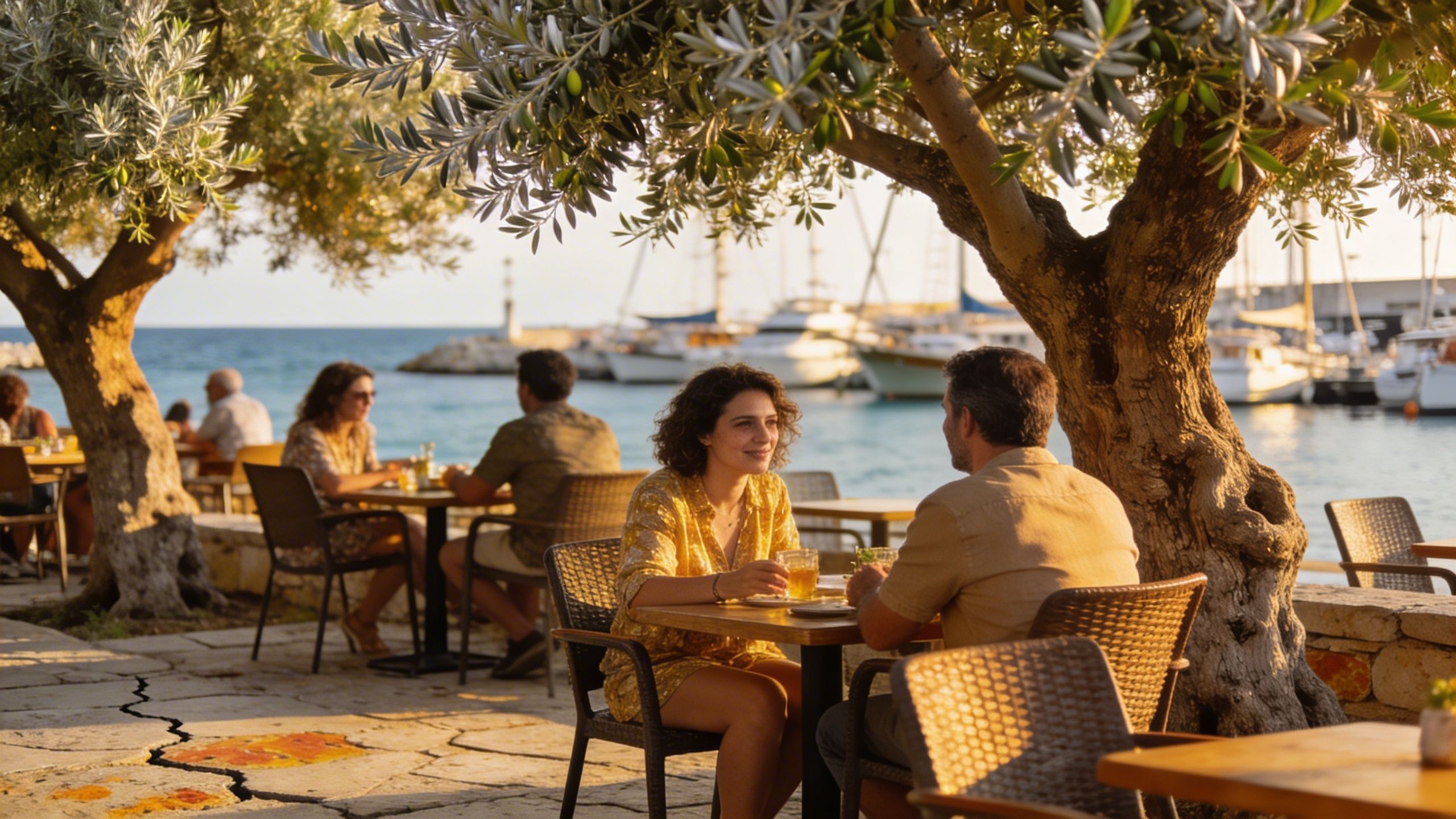
Imagine waking to the faint smell of orange blossom, pouring coffee at a kitchen window that looks down a sunlit lane in Old Nicosia or across terracotta roofs toward the sea in Paphos. Cyprus moves at a warm, human pace — markets open, tavernas fill for late lunches, and olive groves hum with life — but the technical side of buying and stewarding a home here requires a different kind of stillness: careful timing, local knowledge and intention. This guide blends that lived-in romance with hard-headed closing and stewardship advice so you can protect both the lifestyle and the long-term value of your Cyprus home.
Living Cyprus: light, lanes and seasons
Cyprus is not a single mood but a set of neighbourhood rhythms: Limassol’s marina-side bustle, Paphos’s quieter coastal villages, Larnaca’s coffee-lined corniche and Nicosia’s layered history. Summers are luminous and social; winters mild, olive-harvest busy. These seasonal rhythms shape where locals buy, rent and renovate — and they should shape when you negotiate and close. Recent national indices show steady but modest house-price growth, which means timing and stewardship decisions materially affect total cost over years, not only the day of closing.
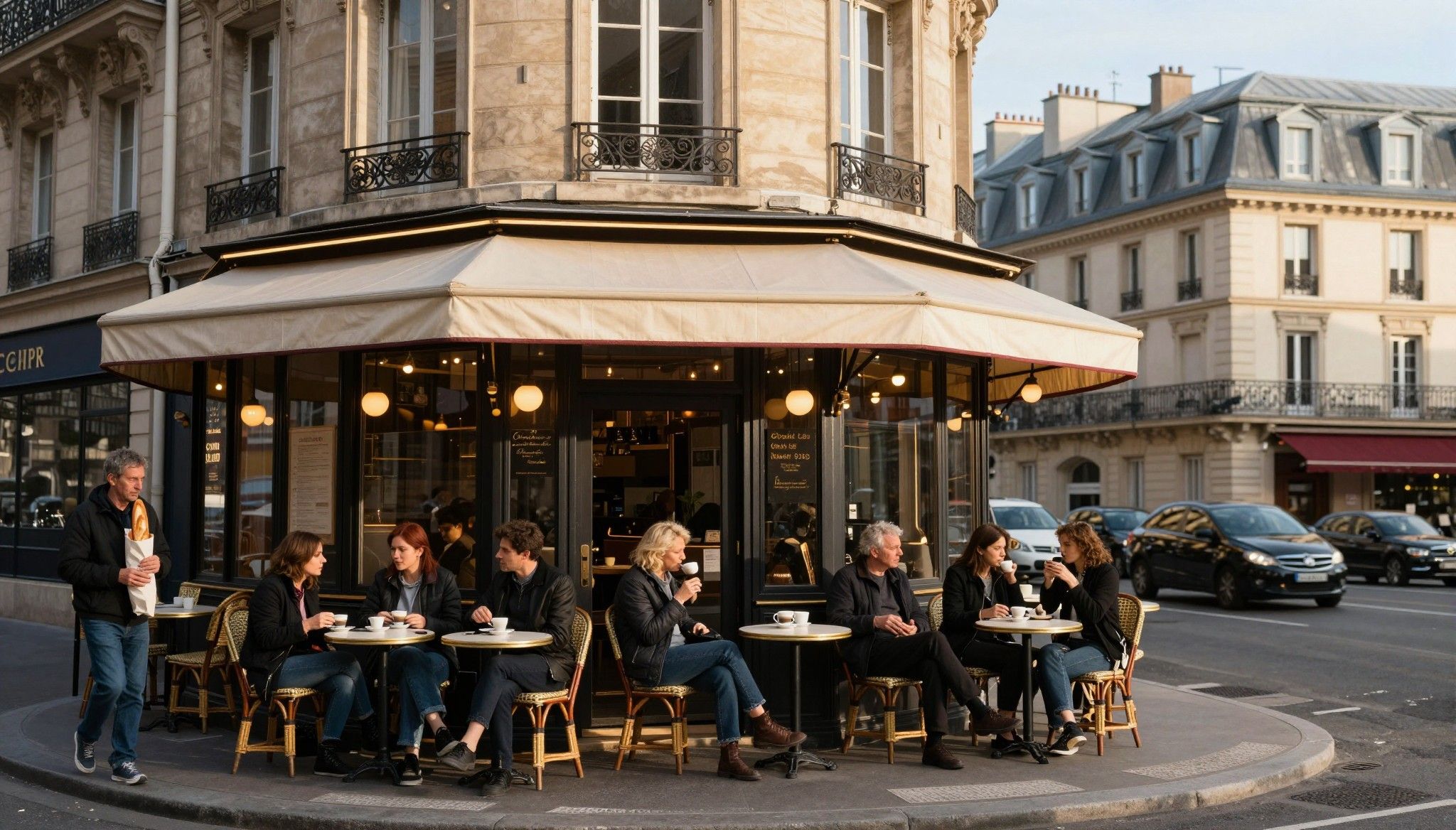
Corner cafes and lanes: neighbourhoods that tell a story
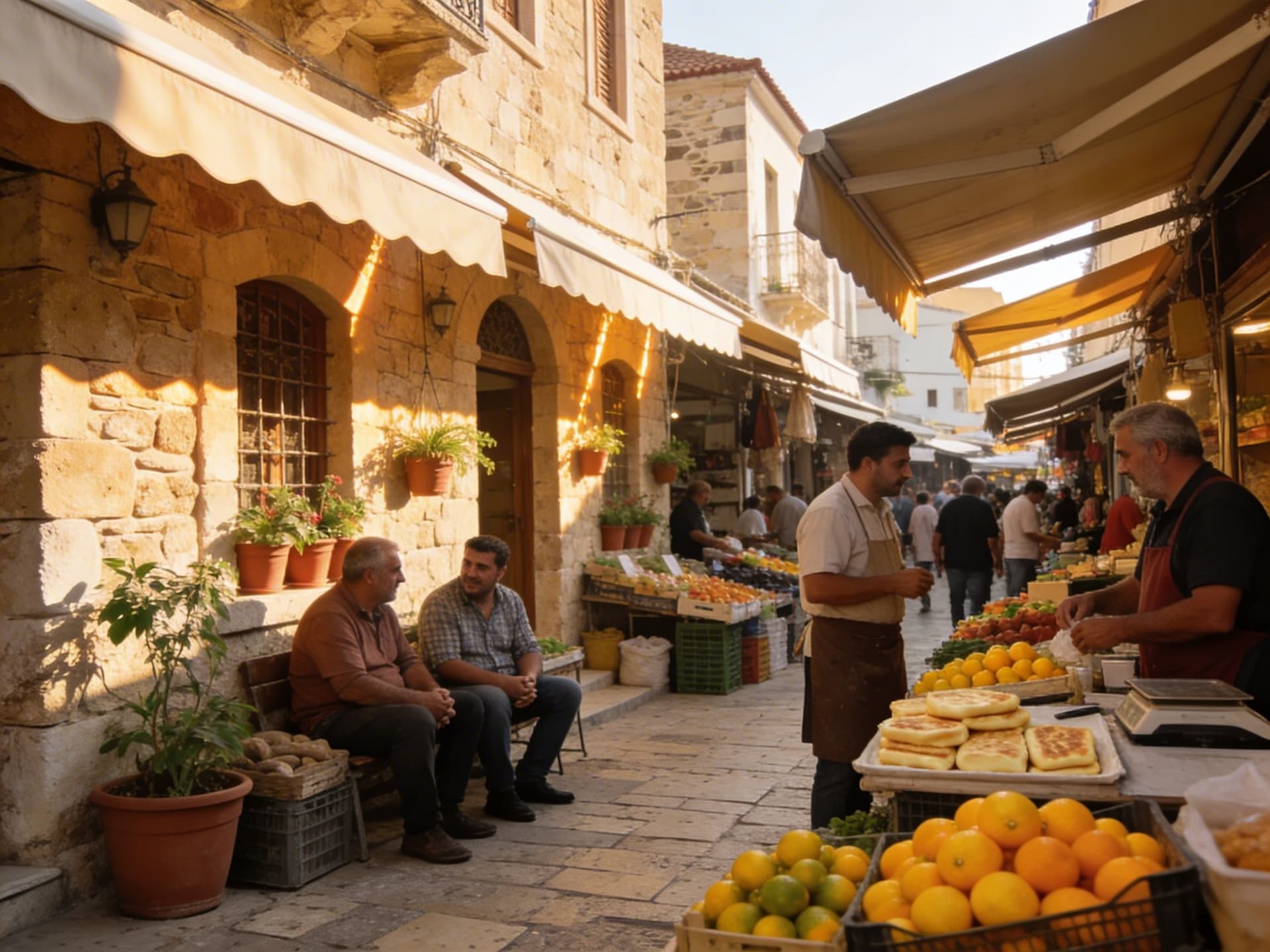
Walk the narrow streets of Old Nicosia to find courtyard restaurants where neighbours gather after siesta; stroll Kato Paphos at dusk for coastal gardens and modest villas with sea-views; and in Limassol, pay attention to the area around the Marina where a mix of new development and restored stone houses meet. These are places where community life — cafés, weekly markets, local schools — defines value more than glossy finishes. For a buyer seeking sustainability and slow living, these neighbourhood traits often matter more than headline price per square metre.
Food, markets and the tempo of daily life
Picture weekday mornings at the Larnaca municipal market selecting halloumi and wild greens, or weekends in Troodos buying chestnuts from a local grower. Food culture in Cyprus is civic and seasonal; it’s also a practical sustainability lesson: properties with garden space, rainwater capacity or a sunny roof for a few panels let you live that seasonality more fully. When assessing listings, imagine routine moments — shopping, cooking, watering — and ask whether the property supports that life without expensive retrofits.
From daydream to deed: practical moves that preserve lifestyle
Turning affection into a secure purchase in Cyprus means shifting from feeling to paperwork without losing the spirit of the place. Use market data to anchor expectations — the Central Bank and national indices show regional variation — then build negotiation and closing tactics around local seasonality and stewardship costs rather than just sticker price. Below are practical tactics that pair lifestyle aims with concrete steps at closing.
Property styles and what they give you
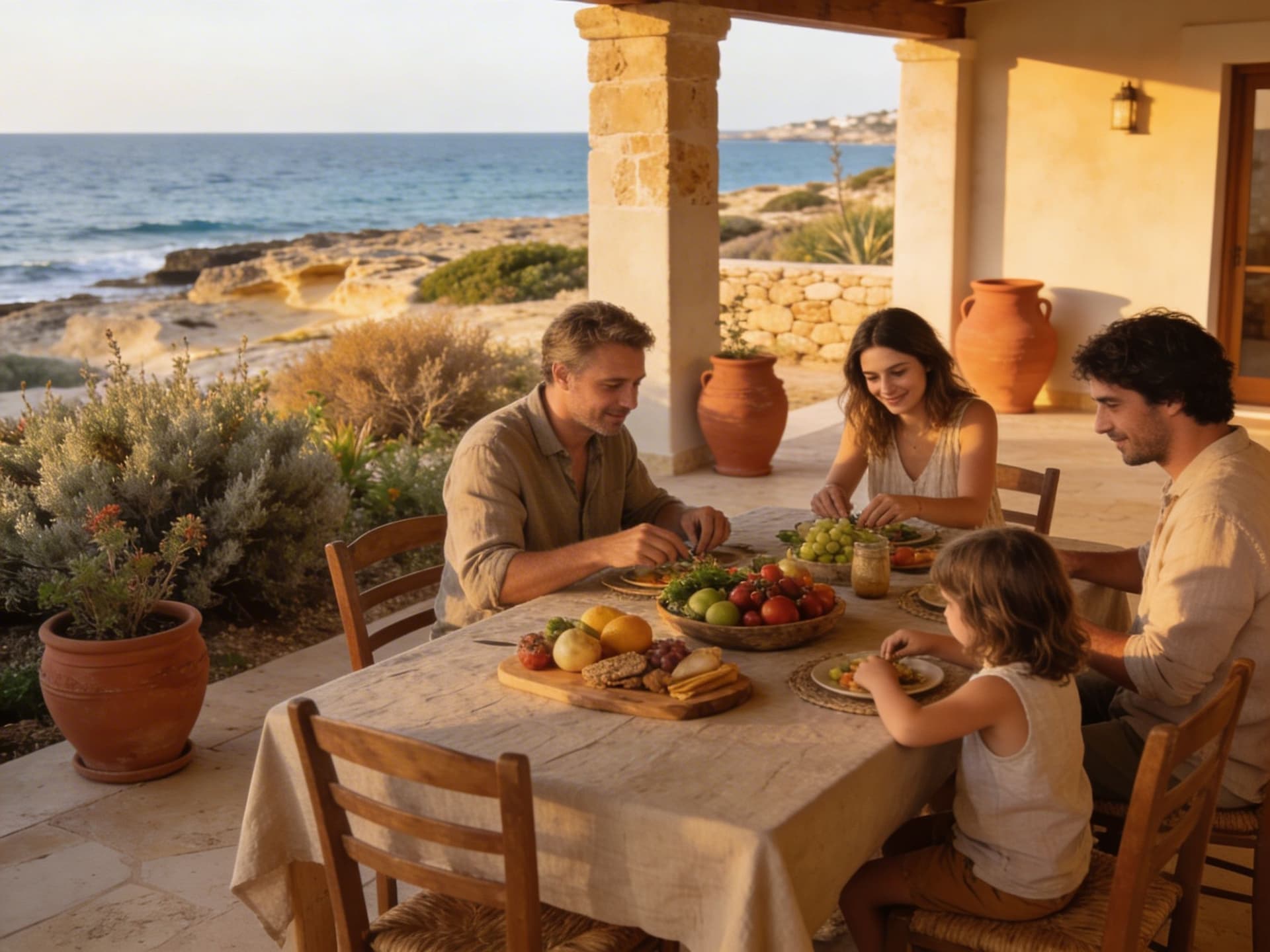
Stone village houses in the Troodos bring thermal mass and character but may need seismic and insulation upgrades; modern Limassol apartments can be energy-efficient out of the box but often lack outdoor soil for a kitchen garden. Match the property type to the life you want: if mornings among olive trees matter, prioritise land and cisterns; if café life and walkability matter, accept less outdoor space but invest in balcony shading and cross-ventilation.
- Practical negotiation and closing steps that preserve lifestyle (do these in order)
1) Commission an independent survey focused on energy, drainage and roof condition; 2) Get a local lawyer to check title, encumbrances and planning history; 3) Negotiate a closing window tied to seasonality (avoid peak summer openings for contracts when sellers may overprice); 4) Add a clause for remediation of specific stewardship risks (tree root damage, cistern repairs, PV compliance); 5) Reserve a modest contingency for adaptation (shading, thermal retrofits, water harvesting).
Insider knowledge: what expats wish they'd known
Many buyers arrive imagining instant solar independence — and Cyprus partly delivers. Over 60,000 domestic PV systems have been installed, yet rapid adoption has exposed grid limits and curtailment issues. That means buying a home with PV is promising for stewardship, but you must understand connection dates, export rules and whether the system will be economically useful year-round. Don’t assume a rooftop panel equals guaranteed savings without checking local grid constraints and storage options.
Cultural and community tips that matter at closing
Language in Cyprus is friendly to international buyers — English is widely spoken in agency and legal circles — but customs matter. Sellers often price with the tourism season in mind; estate agents will push quick summer closes. If you want an integrated life rather than a holiday purchase, insist on clauses that allow time to register with local services, meet neighbours and test seasonal habits (water supply in late summer, heating in January). These small timing choices influence stewardship costs long-term.
- Red flags and stewardship checks (inspect before you sign)
• Missing planning approvals for extensions or terraces; • No independent survey for humidity, mould or salt ingress on coastal homes; • PV systems installed after May 2023 without clear TSO/curtailment protections; • Evidence of unauthorised coastal setbacks or access disputes; • Little or no documentation on cisterns, septic systems or irrigation rights.
Long-term stewardship: small investments that pay back in place and price
Focus on measures that preserve comfort and local character: rainwater harvesting for gardens, thermal shutters for summer cooling, native landscaping to reduce irrigation, and modest battery storage sized to household use rather than speculative export. These improvements keep ecological impact low and improve living quality — and they are the details that sustain value when seasons or markets shift.
- Stewardship checklist for the first 12 months
• Register utilities and confirm PV export/curtailment terms; • Meet neighbours and local community council; • Map water sources, cisterns and local irrigation rules; • Schedule heritage-friendly repairs with local craftsmen; • Install shading and ventilation improvements before next summer.
If you came for the light and sea, stay for the lived-in details: the late-afternoon bakery on a side street, the neighbour who lends tools, the garden that feeds you through winter. Closing in Cyprus is best done with that life in view — a lawyer and surveyor protect the transaction; your stewardship choices protect the life. Use data to set expectations, negotiate with seasonal awareness, and prioritise small, regenerative investments after closing. The result is a home that feels right and endures.
Moss & HearthNorwegian market analyst who relocated from Oslo to Provence; guides investors with rigorous portfolio strategy and regional ecological value.
Related Articles
More insights that might interest you
 Villa Curated
 Villa Curated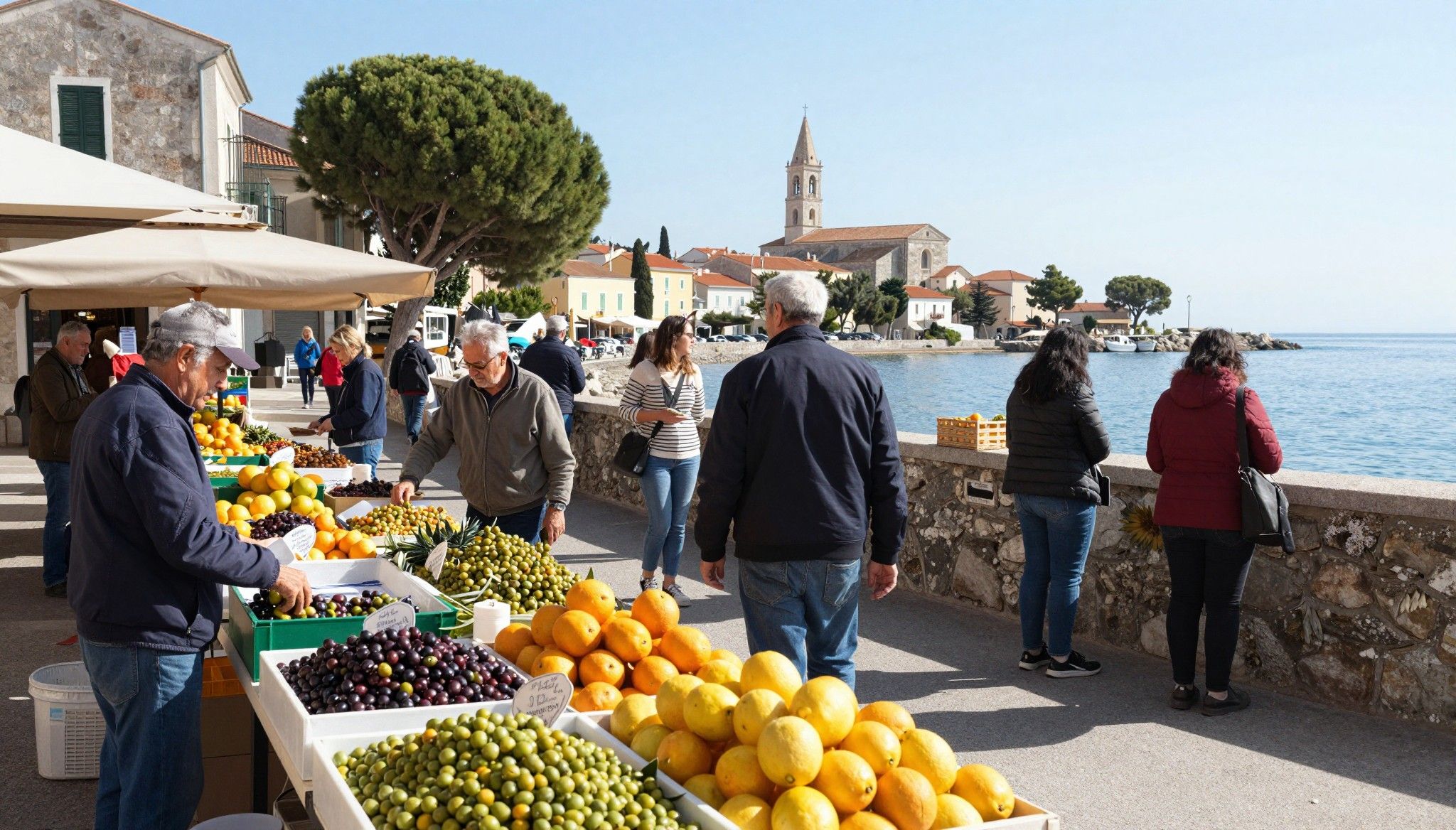
 The Yieldist

